Krakow After Dark: Romantic Evenings, Atmosphere and How It Compares to Other Cities
Krakow after dark is a genuinely different city from the one day-trippers see — the Main Square empties of tour groups, the Old Town’s floodlit facades take over from daylight photography, and Kazimierz’s bar and café scene picks up where the day’s sightseeing leaves off. This guide covers the city’s evening side properly: where to go for a romantic evening, which dinner and cruise experiences are actually worth booking versus which are tourist-trap dressing, how Krakow at night compares to Prague, Warsaw, Budapest, and Vienna for visitors still deciding where to spend their trip, and a couple of the old legends locals still tell after dark.
Romantic Things to Do in Krakow
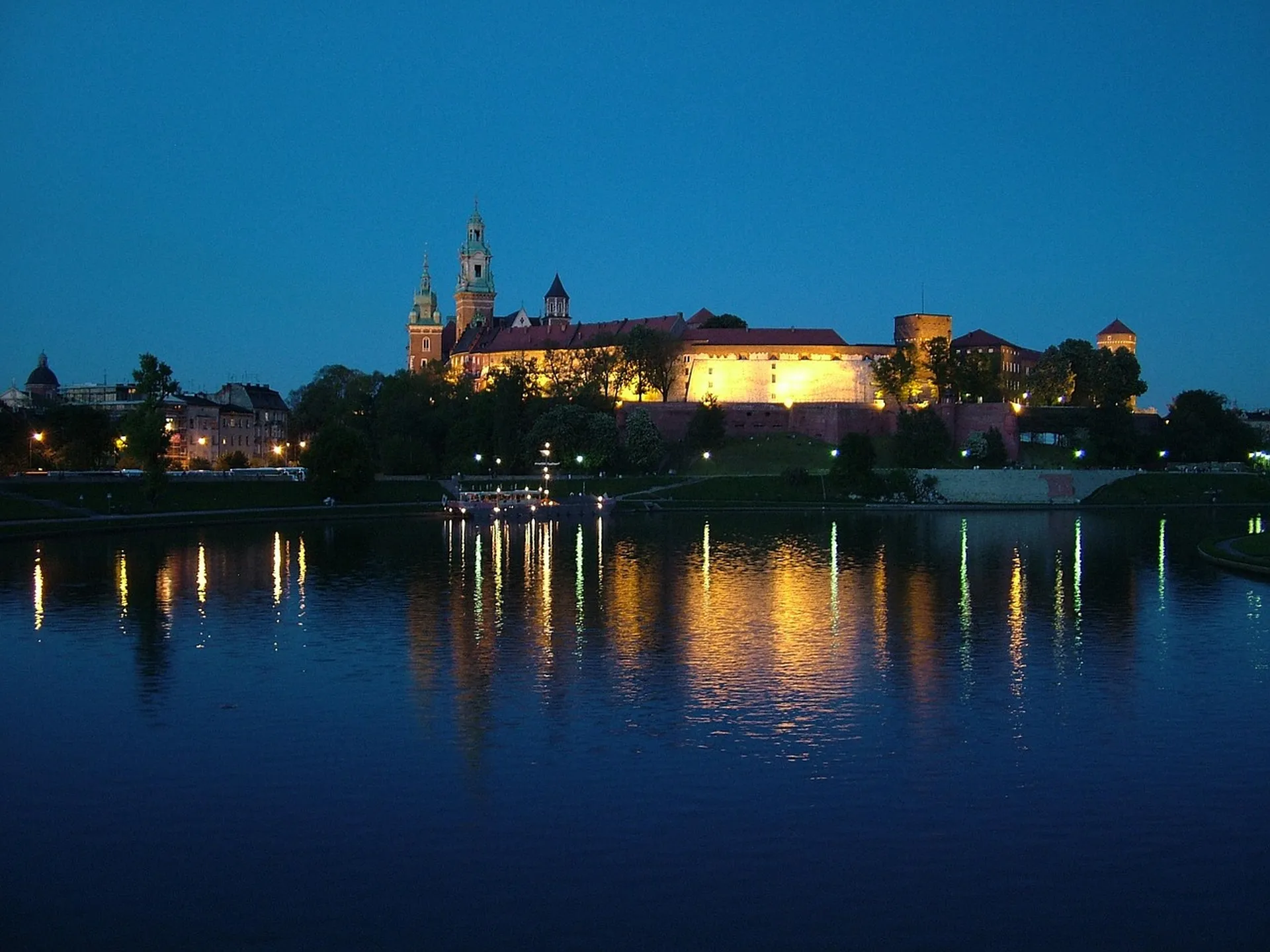
Krakow has a genuine case for one of Central Europe’s more romantic city breaks, and it doesn’t rely on gimmicks to make it — floodlit Wawel Castle above the river, the Main Square’s Gothic silhouette once the day-trip crowds thin out, and a scale that makes an evening walk feel intimate rather than like navigating a tourist gauntlet. A classic romantic evening here starts with dinner in one of the Old Town’s Gothic cellar restaurants, followed by an evening walk through the square and down toward the river as Wawel lights up.
For couples wanting something more structured than a walk, an evening river cruise adds a different vantage point on the same floodlit skyline — see current availability for the most-booked Krakow evening river cruise here.
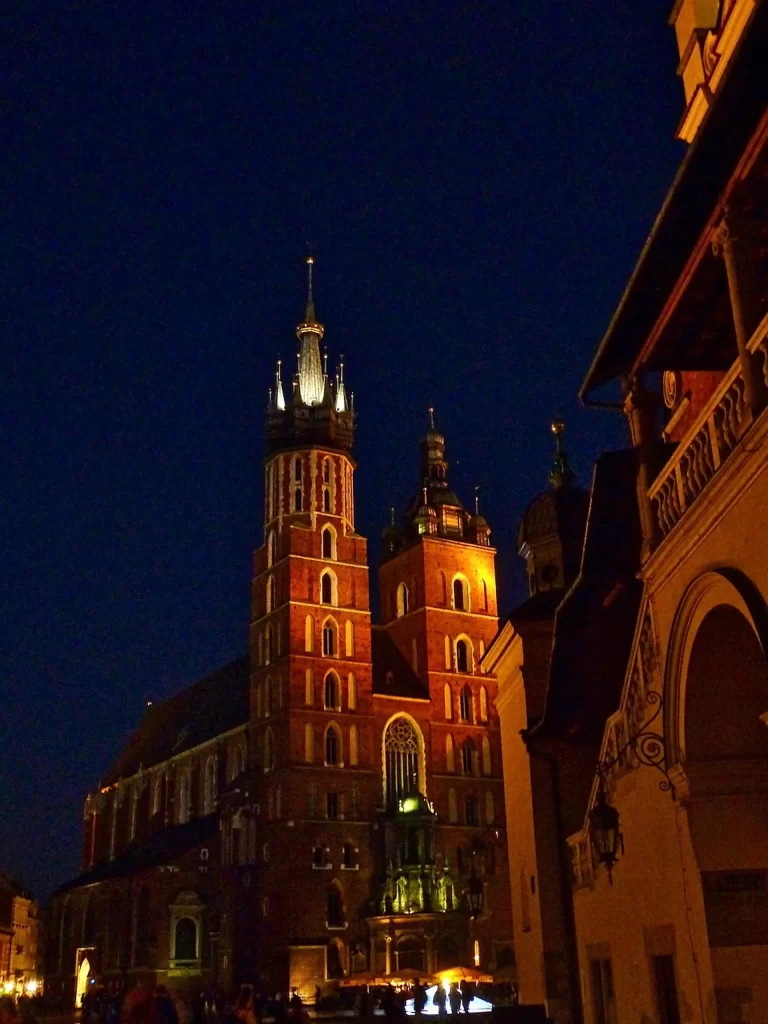
Timing matters more than most visitors expect for a good romantic evening here — arriving at the Main Square right as the floodlights come on (roughly 30-45 minutes after sunset, varying by season) tends to land the best combination of dramatic lighting and a crowd that’s thinned from its daytime peak.
Best Dinner Experiences for Couples
The Old Town’s Gothic cellar restaurants — vaulted brick basements original to medieval merchant houses, now converted into candlelit dining rooms — are Krakow’s signature romantic dinner setting, and genuinely worth seeking out rather than settling for a street-level restaurant with the same menu. Reservations matter more here than at most Krakow restaurants; the best cellar spots have limited seating by nature of the historic architecture and book up on weekend evenings, especially in peak season.
For a dinner experience built specifically around the evening rather than added onto a normal meal, this romantic dinner and Vistula river cruise combination is worth checking for current pricing and menu — it pairs a set multi-course dinner with a shorter cruise segment, aimed squarely at couples rather than general sightseeing.
Beyond the cellar restaurants specifically, a handful of Old Town spots build their entire reputation around candlelight and quiet, table-spaced-apart seating rather than the livelier, louder dining rooms more common near the square’s busiest corners — worth specifically requesting when booking if a quiet, intimate setting matters more than central location.
Horse Carriage and River Cruise: Worth It or Tourist Trap?
Marta’s honest take, splitting these two rather than lumping them together: the horse-drawn carriages around the Main Square are almost entirely a photo-and-nostalgia experience rather than genuine transport or narrated history — pleasant if the mood strikes and the price doesn’t bother you, skippable without missing anything essential. River cruises are a better use of the same evening budget for most visitors — the floodlit Wawel-and-riverbank view from the water is a genuinely different perspective on the city, not just a slower way to see what you’ve already seen on foot.
Pricing between the two also diverges meaningfully — a short carriage loop around the square typically costs more per minute than a full evening river cruise, which is worth factoring in if budget is a genuine consideration rather than pure nostalgia value.
Krakow vs Prague for History Travellers
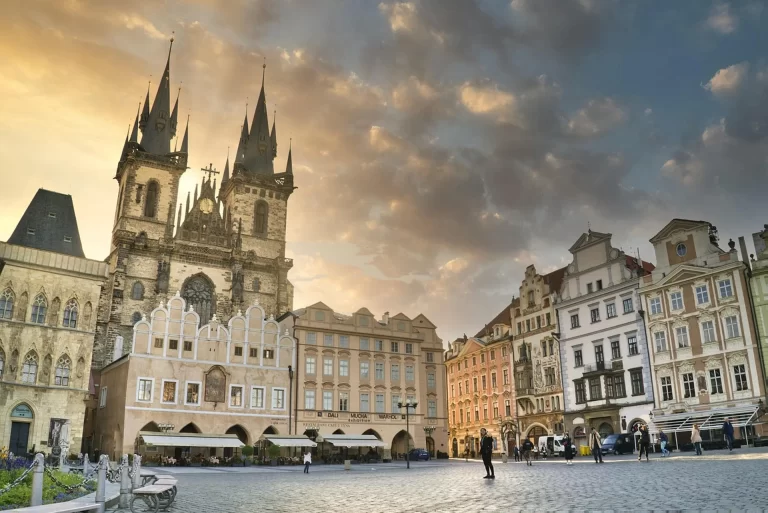
Prague has the more dramatic single skyline and a larger, more famous castle complex, but Krakow offers a more layered, harder-hitting history within easy reach — Auschwitz, Schindler’s Factory, and the Jewish Krakow story are all a short trip from the centre in a way Prague’s equivalent WWII sites generally aren’t. Visitors prioritizing photogenic architecture and a bigger-name castle tend to prefer Prague; visitors prioritizing depth of WWII and Cold War history, with a quieter, less crowded Old Town to explore it from, tend to prefer Krakow.
Cost is worth factoring in too — Prague has grown noticeably more expensive over the past decade as its tourism numbers have climbed, while Krakow has kept more of its value-for-money reputation, particularly on food and accommodation. For budget-conscious history travellers weighing both cities, that gap has become a real part of the decision, not just a minor detail.
Krakow vs Warsaw: Which Belongs on Your Trip
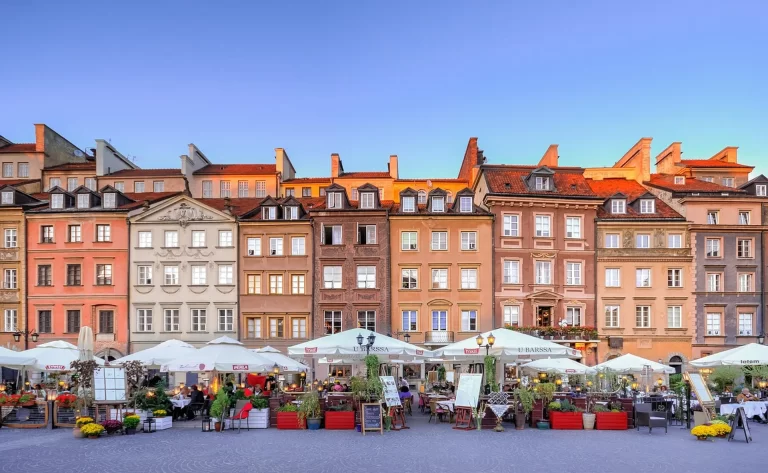
These two cities serve different purposes and, honestly, complement each other more than compete. Warsaw is Poland’s modern capital — a rebuilt, dynamic, forward-looking city with its own compelling WWII story (the Warsaw Uprising, the reconstructed Old Town) but comparatively little pre-war architecture left standing. Krakow escaped WWII’s destruction largely intact, which is why it carries the country’s best-preserved historic core. Visitors with time for both benefit from pairing them — Krakow for depth of pre-war history and atmosphere, Warsaw for a look at how modern Poland has rebuilt itself.
The train connection between the two makes combining them straightforward logistically — the fast Warsaw-Krakow rail link (covered in our getting-around guide) runs frequently enough that splitting a longer Poland trip between both cities adds minimal extra planning burden.
Krakow vs Budapest: Two Heavy Histories
Budapest and Krakow both carry serious 20th-century weight — Budapest’s Jewish Quarter and Holocaust memorials parallel Krakow’s Kazimierz and Schindler’s Factory story closely enough that visitors sometimes struggle to choose between them. The practical differentiator tends to be scale and pace: Budapest is a larger, more spread-out capital with a bigger thermal-bath culture and grander imperial architecture; Krakow is more compact and walkable, with its history more concentrated within a smaller, easier-to-cover area. Neither is objectively “better” — the choice comes down to whether a bigger, more varied capital city or a tighter, more walkable historic centre suits your trip better.
Thermal baths are Budapest’s clearer draw if that’s a priority — Krakow has no real equivalent within the city itself, though the Zakopane day trip (covered in our day-trips guide) offers a mountain-region alternative for visitors who don’t want to skip the experience entirely.
Is Krakow Better Than Vienna for a Long Weekend?
Vienna offers grander imperial architecture, a stronger classical music and cafe tradition, and generally higher costs across the board. Krakow offers more affordability, a more walkable historic core relative to its size, and — again — significantly closer access to Auschwitz and other WWII-era sites than Vienna has to comparable history. For a long weekend focused on budget-friendly, walkable history and atmosphere, Krakow generally wins; for a long weekend built around grand architecture, classical music, and a more polished capital-city feel, Vienna has the edge.
Direct flight and train connections between the two are limited compared to other European city pairs, which makes “both in one trip” less practical than pairing Krakow with Warsaw or Prague instead — worth factoring in if you’re weighing a multi-city itinerary rather than choosing one or the other.
Krakow at Night: What the Old Town Becomes
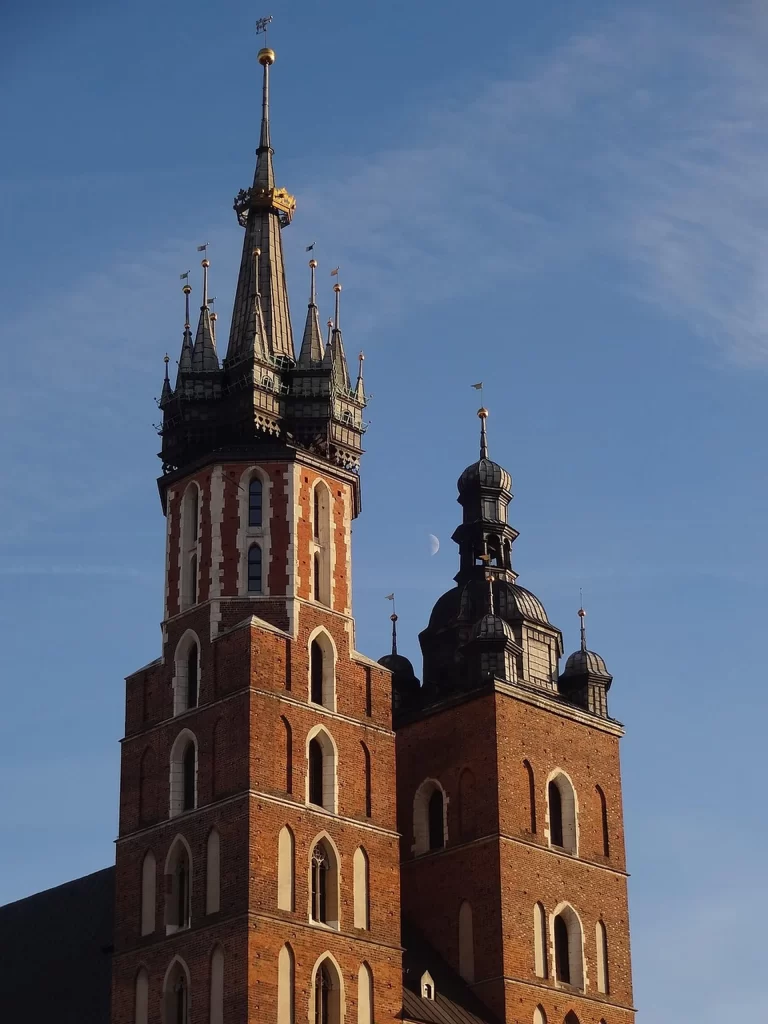
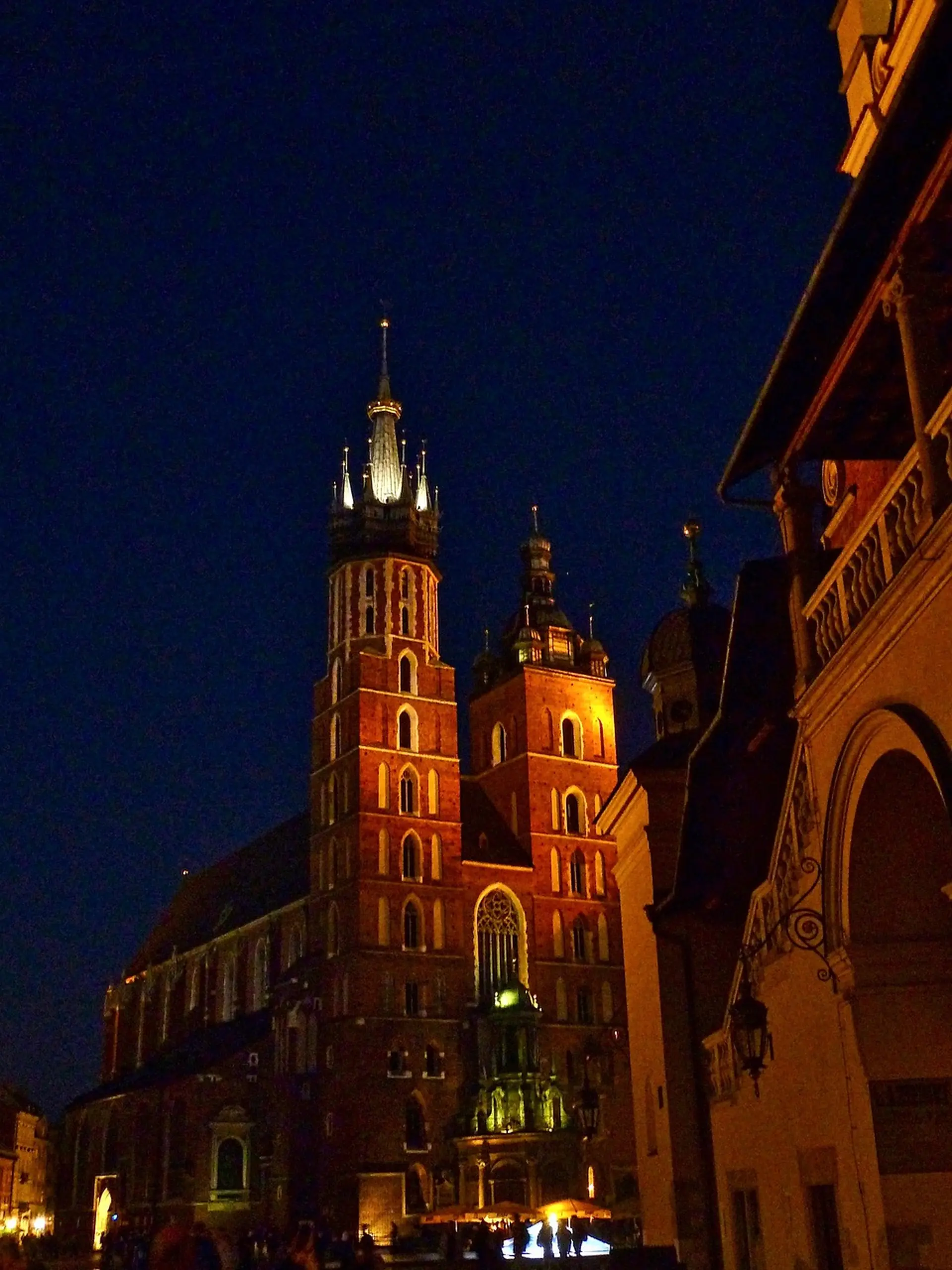
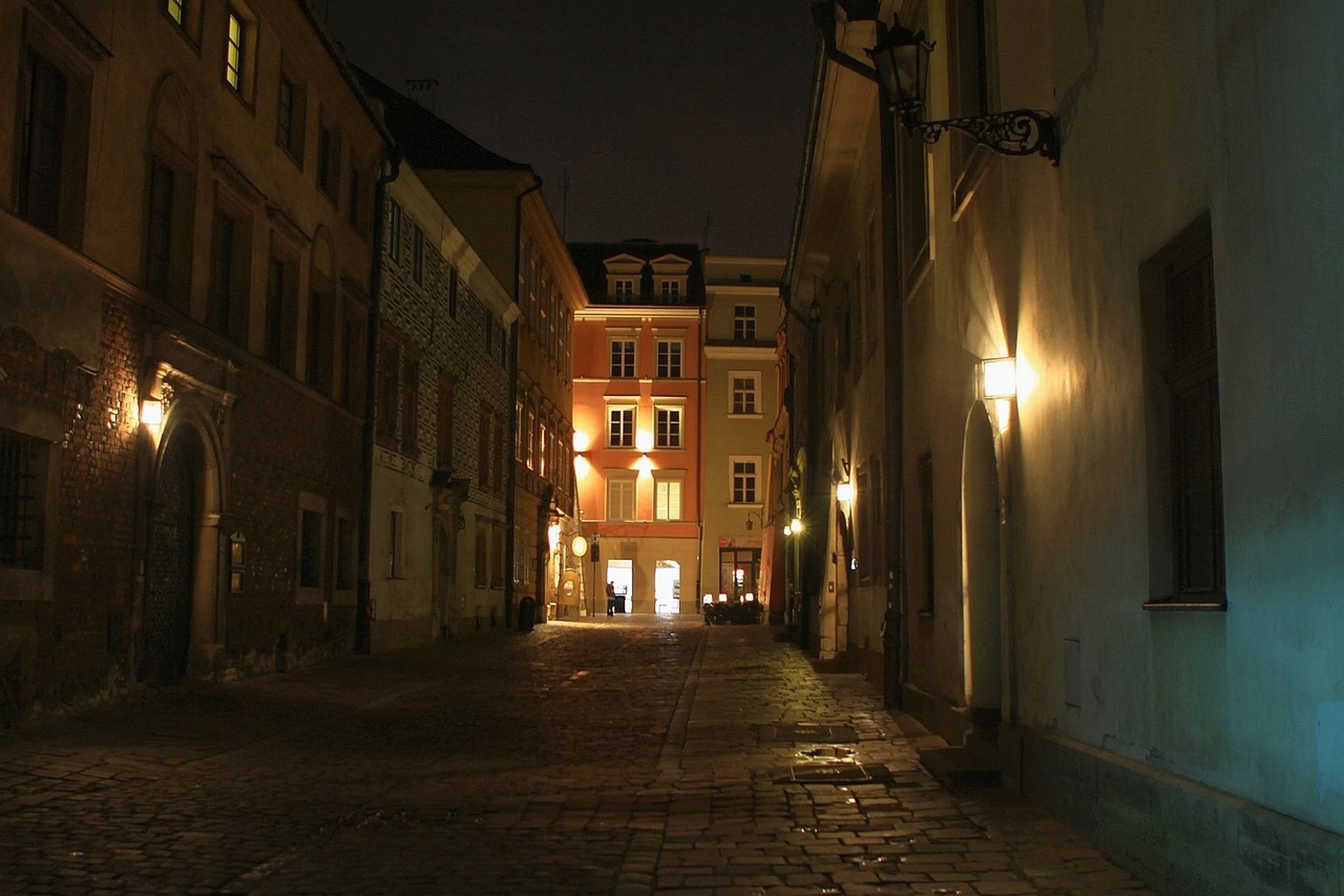
Once the day-trip tour groups clear out — typically by early evening — the Old Town shifts noticeably. The Main Square fills instead with a mix of locals meeting for dinner or drinks, later-arriving visitors on evening walks, and the square’s floodlighting takes over from daytime crowds as the main draw. St. Mary’s Basilica and the Cloth Hall both look genuinely different lit at night than they do in daylight photographs, and the trumpet call (hejnał) still sounds on the hour from St. Mary’s tower regardless of the time of day, a detail visitors staying into the evening get to hear in a quieter setting than the daytime crowd allows.
Locals tend to treat the square differently after dark than tourists do — less a photo stop, more a place to actually sit at an outdoor table with a drink and watch the evening unfold, which is worth adopting rather than rushing through on the way to dinner.
The Wawel Dragon and Other Krakow Legends
The Wawel Dragon (Smok Wawelski) is Krakow’s best-known legend — a fire-breathing dragon said to have terrorized the city from a cave beneath Wawel Hill until a clever shoemaker’s apprentice defeated it with a sheep stuffed full of sulfur, tricking the dragon into drinking from the river until it burst. A bronze dragon statue near the real Dragon’s Den at the base of Wawel Hill breathes actual fire on a timer today, a detail that delights kids and makes the legend tangible rather than just a story in a guidebook.
Beyond the dragon, Krakow carries a handful of other local legends worth knowing — the broken note in the hejnał trumpet call is explained by a legend of a trumpeter shot mid-warning during a Mongol invasion, and the Cloth Hall’s hanging dagger carries its own murder-and-curse story passed down through generations of market vendors. None of these require a guide to appreciate, but knowing them changes how the same walk through the square reads.
These stories aren’t just tourist-brochure material — locals genuinely tell them to their own children, and the dragon statue’s fire-breathing show draws as many Krakow residents showing visiting family around as it does first-time tourists, which says something about how much the legend has stayed part of the city’s actual culture rather than fading into pure marketing.
Kazimierz After Dark: A Different Kind of Evening
If the Old Town’s evening scene is about candlelit dinners and floodlit monuments, Kazimierz’s is about bars, live music, and a younger, more mixed local-and-visitor crowd. The district’s narrow streets hold a dense cluster of cocktail bars, some tucked into unmarked doorways with no sign beyond a small plaque, a Krakow tradition that rewards wandering rather than following a fixed list. It’s a genuinely different register of “evening in Krakow” than the Old Town offers, and worth experiencing at least once even for visitors who spend most of their trip in the historic centre.
Prices in Kazimierz’s bars generally run a little lower than the Old Town’s square-adjacent venues too, one more reason locals default here for a casual evening out rather than the more tourist-priced options a fifteen-minute walk away.
Seasonal Evenings: Christmas Markets and Summer Nights
Krakow’s evening atmosphere shifts significantly with the seasons. The Christmas market period (late November through December) transforms the Main Square into a lit, mulled-wine-scented evening destination distinct from the rest of the year — genuinely worth timing a romantic winter trip around if the dates align. Summer evenings, by contrast, stay light until late (sunset well after 9pm in June and July), which extends the window for an evening walk or outdoor dinner considerably compared to the shorter days of autumn and winter.
Live Music and Cultural Evenings
Beyond bars and dinners, Krakow has a genuine classical and jazz music tradition worth building an evening around — regular concerts in the Old Town’s churches (acoustically striking settings for chamber music), Chopin-themed piano recitals aimed at visitors, and a well-established jazz club scene concentrated in and around the Old Town’s cellar venues. These tend to be lower-key, more atmosphere-focused evenings than a river cruise or dinner, and suit visitors who’ve already covered the more obvious evening activities on a longer stay.
Ticket prices for these run noticeably lower than equivalent concerts in Vienna or Prague, another small point in Krakow’s favour for visitors weighing a culturally-focused evening against cost.
Planning an Evening Around Your Krakow Itinerary
Most visitors get more out of treating one or two evenings during a Krakow stay as dedicated “evening activities” — a cellar dinner, a river cruise, a Kazimierz bar crawl — rather than defaulting to the same casual dinner-and-hotel routine every night. See our full Krakow itinerary guide for how to build one or two standout evenings into a broader multi-day trip without over-scheduling the daytime sightseeing around them.
Safety and Practicalities for an Evening Out
Krakow’s evening scene is generally as safe as its daytime one — see our full safety guide for details — though the usual sensible precautions apply: licensed taxis or ride-share apps rather than unmarked cars late at night, and awareness that the stag-party-heavy streets near the Main Square get noticeably louder and rowdier after dark on weekends. None of this should discourage an evening out; it’s simply worth knowing which streets to expect more noise from if a quiet evening is the goal.
Booking Ahead for Evening Experiences
Popular dinner cruises, cellar restaurant tables, and evening river cruises all get busier on weekend evenings and through peak season (May-September), so booking a few days ahead rather than deciding same-day gives meaningfully better odds of getting the specific experience or table you want, particularly for anything marketed specifically as a romantic or couples experience.
What to Read Next
- Romantic Things to Do in Krakow: A Candlelit Old-World Evening
- Best Dinner Experiences in Krakow for Couples: Gothic Cellars and Quiet Tables
- Krakow Horse Carriage and Evening River Cruise: Worth It or Tourist Trap?
- Krakow vs Prague for History Travellers: An Honest Comparison
- Krakow vs Warsaw: Which Polish City Belongs on Your Trip
- Krakow at Night: What the Old Town Becomes Once the Crowds Leave
Frequently Asked Questions
What is there to do in Krakow at night?
Evening walks through the floodlit Old Town, Gothic cellar dinners, river cruises, and Kazimierz’s bar scene are the main options — the city genuinely changes character after the day-trip crowds leave.
Is Krakow romantic for a couples trip?
Yes — floodlit Wawel Castle, Gothic cellar restaurants, and a compact, walkable Old Town all support a genuinely romantic evening without relying on gimmicks.
Is Krakow or Prague better for history travellers?
Krakow offers closer access to deeper WWII history (Auschwitz, Schindler’s Factory); Prague has a more dramatic castle and skyline. Depends on which matters more to you.
Is a Krakow river cruise worth it?
Generally yes for an evening — the floodlit view of Wawel and the riverbank from the water is a genuinely different perspective than what you see on foot.
What is the legend of the Wawel Dragon?
A fire-breathing dragon said to have terrorized Krakow from a den beneath Wawel Hill until a shoemaker’s apprentice tricked it into bursting by eating a sulfur-stuffed sheep.
Krakow after dark rewards visitors who stay past the day-trip crowds — the same square, the same castle, and the same river read differently once the floodlights take over and the pace slows down. Whether that means a cellar dinner, a river cruise, or just an unhurried evening walk through the Old Town, it’s worth building at least one evening into your trip that isn’t rushed toward the next daytime sight.
Plan your visit: Google Maps