The Krakow Ghetto in Podgórze: What Still Stands and Where to Find It
The Krakow ghetto in Podgórze left surprisingly little standing, and what still stands is easy to walk past without recognizing unless you know exactly where to look. Marta maps out the physical remnants that survive today, why so much of the district shows no visible trace of 1941-1943, and how to find the pieces that do.
Why So Little Is Left Standing
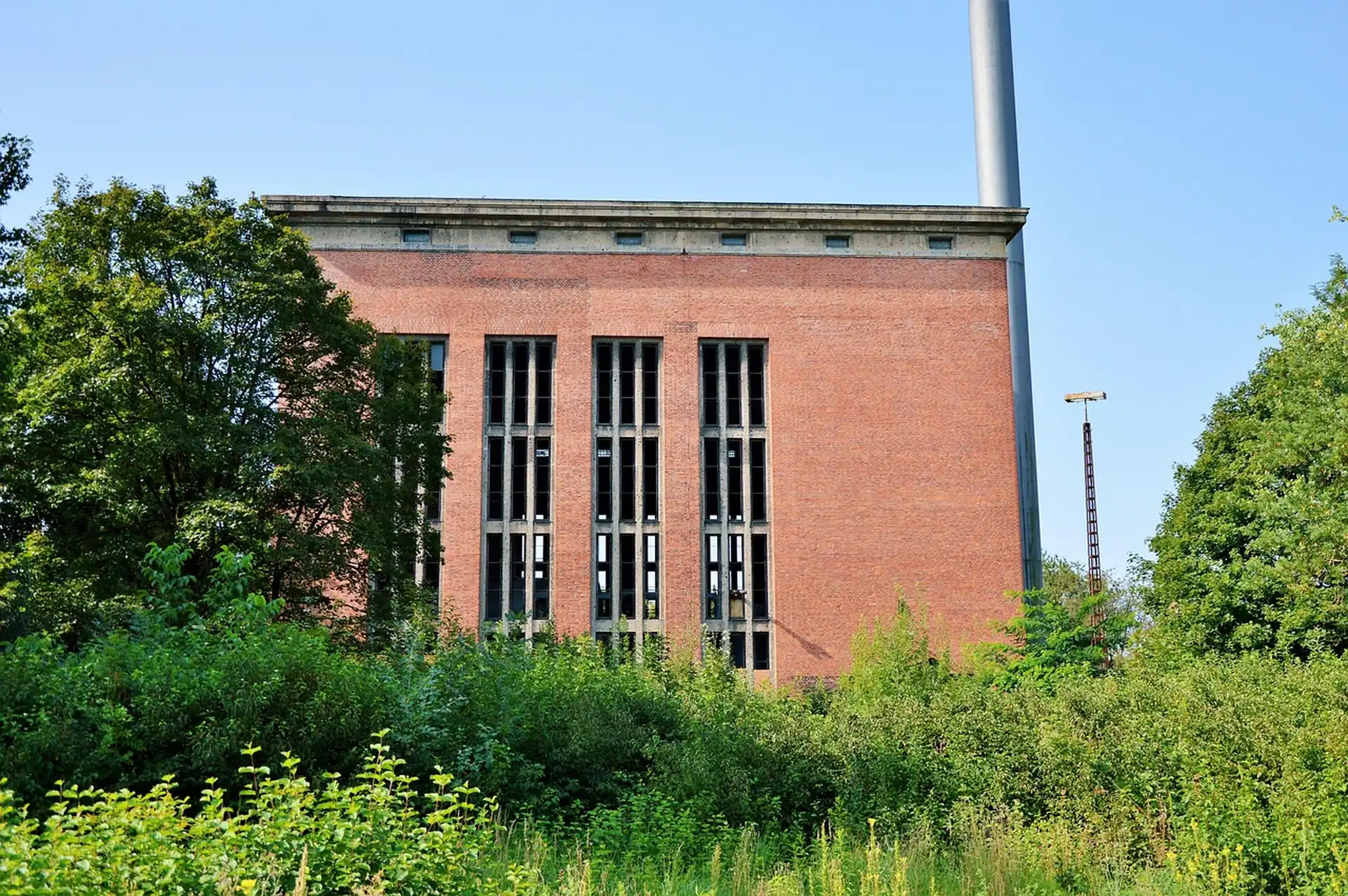
Podgórze was rebuilt and lived in continuously after the war, unlike sites that were preserved specifically as memorials. Most of the ghetto’s temporary walls, checkpoints, and internal boundaries were removed or built over in the decades since, simply because the district kept functioning as an ordinary residential neighbourhood. What remains today are a handful of specific, deliberately preserved fragments rather than a continuous, walkable perimeter — understanding this in advance changes what you’re actually looking for on the ground. It’s worth setting expectations before you go: this isn’t a district with a marked memorial trail running through it the way some European ghetto sites are presented. It’s an ordinary neighbourhood with a small number of specific, deliberately preserved points, and finding them takes a bit more intention than simply following signage from one to the next.
The Ghetto Wall Fragment on Lwowska Street
The most recognizable surviving piece is a short stretch of the original ghetto wall on Lwowska Street, built in a distinctive shape resembling rows of tombstones — a design the Nazis reportedly chose deliberately. It’s a modest, easy-to-miss section set into a residential courtyard, with a small plaque providing context. Photographs of this specific wall section appear in nearly every history of the Krakow ghetto, making it one of the few spots where you’re standing in the exact frame of a widely reproduced historical image.
Ghetto Heroes Square and the Empty Chairs
Plac Bohaterów Getta (Ghetto Heroes Square) was the ghetto’s main square and a deportation assembly point. Today it holds a striking memorial installation of large metal chairs, representing both the furniture Jewish residents were forced to abandon in the streets during deportations and, more broadly, absence itself. It’s one of the more photographed sites in Podgórze, and unlike the wall fragment, it’s impossible to walk past without noticing — the scale and openness of the installation are part of the design.
The Eagle Pharmacy
Apteka pod Orłem, the Eagle Pharmacy, sits directly on Ghetto Heroes Square and is now a small, free museum. It was run during the occupation by Tadeusz Pankiewicz, a Polish pharmacist who stayed in the ghetto voluntarily and used the pharmacy to help Jewish residents in small but significant ways — smuggling information, medicine, and occasionally people. The museum is compact, often taking under 30 minutes, but it’s one of the few sites in Podgórze that lets you stand inside an actual, unaltered ghetto-era building rather than a marker or a reconstruction. Pankiewicz was later recognized among the Righteous Among the Nations for his actions, and the museum’s small scale is part of what makes it effective — there’s no vast exhibition to move through, just a handful of rooms holding the story of one specific place and the people who passed through it.
Tracing the Original Ghetto Boundary
The ghetto’s outer boundary roughly followed Podgórze’s natural edges — the river to the north, and a rough line running along today’s Krakusa, Limanowskiego, and Węgierska streets on the other sides. None of this boundary is marked continuously on the ground, so tracing it requires a map rather than following visible signage. A few informational plaques mark specific points along the former line, mostly near where checkpoints once stood, but walking the full perimeter is more of a research exercise than a signposted route. A printed or downloaded map with the boundary overlaid is genuinely more useful here than relying on GPS alone, since the streets themselves give few visual clues about where the line actually ran.
Buildings That Survived Without Being Marked
A number of ordinary apartment buildings within the former ghetto boundary date from before the war and would have housed Jewish families during the occupation, but carry no plaques or markers identifying them as such. This is deliberate to some degree — most are still lived-in residential buildings today, and Podgórze’s approach has generally favored a handful of clearly marked memorial sites over turning the whole neighbourhood into an open-air museum. A knowledgeable guide can point these buildings out; without one, they’re indistinguishable from any other pre-war Krakow apartment block. This is also why photographs alone can be misleading — a building that looks entirely ordinary in a picture may carry real historical weight that only becomes apparent with the right context attached to it.
Visiting on Your Own vs with a Guide
Walking independently with a good map works well for the headline sites — the wall fragment, Ghetto Heroes Square, and the Eagle Pharmacy are all well documented and reasonably close together. Where a guide adds real value is in the buildings and boundary points that carry no signage at all; the Kazimierz, Schindler’s Factory and Ghetto guided tour covers this ground with narration filling in exactly these gaps. If you’d rather handle the Schindler’s Factory side of the visit separately, Marta’s guide to booking Schindler’s Factory tickets covers that half of the itinerary on its own.
What Locals Notice
Longtime Podgórze residents will point out that most tourists cluster at Ghetto Heroes Square and rarely walk the quieter residential streets just a few blocks away, where several of the unmarked former-ghetto buildings actually sit. It’s a small observation, but it says something about how memorial sites can end up concentrating attention on a handful of designated spots while the wider, less visible history sits largely unvisited just around the corner.
A Suggested Walking Order
- Start at the ghetto wall fragment on Lwowska Street.
- Walk north to Ghetto Heroes Square and the Eagle Pharmacy museum.
- Continue toward Schindler’s Factory, a short walk further along.
- Finish with a loop through the quieter residential streets nearby, where several unmarked former-ghetto buildings still stand.
Plaques and Markers to Look For
Beyond the headline sites, keep an eye out for smaller informational plaques set into pavement or building facades at a handful of points along the former boundary — these mark specific former checkpoint or gate locations rather than continuous wall lines. They’re easy to walk past without noticing, since most are modest in scale compared to the wall fragment or the chair memorial, but they’re genuinely useful for anyone trying to piece together the original shape of the ghetto rather than just visiting the two or three most photographed spots.
How This Compares to Kazimierz
It’s worth being clear about a distinction that trips up first-time visitors: Kazimierz, across the river, was Krakow’s historic Jewish quarter for centuries before the war and is a lived-in, characterful neighbourhood today with active synagogues and cafés. Podgórze’s former ghetto is a different place entirely — the site of forced relocation during the occupation, not the community’s original home. Conflating the two muddies a history that’s already complicated enough, and the physical character of each district reflects the difference clearly once you know what you’re looking at. If your itinerary includes both, visiting Podgórze before Kazimierz — following the historical chronology of forced relocation and then, separately, the centuries-older quarter across the river — tends to make the distinction clearer than the reverse order.
What to Read Next
- Schindler’s Factory and the Krakow Ghetto: WWII Sites and Tickets
- Schindler’s Factory Krakow: How to Book Timed-Entry Tickets
Frequently Asked Questions
Is any of the original Krakow ghetto wall still standing?
Yes, a short fragment survives on Lwowska Street, built in a distinctive shape resembling rows of tombstones. It’s set into a residential courtyard with a small explanatory plaque.
What is Ghetto Heroes Square?
Plac Bohaterów Getta was the ghetto’s main square and deportation assembly point. It now holds a memorial installation of large metal chairs representing both abandoned furniture and absence.
What was the Eagle Pharmacy?
Apteka pod Orłem was a pharmacy run by Polish pharmacist Tadeusz Pankiewicz, who stayed in the ghetto and quietly helped Jewish residents. It’s now a small free museum on Ghetto Heroes Square.
Can I walk the former ghetto boundary on my own?
Yes, but it isn’t continuously marked on the ground, so it works better with a map than by following visible signage. A few plaques mark specific former checkpoint locations along the line.
Is a guided tour necessary to see the ghetto sites?
Not for the headline sites, which are well documented and walkable independently. A guide adds the most value for unmarked buildings and boundary points that carry no signage at all.
Plan your visit: Google Maps