Nowa Huta Tour from Krakow: Inside the Communist City Built from Nothing
A Nowa Huta tour from Krakow takes you inside a city that was never supposed to need tourists — built from nothing in the late 1940s as a model socialist workers’ district, planned down to its street grid to embody communist ideals. Visiting it today means walking through a genuinely different Krakow than the medieval Old Town most visitors expect.
What Nowa Huta Actually Is
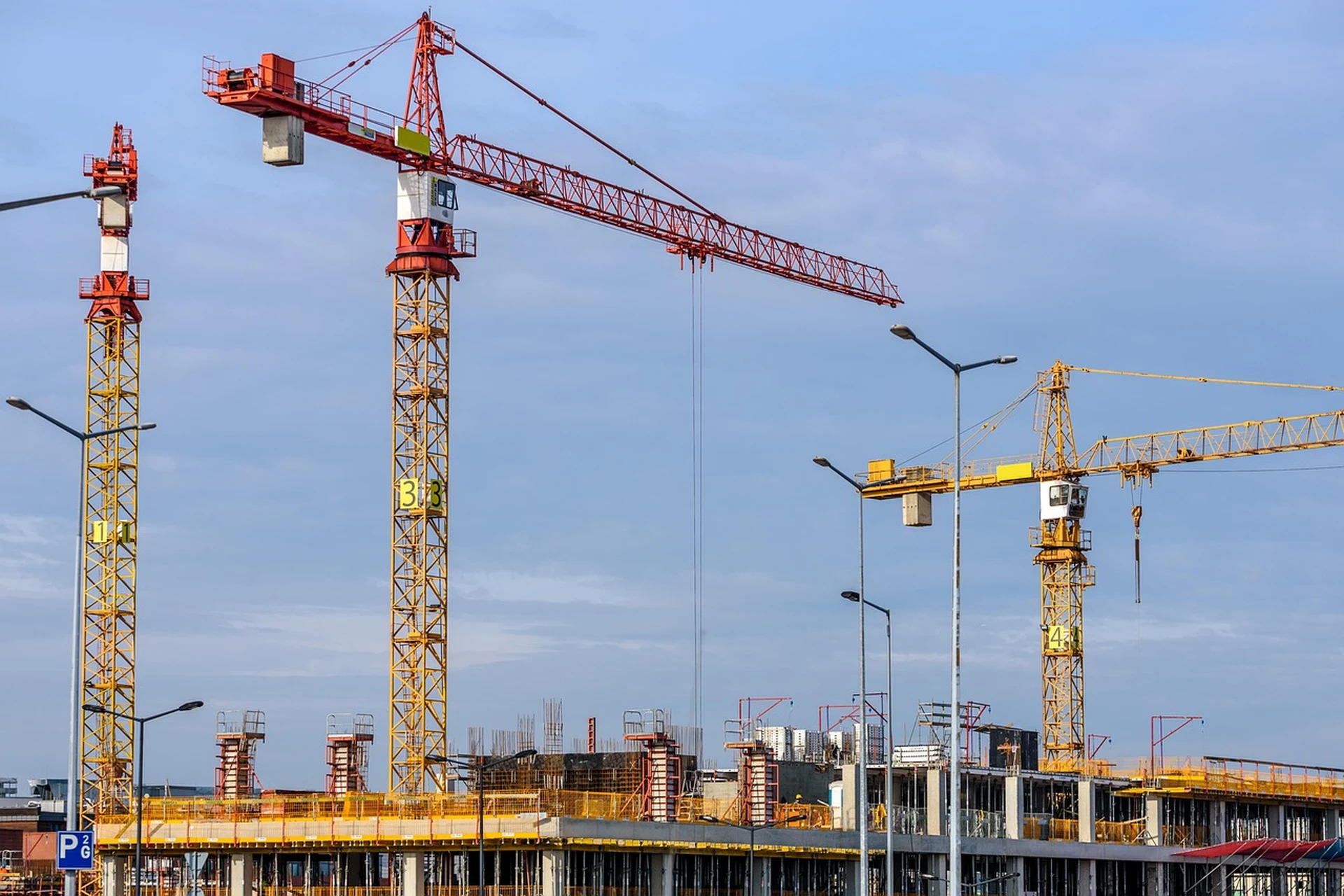
Nowa Huta was constructed starting in 1949 alongside the massive Vladimir Lenin Steelworks, deliberately built without churches and centered on a vast central square designed for state parades. The district’s name literally means “New Steelworks,” and the entire urban plan — wide avenues, monumental socialist-realist architecture, uniform apartment blocks — was engineered to demonstrate what an ideal communist city should look like.
It’s a fundamentally different kind of historical site than Wawel or the Old Town: not preserved medieval architecture, but intact 20th-century urban planning frozen at the moment its ideology fell out of favor.
The steelworks itself — now operating at a fraction of its original Soviet-era capacity under different ownership — still dominates the district’s skyline and economy, a physical reminder that Nowa Huta wasn’t built as a museum piece but as a functioning industrial city, and in many ways still is.
For context, this stands in sharp contrast to how most European cities grew organically over centuries — Nowa Huta was master-planned from a blank field in a matter of years, which is part of what makes its uniformity so distinctive when you’re standing in the middle of it.
The Vintage Car Tour Experience
The most popular way to see Nowa Huta is by vintage Trabant — the boxy, underpowered East German car that became an unintentional symbol of the Eastern Bloc’s limitations. A guided tour in a fleet of these vintage cars covers the central square, the steelworks viewing area, and several residential blocks while a guide explains the district’s history and the everyday reality of life under the system it represented.
| Tour Format | Group Size | What It Adds | Best For |
|---|---|---|---|
| Shared vintage car tour | Small groups, multiple cars | Novelty of the Trabant itself, guide narration | Most visitors, photo opportunities |
| Private vintage car tour | Private group | Flexible pacing, more personal guide attention | Families, history enthusiasts wanting depth |
| Walking tour | Small group, on foot | Slower pace, closer architectural detail | Budget-conscious visitors, architecture focus |
For a smaller group or a more personal pace, the private vintage car option lets you set the itinerary rather than following a fixed multi-car convoy schedule.
The Trabant itself is part of the experience regardless of tour format — these cars, produced in East Germany from the 1950s through the fall of communism, are notoriously underpowered and built from a resin-reinforced material rather than steel, giving them a distinctly toy-like feel that most riders find amusing rather than uncomfortable over a short tour.
Riding in one for an hour or two is genuinely fun regardless of how much history you retain — it’s the rare Krakow activity that works equally well for visitors traveling with children and those traveling solo, since the novelty appeals broadly.
What You Actually See
The central square (formerly Central Square, renamed Ronald Reagan Central Square in 2004 — a detail that surprises most visitors) anchors the district, surrounded by monumental socialist-realist buildings. Nearby, the Arka Pana church stands out specifically because Nowa Huta was designed without churches, and residents fought for decades to get one built — its eventual construction in the 1970s is one of the district’s most significant stories.
Most tours also pass or stop briefly near a Cold War-era nuclear bunker beneath one of the administrative buildings, a detail that surprises visitors who don’t associate a planned workers’ district with civil defense infrastructure — a reminder that Nowa Huta’s design considered contingencies beyond daily life.
Photography opportunities are plentiful throughout — the scale and symmetry of the central square photographs particularly well in late afternoon light, when the long shadows emphasize the monumental proportions the original planners intended.
The Architecture Worth Slowing Down For
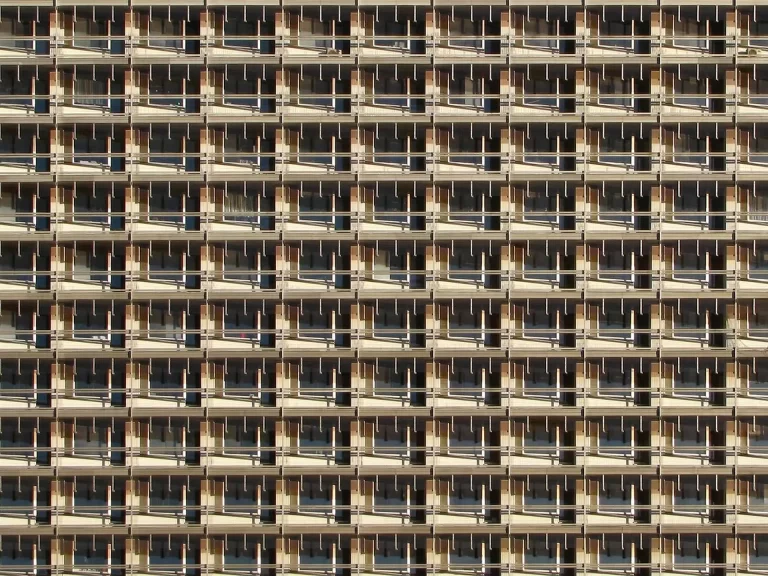
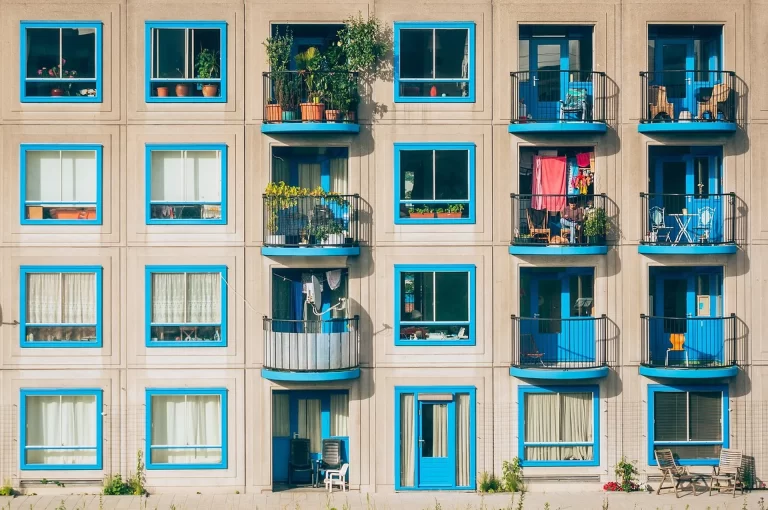
Beyond the central square, Nowa Huta’s residential blocks showcase socialist-realist architecture at a scale rarely preserved this intact elsewhere in Europe — wide, tree-lined avenues radiating from the center, uniform apartment buildings with consistent cornice lines and proportions, and public buildings designed to project state authority through scale rather than ornament.
Architecture enthusiasts specifically travel to Nowa Huta because so few other cities preserved this style of planning without significant post-communist demolition or renovation — it remains one of the most complete examples of its kind still standing.
If architecture specifically draws you here rather than the Trabant novelty, consider the walking tour format instead of the vintage car version — moving slowly on foot gives you more time to actually look at building details that a car tour’s pace tends to blur past.
Why This Isn’t Just Novelty Tourism
It’s easy to frame a Trabant ride as a quirky photo-op, and it certainly works as one, but the district itself tells a genuinely important story about postwar Poland — forced industrialization, the human cost of rapid urban planning, and how a community built to serve an ideology eventually asserted its own identity against it. Treating it purely as novelty undersells what’s actually here.
Guides who take this seriously tend to weave both threads together — the photogenic Trabant ride and the substantive history — rather than treating one as a distraction from the other, which is worth looking for when comparing tour operators.
What Locals Think About Nowa Huta
Locals with family history in Nowa Huta tend to have more complicated feelings about it than the tour narrative sometimes suggests — some genuinely value the district’s community history and architecture, while others associate it more with the hardships their families experienced there. Both perspectives are worth holding in mind while visiting.
This complexity is worth sitting with rather than smoothing over for a tidy tour narrative — Nowa Huta’s history includes real hardship alongside genuine community pride, and both are part of an honest picture of the district today.
Getting There Independently
Nowa Huta is technically within Krakow’s city limits, reachable by tram from the Old Town in about 25-30 minutes — genuinely feasible without a tour if you’d rather explore at your own pace and skip the Trabant novelty entirely. The tradeoff is losing the guide’s historical context and the specific vintage-car experience, but the district’s major landmarks are walkable once you arrive.
Independent visitors should budget extra time for orientation, since Nowa Huta’s layout — radial avenues around a central point — can be disorienting without a guide’s map knowledge, especially for a first visit.
A guided tour removes this friction entirely and adds the historical framing that makes the visit meaningful rather than just a walk through unfamiliar residential streets, which is the main reason most first-time visitors choose the tour format over going alone.
How Long to Budget
A standard vintage car tour runs about two to three hours including transport from central Krakow. It pairs reasonably well with a half-day rather than needing a full day, making it a manageable addition even on a shorter Krakow itinerary if the history genuinely interests you.
If you’re combining Nowa Huta with another activity the same day, pair it with something lighter afterward rather than another intensive historical site — the density of information covered in a Nowa Huta tour tends to be mentally filling on its own.
What to Read Next
Frequently Asked Questions
What is Nowa Huta and why was it built?
Nowa Huta is a planned socialist district built starting in 1949 alongside a massive steelworks, designed as a model communist workers’ city without churches, centered on monumental socialist-realist architecture.
What is the Trabant vintage car tour of Nowa Huta?
A guided tour through the district in fleets of vintage East German Trabant cars, covering the central square, steelworks viewing area, and residential blocks with historical narration.
How long does a Nowa Huta tour take?
A standard tour runs two to three hours including transport from central Krakow, making it a manageable half-day addition to your itinerary.
Is Nowa Huta worth visiting if I only have a few days in Krakow?
It depends on your interests. If 20th-century history and urban planning genuinely interest you, it’s a worthwhile half-day; if not, prioritize Wawel, Auschwitz, or Kazimierz first.
Is there a church in Nowa Huta?
Yes — the Arka Pana church, built in the 1970s after residents fought for decades to get one constructed, since the district was originally designed without churches.
Whether you go by vintage Trabant or on foot, Nowa Huta offers a version of Krakow’s history that has nothing to do with kings or castles — and for visitors interested in the twentieth century as much as the fourteenth, it’s worth the detour.
Plan your visit: Official site · Google Maps