Krakow Food Tour Worth Booking: What You Taste and Where It Stops
A Krakow food tour worth booking should give you more than a sampler plate — it should explain why Polish food tastes the way it does, connecting each stop to actual history rather than just moving from restaurant to restaurant. Here’s what the better options actually cover and where they take you.
What a Good Food Tour Should Include
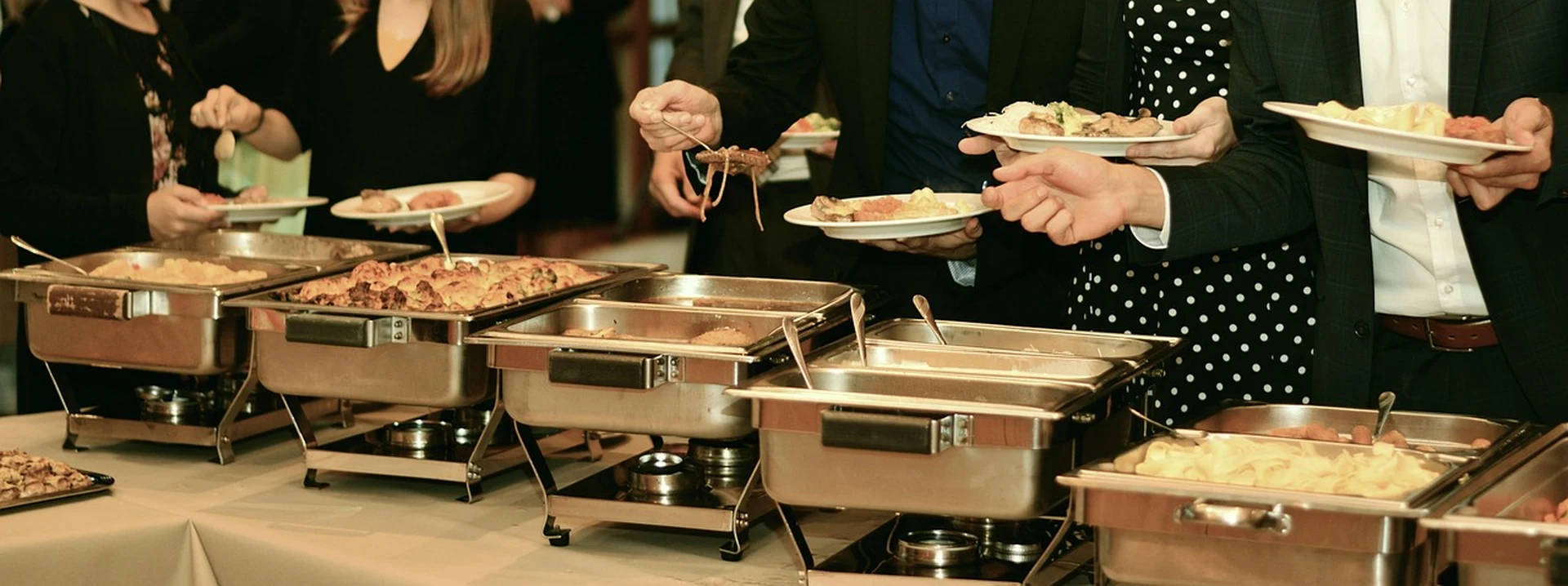
The strongest food tours in Krakow combine three elements: a genuine variety of tastings across multiple stops rather than one big meal, historical or cultural context explaining why each dish matters, and a route through neighborhoods you’d want to see anyway rather than a purely transactional restaurant crawl.
It’s worth being skeptical of tours advertising an unusually high number of stops — quality and variety matter more than sheer quantity, and a tour cramming eight rushed tastings into two hours often means smaller portions and less time to actually talk with your guide about what you’re eating.
A useful test when comparing listings: read a few recent reviews and see whether reviewers mention specific dishes and stories, or just generic praise like “great time, would recommend.” Specific, detailed reviews tend to indicate a guide who genuinely engages with the material rather than running through a memorized script.
What You’ll Actually Taste
| Dish | What It Is | Why It Matters |
|---|---|---|
| Pierogi | Filled dumplings, sweet or savory | Poland’s most recognizable dish, with regional variation in fillings |
| Oscypek | Smoked sheep’s cheese | Protected regional product from the Tatra highlands |
| Żurek | Sour rye soup | A genuinely distinct flavor profile most first-time visitors haven’t encountered |
| Kielbasa | Polish sausage | Varies significantly by region and preparation method |
| Vodka shots | Traditional accompaniment | Historically paired with hearty food rather than sipped alone |
The tipsy food tour format leans into the vodka-pairing tradition specifically, walking you through both the food and the drinking culture that historically accompanied it.
Pay attention to how each dish is introduced during the tour — a guide who explains that żurek was traditionally a way to use up stale rye bread, or that oscypek is a protected geographical product that can legally only be made in specific highland regions, is giving you context most restaurant menus never bother to include.
The vodka pairing, when included, is worth approaching with a bit of caution if you’re not an experienced drinker — Polish vodka tastings often move through several small pours across the tour, and pacing yourself matters as much with the drink component as with the food.
Where the Better Tours Actually Stop
Kazimierz is the neighborhood most food tours center around, and for good reason — it has the highest concentration of small, family-run spots serving traditional dishes rather than tourist-oriented restaurants. A tour that sticks entirely to the Main Market Square is more likely to be hitting higher-rent, lower-authenticity stops chosen for foot traffic rather than food quality.
Some tours also incorporate a stop at the Old Jewish Cemetery area or a working synagogue courtyard between tastings, blending the food experience with Kazimierz’s broader historical layers — worth looking for if you want your food tour to double as a light introduction to the neighborhood’s history.
A route that mixes food stops with these smaller historical detours tends to feel less like a checklist and more like a genuine walk through the neighborhood, which is part of what separates a memorable tour from a merely adequate one.
Budget vs Premium Options
Budget-friendly tours typically cover four to five tastings with a straightforward format. A more premium guided food and culture tour adds deeper cultural context, smaller group sizes, and often a wider range of dishes, at a correspondingly higher price point.
The price gap between budget and premium tours often comes down to group size and venue selection rather than dramatically different food — a premium tour might visit slightly more exclusive or harder-to-book venues, but the core dishes covered tend to overlap significantly across price points.
If budget is your main constraint, the standard tipsy-format tour still delivers a genuinely solid introduction to Polish food culture — the premium tier is more about refinement and pacing than a fundamentally different experience.
Group Size and What It Changes
Larger group tours, often ten to fifteen people, tend to move through stops more efficiently but with less individual attention from the guide and sometimes crowded seating at smaller family-run venues. Smaller group or private options cost more but generally allow more genuine conversation with both the guide and, occasionally, the actual cooks or shop owners at each stop.
If getting a real sense of the people behind the food matters to you as much as the food itself, prioritize the smaller-group option even at a higher price point.
Ask directly about maximum group size when booking if this matters to you — listings don’t always state it clearly upfront, and the difference between a tour capped at eight and one capped at twenty is significant even if both are marketed simply as “small group.”
What Locals Look for in a Good Food Tour
Locals judge a food tour less by the number of stops and more by whether the guide can actually explain what you’re eating — the difference between a rehearsed script and someone who genuinely knows the difference between regional pierogi fillings shows quickly once you start asking questions.
This is also why locals tend to trust operators with longer track records and consistent guide staff over newer entrants — a guide who’s led the same route for years develops a genuine depth of knowledge and relationships with venue owners that a rotating roster of guides can’t easily replicate.
Dietary Restrictions and Food Tours
Most reputable operators can accommodate vegetarian diets reasonably well, since Polish cuisine has a strong tradition of meat-free pierogi and soups. Vegan and gluten-free accommodation is more limited given how central dairy and wheat are to traditional dishes — worth messaging the operator directly before booking if you have specific dietary needs.
If you have a severe allergy rather than a general dietary preference, it’s worth calling rather than just messaging, since some smaller family-run venues on these routes may not have detailed allergen information readily available in English.
Even with a general restriction, giving the operator a heads-up a day or two in advance rather than mentioning it on arrival gives them time to adjust the route or arrange a substitute at each affected stop.
When to Book a Food Tour During Your Trip
Booking a food tour toward the beginning of your Krakow stay, rather than the end, has a practical benefit most visitors don’t consider: it gives you a curated introduction to dishes and neighborhoods you can then seek out again independently for the rest of your trip, armed with recommendations from your guide.
A food tour on your last night, by contrast, is a fine way to close out a trip but doesn’t let you act on anything you learn — purely a matter of preference depending on what you want out of the experience.
There’s no wrong answer here, and plenty of visitors do it successfully at either point in their trip — the timing consideration is simply worth thinking through rather than defaulting to whatever slot happens to be available.
How Hungry Should You Be Beforehand?
Skip a big breakfast or lunch before a food tour — most run two and a half to three hours with five or more tastings, and pacing yourself matters more than most first-timers expect. Coming in already full undersells what you paid for.
Wear comfortable shoes too — most food tours involve a fair amount of walking between stops through Kazimierz’s cobblestone streets, and standing at counter-style venues between courses is common rather than sitting down for a full meal at each stop.
What to Read Next
- Polish Food and Drink in Krakow: Milk Bars, Pierogi, Vodka and Food Tours
- Polish Vodka Tasting in Krakow: Which Experiences Are Worth It
Frequently Asked Questions
What makes a food tour in Krakow worth booking?
A genuine variety of tastings across multiple stops, historical context for each dish, and a route through neighborhoods with real culinary character — particularly Kazimierz — rather than a straightforward restaurant crawl.
What dishes will I try on a typical Krakow food tour?
Pierogi, oscypek smoked cheese, żurek sour soup, Polish sausage, and often a vodka tasting, depending on the specific tour.
Can food tours accommodate vegetarian or vegan diets?
Vegetarian accommodation is generally good given Poland’s tradition of meat-free pierogi and soups. Vegan and gluten-free options are more limited — message the operator directly before booking.
How long does a typical Krakow food tour last?
Two and a half to three hours, covering five or more tastings across multiple stops, typically in Kazimierz.
Should I eat beforehand?
Skip a large meal before the tour — most tours include enough food across multiple stops that arriving hungry, not full, gets you the best experience.
Whichever tour you choose, the best sign of quality isn’t the number of stops but whether you leave understanding something about Polish food culture you didn’t know going in.
Plan your visit: Google Maps