Krakow in Winter: What Snow Does to the Main Square and the Old Town
Krakow in winter looks like a genuinely different city — snow settling on the Cloth Hall’s rooftop, the Main Square emptied of its summer crowds, and a stillness that the Old Town simply doesn’t have the rest of the year. This guide covers what actually changes, month to month, and how to plan around it. For building winter into a fuller trip, the complete Krakow itinerary and trip planning guide covers every season and length.
What Snow Does to the Main Square
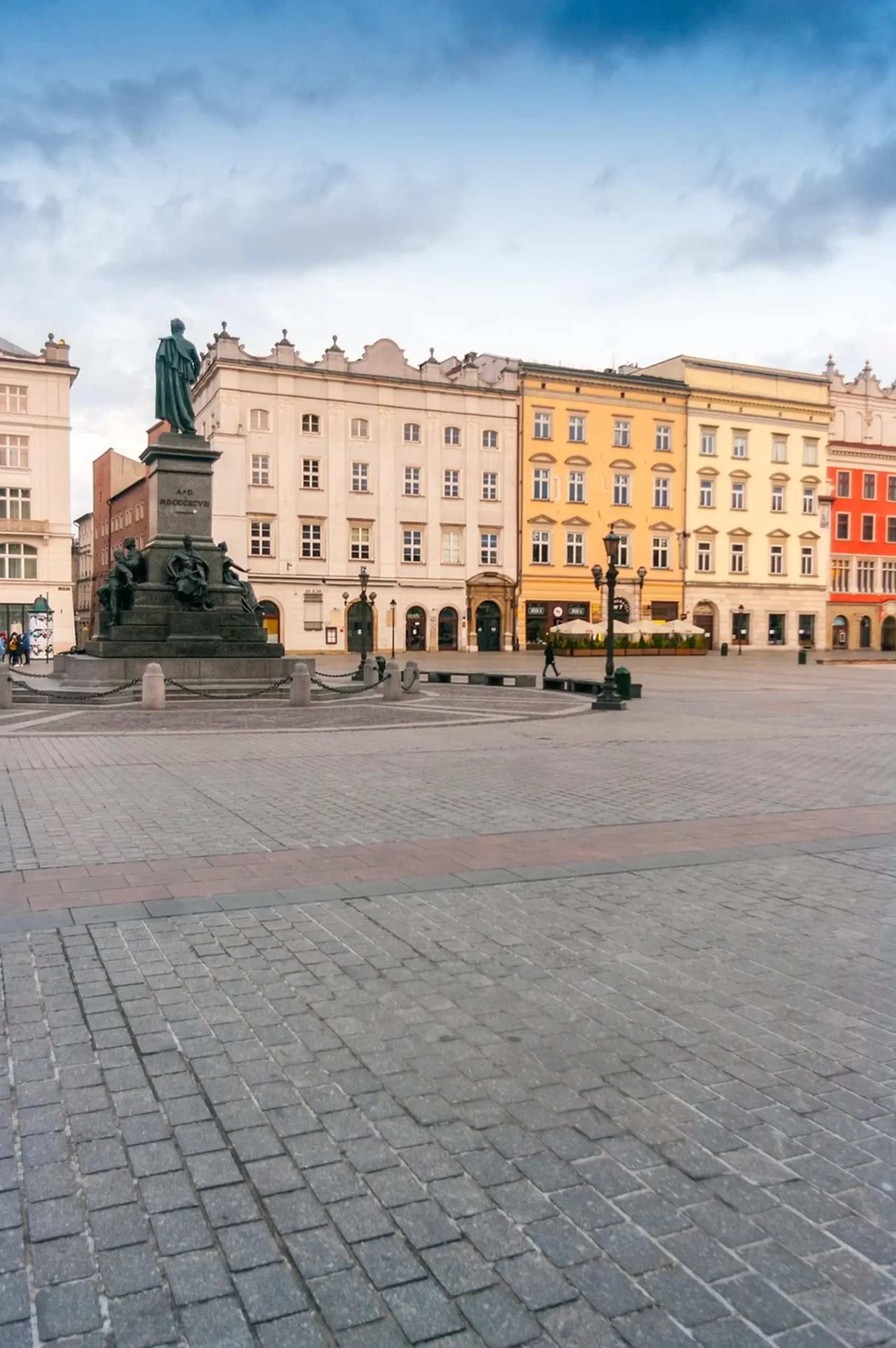
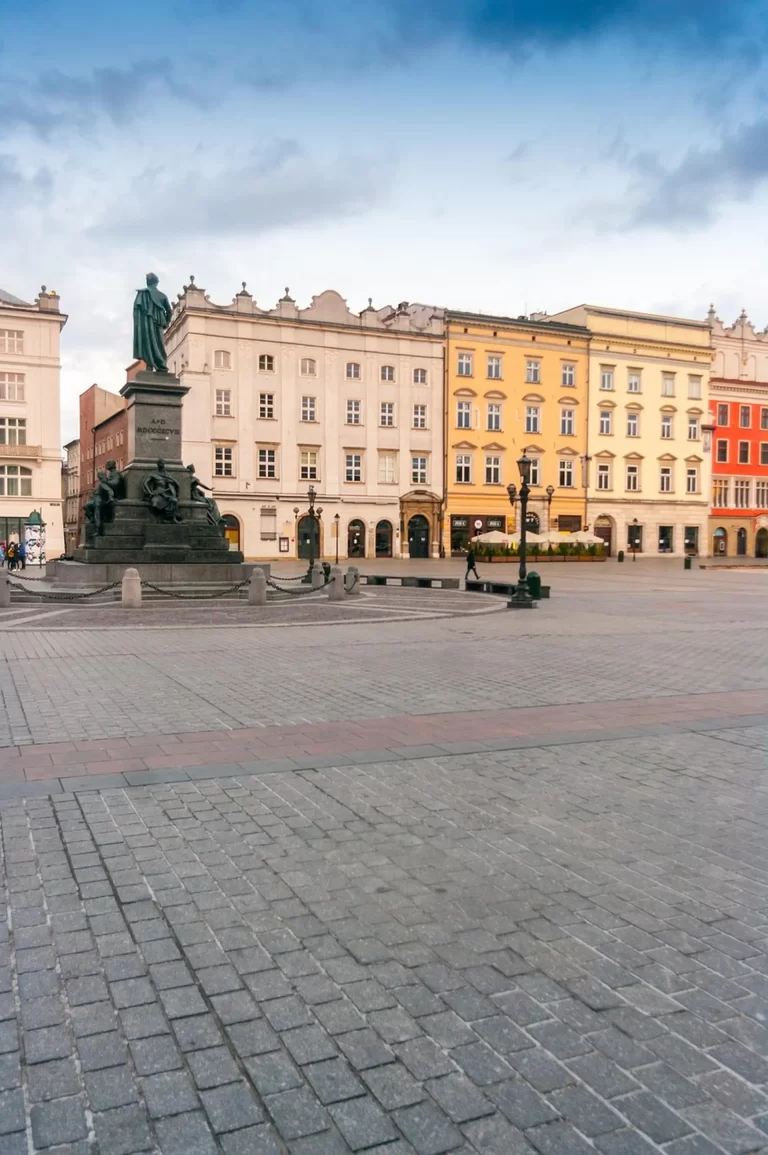
Snowfall transforms the Main Market Square more visibly than almost anywhere else in the city — the Cloth Hall’s arcades and rooftop collect snow in a way that photographs beautifully, and the open square itself, normally filled with café tables and tour groups, takes on a much quieter, more atmospheric character. Locals crossing the square on the way to work in January see a genuinely different place than the one summer visitors photograph.
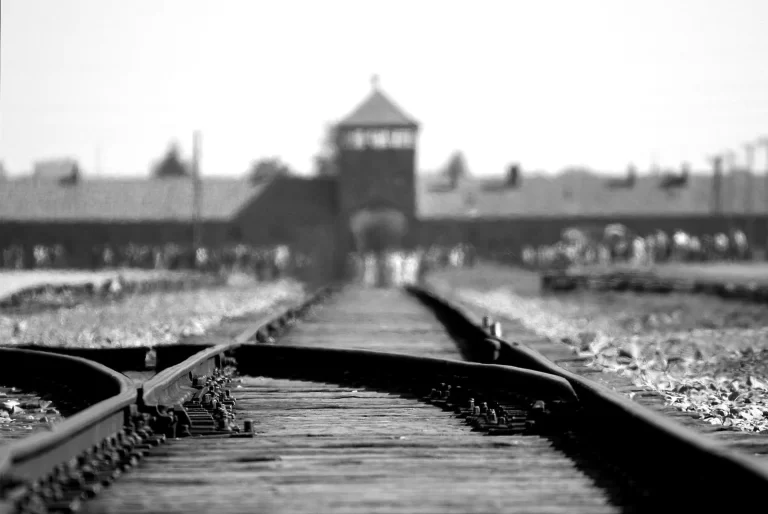
If a first winter trip is on the table, the 3-day history-first itinerary including Auschwitz works well adapted for the season — most of that route holds up regardless of weather.
The Old Town in Winter, Practically
| Aspect | Winter Reality |
|---|---|
| Crowds | Significantly thinner than summer, except around the Christmas Market period |
| Walking conditions | Cobblestones can be slick with ice — proper footwear matters |
| Daylight | Sunset as early as 3:30-4pm in December |
| Outdoor cafés | Mostly closed or reduced; indoor seating is the norm |
| Photography | Some of the best light and least crowded shots of the year |
The Christmas Market Window
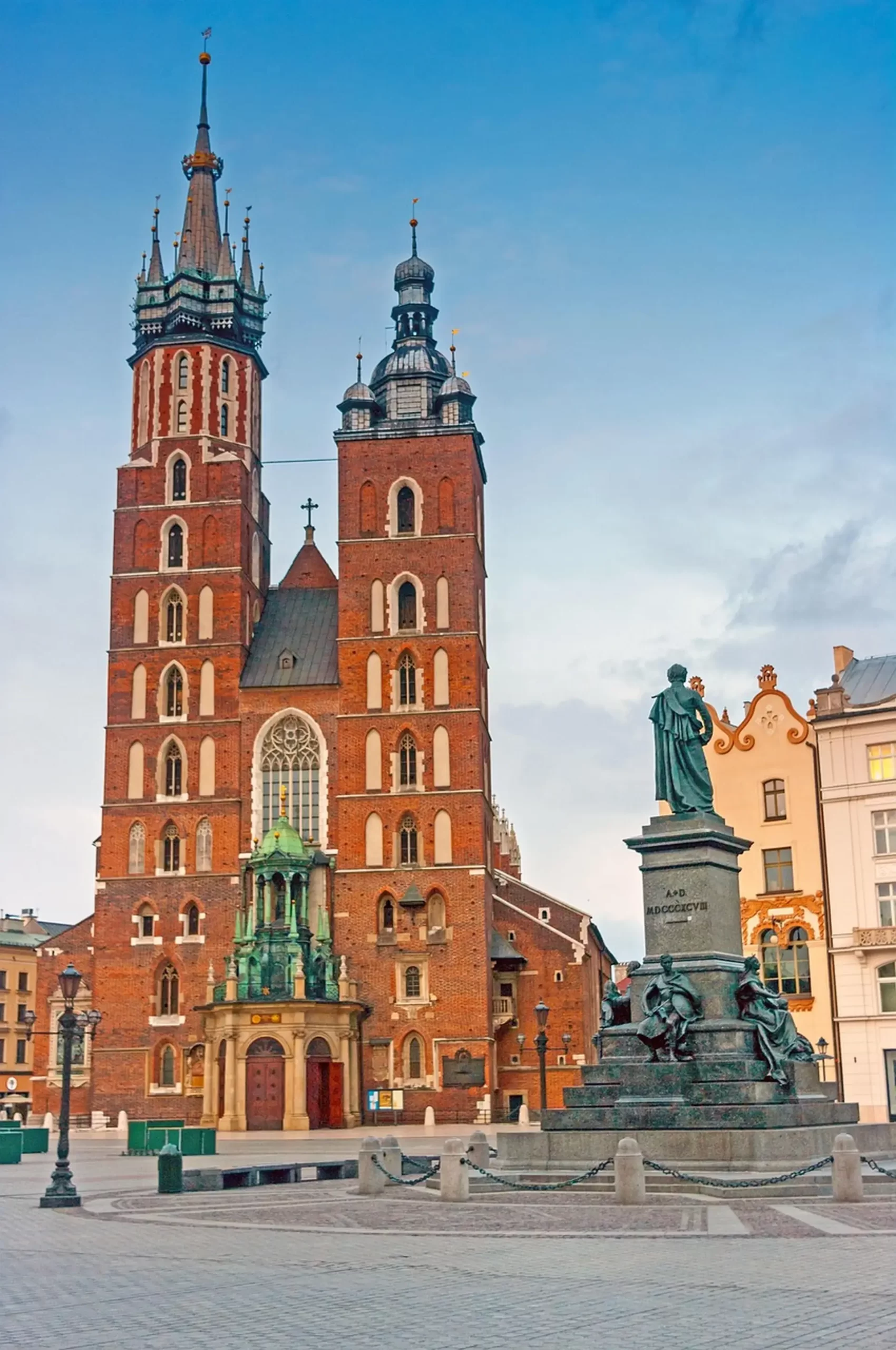
Late November through late December brings Krakow’s Christmas Market to the Main Square, which meaningfully changes the winter equation — more visitors, festive stalls, and a warmer atmosphere despite the cold. Outside this specific window, January and February are considerably quieter, both in terms of crowds and in the general mood of the Old Town.
Snow and Ice: What to Actually Wear
Krakow’s Old Town cobblestones get genuinely slick in freezing conditions, more so than a typical paved city street. Proper winter boots with real tread matter more here than in most European winter destinations — smooth-soled boots that work fine in a drier cold climate can be a real liability on icy Krakow stone.
What Stays Open, What Doesn’t
Wawel Castle’s exterior, Cathedral, and courtyard stay open through winter, though some interior sections may run shorter hours. An Auschwitz-Birkenau guided tour operates year-round but is largely outdoors, so winter visits are considerably colder and more exposed than summer ones — dress in real layers. The Wieliczka Salt Mine stays a constant cool temperature underground regardless of the weather outside, making it a genuinely weather-proof excursion choice for a winter trip.
Why Some Visitors Prefer Winter
Winter’s appeal isn’t for everyone, but for photographers and visitors who dislike crowds, it’s a legitimate argument for the season. Snow on Wawel Hill, quiet streets in Kazimierz, and none of the queue times that define a July visit to the Main Square. The trade-off is shorter days, colder temperatures, and some outdoor experiences feeling less comfortable.
Month-by-Month Winter Breakdown
December brings the coldest combination of Christmas Market crowds and genuinely festive atmosphere, with average temperatures typically hovering just around or below freezing. January is usually the coldest month outright, with the thinnest crowds of the entire year outside the market period. February starts to show the first hints of thaw by its later weeks, though it remains firmly winter throughout.
Snow itself is unpredictable rather than guaranteed — some winters bring heavy, photogenic snowfall through December and January, while others stay largely grey and snow-free with only occasional light dustings. There’s no reliable way to plan a trip specifically around snow, so it’s better treated as a possible bonus than a guarantee.
How Locals Actually Handle Winter
Locals layer heavily and treat the cold as routine rather than remarkable — thermal base layers, a proper wool or down coat, and waterproof boots are standard rather than optional for anyone spending real time outdoors in a Krakow January. Visitors who underestimate the cold, particularly the damp cold that settles into the Old Town’s stone streets, tend to cut outdoor time short more than they’d planned.
Krakow locals also shift their café habits noticeably in winter, favoring smaller, warmer spots tucked into side streets over the Main Square’s more exposed outdoor seating, which mostly closes for the season anyway.
Indoor Alternatives for Cold Days
A winter itinerary benefits from having more indoor options built in than a summer one would need. The Rynek Underground Museum beneath the Main Square, Wawel’s Cathedral and State Rooms, Schindler’s Factory, and the various museums throughout Kazimierz all give genuine sightseeing value without extended outdoor exposure — useful for the coldest or wettest days of a winter trip.
Getting Around in Winter Conditions
Trams and buses run on their normal schedules through winter and are generally more comfortable than walking on especially cold or icy days. Taxi and rideshare availability doesn’t meaningfully change by season, though demand can spike briefly around the Christmas Market’s busiest evenings in December.
Photography in Snow
Winter light in Krakow tends to be softer and lower in the sky than summer’s harsher midday sun, which flatters the Old Town’s stone architecture in a way many photographers specifically travel for. A fresh, undisturbed snowfall on the Main Square before the day’s foot traffic builds up is one of the more sought-after shots among repeat visitors, though timing it requires some luck with weather and an early start.
The Cloth Hall’s arcades and Wawel Hill both photograph particularly well with a dusting of snow, offering compositions that simply aren’t available the rest of the year.
Booking and Pricing in Winter
Accommodation and tour prices generally drop outside the Christmas Market window, making January and February the most budget-friendly time to visit Krakow overall. Same-day or next-day availability for most tours and interior tickets is far more realistic in winter than in peak summer, though it’s still worth booking Auschwitz-Birkenau a few days ahead as a matter of habit rather than necessity.
Combining Winter with a Day Trip
Zakopane in winter shifts from a summer hiking destination to a genuine ski and snow-sports region, which changes the character of that excursion significantly depending on the season. If skiing isn’t the goal, the cable car and thermal baths both still operate, though conditions and visibility can vary more than in summer.
A Realistic One-Day Winter Route
Start later than a summer itinerary would — sunrise comes late and the coldest hours are the early morning ones. Late morning through the Main Square and Cloth Hall, a warm lunch indoors, Wawel Castle and Cathedral in the early afternoon while there’s still daylight, and an evening in a Kazimierz café or restaurant once the temperature drops further after dark.
Build in more indoor buffer time than you’d plan for a summer day — cold slows everyone down, and warming up periodically in a café or museum keeps a winter day from feeling like an endurance exercise rather than a pleasant visit.
None of this makes winter the objectively best time to visit Krakow — summer and shoulder season both have real advantages the cold months can’t match. But for a visitor prioritizing atmosphere, photography, and thin crowds over comfort and long daylight hours, Krakow in winter offers something the rest of the year simply doesn’t.
Pack accordingly, book what needs booking, and treat the cold as part of the experience rather than an obstacle to work around.
A winter visit rewards travelers willing to trade some comfort for a version of Krakow that feels distinctly its own, rather than shared with the crowds that define the warmer months.
Check the forecast a few days out and adjust footwear and layers accordingly rather than assuming any single winter packing list covers every possible condition.
What to Read Next
- Krakow Itinerary and Trip Planning: How Many Days and When to Go
- Krakow in 3 Days: A History-First Itinerary Including Auschwitz
Frequently Asked Questions
Is Krakow worth visiting in winter?
Yes — snow transforms the Old Town and Main Square, crowds thin significantly outside the Christmas Market window, and it offers some of the best photography light of the year.
How cold does Krakow get in winter?
Temperatures regularly drop below freezing, particularly overnight, from December through February.
Are Krakow’s cobblestones dangerous in winter?
They can get genuinely icy — proper winter boots with real tread are worth packing rather than relying on regular walking shoes.
What stays open in Krakow during winter?
Wawel Castle’s exterior and Cathedral, Auschwitz-Birkenau, and the Wieliczka Salt Mine (a constant cool temperature underground) all operate year-round.
When is Krakow’s Christmas Market?
It typically runs from late November through late December on the Main Market Square.
Krakow in winter trades warmth and long days for snow-dusted rooftops, thin crowds, and a version of the Old Town most summer visitors never see — worth it for the right kind of traveler, less so for anyone who prioritizes comfort over atmosphere.
Plan your visit: Google Maps