Krakow Itinerary and Trip Planning: How Many Days and When to Go
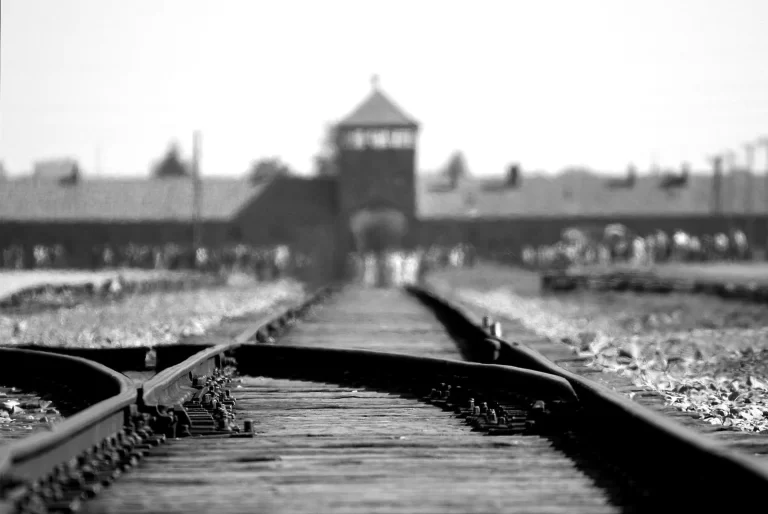
Krakow itinerary and trip planning breaks down when every part of the trip is treated as equally interchangeable — as if an extra hour in the Old Town and an extra hour at Auschwitz-Birkenau cost the same thing. They don’t. The city holds centuries of medieval history and one of the heaviest sites in modern memory within a forty-minute drive of each other, and the itineraries that work are the ones that plan around that difference deliberately rather than by accident.
This guide covers how many days to actually budget, what belongs in every itinerary regardless of length, when to visit, and the mistakes that most commonly wreck an otherwise well-planned trip.
How Many Days Do You Actually Need?
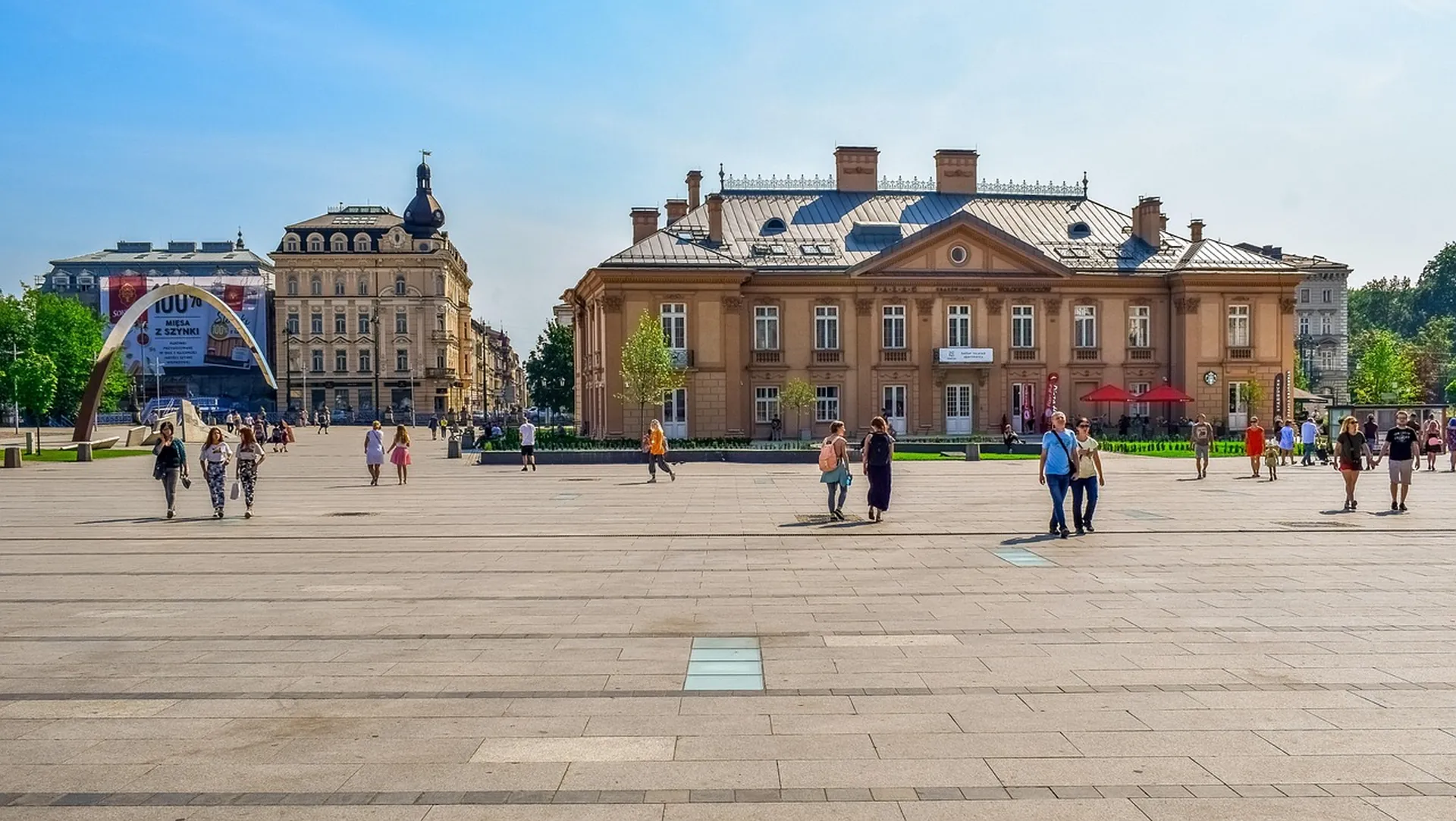
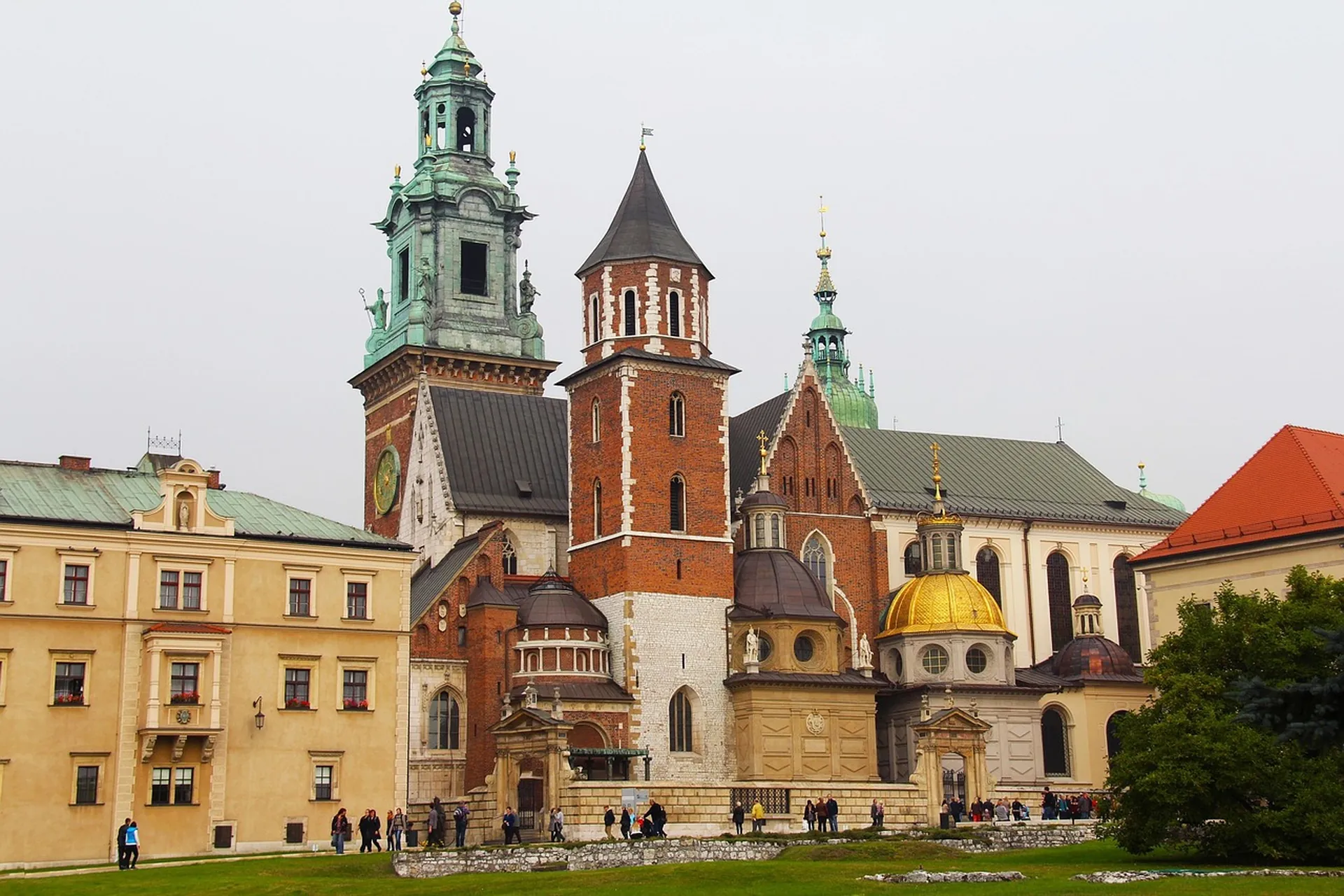
One day is enough to see the Old Town and Wawel Castle at a reasonable pace, but it forces a choice: either skip Auschwitz entirely or turn the day into a rushed sprint between two experiences that both deserve more room. Two days allows the Old Town properly plus one major day trip — usually Auschwitz or Wieliczka, not both. Three days is where a Krakow trip starts to feel complete: Old Town and Kazimierz, Auschwitz-Birkenau with room to sit with it afterward, and either Wieliczka or a slower second day in the city itself.
Four to five days adds genuine flexibility — Zakopane or Nowa Huta, a proper food-focused evening, time to revisit the Main Square at a different hour. Beyond five days, most travellers are better served slowing down within Krakow than adding more day trips, since the region’s major sites are largely covered by day four.
| Trip Length | Realistic Scope | What to Skip |
|---|---|---|
| 1 day | Old Town and Wawel only | Auschwitz — do not rush it into a layover |
| 2 days | Old Town plus one day trip (Auschwitz or Wieliczka) | The second day trip; pick one |
| 3 days | Old Town, Kazimierz, Auschwitz with recovery time, plus Wieliczka or a slower day | Zakopane — it needs its own day |
| 4-5 days | Everything above plus Zakopane or Nowa Huta and a food-focused evening | Little — this is close to the full regional scope |
The mistake most itineraries make isn’t choosing too few days — it’s allocating the days evenly regardless of what each one holds. A day built around Auschwitz-Birkenau and a day built around the Cloth Hall are not interchangeable units of time, and treating them as such is what leads to itineraries that look complete on paper but feel rushed or oddly paced in practice.
What Belongs in Every Krakow Itinerary
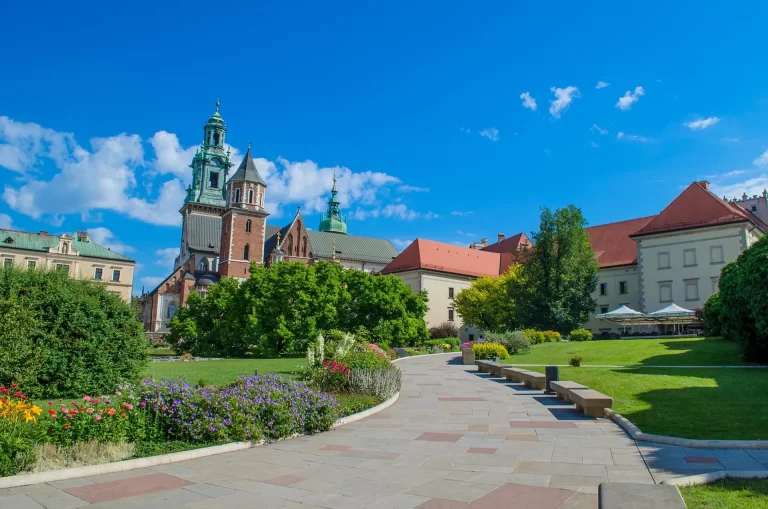
Regardless of trip length, three things anchor almost every well-planned Krakow visit: the Old Town and Wawel Castle for the city’s medieval core, Kazimierz for Jewish heritage and the more textured, lived-in side of Krakow, and a visit to Auschwitz-Birkenau for travellers who want the trip to include its full historical weight rather than only its architecture. Wieliczka Salt Mine and Zakopane are strong additions once the core three are covered, not substitutes for them.
Locals notice the difference between an itinerary built from a list of landmarks and one built around how the city is actually lived in — Kazimierz on a weekday morning, before the tour groups arrive, looks and feels like a different neighbourhood than it does by mid-afternoon.
When to Visit: Season by Season
June through August brings the warmest weather and the longest days, but also the largest crowds and the tightest booking windows for Auschwitz and other timed-entry sites — this is the season where advance booking stops being optional. Winter (November through February) is quieter and often atmospheric, particularly with the Christmas markets in December, but daylight is short and some day trips run reduced schedules. April, May, September, and October are the strongest overall balance: manageable crowds, moderate weather, and full opening hours across most sites.
Whatever the season, Auschwitz-Birkenau tickets should be booked as early as your travel dates allow — this is true in July as much as it is in January, since popular time slots move fast regardless of season.
December carries its own particular calculation: the Christmas markets on the Main Square are genuinely worth planning around, but the shortest days of the year mean sites close earlier and outdoor time at Birkenau is markedly colder than the Krakow forecast alone suggests. Layering for that specific exposure matters more in December than any other month.
Building a Three-Day, History-First Itinerary
For travellers who want history to shape the trip rather than sit alongside it, a three-day structure works well: day one in the Old Town and Kazimierz, absorbing the city’s layers before the heavier material arrives; day two dedicated entirely to Auschwitz-Birkenau, with nothing scheduled immediately after it; day three at Wawel Castle and, time permitting, Wieliczka Salt Mine. Sequencing Auschwitz on day two rather than day one or three matters more than it seems — it gives a full day of context beforehand and a full day to recover afterward, rather than starting or ending the trip on its heaviest note.
First-Time vs Second-Time Visitors
First-time visitors are usually best served by the core three (Old Town, Kazimierz, Auschwitz) plus one day trip, rather than trying to cover everything the region offers in a single visit. Second-time visitors, who’ve already covered the essentials, get more out of going deeper — Nowa Huta’s Cold War history, a proper food tour, or revisiting Auschwitz’s free self-guided pass with the context a first guided visit already provided. Trying to repeat the exact same itinerary on a second trip tends to produce diminishing returns compared to branching into what was skipped the first time.
It is worth being honest that a second Krakow trip rarely needs the same urgency the first one did. Without the pressure to see everything once, second-time visitors often report enjoying the city more — lingering over a milk bar lunch, revisiting a favourite café, or simply walking without a fixed destination for an afternoon.
Common Itinerary Mistakes to Avoid
The most frequent planning mistake is treating Auschwitz as a half-day add-on rather than the anchor it actually needs to be — the visit alone runs six to seven hours door to door from Krakow, and scheduling anything demanding immediately before or after it rarely goes well. A close second is over-scheduling: trying to fit Auschwitz, Wieliczka, and a full Old Town day into 48 hours leaves no real time to absorb any of it properly. A third is booking accommodation before checking Auschwitz availability — since tickets can sell out weeks ahead in peak season, it is worth confirming that date before locking in anything else.
A less obvious mistake is under-budgeting time for Kazimierz, which visitors often treat as a quick add-on to the Old Town rather than a district that rewards a genuinely unhurried afternoon. Rushing through it to fit in one more stop tends to be one of the more regretted shortcuts travellers report after the fact.
Booking Timeline: What to Reserve and When
Auschwitz-Birkenau should be the first thing booked once travel dates are fixed, since guided tour slots for summer weekends can sell out four to six weeks ahead and the free self-guided pass has an even smaller daily allocation. Wieliczka Salt Mine and Wawel Castle rarely sell out but benefit from booking a few days ahead in peak season to avoid queueing. Restaurant reservations for anything beyond a casual meal are worth making a week or so out in summer; accommodation in the Old Town and Kazimierz should be locked in as early as the budget allows, since the best-located options move fastest.
A reasonable order: confirm Auschwitz first, then accommodation, then everything else. Booking accommodation before checking Auschwitz availability is one of the more common ways an otherwise well-planned trip runs into trouble.
Sequencing a Longer Trip (6-7 Days)
Beyond five days, the most useful additions are usually a second, slower look at the Old Town at a different time of day, a proper food-focused evening or cooking class, and one of the less-visited day trips — Ojców National Park or Częstochowa, rather than a repeat of Zakopane or Wieliczka. A week in Krakow works best when it alternates: a demanding day (Auschwitz, Nowa Huta) followed by a lighter one (Kazimierz cafés, the Cloth Hall, an evening river cruise), rather than stacking several heavy days back to back.
Planning a Krakow Itinerary with Children
Families should budget more transition time between stops than a typical adult itinerary allows, and should know before booking that guided Auschwitz tours do not admit children under fourteen. For families with younger children, the Old Town, Wawel, and a relaxed Kazimierz afternoon make a full and worthwhile trip on their own, with Wieliczka Salt Mine’s underground chambers usually a highlight rather than a chore. Auschwitz is better suited to older teenagers who can process the material with some preparation beforehand.
Which Day Trip Is Worth Your Extra Day
Wieliczka Salt Mine is the easiest addition — close, roughly two hours underground, and straightforward to combine with a half-day in the city on either side. Zakopane needs a full day of its own given the drive, and rewards travellers who want mountain scenery and a genuinely different pace from the rest of the trip. Nowa Huta is the shortest of the three and works well as a half-day rather than a full one, particularly for travellers with a specific interest in Cold War history rather than a general itinerary slot to fill. For a single extra day, Wieliczka is the safest choice; for a longer trip, all three earn their place.
Once you’ve settled on which day trip fits, it’s worth checking real-time availability rather than assuming a slot will be open — see current options for the Wieliczka Salt Mine tour with fast-track ticket here, or check the Zakopane cable car and thermal baths tour here if the mountains are the better fit for your extra day.
Pacing a Day Realistically
Krakow itineraries commonly underestimate how much a single heavy site consumes — not just its opening hours, but the time before and after it that doesn’t work well for anything demanding. A day with Auschwitz in the morning is not a day with a free afternoon for the Cloth Hall and a rooftop bar; it is, realistically, a day for a quiet walk and an early dinner. Building meals, rest, and unstructured time into the schedule as deliberately as the sites themselves tends to produce a trip that feels considered rather than simply full.
Krakow locals rarely try to do more than one significant thing in a day, and visiting itineraries tend to work better when they borrow that instinct rather than fight it.
Getting Around While You Plan
The Old Town, Wawel, and Kazimierz are all comfortably walkable from most central accommodation, which simplifies itinerary planning considerably — little to no transit time needs to be budgeted between the city’s core sights. Day trips are a different calculation: Auschwitz, Wieliczka, and Zakopane all involve meaningful travel time (forty minutes, thirty minutes, and roughly two hours respectively), and that travel time should be treated as part of the day’s schedule, not a gap before the “real” activity starts.
Budgeting for the Trip
Krakow remains inexpensive relative to Western Europe, but itinerary length has a direct effect on total cost through day-trip fees, transport, and accommodation nights rather than daily spending alone — a three-day trip with Auschwitz and Wieliczka included runs meaningfully more than a two-day city-only visit, mostly from the two guided day trips rather than food or lodging. Building a rough day-by-day cost estimate alongside the itinerary, rather than after it, makes it easier to decide where an extra day is worth adding and where it isn’t.
A Realistic Sample Itinerary
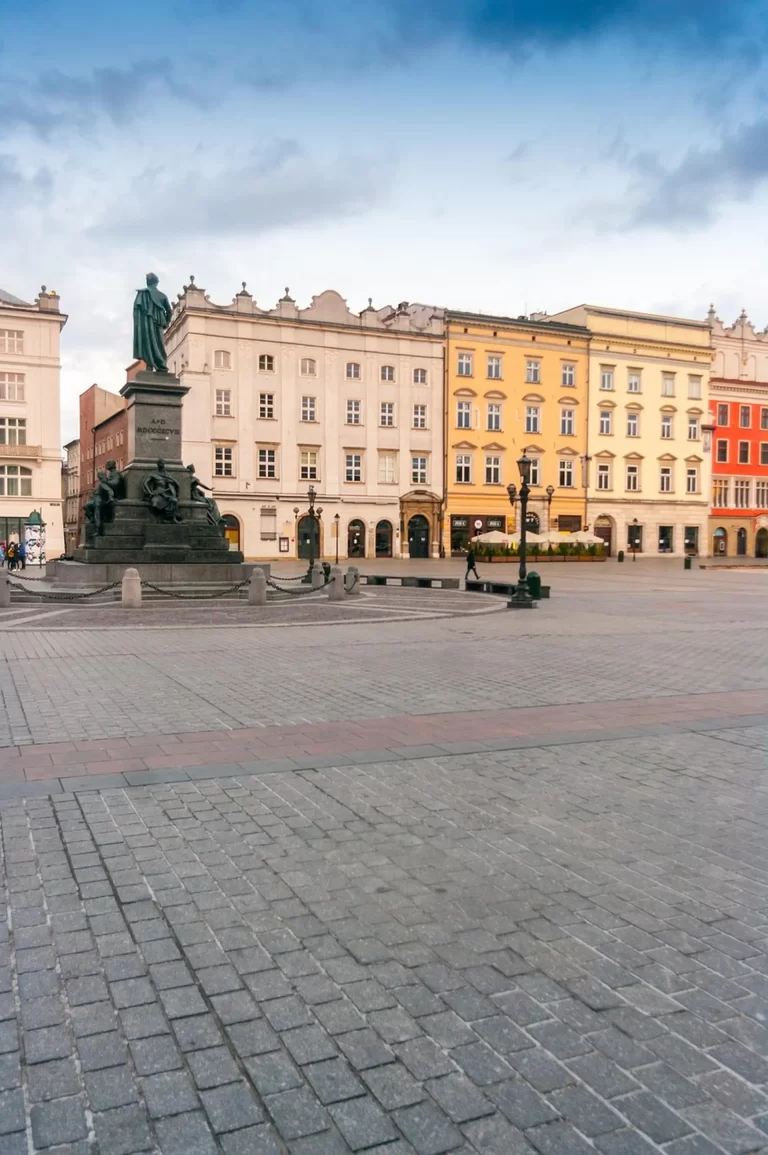
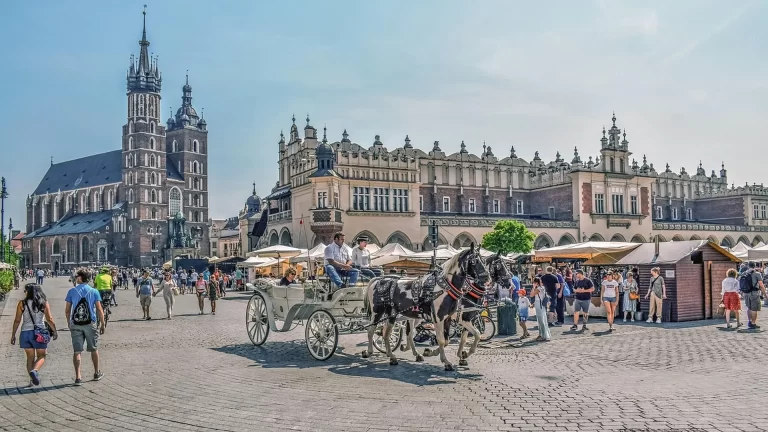
For a typical first three-day trip: day one covers the Main Square, Cloth Hall, St. Mary’s Basilica, and an afternoon in Kazimierz, ending with an early dinner rather than a late one to leave energy for the next day. Day two is Auschwitz-Birkenau start to finish, with nothing else scheduled. Day three opens with Wawel Castle and Cathedral in the morning, when the crowds are thinnest, followed by either Wieliczka Salt Mine in the afternoon or a slower final walk through the Old Town if the pace of the previous two days has been demanding. This structure isn’t the only way to build a Krakow itinerary, but it reflects the sequencing principle that matters most: heavy before light, structured before flexible, and never two demanding experiences back to back.
What to Read Next
Deeper guides on each part of this itinerary are being published as part of this pillar — links will be added here as each goes live.
- Krakow in 3 Days: A History-First Itinerary Including Auschwitz
- Krakow in 2 Days Without Rushing: What to Cut and What to Keep
- Krakow in 4 Days: Fitting in the Salt Mine, Auschwitz and Kazimierz
- 5 Days in Krakow: Adding Zakopane and Nowa Huta to the Classic Route
- One Day in Krakow: An Honest Plan for a Layover or Short Stop
- Krakow Itinerary for Second-Time Visitors: Beyond the Old Town
- Best Time to Visit Krakow: A Month-by-Month Weather and Crowd Guide
- Krakow in Winter: What Snow Does to the Main Square and the Old Town
- Krakow in December: The Christmas Market, Opening Hours and the Cold
- Krakow in Summer: Heat, Crowds and What You Must Book in Advance
- Krakow in Spring and Autumn: Why Marta Thinks the Shoulder Season Wins
- Cheapest Time to Visit Krakow: When Prices and Crowds Both Drop
- How Many Days in Krakow Is Enough? An Honest Answer by Traveller Type
Frequently Asked Questions
How many days do I need in Krakow?
Three days is where most itineraries start to feel complete — enough for the Old Town, Kazimierz, and Auschwitz-Birkenau with room to sit with it afterward. Two days works if you pick one day trip; one day should skip Auschwitz entirely rather than rush it.
What is the best time of year to visit Krakow?
April, May, September, and October offer the strongest balance of weather, crowds, and full opening hours. Summer is warmest but requires earlier booking for Auschwitz and other timed-entry sites; winter is quieter with shorter days.
Should Auschwitz be on day one, two, or three of a trip?
Scheduling it mid-trip, with a full day of context beforehand and a full day to recover afterward, tends to work better than placing it at the very start or end of a short visit.
Can I fit Auschwitz and Wieliczka Salt Mine into the same day?
It is possible but rarely advisable — both experiences ask different things of you, and compressing them into one day leaves neither the room it needs. Two separate days, or at least a rest day between them, works better.
Is three days enough to see Krakow properly?
For most travellers, yes. Three days covers the Old Town, Kazimierz, and Auschwitz-Birkenau with reasonable pacing. Four to five days adds flexibility for Zakopane, Nowa Huta, or a slower second look at the city.
What should first-time visitors prioritise?
The Old Town, Kazimierz, and Auschwitz-Birkenau form the core of almost every well-planned first visit. Wieliczka Salt Mine and Zakopane are strong additions once those three are covered, not replacements for them.
The itineraries that work best in Krakow are rarely the most ambitious ones. They are the ones that give the city’s heaviest history room to be its own day, rather than a stop squeezed between two lighter ones — and that single decision tends to shape how well the rest of the trip comes together.
Plan your visit: Google Maps