Krakow in Spring and Autumn: Why Marta Thinks the Shoulder Season Wins
Spring and autumn in Krakow consistently outperform both the peak summer crush and the depths of winter, and Marta genuinely believes these shoulder-season months deserve more attention than they get. Mild weather, thinner crowds, and full access to everything the city offers — the case for shoulder season is a strong one. For building either season into a fuller trip, the complete Krakow itinerary and trip planning guide covers every month and length.
Why Shoulder Season Wins
April through May and September through October split the difference between summer’s heat and crowds and winter’s cold and short days. Daylight is long enough for a full sightseeing day, temperatures suit extended walking without discomfort, and prices sit comfortably below peak-summer rates. If a shoulder-season trip is on the table, the 3-day history-first itinerary including Auschwitz works especially well booked for either window.
Spring vs Autumn: The Real Differences
| Factor | Spring (April-May) | Autumn (September-October) |
|---|---|---|
| Weather | Warming, occasional rain | Cooling, generally more stable |
| Crowds | Building toward summer | Thinning from summer peak |
| Prices | Moderate, rising toward June | Moderate, dropping through October |
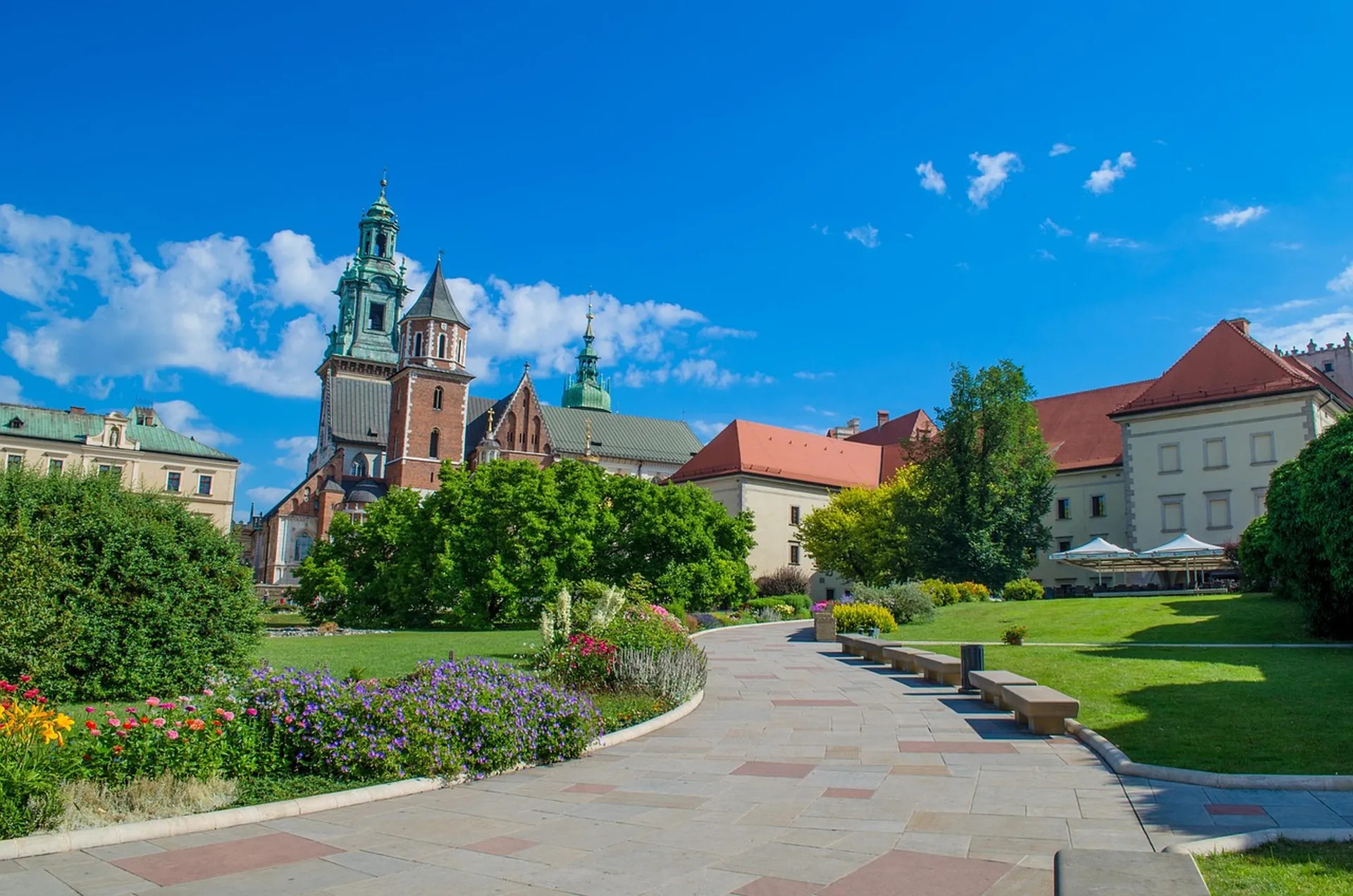
| Visual character | Fresh greenery in Planty park | Autumn color, golden light |
| Daylight | Lengthening toward summer | Shortening toward winter |
Neither season is objectively better — autumn tends to have slightly more stable, predictable weather, while spring offers the psychological lift of a city coming out of winter. Marta leans slightly toward September specifically, for reasons covered below.
Why September Specifically
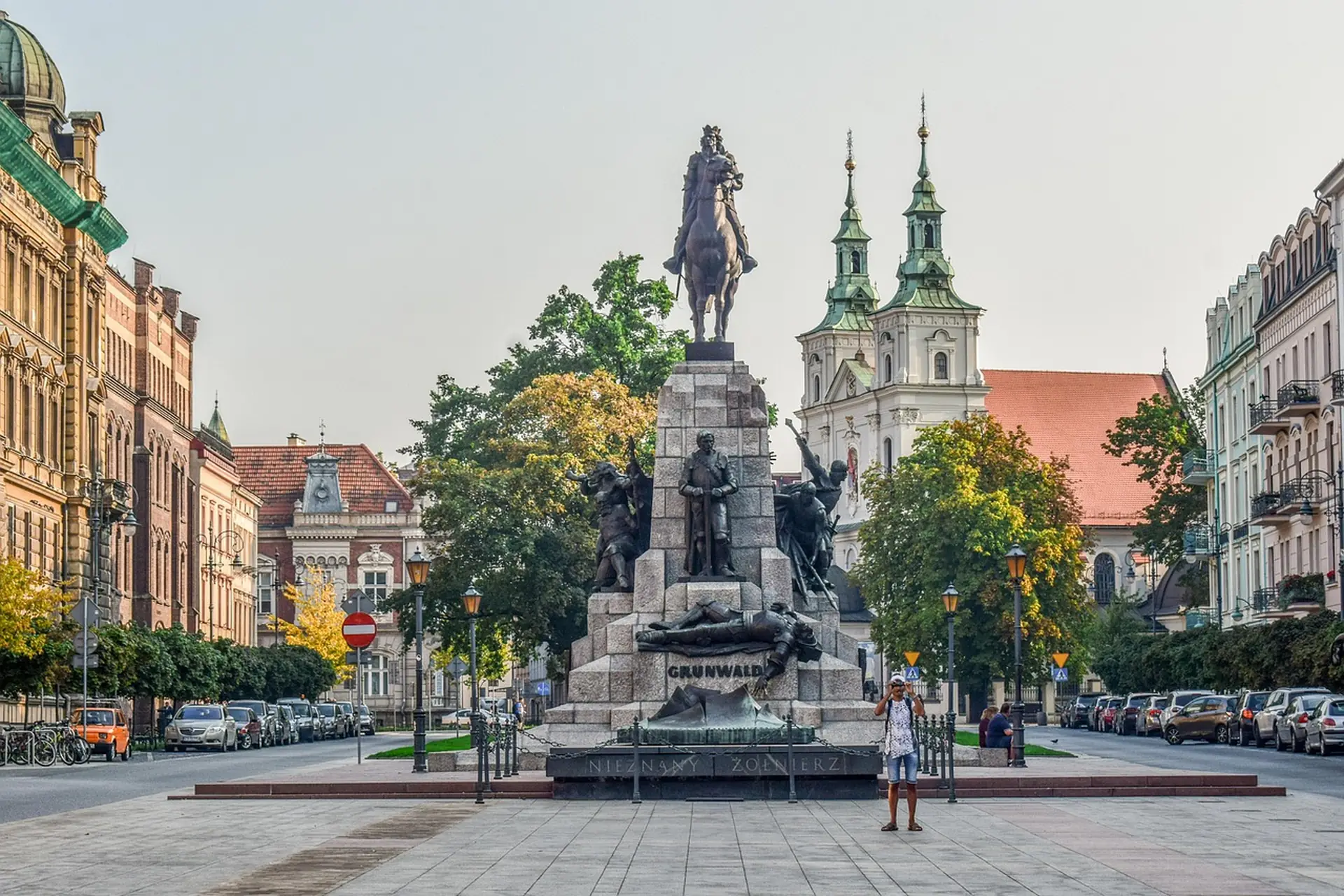
September combines the tail end of summer’s long daylight with a meaningful drop in both temperature and crowd levels compared to August. School holidays across most of Europe have ended, tour groups thin out noticeably, and the weather typically remains warm enough for comfortable outdoor sightseeing well into the month.
What Shoulder Season Is Best For
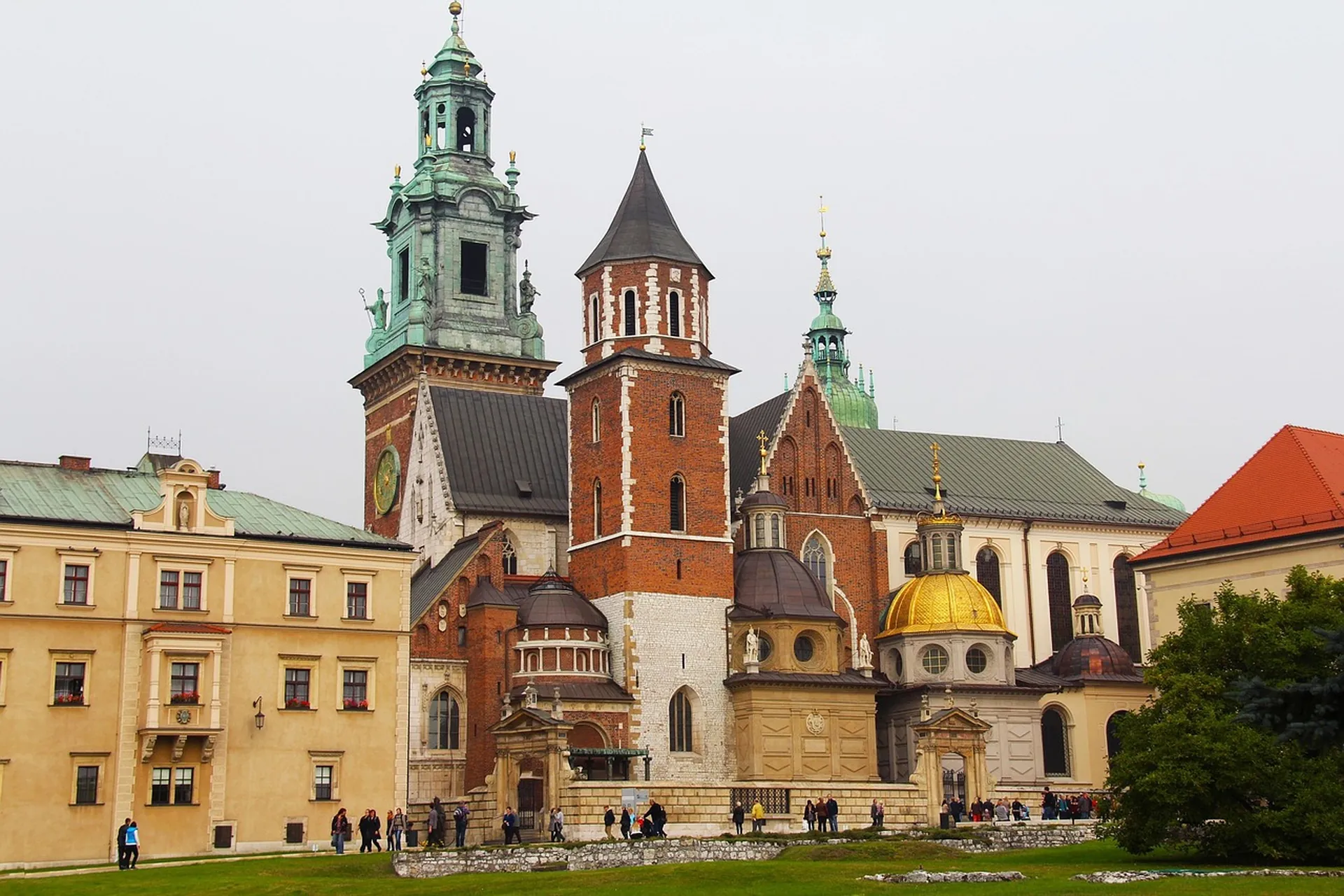
Both spring and autumn suit outdoor excursions well. A Zakopane day trip with cable car and thermal baths works particularly well in these windows, avoiding both summer’s heat and winter’s potential for closed trails. An Auschwitz-Birkenau guided tour also benefits from the milder outdoor conditions compared to a July visit.
What to Watch For
Shoulder season isn’t without its quirks. Late April can still carry a chill, and early May sometimes sees Easter-adjacent crowd spikes depending on the calendar year. October’s later weeks bring shorter daylight and a real chance of the first cold snap. Checking specific dates against the calendar rather than assuming a uniform “shoulder season” experience is worth the extra few minutes.
How Locals Experience Shoulder Season
Locals notice the shift in the city’s rhythm as soon as the summer tour groups thin out in September, or before they build up in April — cafés feel less rushed, the Main Square is walkable rather than something to navigate around, and service throughout the Old Town tends to slow down to a more genuinely local pace rather than the peak-season efficiency mode restaurants shift into for summer volume.
Krakow locals also tend to do more of their own sightseeing and errand-running through the Old Town during these months specifically, since the crowds that make July and August feel overwhelming for residents largely recede.
Booking Lead Time in Shoulder Season
Three to five days ahead is usually sufficient for Auschwitz-Birkenau, Wawel Castle interiors, and Zakopane day trips during spring and autumn — noticeably more relaxed than the week-plus lead time summer often demands, though still worth doing rather than assuming same-day availability, particularly for Auschwitz.
What to Pack for Shoulder Season
Layering matters more in spring and autumn than in either peak summer or deep winter, since a single day can swing from a chilly morning to a genuinely warm afternoon and back to a cool evening. A light jacket or sweater that can be added or removed through the day serves better than committing to either heavy winter gear or summer-only clothing.
Photography in Shoulder Season
Autumn’s golden light and the color change in Planty park offer a distinct visual character that neither summer nor winter can match, while spring’s fresh greenery against the Old Town’s stone architecture creates its own appeal. Both seasons also benefit from softer, lower-angle light than summer’s harsher midday sun.
Accommodation Value in Shoulder Season
Prices in April-May and September-October generally sit noticeably below peak summer rates while still offering full availability, unlike winter’s rock-bottom prices that come with genuinely cold, dark conditions. It’s arguably the best value window of the year — enough demand to keep restaurants and shops fully operating, but not so much that prices spike or availability tightens the way it does in July and August.
A Realistic Shoulder-Season Day
Unlike summer’s early-start, midday-break structure or winter’s compressed daylight hours, a shoulder-season day runs more conventionally — a reasonable 9 or 10am start, comfortable midday sightseeing without needing to retreat from heat, and enough daylight to fit a full day without rushing toward an early sunset. It’s the easiest season to plan around, simply because it doesn’t require working around any extreme.
Comparing Spring and Autumn Crowds
Early spring (April) generally sees thinner crowds than early autumn (September), since September still catches some of the tail end of the summer travel season across Europe. By contrast, late spring (May) and early autumn overlap in crowd levels more closely, both building toward or coming down from the summer peak respectively.
If minimizing crowds is the top priority, April edges out the shoulder-season options, though it comes with a slightly higher chance of unsettled weather than the more dependable September stretch.
Combining Shoulder Season with a Longer Trip
Both spring and autumn suit longer, more ambitious itineraries better than either summer or winter, since the comfortable walking weather and long-enough daylight support a fuller day without the physical toll of summer heat or winter cold. A 4 or 5-day trip built around either shoulder season tends to feel less exhausting by the final day than the same itinerary attempted in July.
The Case Against Shoulder Season
To be fair to the other seasons, shoulder season isn’t strictly better for everyone. Visitors specifically chasing the Christmas Market or snow photography need winter. Those with rigid school-holiday travel windows often have no real choice but summer. And a small number of visitors genuinely prefer the electric, event-filled energy of peak summer over shoulder season’s calmer pace. Marta’s preference is a strong recommendation for anyone with flexibility, not a claim that every other season is a mistake.
Choosing Between April, May, September, and October
If forced to rank the four shoulder-season months, September edges out the rest for its combination of warmth, stability, and thinning crowds. May follows closely, offering similarly pleasant conditions with slightly more unpredictable weather. October and April both work well but come with trade-offs — October’s shortening days and April’s lingering chill make them the more conditional choices of the four.
Whichever shoulder-season month ends up matching your travel window, the underlying logic holds across all four — mild enough weather for comfortable full days, thin enough crowds to actually enjoy the major sights, and prices reasonable enough that the trip doesn’t cost noticeably more than it needs to.
Book the season, then let the specific month follow whatever your calendar allows — the difference between a good April trip and a good October one is smaller than the difference between either and a peak-August visit.
Whichever window fits, expect an easier trip than summer’s crowds or winter’s cold would deliver, with comfortable weather doing most of the work for you.
Marta’s own recommendation, if only one season could be picked for a future visit, remains September.
What to Read Next
- Krakow Itinerary and Trip Planning: How Many Days and When to Go
- Krakow in 3 Days: A History-First Itinerary Including Auschwitz
Frequently Asked Questions
Is spring or autumn better to visit Krakow?
Both are strong choices — autumn tends to have slightly more stable weather, while spring offers fresh greenery and the lift of a city emerging from winter. September is often considered the single best month overall.
Why is shoulder season better than summer in Krakow?
Shoulder season offers similar daylight and comfortable temperatures with significantly thinner crowds and lower prices than peak summer.
What is the best month in shoulder season for Krakow?
September is frequently the standout choice, combining warm weather, thinning crowds, and full access to every sight and excursion.
Does it rain a lot in Krakow during spring?
Spring sees a moderate amount of rain, generally less predictable than autumn, though rarely enough to derail a well-planned trip.
Is October too late in the year to visit Krakow?
No — October remains comfortable for walking and sightseeing, though daylight hours shorten and the chance of an early cold snap increases toward the end of the month.
Spring and autumn won’t suit every traveler’s fixed schedule, but for anyone with flexibility, Marta’s case for shoulder season holds up consistently — mild weather, thinner crowds, and Krakow at its most comfortable to actually explore.
Plan your visit: Google Maps