Cheapest Time to Visit Krakow: When Prices and Crowds Both Drop
The cheapest time to visit Krakow is January and February, when accommodation prices, tour costs, and general demand all drop to their lowest point of the year alongside the thinnest crowds. This guide breaks down exactly how much prices shift by month and what the real trade-offs are for visiting on a budget. For building a budget trip into a full itinerary, the complete Krakow itinerary and trip planning guide covers every season and length.
The Cheapest Months, Ranked
| Month | Relative Cost | Trade-Off |
|---|---|---|
| January | Lowest | Coldest, shortest daylight |
| February | Very low | Still cold, starting to thaw by late month |
| November | Low | Grey, cold, quiet |
| March | Low-moderate | Unpredictable weather |
| October | Moderate | Comfortable weather, shortening days |
| April | Moderate | Mild but can still be cool |
| September | Moderate-high | Excellent weather, thinning crowds |
| May | High | Building toward peak season |
| June-August | Highest | Peak heat and peak crowds |
Why January and February Are Cheapest
Demand simply drops in the depths of winter — fewer visitors means hotels and guesthouses lower rates to fill rooms, and tour operators often run promotions to maintain bookings through the quietest stretch of the year. The 3-day history-first itinerary including Auschwitz works fine adapted for winter, and the cost savings on accommodation alone can be substantial compared to a summer trip.
What Doesn’t Get Cheaper
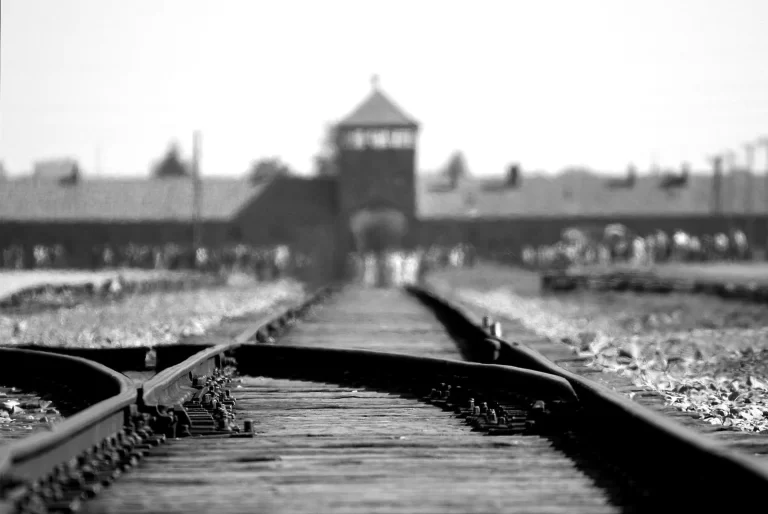
Some costs stay relatively fixed regardless of season. An Auschwitz-Birkenau guided tour and the Wieliczka Salt Mine don’t see dramatic seasonal price swings the way accommodation does — both are priced fairly consistently year-round, though winter’s thinner demand occasionally means better availability rather than lower prices outright.
The Real Trade-Off of Cheap Season
January and February bring genuinely cold temperatures, often below freezing, and the shortest daylight hours of the year — sunset as early as 3:30-4pm. Some outdoor cafés close for the season, and a handful of attractions run reduced hours. The savings are real, but so is the reduced comfort of sightseeing in the cold with limited daylight.
A Middle-Ground Option
March and November offer a partial version of winter’s savings without quite as extreme a cold or as short a daylight window. Neither is objectively cheap in the way January is, but both sit meaningfully below the shoulder-season and summer price points while avoiding winter’s harshest conditions.
Where the Savings Actually Come From
Accommodation drives the largest single swing in cost between cheap and peak season — a room that runs a premium rate in July can drop 30-50% in January for the same standard. Food and transit costs stay far more stable across the year, since locals eat at the same restaurants and use the same trams regardless of season, and prices there track local costs rather than tourist demand.
Flights also fluctuate seasonally, often more dramatically than hotel rates, so it’s worth checking flight pricing across a few candidate months rather than assuming the cheapest ground costs automatically mean the cheapest total trip.
How Locals Think About Off-Season Value
Locals generally view January and February as the year’s quietest, most livable stretch in the Old Town — restaurants have tables available without reservations, and service isn’t stretched thin the way it is during peak season. Visitors who come specifically for the budget savings often report this same quieter, more relaxed atmosphere as an unexpected bonus rather than just a cost trade-off.
Budget Trip Structure
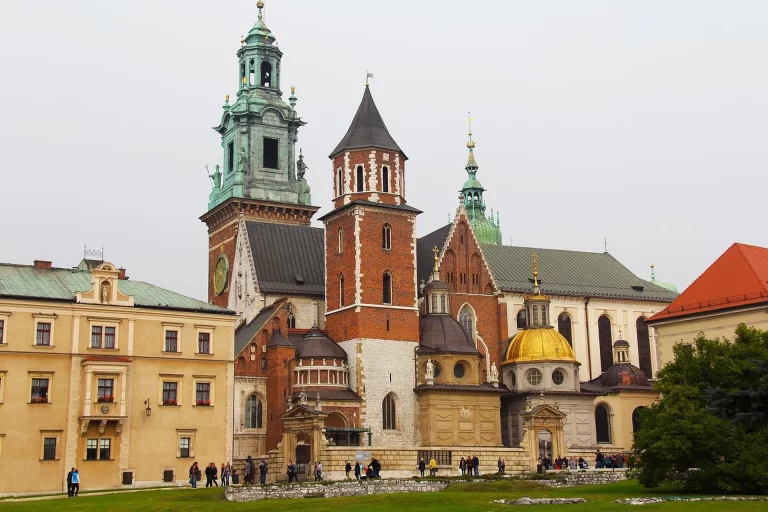
A budget-focused Krakow trip built around January or February works well with three to four days: enough to cover the Old Town, Wawel, and one major excursion without needing extra days that add cold-weather fatigue. Pairing the cheap season with a shorter trip length compounds the savings, rather than stretching a longer trip across the least comfortable weeks of the year.
Cheap Season and the Christmas Market
It’s worth noting that the very cheapest window — January through February — comes right after the Christmas Market period, which itself carries a moderate price premium in December. Waiting until the first week of January specifically avoids both the market’s crowds and its slightly elevated pricing, landing squarely in the year’s cheapest stretch.
Booking Ahead vs Waiting for Deals
Unlike some destinations where last-minute booking yields the best deals, Krakow’s cheapest-season pricing is largely baked in months ahead rather than requiring a gamble on late deals. Booking accommodation for a January or February trip a few months out typically gets you the same low rates as waiting, without the risk of availability tightening for the specific dates and neighborhood you want.
Tour pricing works similarly — Auschwitz-Birkenau and Wieliczka rarely run flash discounts, so there’s little practical benefit to delaying those bookings hoping for a lower price. Book them when convenient rather than strategically timing the purchase.
Comparing Cheap Season to Shoulder Season Value
It’s worth weighing whether the extra savings of deep winter over shoulder season (spring or autumn) are actually worth the trade-off in comfort. Shoulder season sits at a moderate price point with comfortable weather, while deep winter pushes prices lower still but adds real cold and short daylight. For many visitors, the marginal savings of January over, say, October don’t justify sacrificing entire hours of usable daylight each day.
The calculation shifts for longer trips or larger groups, where the accumulated savings across multiple rooms or nights become more significant — in those cases, the winter trade-off is more likely to be worth it financially.
Free and Low-Cost Activities Year-Round
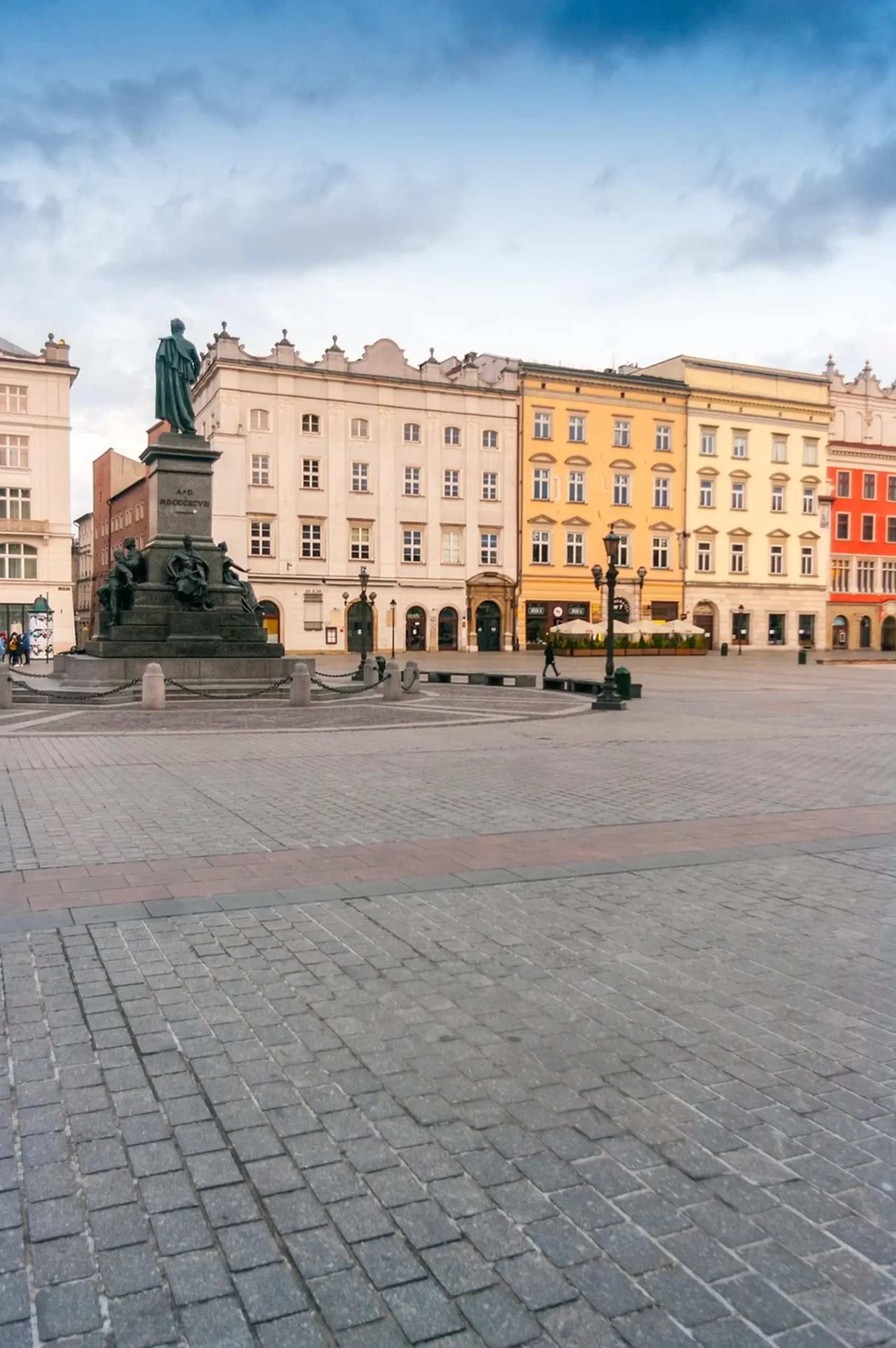
Regardless of season, a meaningful part of Krakow costs nothing — walking the Main Square, the Cloth Hall’s exterior, Planty park circling the Old Town, and much of Kazimierz’s street-level character are all free to experience. A budget trip in any season can lean more heavily on these no-cost elements and treat paid excursions like Auschwitz or Wieliczka as the trip’s primary planned expense.
A Realistic Daily Budget by Season
A budget-conscious traveler visiting in January or February can reasonably expect meaningfully lower daily costs than the same itinerary in July, driven almost entirely by accommodation rather than food, transit, or activities, which stay fairly consistent year-round. The gap narrows the more a trip leans on paid excursions, since those costs don’t shift much by season.
Neighborhood Choice and Cost
Staying slightly outside the immediate Old Town core — in parts of Kazimierz further from the main strip, or just beyond Planty park — tends to shave meaningful cost off accommodation in any season, cheap or peak, without sacrificing much in walkability. This effect compounds with off-season pricing rather than replacing it, so combining both strategies gets the lowest realistic cost.
When Cheap Season Isn’t Worth It
For visitors specifically drawn to outdoor sightseeing, café culture, or a livelier atmosphere, the discomfort of January’s cold and short days can outweigh the savings, even for a genuinely budget-conscious trip. In that case, targeting March, October, or November — cheaper than peak season without winter’s full harshness — is often the better compromise.
There’s no universally right answer here — it genuinely depends on how much the savings matter relative to comfort. For a traveler prioritizing budget above all else, January and February remain the clear answer. For anyone willing to spend a bit more for milder conditions, the shoulder-season months deliver most of the same value without asking as much of the visitor in return.
Either way, check accommodation and flight prices for your specific candidate dates before committing, since the general seasonal pattern doesn’t guarantee identical pricing every year.
Prices shift year to year with broader travel trends, so treat these seasonal patterns as a reliable general guide rather than an exact promise for any single trip.
A quick check a few weeks before booking is enough to confirm the pattern still holds for your specific trip.
What to Read Next
- Krakow Itinerary and Trip Planning: How Many Days and When to Go
- Krakow in 3 Days: A History-First Itinerary Including Auschwitz
Frequently Asked Questions
What is the cheapest month to visit Krakow?
January typically offers the lowest prices for accommodation and general costs, with February close behind.
Do Auschwitz and Wieliczka tours get cheaper in winter?
Not significantly — both are priced fairly consistently year-round, though winter’s thinner demand can mean better last-minute availability.
Is it worth visiting Krakow in the cheapest months?
It depends on priorities — January and February offer real savings and the thinnest crowds, but also the coldest weather and shortest daylight of the year.
Is March or November a good budget compromise?
Yes — both sit below shoulder-season and summer prices while avoiding the most extreme cold and shortest daylight of deep winter.
How much cheaper is winter than summer in Krakow?
Accommodation in particular can run significantly lower in January-February compared to June-August, often the largest single savings in a budget trip.
The cheapest time to visit Krakow is genuinely January and February, but the real decision is whether the savings are worth trading for cold and short days — March, October, and November offer a reasonable middle ground for anyone unwilling to go quite that far.
Plan your visit: Google Maps