Best Time to Visit Krakow: A Month-by-Month Weather and Crowd Guide
The best time to visit Krakow depends more on what you want from the trip than a single “best month” — May and September offer the strongest balance of weather and crowds, but winter and even the depths of summer have real advantages depending on your priorities. This guide breaks the year down month by month. For how to build an itinerary around whichever season you land on, the complete Krakow itinerary and trip planning guide covers every trip length.
The Short Answer
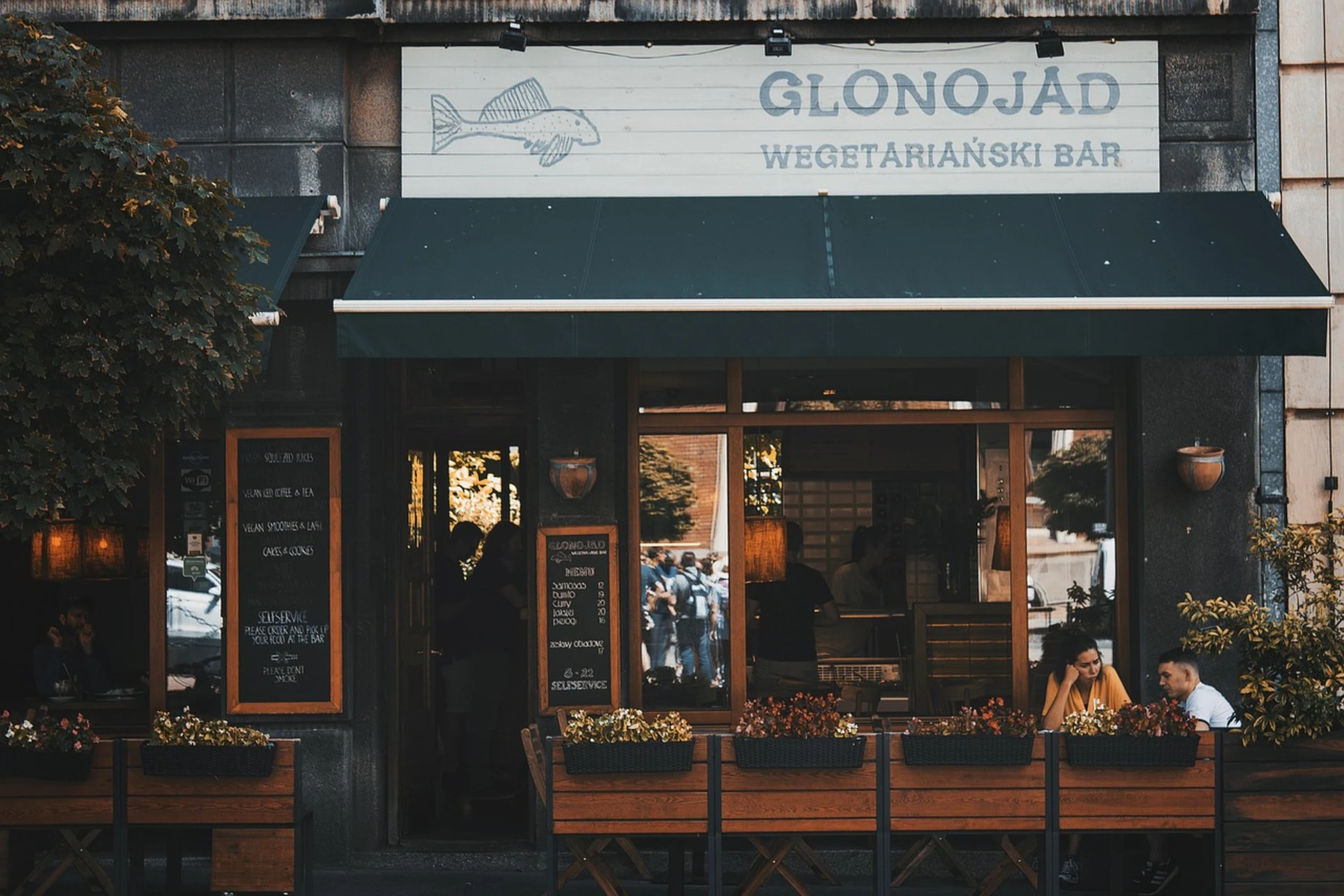
For most first-time visitors, late May or September hits the best balance — mild temperatures, manageable crowds, and every major sight and excursion operating on full schedules. If you’re planning around Auschwitz and Wieliczka specifically, the 3-day history-first itinerary including Auschwitz works well booked for either of these shoulder-season windows.
Month by Month
| Month | Weather | Crowds | Notes |
|---|---|---|---|
| January | Cold, often below freezing | Low | Quietest month, shortest daylight |
| February | Cold, occasional snow | Low | Still quiet, prices at their lowest |
| March | Cool, unpredictable | Low-moderate | Early spring, some sights still on winter hours |
| April | Mild, some rain | Moderate | Easter crowds possible |
| May | Warm, pleasant | Moderate-high | One of the best months overall |
| June | Warm to hot | High | School holidays begin, book ahead |
| July | Hot, occasional storms | Very high | Peak season, highest prices |
| August | Hot | Very high | Peak season continues |
| September | Warm, cooling | Moderate-high | Excellent balance, arguably the best month |
| October | Cool, colorful | Moderate | Good value, comfortable walking weather |
| November | Cold, grey | Low | Quiet, some indoor sights better suited |
| December | Cold, Christmas Market | Moderate-high | Festive but cold, book excursions ahead |
Why May and September Win
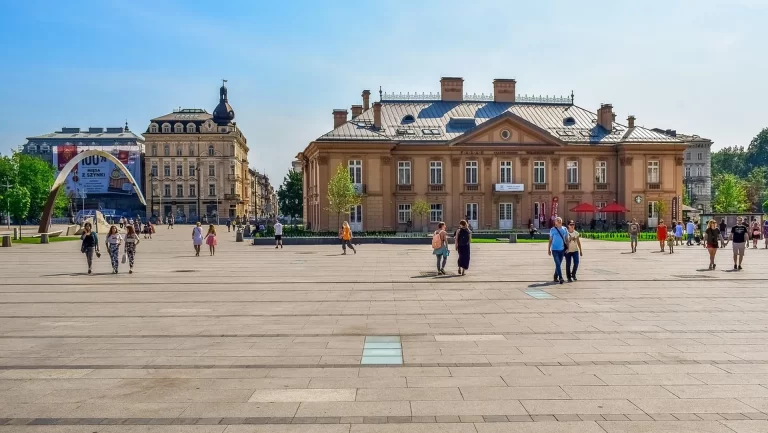
Both months split the difference between summer’s heat and crowds and winter’s cold and short days. Daylight is long enough for a full sightseeing day, outdoor excursions like Zakopane are at their most comfortable, and the Old Town’s outdoor cafés and squares are genuinely pleasant to sit in rather than something to endure.
Summer: Worth It Despite the Crowds
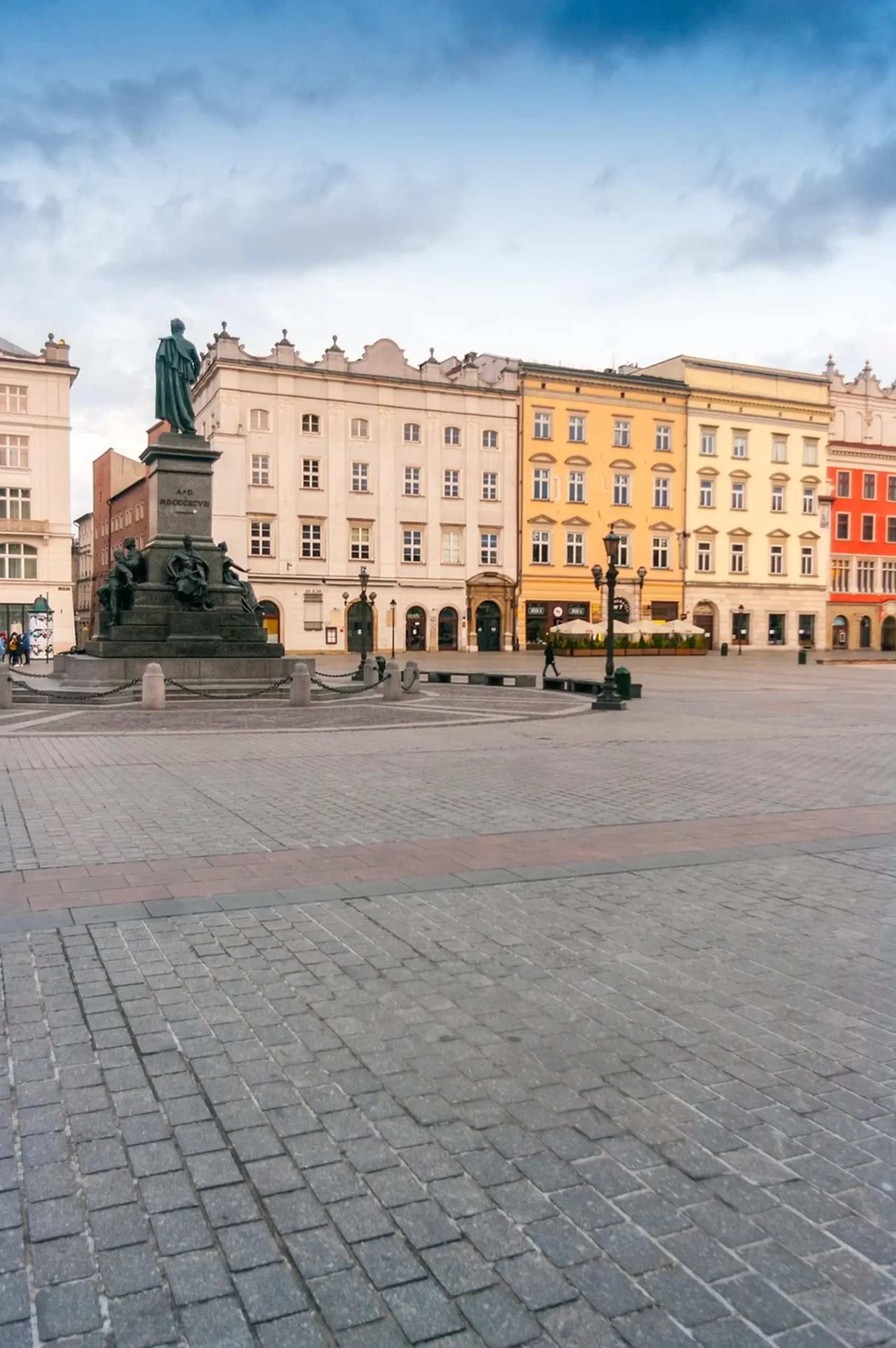
July and August bring Krakow’s highest temperatures and busiest streets, but also its longest days and fullest calendar of outdoor events. A Zakopane day trip with cable car and thermal baths is at its best in summer, when the mountain trails and thermal baths are both fully accessible. Book excursions several days ahead in peak summer — availability tightens noticeably compared to shoulder season.
Winter: A Different Krakow Entirely
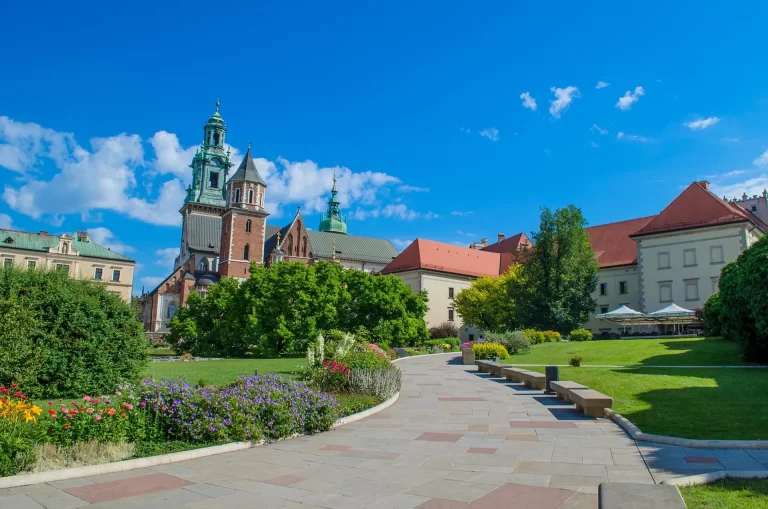
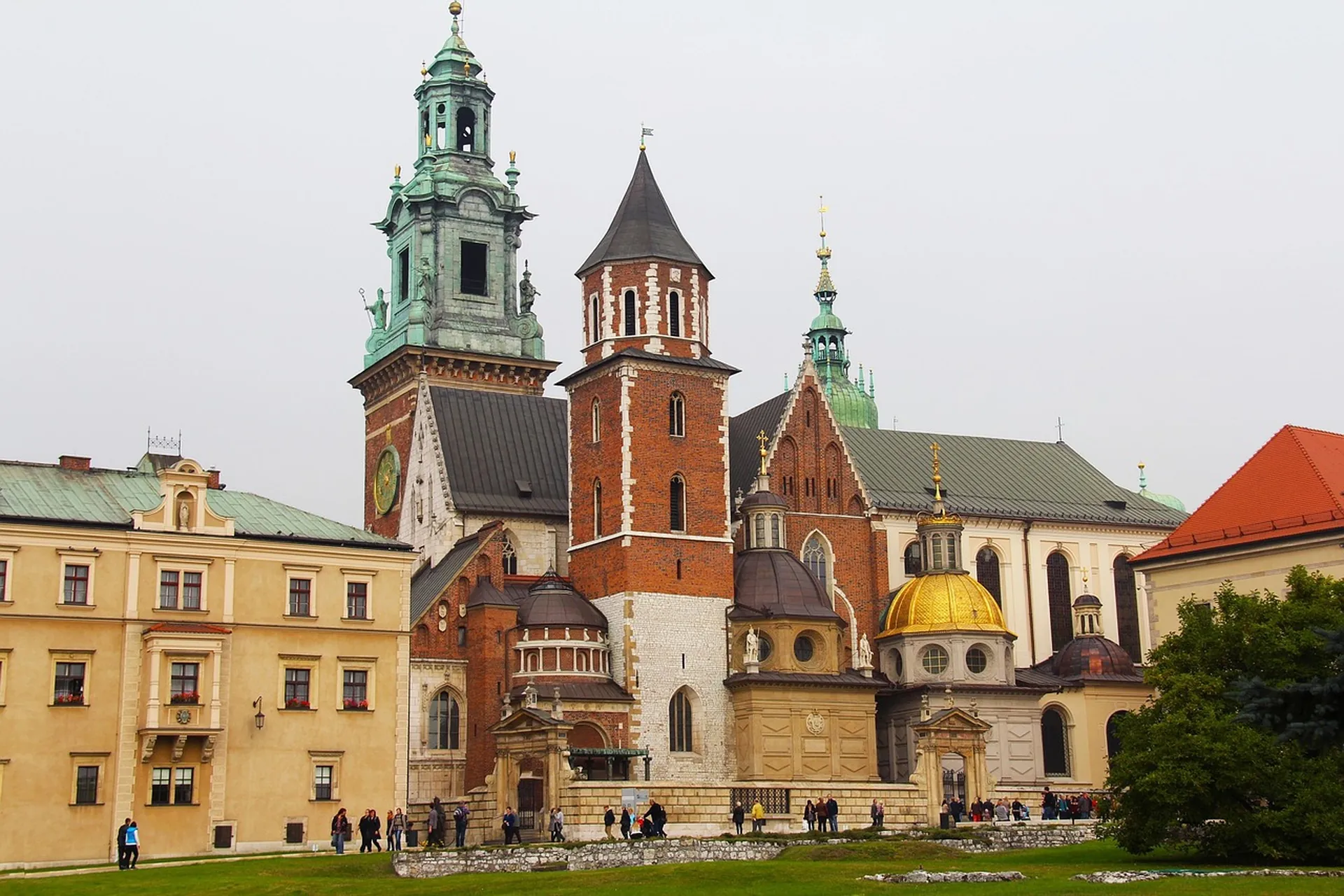
December through February transforms Krakow into a genuinely different city — the Christmas Market through late December, snow on the Main Square, and a fraction of the summer crowds at every major sight. It’s colder and daylight is shorter, but indoor sights like Wawel’s interiors and Schindler’s Factory work well regardless of season.
An Auschwitz-Birkenau guided tour runs year-round, and winter visits carry their own weight — fewer visitors, but colder, more exposed conditions outdoors at the memorial site, so dress accordingly.
What to Avoid If You Can
Late June through mid-August brings the highest prices and thinnest availability for accommodation and popular tours, particularly Auschwitz-Birkenau, which can sell out same-day slots well in advance. If your travel dates are flexible at all, shifting even two or three weeks toward May or September meaningfully improves both cost and crowd levels.
Planning Around Specific Events
A few dates are worth checking against your travel window regardless of season. Easter weekend brings a noticeable crowd bump even outside peak summer, and Krakow’s Christmas Market runs from late November through late December, adding festive atmosphere but also higher accommodation prices in what’s otherwise a quiet month. Major Catholic holidays can also mean reduced opening hours at some sights, so it’s worth double-checking specific dates before booking.
How Locals Read the Calendar
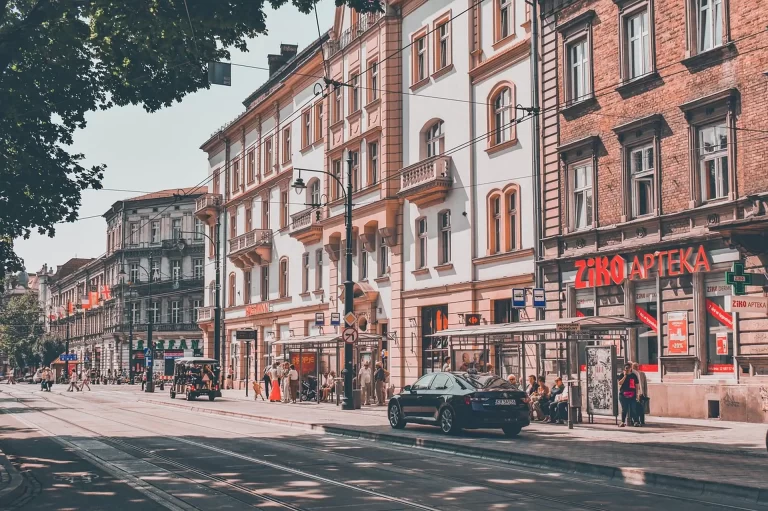
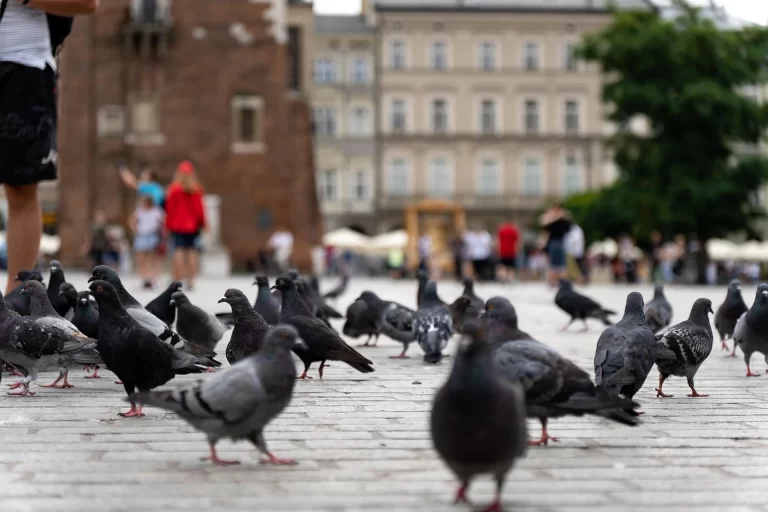
Locals tend to treat June as the real start of the tourist season and September as its true end, regardless of what the calendar months technically suggest — the shift in visible crowd levels tracks school holiday schedules across Europe more closely than the weather does. Krakow locals planning their own errands around the Old Town often deliberately avoid the Main Square between 11am and 3pm in July and August for exactly this reason.
If you’re trying to time a visit to overlap with fewer locals-avoiding-tourists moments, early morning (before 9am) and early evening (after 6pm) in peak summer give you a noticeably calmer Old Town even during the busiest months, since most day-trippers and tour groups cluster around midday.
Booking Lead Time by Season
How far ahead you need to book shifts significantly by season. In July and August, book Auschwitz-Birkenau tours and Wawel Castle interior tickets at least a week ahead, ideally more. In May, September, and October, three to four days ahead is usually enough. In the winter months from November through March, most tours and tickets have same-week availability, though the Christmas Market period in December is an exception worth booking slightly further ahead.
Temperature and Packing by Season
Summer days in Krakow can reach the high 20s or low 30s Celsius, warm enough that comfortable walking shoes and sun protection matter more than most visitors expect from a Central European city. Winter regularly drops below freezing, particularly overnight, so proper layers matter for anything involving extended outdoor time, including the Auschwitz-Birkenau memorial site, which is largely outdoors regardless of season.
Matching Season to Trip Type
A history-focused trip centered on Auschwitz, Schindler’s Factory, and the Jewish quarter works well in almost any season, since most of that itinerary is either indoors or involves standing rather than extensive walking. A trip built more around Zakopane, outdoor Old Town wandering, or the Wieliczka approach walk benefits more from the milder shoulder-season or summer months.
Photography-focused visitors often prefer winter specifically for the quality of light on snow-covered rooftops and the relative emptiness of shots that would otherwise be crowded with tourists in summer — a genuine trade-off worth considering if photos are a priority for your trip.
Rain and Backup Planning
Krakow sees rain in every month, though it’s most frequent from May through August, often in short, intense summer storms rather than all-day drizzle. Building one flexible indoor day into any itinerary — Wawel’s interiors, Schindler’s Factory, the Rynek Underground Museum — gives you a natural fallback regardless of which month you visit.
The Underrated Case for October
October deserves more attention than it usually gets. Crowds have thinned noticeably from September, prices drop further, and the weather — while cooler — remains comfortable for a full day of walking with the right layers. Autumn color in Planty park, the green belt circling the Old Town, adds a visual dimension that’s easy to overlook when planning around peak-season assumptions.
The trade-off is shorter daylight hours by late October, which matters more for visitors trying to pack a lot into each day than for those taking a slower pace.
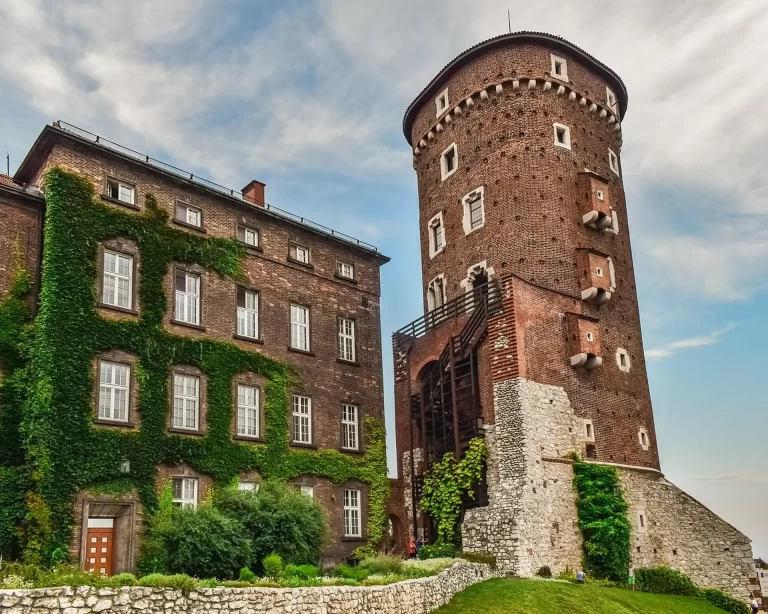
Whatever month you land on, the sights themselves don’t meaningfully change season to season — Wawel Castle, the Main Square, and Schindler’s Factory are worth visiting in January just as much as in July. What changes is the experience around them: how much company you’ll have, how much you’ll pay, and how comfortable the walking will feel. Weigh those factors against your own priorities rather than chasing a single objectively “best” month that doesn’t really exist.
If forced to pick a single window without knowing anything else about a traveler’s priorities, the second half of May or the first two weeks of September remain the safest recommendation year after year — good weather, manageable crowds, and nothing about the season working against any part of a standard Krakow itinerary.
Book your excursions and any interior tickets as soon as your dates firm up, regardless of month — availability tightens faster than most visitors expect, even outside peak summer.
What to Read Next
- Krakow Itinerary and Trip Planning: How Many Days and When to Go
- Krakow in 3 Days: A History-First Itinerary Including Auschwitz
Frequently Asked Questions
What is the best time to visit Krakow?
Late May or September offers the best balance of mild weather, manageable crowds, and full operating schedules at every major sight and excursion.
Is Krakow worth visiting in winter?
Yes — winter brings the Christmas Market, snow-covered squares, and far fewer crowds, though it’s colder and daylight hours are shorter.
When is Krakow most crowded?
July and August are the busiest months, with the highest prices and tightest availability for tours and accommodation.
What is the cheapest time to visit Krakow?
January and February typically offer the lowest prices, though it’s also the coldest and quietest time of year.
Does the best time to visit Krakow depend on what I want to do?
Yes — summer suits outdoor excursions like Zakopane best, while winter and shoulder season suit indoor sights and a quieter Old Town experience.
There’s no single wrong time to visit Krakow, but if flexibility allows it, late May or September gives the strongest overall balance of weather, crowds, and full access to everything the city and its surrounding excursions have to offer.
Plan your visit: Google Maps