
Krakow in 4 Days: Fitting in the Salt Mine, Auschwitz and Kazimierz
Krakow in 4 days is enough to move past a rushed checklist and actually fit the Old Town, Wawel, Kazimierz, and both major excursions without exhausting yourself. This is the length of trip where the salt mine and Auschwitz both become realistic, rather than a forced choice. For shorter or longer variations, the full Krakow itinerary and trip planning guide lays out every length side by side.
Why 4 Days Changes the Math
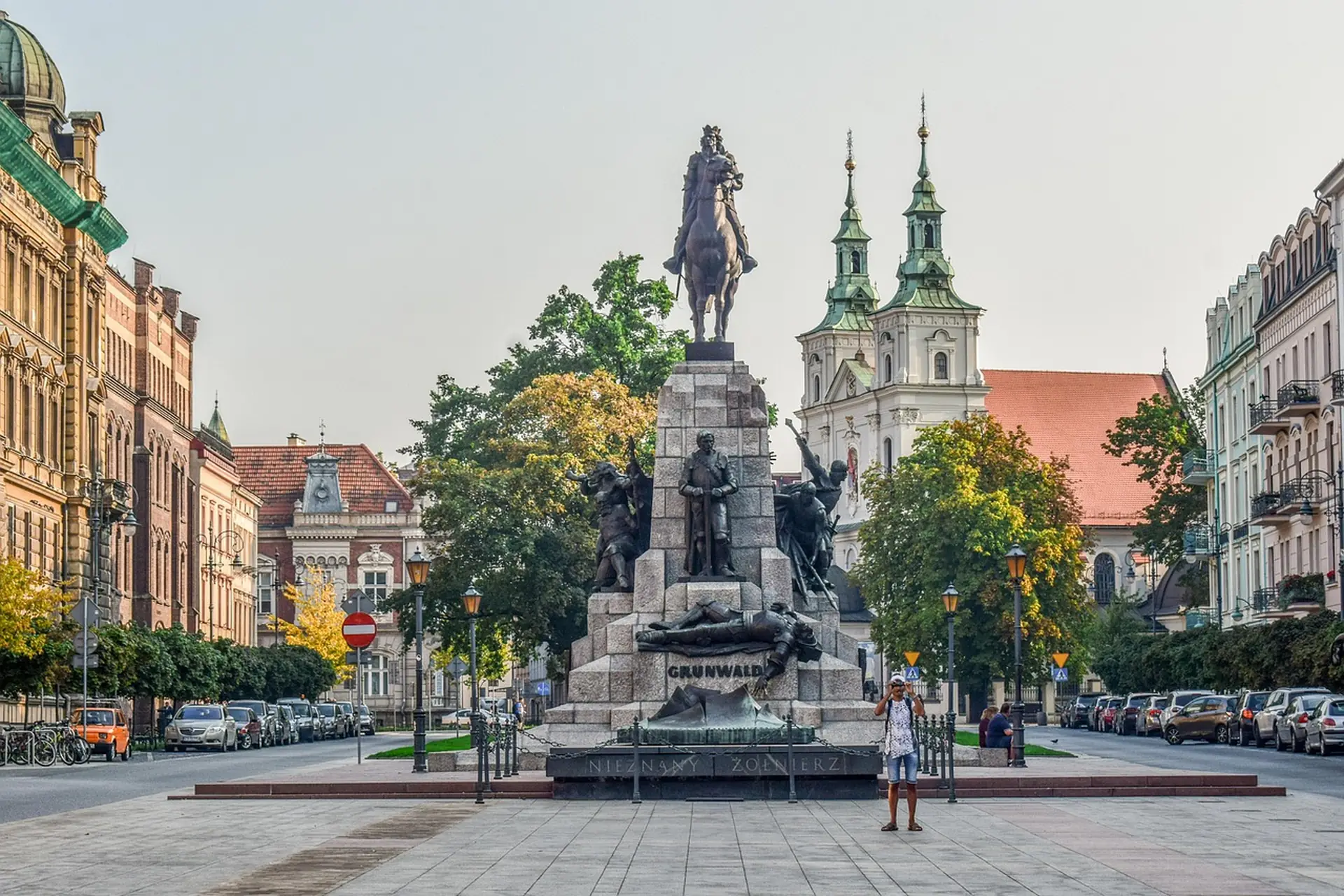
With two days, you have to choose between Auschwitz and Wieliczka. With four, both fit comfortably, plus a half-day dedicated to Kazimierz instead of squeezing it into a Wawel afternoon. The extra two days remove almost all the trade-offs that dominate shorter itineraries.
If four days still feels tight once you’re mapping it out, the 3-day history-first itinerary including Auschwitz shows how the trip compresses if you need to cut a day, and which pieces to protect first.
Day-by-Day Structure
| Day | Focus |
|---|---|
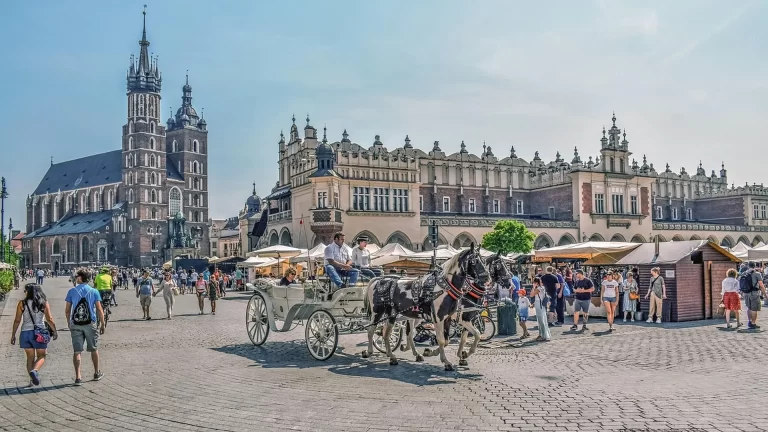
| Day 1 | Old Town: Main Market Square, Cloth Hall, St. Mary’s Basilica |
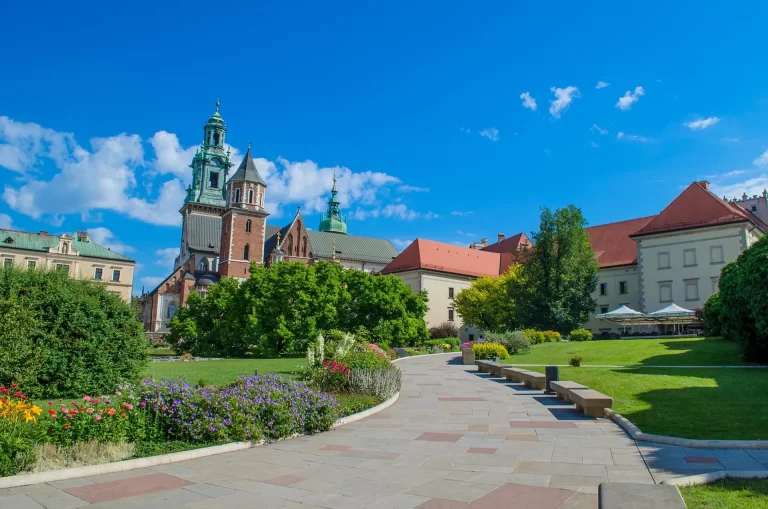
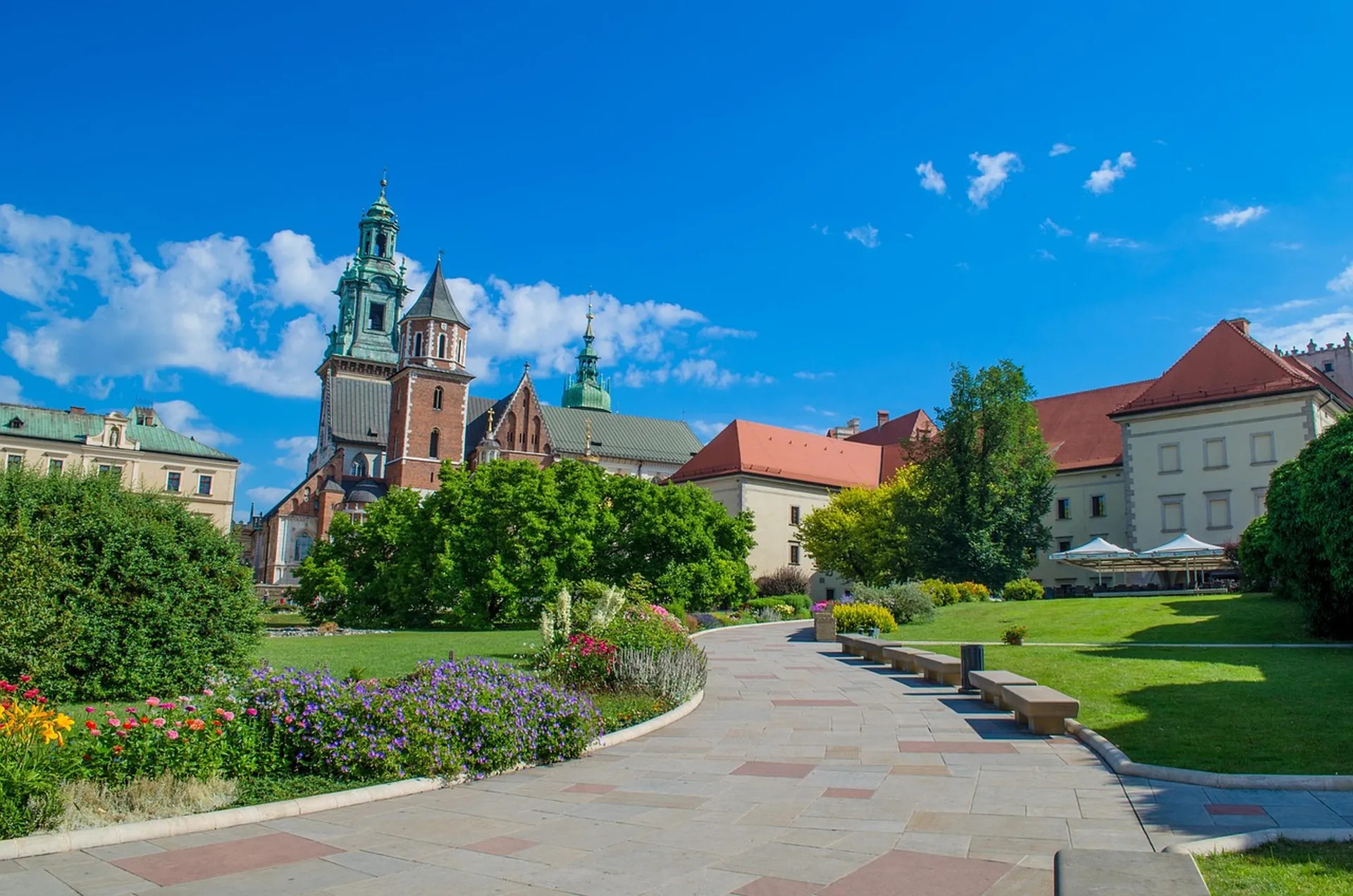
| Day 2 | Wawel Castle and Cathedral, then Kazimierz in the evening |
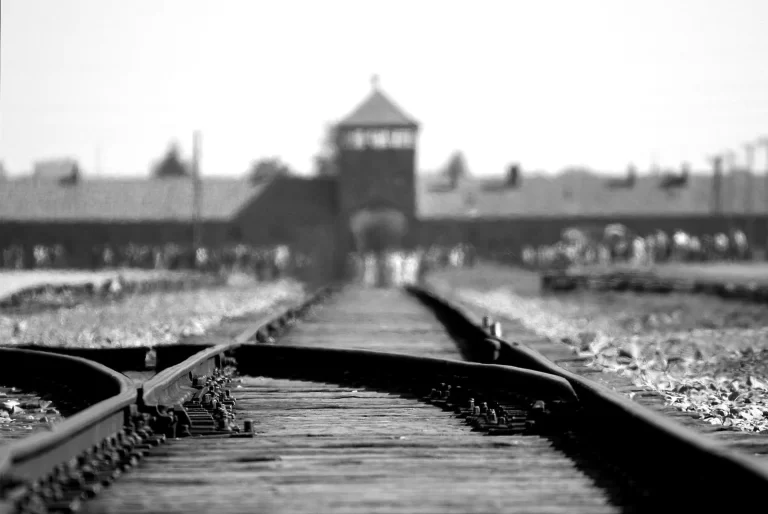
| Day 3 | Full-day Auschwitz-Birkenau excursion |
| Day 4 | Wieliczka Salt Mine, half-day, with the afternoon free |
An Auschwitz-Birkenau guided tour from Krakow typically takes most of day three including transport, so keep the evening light. A Wieliczka Salt Mine guided tour runs three to three and a half hours, which leaves the rest of day four open for a slower Kazimierz revisit or last-minute shopping near the Square.
Fitting Kazimierz In Properly
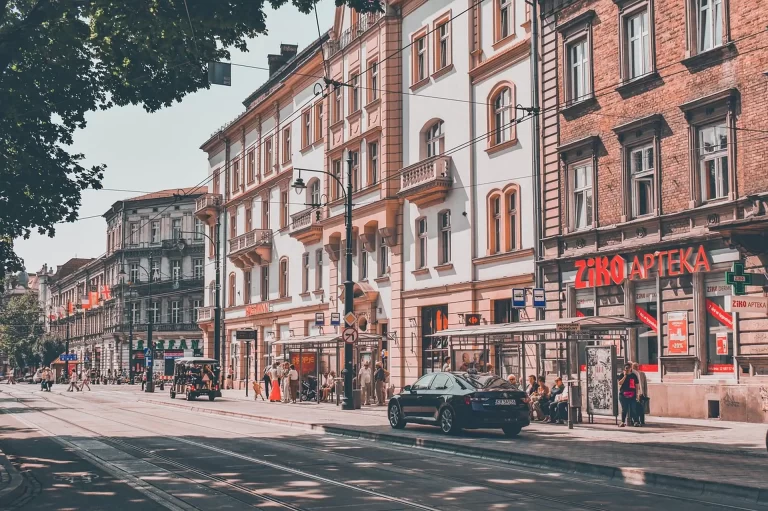
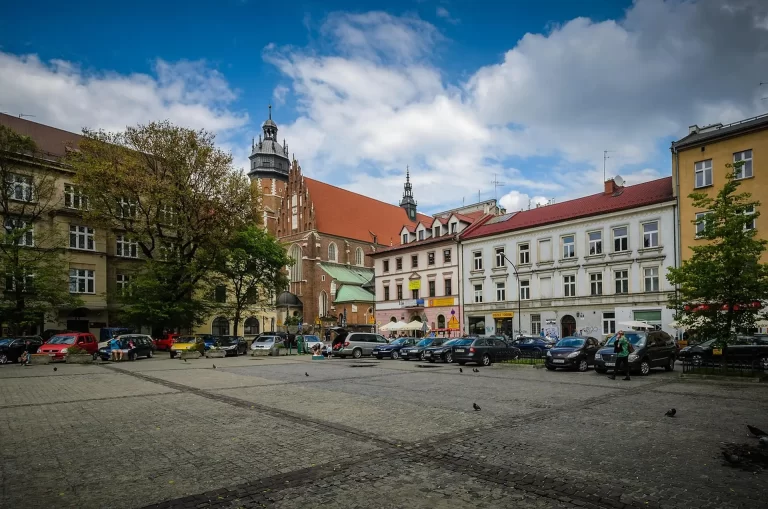
A rushed Kazimierz visit tacked onto the end of a Wawel day misses most of what makes the district worth seeing — the synagogues, Plac Nowy, the quieter side streets away from the main strip. Four days gives you room to treat Kazimierz as its own half-day rather than an afterthought.
Locals tend to suggest visiting Kazimierz twice if your schedule allows it: once during the day for the synagogues and museums, and once in the early evening for dinner and the atmosphere the quarter takes on after dark.
Where the Extra Days Are Best Spent
If you have any flexibility in the order, put the two excursion days on days two and three rather than back to back at the end — spacing them out means you’re not doing two demanding full days in a row, and it gives you an Old Town evening in between to decompress.
A 4-day trip is also long enough to accommodate one full rest morning without feeling like you’ve wasted the trip. Sleeping in on day two or three rarely costs you anything meaningful once Auschwitz, Wieliczka, and the Old Town core are already accounted for.
What Still Doesn’t Fit in 4 Days
Zakopane and Nowa Huta both remain difficult to justify even at four days, since each effectively needs its own dedicated day and would mean cutting one of the four priorities above. Five days is really the point where Krakow’s day-trip options open up beyond the two major ones.
Booking Ahead for a 4-Day Trip
With two major excursions to schedule, booking order matters more on a 4-day trip than a 2-day one. Lock in Auschwitz-Birkenau first, since its entry slots are the most limited and the most likely to sell out during summer months, then build Wieliczka and your Old Town days around it.
Wawel Castle’s State Rooms also benefit from advance booking between May and September. None of the Old Town’s free sights — the Market Square, the Cloth Hall exterior, St. Mary’s Basilica courtyard — require booking, so those days can stay flexible.
A Realistic Budget Check for 4 Days
Four days with two guided excursions costs meaningfully more than a 2-day trip, mostly from the two tour bookings themselves rather than daily expenses like food or transit, which stay roughly flat regardless of trip length. Budget travelers sometimes swap one guided excursion for a self-guided version to cut costs, though Auschwitz in particular is widely considered worth the guide given how much context the site needs.
Accommodation for four nights instead of two is the other major cost difference. Staying in Kazimierz rather than directly on the Old Town square typically runs noticeably cheaper for a comparable standard of room, and it’s a fifteen-minute walk from the center either way.
Adjusting the Plan for Families
Families traveling with children often restructure the day-by-day table above by swapping Wieliczka to earlier in the trip, since the salt mine is physically easier and less emotionally demanding than Auschwitz, and works better as a first full day rather than a fourth-day wind-down. Auschwitz is generally not recommended for children under 14 regardless of trip length.
Marta’s approach with family groups is usually to treat day four as flexible rather than fixed to Wieliczka — a slower morning in Kazimierz followed by an afternoon at leisure works just as well if the salt mine feels like one excursion too many by that point in the trip.
Getting Around Between the Excursions
Auschwitz-Birkenau and Wieliczka both sit outside the city center in opposite directions, which is one reason spacing them across the trip works better than back-to-back days — you’re not commuting long distances two mornings running. Most guided tours for both include round-trip transport from a central pickup point, which removes the need to plan public transit for either excursion day.
Locals who don’t use guided transport generally take the train to Wieliczka, which is the more straightforward of the two by public transport and takes about twenty minutes each way from Krakow Główny. Getting to Auschwitz independently by public bus is possible but adds enough time and uncertainty that most visitors, local guides included, recommend the organized tour instead.
Evenings on a 4-Day Trip
With four evenings instead of two, there’s room to treat at least one as a proper night out rather than a quick dinner before bed. Kazimierz after dark has a different character than during the day — locals tend to drift toward the quarter’s bars and small restaurants once the daytime visitors thin out, and it’s worth keeping one evening unplanned for exactly that.
The evening after your Auschwitz day is the one exception worth protecting deliberately. Most visitors find they want something quiet and low-key that night rather than a lively dinner reservation, so it’s worth scheduling something undemanding — a simple meal near your accommodation rather than a night exploring Kazimierz’s bars.
Packing the Trip Around the Weather
Krakow’s weather shifts enough across the year that a 4-day itinerary is worth adjusting seasonally. Winter visitors should plan Auschwitz-Birkenau, which is largely outdoors, for a milder-forecast day if the trip allows any flexibility, and keep Wieliczka — a constant cool temperature underground regardless of season — as the fallback for the coldest day. Summer visitors should do the opposite: save the underground salt mine for the hottest afternoon.
Rain affects the Old Town days more than the excursion days, since both Auschwitz and Wieliczka involve significant time either outdoors regardless of weather or entirely underground. A rainy morning is a reasonable trigger to swap your planned order — move an excursion day earlier and push the Old Town wandering to a clearer day instead.
There’s no single correct order for a 4-day Krakow trip, but the version that holds up best in practice front-loads the Old Town, spaces the two excursions apart, and treats the fourth day as the most flexible rather than the most planned. Trips that try to lock every hour of all four days tend to feel more rigid than the itinerary actually requires.
Four days also gives enough slack to absorb an unexpected delay — a late train, a rescheduled tour, a closed attraction — without derailing the whole trip, which is one more reason it tends to feel more relaxed in hindsight than tighter two or three day plans.
What to Read Next
- Krakow Itinerary and Trip Planning: How Many Days and When to Go
- Krakow in 3 Days: A History-First Itinerary Including Auschwitz
Frequently Asked Questions
Is 4 days enough for Krakow, Auschwitz and Wieliczka?
Yes — 4 days comfortably fits the Old Town, Wawel, Kazimierz, and one full day each for Auschwitz-Birkenau and Wieliczka Salt Mine.
Should Auschwitz and Wieliczka be on consecutive days?
It works better to space them out with an Old Town day in between, since both are demanding in different ways and back-to-back excursion days can feel exhausting.
How much time does Kazimierz need in a 4-day trip?
A half-day at minimum, ideally split between a daytime visit for the synagogues and an evening visit for dinner and atmosphere.
Can I add Zakopane to a 4-day Krakow trip?
It’s tight — Zakopane effectively needs its own dedicated day, which would mean cutting Auschwitz, Wieliczka, or a full Old Town day. Five days works better for adding it.
What’s the best order for a 4-day Krakow itinerary?
Old Town first, then alternate between an excursion day and a lighter city day rather than stacking both excursions back to back.
Four days is the sweet spot where Krakow stops feeling like a compromise — the Old Town, Wawel, Kazimierz, and both major excursions all fit without anything feeling rushed.
Plan your visit: Official site · Google Maps