The Main Square at Dawn: Why Marta Goes Before the Tour Groups Arrive
The Main Square at dawn is a different place than the one most visitors experience. I’ve walked across Krakow’s Main Market Square at sunrise more times than I can count, and it still surprises me how empty a space this famous can be for a stretch of maybe ninety minutes each morning — before the tour groups, the horse carriages, and the café staff setting up outdoor tables all arrive at once. It’s not a secret exactly — plenty of photographers and early risers know it too — but it stays quiet simply because most travel itineraries don’t budget time for it.
What Actually Changes Between Dawn and Midday
By 10am, the square fills in a predictable sequence: first the café terraces open and stake out their outdoor seating, then the horse-drawn carriages line up near the Cloth Hall, then the walking tour groups start arriving in clusters timed to hourly departures, and by early afternoon the space between the Cloth Hall and St. Mary’s Basilica can feel genuinely crowded, especially in peak summer months. None of that exists at 6am. The pigeons outnumber the people. Street cleaners move through with water trucks and brooms. A handful of joggers cross the square on their way somewhere else. It’s the same architecture, but the scale of it reads completely differently without thousands of people filling the negative space.
The transition itself is worth watching if you have the time — it doesn’t happen all at once but in distinct waves roughly twenty minutes apart, each one changing the square’s texture slightly until by mid-morning the earlier emptiness is impossible to picture.
The Light Is the Real Reason
Krakow’s Old Town buildings are a mix of ochre, cream, and muted pastel facades that catch low morning light in a way the flat overhead sun of midday simply doesn’t reproduce. St. Mary’s Basilica’s brick towers, in particular, take on a warmer, more textured color in the first hour after sunrise than they do for the rest of the day. If you care at all about photographs without strangers in every frame, this is the actual, practical reason to set an alarm — not some vague idea of atmosphere, but a specific, repeatable difference in how the square photographs.
Photographers who know the square well tend to position themselves near the Adam Mickiewicz statue or along the southern edge, where the sunrise light hits the Cloth Hall’s Renaissance arcades at an angle that brings out the stonework’s texture rather than flattening it. On clear mornings, roughly 20-30 minutes after actual sunrise gives the strongest color before the light gets too high and starts to wash out. Overcast dawns lose the dramatic color but still deliver the empty square, which for many visitors is the bigger draw anyway.
What You Can Hear That You Can’t at Noon
The hejnał — the trumpet call played from St. Mary’s tower every hour — sounds different at 6am than it does at noon, mostly because there’s nothing else competing with it. At midday it’s one sound among hundreds: conversation, trams two streets over, tour guides projecting over their groups. At dawn, the notes carry across the whole square distinctly, cutting off mid-phrase exactly as they’ve done since the tradition began, commemorating a trumpeter shot by a Mongol arrow while sounding the alarm centuries ago. Hearing it with almost no ambient noise is a genuinely different experience from hearing it as background texture later in the day.
Beyond the trumpet call, dawn brings a different set of ambient sounds entirely — church bells from the surrounding churches occasionally overlapping, delivery trucks making restaurant and café drop-offs on streets that are pedestrian-only later in the day, and the specific echo the square produces when it’s this empty, where footsteps and distant conversation carry much further than they would once the space is acoustically dampened by a few thousand bodies.
Practical Timing
Sunrise in Krakow ranges from around 4:30am in June to closer to 7:45am in December, so “dawn” means something very different depending on season. The quiet window generally runs from sunrise until roughly 8:30-9am regardless of season — that’s when the first substantial waves of both locals commuting through the square and early tour groups start to arrive. Weekday mornings are quieter than weekends, when the square fills earlier due to leisure crowds rather than tour schedules. Winter dawns, despite the cold, tend to be the most reliably empty, since fewer visitors are willing to be out that early in low temperatures.
If you’re combining an early square visit with other Old Town stops, the order matters. Doing the square first, then moving to one of the Gothic churches once they open around 9-10am, keeps the momentum of an early start without a long dead gap waiting for things to open. Trying to reverse that order — sleeping in and then rushing the square later — defeats the purpose, since by the time most churches and museums open, the square has already filled in.
What’s Actually Open That Early
Almost nothing, which is part of the point. St. Mary’s Basilica doesn’t open to visitors until later in the morning, and the Cloth Hall’s stalls typically open around 9am or later. A few bakeries and the earliest café counters open by 6-7am and are worth seeking out if you want coffee while the square is still empty — standing at the edge with a cup, watching the light change and the square slowly fill in, is as much the experience as the walk itself.
Weather and Seasonal Notes
Summer dawns are the most rewarding for light and warmth but also the shortest window before crowds build, since long daylight hours mean tour groups start earlier too. Autumn mornings often bring a light mist off the Vistula that settles over the square before burning off within the first hour of sunlight, adding an atmosphere that doesn’t photograph the same way in any other season. Winter dawns are cold — genuinely cold, well below freezing for weeks at a stretch — but reward visitors with the emptiest square of the year and, on clear mornings, a specific pink-grey light on the snow-dusted rooftops that’s hard to see any other time of day.
What Locals Notice
Locals who cross the square early tend to walk it differently than tourists do later — a direct diagonal line from one corner to the destination, rather than a slow loop around the perimeter. I still find myself doing the loop anyway, most mornings, mostly out of habit built over years of walking this square before I ever thought about writing about it for a living. It’s one of the few places in the city that still feels personal to me despite how thoroughly photographed and written about it is.
Regulars also know which café counters open earliest and which staff will pour a coffee without a full menu conversation at 6am — small, specific knowledge that only comes from actually living near the square rather than visiting it. That’s the kind of detail I try to pass along here rather than a generic “go early” tip, since the useful version of that advice is knowing exactly what to expect once you’re there.
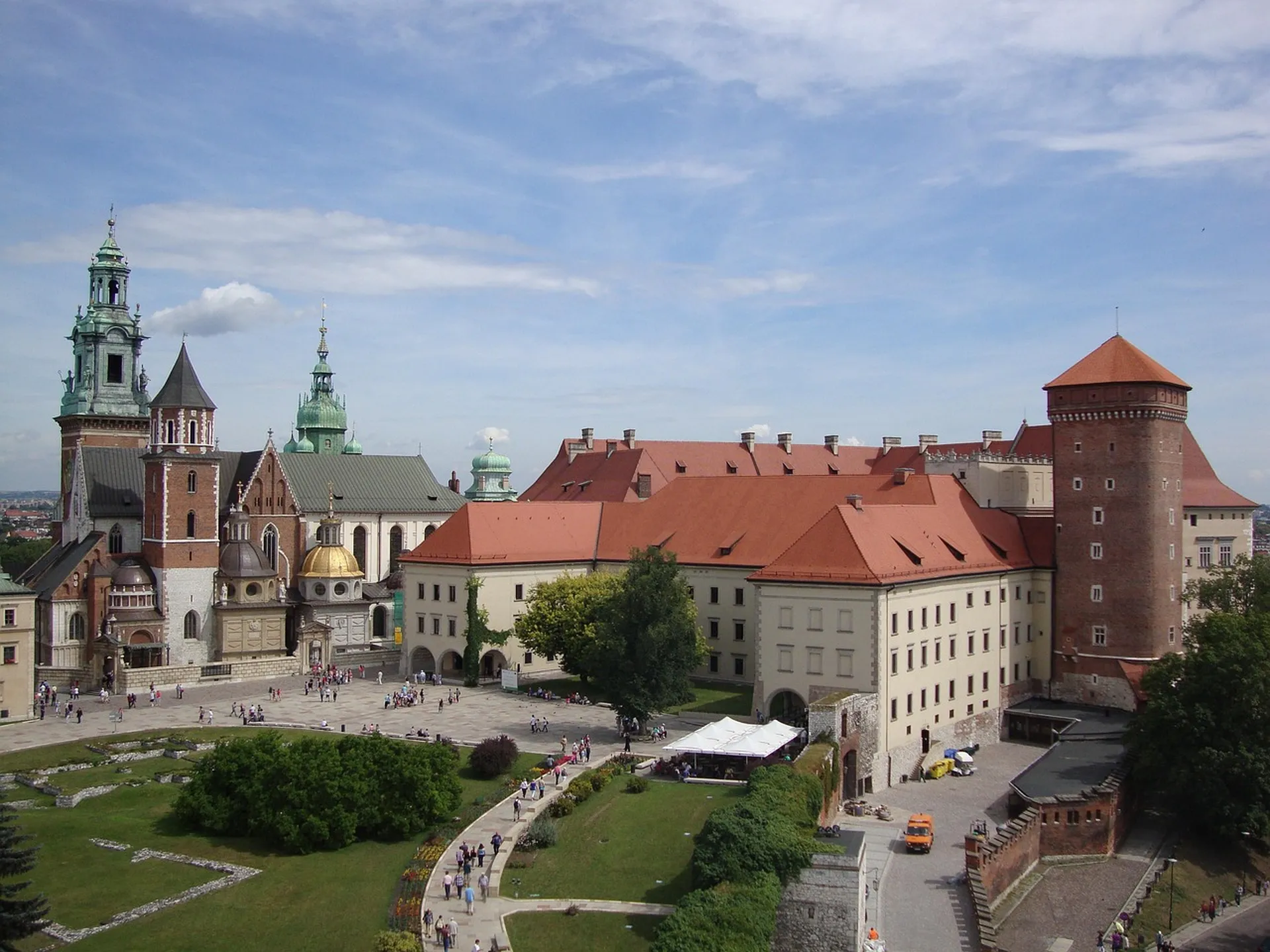
If you’re weighing whether a guided perspective adds value to a square you can easily walk on your own, the same question comes up around Wawel Hill — Marta’s comparison of Wawel’s guided tour versus going alone covers that trade-off in more detail, and much of the reasoning applies here too, particularly if you’re visiting later in the day once the crowds have arrived.
See the Old Town Walking Tour covering the Main Square
What to Read Next
- Wawel Castle, the Main Market Square and Krakow’s Old Town: The Complete Guide
- Wawel Castle Guided Tour vs Going Alone: What You Actually Get
- Krakow Main Market Square: What You’re Actually Standing In
- St. Mary’s Basilica: The Altarpiece, the Trumpet Call and Tower Tickets
- Cloth Hall in Krakow: What to Buy and What to Walk Past
Frequently Asked Questions
What time should I visit Krakow’s Main Square to avoid crowds?
Arrive at sunrise and stay until around 8:30-9am for the quietest window. Timing varies by season since sunrise ranges from roughly 4:30am in June to 7:45am in December.
Is anything open in the Main Square at dawn?
Very little. St. Mary’s Basilica and the Cloth Hall stalls open later in the morning. A few bakeries and early café counters open by 6-7am.
Is the Main Square at dawn worth setting an alarm for?
If photography or a quiet experience of the square matters to you, yes — the low morning light and near-total absence of crowds are a genuinely different experience from visiting later in the day.
Does the hourly trumpet call sound different in the early morning?
It’s the same call, but with far less ambient noise competing with it, the notes carry more distinctly across the empty square than they do once the square fills with people and traffic later in the day.
Plan your visit: Google Maps