Wawel Castle, the Main Market Square and Krakow’s Old Town
Wawel Castle, the Main Market Square and Krakow’s Old Town form the part of the city most visitors picture before they arrive — and the part most likely to be rushed, because it looks, from a distance, like something you can simply walk through and photograph. Wawel Hill has been the seat of Polish royal power for a thousand years; the Main Square is one of the largest and best-preserved medieval market squares in Europe; the Old Town around them is a UNESCO World Heritage site with layers most visitors walk past without noticing they’re there.
This guide covers what Wawel Castle and Cathedral actually hold, how to navigate the confusing ticket system, what the Main Square and its landmarks actually are, and how to see the Old Town without reducing it to a backdrop.
Wawel Castle: What You’re Actually Seeing
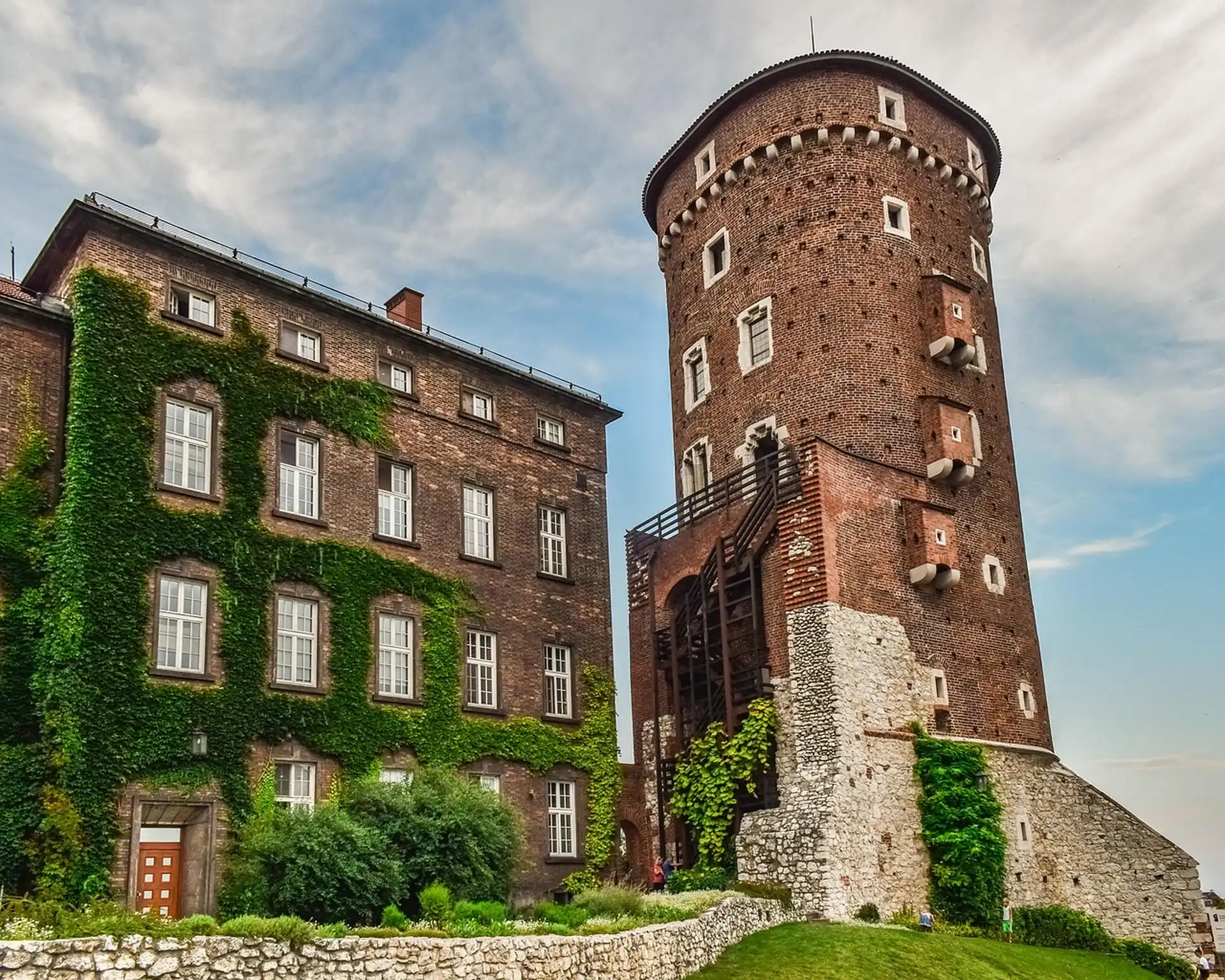
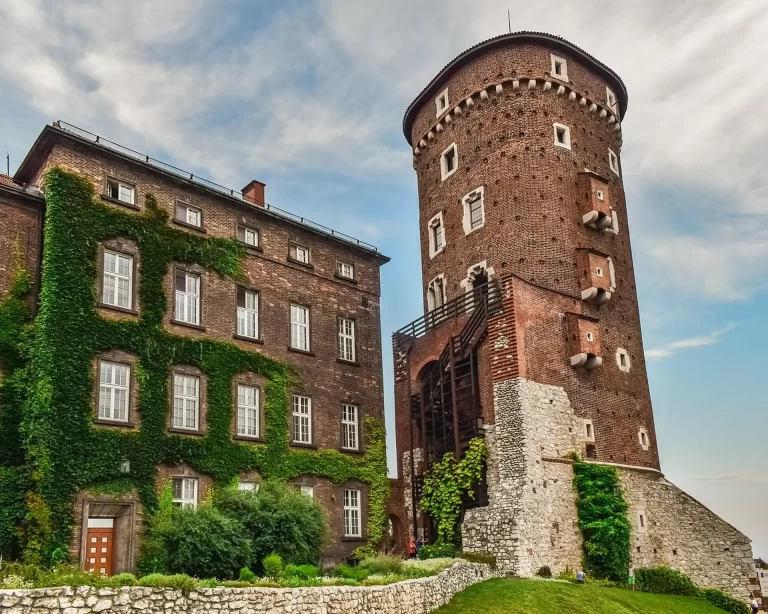
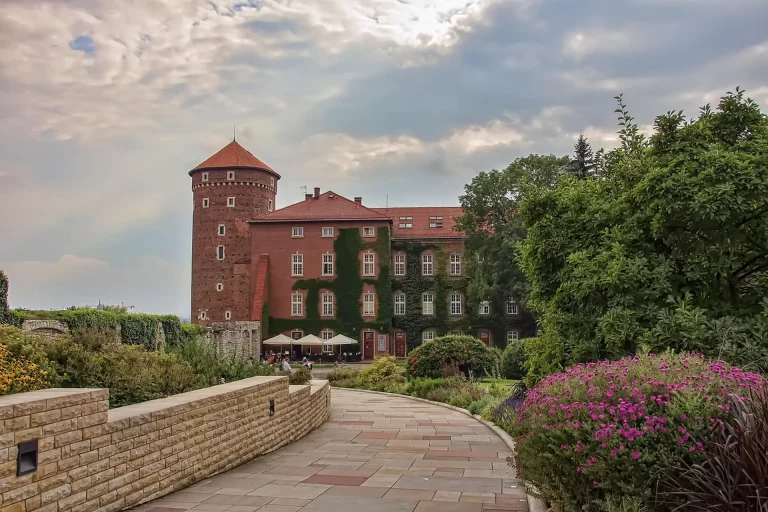
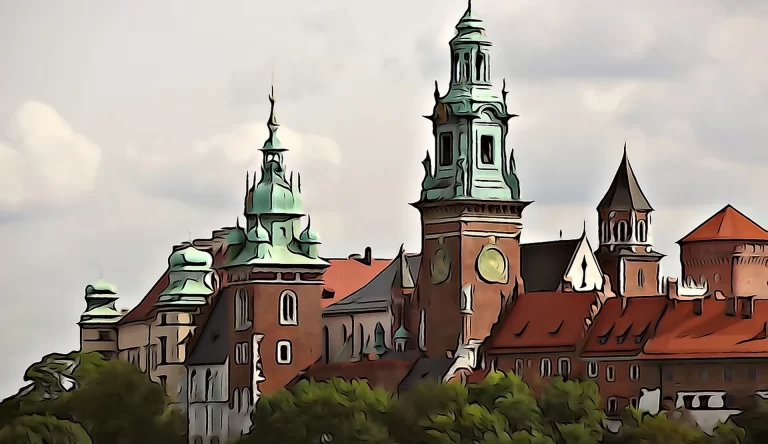
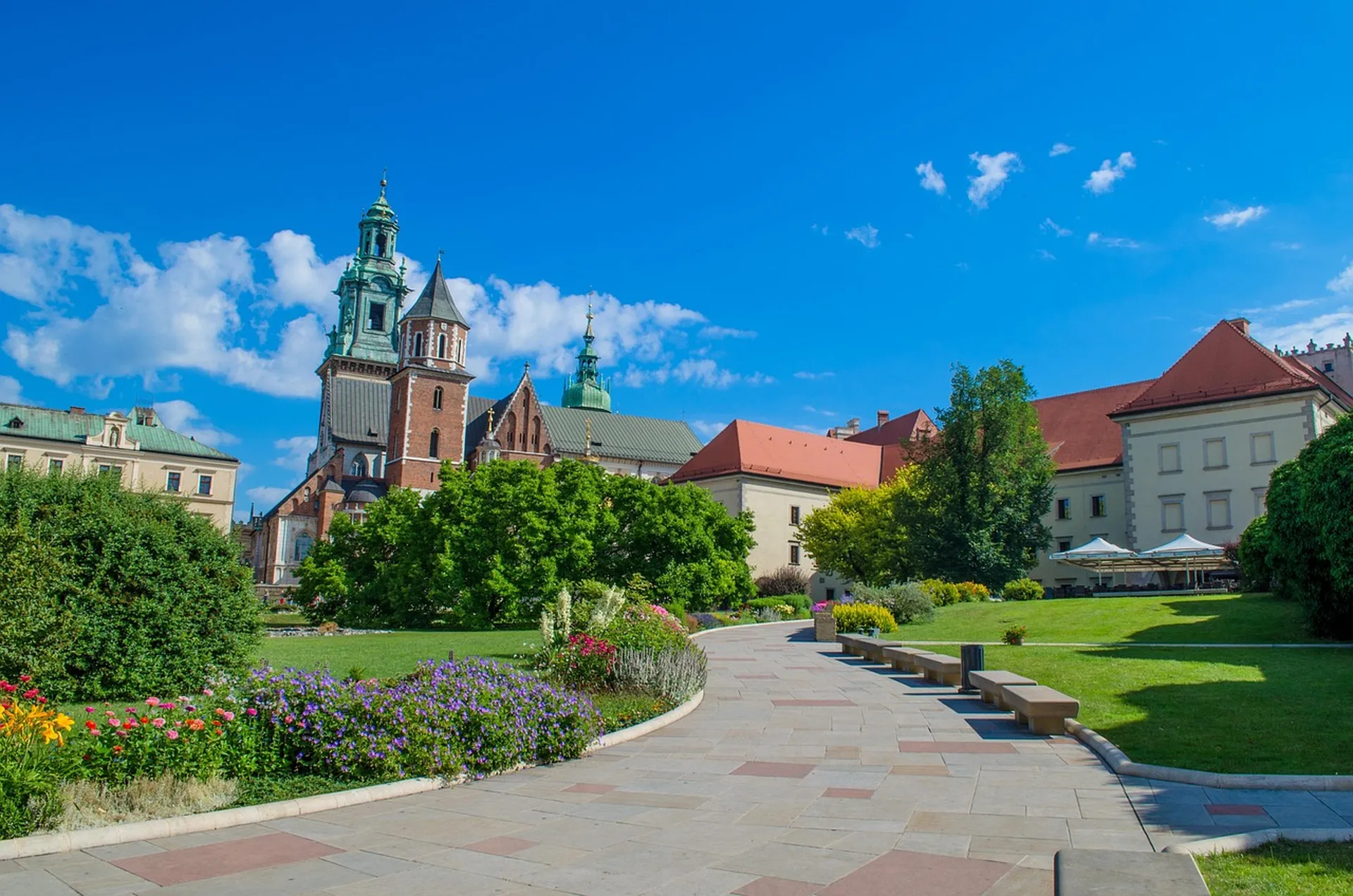
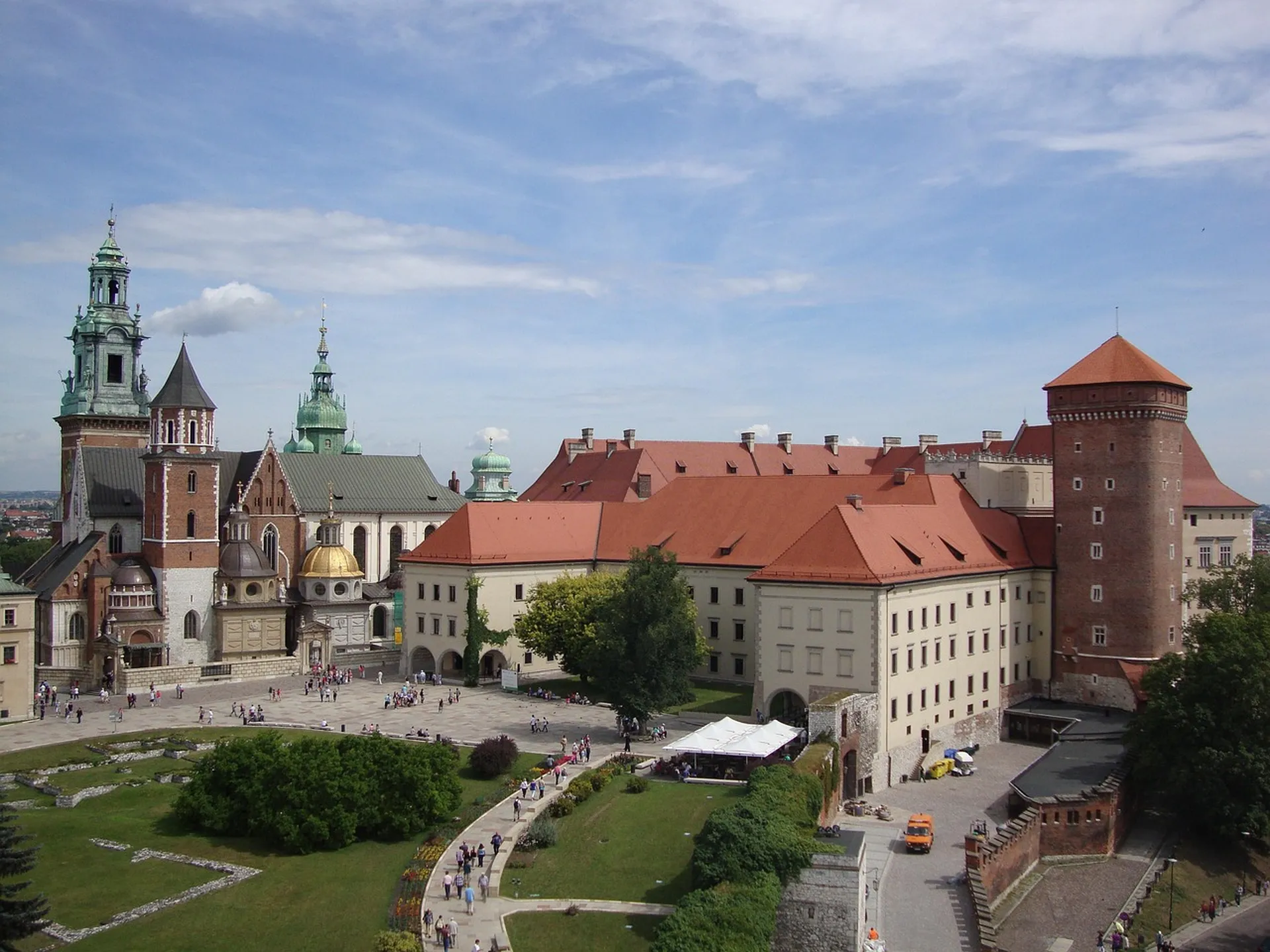
Wawel has been the residence of Polish kings since the 11th century and the site of their coronations and burials for centuries after. What stands today is largely a Renaissance rebuild from the 16th century, layered over Gothic and earlier foundations, making it as much an architectural timeline of Poland as a single castle. The complex is genuinely a set of separate museums under one roof — Royal Chambers, Crown Treasury and Armoury, Lost Wawel (the archaeological remains beneath the current buildings), and the Cathedral — each requiring its own ticket and often its own timed entry slot.
This is the detail that catches first-time visitors off guard: there is no single “Wawel ticket.” Deciding which sections matter to you before arriving saves real time and confusion at the ticket windows.
The Royal Chambers themselves are split into the State Rooms and Private Apartments, and not every ticket covers both — a detail that trips up visitors who assume one ticket means the full castle interior. The State Rooms hold the famous 16th-century Flemish tapestries commissioned by King Sigismund II Augustus, one of the largest surviving tapestry collections of its kind in Europe, alongside Renaissance and Baroque furnishings that reflect Wawel’s centuries as a working royal residence rather than a purely ceremonial one.
Wawel Cathedral, the Crypts and the Sigismund Bell
The Cathedral is where Polish monarchs were crowned and, for centuries, buried — the royal crypts beneath it hold the tombs of kings, national heroes, and, more recently, significant 20th-century Polish figures. Climbing the tower to see the Sigismund Bell, cast in 1520 and still rung only on the most significant state and religious occasions, is a separate ticket from the main cathedral entry, and the climb itself is narrow and steep enough to warrant knowing that in advance rather than discovering it partway up.
The Sigismund Bell itself only rings on a short list of major national and religious occasions, so hearing it is more a matter of timing luck than something to plan a visit around — but its size alone, viewable up close in the tower, makes the climb worthwhile even on an ordinary day.
The Main Market Square and Cloth Hall
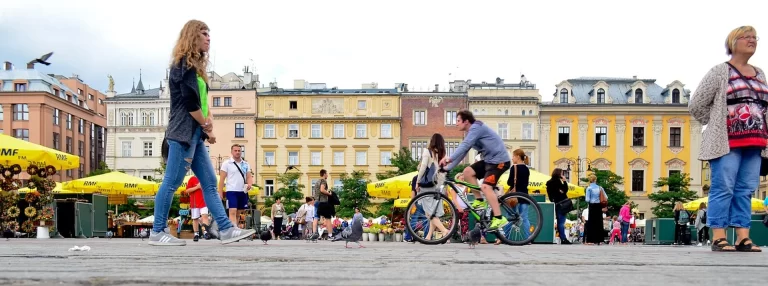
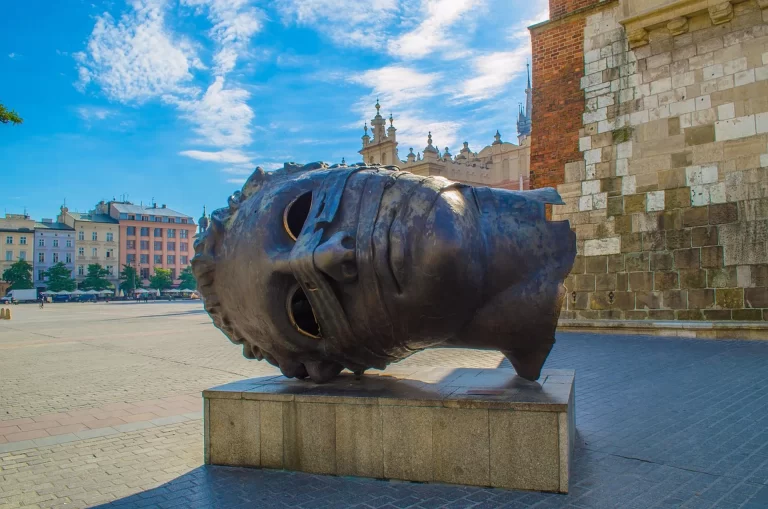
The Main Square (Rynek Główny) dates to the 13th century and remains one of the largest medieval town squares in Europe, framed by the Cloth Hall’s long Renaissance arcade at its centre. The Cloth Hall has functioned as a trading hall for textiles and goods since the medieval period and today houses a mix of souvenir stalls on the ground floor and a gallery of 19th-century Polish painting on the upper level — a genuinely worthwhile stop that most visitors walk straight past without realising it’s there.
St. Mary’s Basilica, at the square’s corner, holds a carved wooden altarpiece considered one of the finest Gothic works in Europe, and its taller tower is the source of the hourly trumpet call (hejnał) that breaks off mid-note — a tradition commemorating a trumpeter shot mid-warning during a 13th-century Mongol raid, still performed live by a real trumpeter today rather than a recording.
Beneath the square’s surface, and around its edges, are details easy to miss on a first pass: the bronze Adam Mickiewicz monument, a traditional meeting point for locals rather than just a photo stop; the horse-drawn carriages lined along one side, more a tourist tradition than a local one; and the square’s slightly irregular proportions, a result of the medieval city plan rather than any modern renovation. Slowing down at the square’s edges, rather than cutting straight across the middle, tends to reveal more of what makes it a working civic space rather than only a monument.
Guided or Going Alone?
Wawel rewards a guide more than the Old Town does, mainly because of the ticketing complexity and the density of history packed into a relatively compact site — a guide can sequence the Royal Chambers, Cathedral, and crypts efficiently and explain what’s actually being looked at, rather than leaving visitors to piece it together from placards. The Old Town and Main Square are more forgiving to explore independently, though a guide adds context to details — the Cloth Hall’s gallery, specific building facades, the reasoning behind the hejnał — that are easy to miss without one.
| Ticket | Covers | Best For |
|---|---|---|
| Royal Chambers | State rooms, Renaissance and Baroque interiors | First-time visitors wanting the core Wawel experience |
| Crown Treasury & Armoury | Royal regalia, weapons collection | History and military-interest visitors |
| Cathedral + Bell Tower | Royal crypts, Sigismund Bell climb | Most visitors — arguably the most affecting part of Wawel |
| Lost Wawel | Archaeological remains beneath the hill | Visitors with extra time or a specific interest in early Polish history |
Given how easy it is to misjudge which Wawel sections you actually want, checking a guided option that bundles the key parts together is worth doing before buying tickets separately — see current availability for the Wawel Castle and Cathedral guided tour here.
The middle ground worth considering is a guided cathedral-and-crypts visit paired with a self-directed walk through the State Rooms afterward — the crypts and royal tombs carry historical weight that a guide unlocks quickly, while the State Rooms are largely self-explanatory once you’re inside. Splitting the visit this way keeps cost down without losing the context that makes the crypts genuinely worth the climb.
Rynek Underground and Krakow’s Gothic Churches
Beneath the Main Square itself, the Rynek Underground Museum runs along an excavated medieval trade route, displaying artefacts recovered during a major archaeological dig completed in the 2000s — a genuinely different way to experience the square’s history than walking across its surface. Beyond St. Mary’s, a handful of the Old Town’s other Gothic churches are worth a brief stop rather than a full itinerary slot: the interiors vary enough in character that even a few minutes inside two or three of them gives a clearer sense of the city’s architectural range than the square alone.
Best Time of Day to Visit
Locals cross the Main Square earliest in the morning, before 9am, when it belongs to delivery carts and a scattering of early tourists rather than the tour groups that fill it by mid-morning. Wawel Hill itself is often quieter in the late afternoon, once day-trip groups have moved on to their next stop, which also happens to be a good time to catch the castle’s Renaissance courtyard in warmer light. Locals rarely visit the square at midday in summer if they can avoid it — the stone holds heat, and the crowds are at their densest exactly then.
For a broader route that pairs the Old Town’s landmarks with Wawel in one walk, check availability for the combined Old Town and Wawel Castle walking tour here.
Weekday mornings in shoulder season (April, May, September, early October) are consistently the calmest window Marta sees — tour groups tend to cluster around late-morning and early-afternoon slots, and weekends draw a heavier mix of day-trippers from other Polish cities on top of the usual international visitors.
Free Things to See in the Old Town
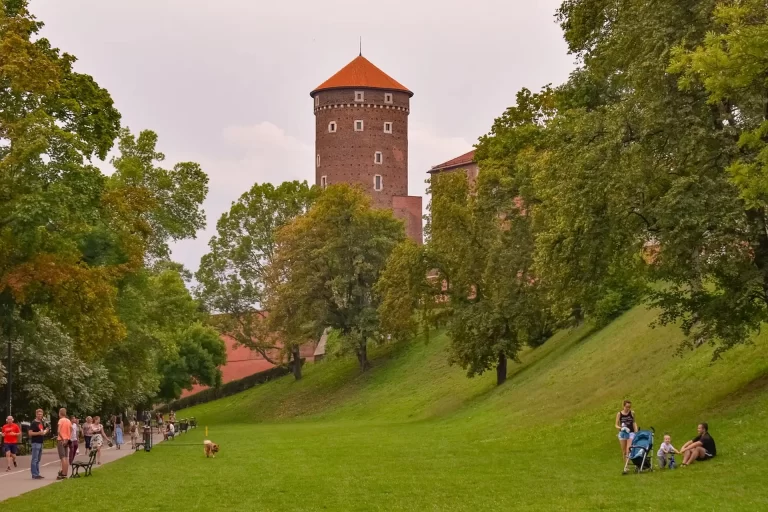
Not everything here requires a ticket. Walking the Planty — the ring of parkland tracing the medieval city walls that once encircled the Old Town — costs nothing and offers a genuinely pleasant break from the Main Square’s density. The Barbican, a surviving fragment of the city’s defensive fortifications, can be viewed from outside for free, as can the exterior of St. Mary’s Basilica and the Cloth Hall’s arcade itself. Wawel Hill’s outer courtyards and the view over the Vistula are also free to enter, even for visitors who skip every paid exhibition inside.
The Planty park in particular rewards a slow lap rather than a quick pass-through — small monuments, quiet benches, and views back toward the Old Town’s walls appear at intervals that a rushed walk skips entirely. Locals use this ring of parkland as an everyday walking and cycling route as much as visitors use it for sightseeing, which is part of what makes it feel distinct from the more performative atmosphere of the Main Square itself.
How Wawel Ticketing Actually Works in Practice
Tickets for the more popular sections — Royal Chambers and Cathedral in particular — are timed and limited per slot, especially in summer, and can sell out by early afternoon on busy days even though the site itself doesn’t close until evening. Buying online in advance avoids both the queue and the risk of a preferred section being sold out by the time you reach the ticket window. Each section also has its own separate queue at busier times, so visitors trying to see three or four parts of Wawel in one visit should expect the ticketing process itself to take real time, not just the visit.
Krakow’s Gothic Churches Beyond St. Mary’s
St. Mary’s draws the most attention, but the Franciscan Basilica nearby holds striking Art Nouveau stained glass designed by the painter Stanisław Wyspiański, a striking contrast to the church’s otherwise Gothic structure. The Dominican and Corpus Christi churches, both a short walk from the Main Square, hold their own significant art and architecture without the crowds that gather at St. Mary’s — worth a stop for visitors who want a quieter sense of the Old Town’s religious architecture without competing for space.
Getting to Wawel and the Old Town
Wawel and the Main Square sit within easy walking distance of nearly all central Krakow accommodation — the Old Town’s compact size is part of what makes it manageable without transit planning. From the Main Square, Wawel Hill is roughly a ten-minute walk south along Grodzka Street, one of the Old Town’s oldest and most architecturally varied routes, itself worth walking slowly rather than treating as a corridor between two destinations.
Combining Wawel with the Rest of Your Day
Wawel and the Main Square pair naturally with a Kazimierz walk on the same day, given the short distance between them, though most visitors find a full day covers both comfortably without rushing either. Pairing Wawel with a day trip on the same day — Wieliczka or Auschwitz — is generally not recommended; both the castle and cathedral reward unhurried attention, and compressing them alongside a half-day excursion tends to shortchange one or the other.
If Wawel and the Old Town are the centerpiece of a longer stay, it’s worth planning the surrounding days around Krakow’s other major sites rather than trying to fold everything into one — see our full Krakow itinerary guide for how locals sequence a multi-day visit.
Seasonal Considerations
Summer brings the longest opening hours but also the thickest crowds and the earliest sell-out times for popular Wawel sections — booking a day or two ahead in July and August is worth doing even for a site that rarely requires booking weeks in advance. Winter opening hours shrink considerably, and some sections operate reduced schedules, so checking current hours before planning a winter Wawel visit matters more than in other seasons. Spring and autumn offer the most reliable combination of manageable crowds and full opening hours.
Photography and Viewpoints Around Wawel
The classic Wawel photograph is taken from the Vistula boulevards on the far bank, where the whole hill — castle, cathedral tower, and defensive walls — sits above the river in one frame. Early morning and the hour before sunset both work well; midday sun tends to flatten the stone facades. Inside the castle grounds, the courtyard offers a tighter view of the Renaissance arcades, and the terrace near the cathedral gives a wide look back over the rooftops of the Old Town.
Marta’s note: the Dragon’s Den exit, at the base of the hill near the river, is a good spot to pause rather than rush past — it’s where most visitors end their Wawel visit, and the riverside path from there back toward the Old Town is quieter than retracing the route up top.
- Vistula boulevards (far bank) — full hill silhouette, best early morning or golden hour
- Castle courtyard — Renaissance arcades and inner architecture
- Cathedral terrace — panoramic view over Old Town rooftops
- Dragon’s Den exit — river-level view back up at the walls
What to Read Next
Deeper guides on specific parts of this pillar are being published as it develops — links will be added here as each goes live.
- Wawel Castle Tickets Explained: Which of the Many Tickets You Need
- Wawel Castle Guided Tour vs Going Alone: What You Miss Without One
- Wawel Cathedral, Royal Tombs and the Bell: What’s Worth Your Hour
- Krakow Main Market Square: What You’re Actually Standing In
- St. Mary’s Basilica: The Altarpiece, the Trumpet Call and Tower Tickets
- Krakow Old Town Walking Tour: Which Route and Guide Are Worth It
- Rynek Underground Museum: Booking the Square’s Hidden Layer
- Cloth Hall in Krakow: What to Buy and What to Walk Past
- Krakow’s Gothic Churches: Which Few Are Worth Stepping Inside
- The Main Square at Dawn: Why Marta Goes Before the Tour Groups Arrive
- Wawel Castle Opening Hours and Free-Entry Days: The 2026 Reality (coming soon)
- Free Things to See in Krakow’s Old Town: An Honest Walking List
Frequently Asked Questions
Do I need separate tickets for Wawel Castle and Cathedral?
Yes. Wawel is a set of separate museums — Royal Chambers, Crown Treasury and Armoury, Cathedral with bell tower access, and Lost Wawel — each with its own ticket. There is no single all-inclusive Wawel ticket.
How long does it take to see Wawel Castle?
Budget two to three hours for the Royal Chambers, Cathedral, and crypts together. Adding the Treasury, Armoury, and Lost Wawel can extend a full visit to half a day.
Is the Main Market Square free to visit?
Yes — walking the square itself and viewing the Cloth Hall’s arcade and St. Mary’s Basilica exterior costs nothing. Entering the Cloth Hall gallery, the basilica’s altarpiece area, or climbing St. Mary’s tower requires separate tickets.
What is the hourly trumpet call at St. Mary’s Basilica?
A live trumpeter plays the hejnał from the taller tower every hour, breaking off mid-note — a tradition commemorating a trumpeter shot while warning of a 13th-century Mongol raid.
Is a guided tour worth it for Wawel Castle?
Wawel’s ticketing complexity and dense history make a guide more valuable here than in the Old Town generally — a guide can sequence the visit efficiently and explain what each section actually holds.
What is inside the Cloth Hall?
The ground floor holds market stalls selling crafts and souvenirs, largely unchanged in function since the medieval period. The upper level houses a gallery of 19th-century Polish painting, often overlooked by visitors focused only on the square outside.
The Old Town rewards visitors who treat it as a place with genuine depth rather than a single photogenic backdrop — Wawel Hill alone holds a thousand years of layered history, and the square around it has been the city’s working centre since before most of Europe’s great cathedrals were built. Slowing down here tends to matter more than the ticket you choose.
Plan your visit: Official site · Google Maps