Rynek Underground Museum: Booking the Square’s Hidden Layer
Rynek Underground Museum sits beneath Krakow’s Main Market Square, and booking the square’s hidden layer requires a bit more planning than most visitors expect, since it’s one of the city’s most popular timed-entry attractions. Marta covers what’s actually down there and how to secure a slot without losing half a day to it.
What’s Actually Down There
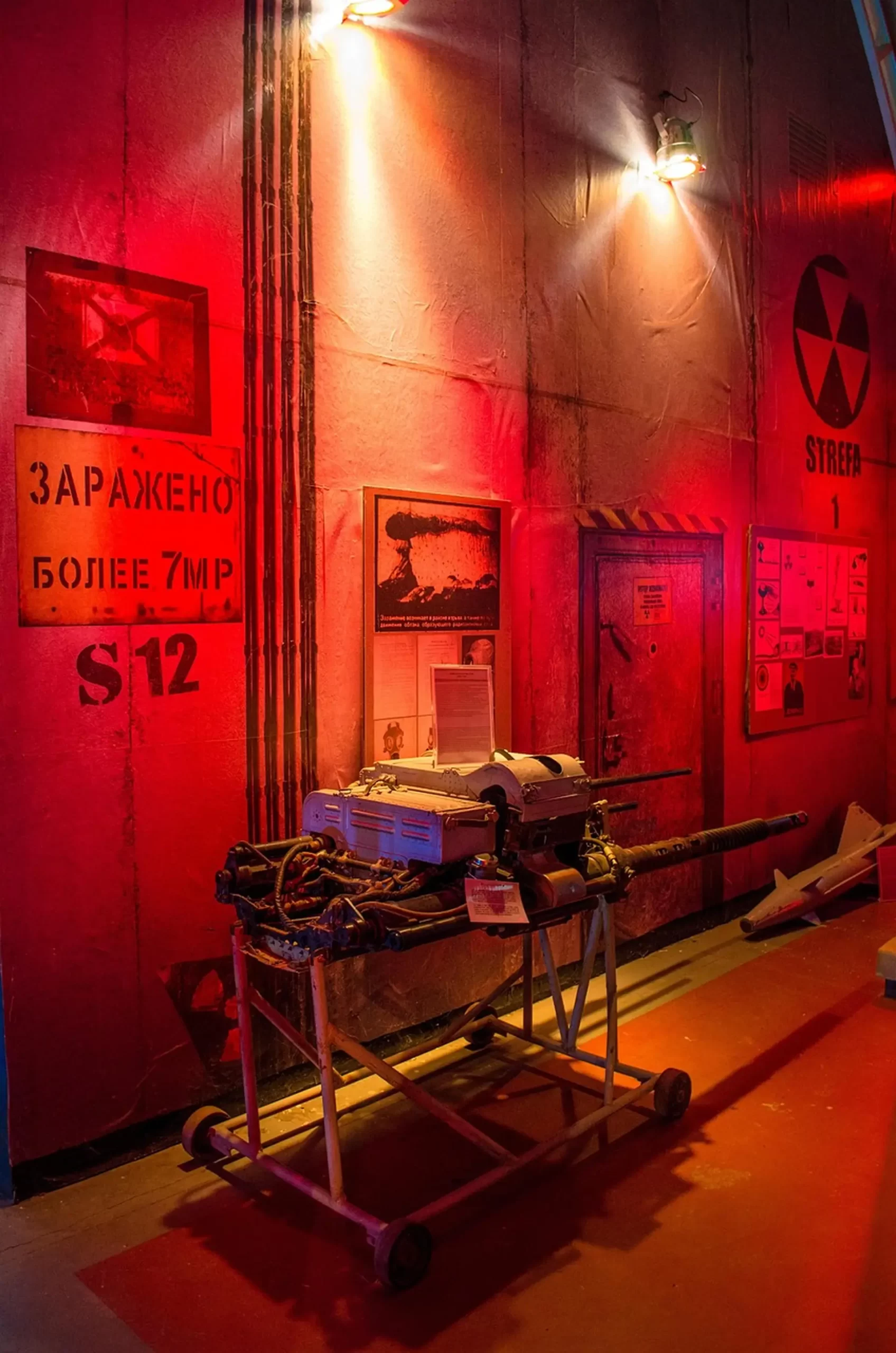
The museum occupies an archaeological site uncovered during major square renovations completed in 2010, revealing medieval trading stalls, market halls, roadways, and building foundations dating back nearly a thousand years, sitting up to four metres below the current square surface. Rather than displaying artifacts behind glass in a conventional museum format, the route lets you walk through the actual medieval street layout, with interactive multimedia displays layered throughout explaining what daily commercial life looked like on this exact spot centuries ago. Temperature and humidity below ground stay fairly consistent year-round, so the museum offers a genuinely comfortable escape from summer heat or winter cold, unlike most of Krakow’s outdoor attractions that are fully exposed to whatever the season brings.
How the Museum Is Organized
The route moves chronologically and thematically through several connected chambers, covering everything from the square’s earliest medieval trade functions to its role through subsequent centuries, finishing with sections on specific excavated finds and how the archaeological work itself was carried out. Multimedia stations throughout include touchscreens, projections, and models that make the site considerably more engaging for visitors without a background in archaeology than a purely static display would be. One section reconstructs a medieval merchant’s stall with period goods and pricing information, giving a concrete sense of what commerce actually looked like on this exact spot rather than an abstract historical summary — the kind of detail that tends to stick with visitors longer than dates and names alone. A small children’s activity area near the midpoint of the route also helps keep younger visitors engaged partway through, something worth knowing if you’re visiting as a family and concerned about attention spans for a fully indoor, text-and-screen-heavy museum.
Booking Timed Entry
Entry is strictly timed and capped, and the museum regularly sells out its most popular slots — particularly weekend afternoons in summer — a day or more in advance. Booking online ahead of your visit is genuinely necessary here, not just a suggestion, since walk-up availability on short notice is unreliable during peak season. The skip-the-line Rynek Underground Museum guided tour secures both a guaranteed slot and a guide to walk you through the site’s context. Outside peak summer weekends, same-day or next-day booking is usually reliable, but Marta’s general advice is to book at least 48 hours ahead whenever your schedule allows, since it removes one more variable from an already busy Old Town itinerary. Prices are modest relative to Krakow’s other major paid attractions, and standard admission already includes the audio guide, so there’s rarely a need to pay extra beyond the base ticket unless you specifically want live guided narration.
How Long to Spend
Budget 60 to 90 minutes for a proper visit at a comfortable pace. The museum is genuinely dense with information, and visitors who try to rush through in under 45 minutes tend to miss much of what makes the multimedia displays worthwhile. If you’re combining this with other Main Market Square sights on the same day, plan the underground museum as its own dedicated stop rather than folding it into a broader square walk. If your energy is flagging by the time you reach the underground museum after a morning of walking, it’s worth pushing the visit to a separate day or a fresh morning slot rather than rushing through while tired — the dense information here rewards attention more than most outdoor sites do.
Guided vs Self-Guided
Self-guided visits with an audio guide (included with standard admission) work well for most visitors, since the exhibits are designed to be self-explanatory with clear signage and multimedia support throughout. A live guide adds the most value for visitors who want to ask questions or get more context on specific finds than the standard audio track covers. If you’re also deciding how to approach Wawel Castle separately, Marta’s breakdown of Wawel Castle tickets covers that similarly layered ticket structure.
Accessibility
The museum is level and wheelchair accessible throughout, with lifts connecting the different underground sections — a notable contrast to several of Krakow’s older attractions where stairs are unavoidable. Prams and strollers are generally manageable as well, though the museum can get crowded during peak hours, which is worth factoring in if manoeuvring space is a concern. Restrooms are available within the underground complex itself, a small but genuinely useful detail on a route that takes over an hour and offers no obvious break points once you’re inside. Lockers or bag storage aren’t typically provided, so plan to carry what you need with you throughout the visit.
What Locals Notice
Krakow residents who remember the square before the 2010 renovation will tell you how disruptive the years of construction were at the time, which makes the finished museum feel like a genuine payoff for locals as much as an attraction for visitors. It’s a rare case where a major excavation project actually became a permanent, publicly accessible site rather than a temporary inconvenience followed by reburial. For a city with as much visible history above ground as Krakow has, the underground museum offers something genuinely different — a reminder that centuries of layered history exist beneath the streets locals and visitors alike walk across every day without a second thought.
The Discovery Itself
The excavation began as a standard archaeological survey ahead of planned square resurfacing work, but the scale and preservation quality of what was found — far beyond what archaeologists initially expected — turned a routine pre-construction dig into a multi-year project and, eventually, a purpose-built museum. Roughly 6,000 square metres of underground space were eventually opened to visitors, making it one of the largest underground tourist routes in Europe built around a single archaeological find.
What Visitors Often Miss
Several smaller display cases scattered through the route hold individual artifacts — coins, tools, pottery fragments — found during the dig, easy to walk past if you’re focused on the larger architectural remains. A short film near the entrance explaining the broader excavation process is also worth the few minutes it takes, since it provides context for how the museum’s layout corresponds to the actual archaeological findings rather than a reconstructed approximation.
Combining It with the Rest of the Square
Because the entrance sits within the Cloth Hall building on the square’s surface, it’s easy to combine a visit with the Cloth Hall’s ground-floor stalls or its upper-floor painting gallery. St. Mary’s Basilica is also a short walk away, making the underground museum a natural addition to a half-day focused on the Main Market Square as a whole rather than a separate trip.
What to Read Next
- Wawel Castle, the Main Market Square and Krakow’s Old Town
- Wawel Castle Tickets Explained: Which of the Many Tickets You Need
Frequently Asked Questions
Do I need to book Rynek Underground Museum tickets in advance?
Yes, entry is timed and regularly sells out popular slots, especially weekend afternoons in summer. Booking online ahead is genuinely necessary rather than optional.
How long does a visit to the Rynek Underground Museum take?
Budget 60 to 90 minutes for a proper visit at a comfortable pace. Rushing through in under 45 minutes means missing much of the multimedia content.
Is the Rynek Underground Museum wheelchair accessible?
Yes, the museum is level throughout with lifts connecting the underground sections, making it more accessible than several of Krakow’s older attractions.
What is actually inside the Rynek Underground Museum?
An archaeological site with medieval trading stalls, market halls, roadways, and building foundations uncovered during square renovations completed in 2010, presented with interactive multimedia displays.
Is a guided tour necessary for the Rynek Underground Museum?
Not necessarily — standard admission includes an audio guide, and the exhibits are designed to be self-explanatory. A live guide adds value mainly for visitors who want to ask questions.
Plan your visit: Google Maps