Wawel Castle Guided Tour vs Going Alone: What You Miss Without One
Wawel Castle guided tour vs going alone comes down to one honest question: how much of what you’re looking at do you actually want explained, versus how much are you happy to simply take in visually and read about later? Both are valid ways to visit — the difference is bigger than most people expect.
What a Guide Adds That the Signage Doesn’t
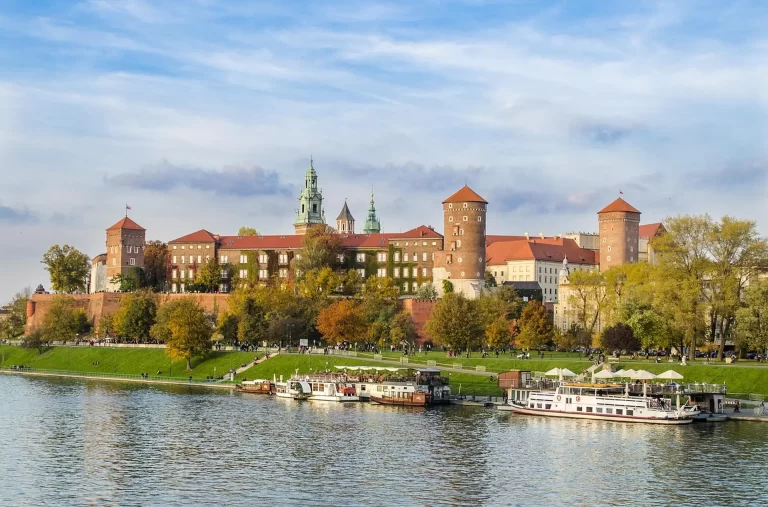
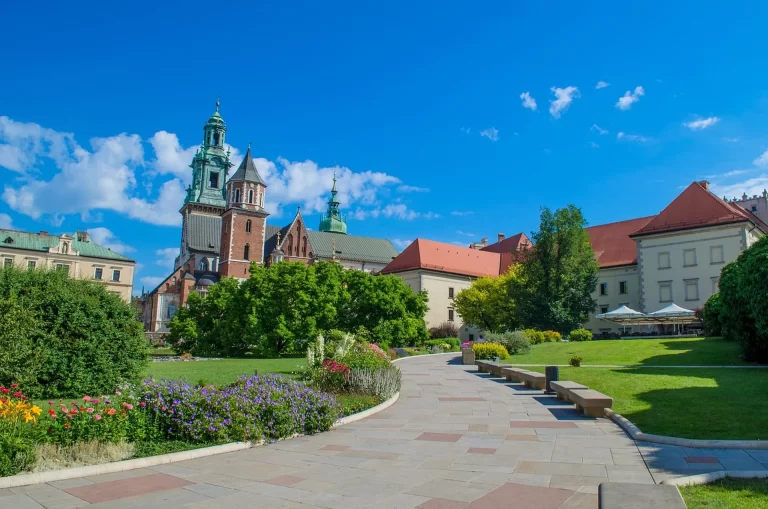
In-room information at Wawel is sparser than many visitors expect from a site this significant — most rooms have a small placard rather than detailed panels, and none of it covers the layered political history that makes Wawel more than “a nice old building.” A guide fills that gap in real time: which king commissioned which wing, why the Cathedral holds both royal tombs and a national shrine status, and how the Renaissance courtyard reflects a specific 16th-century push to modernize Poland’s image among European courts.
None of this is essential to enjoying Wawel visually — the architecture speaks for itself even in silence. But if you want to understand why Poles regard this hill the way they do, rather than just photograph it, a guide changes the visit meaningfully.
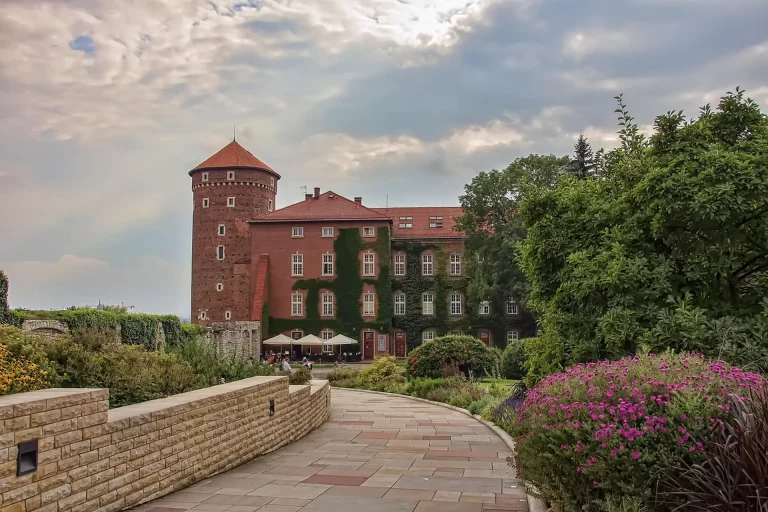
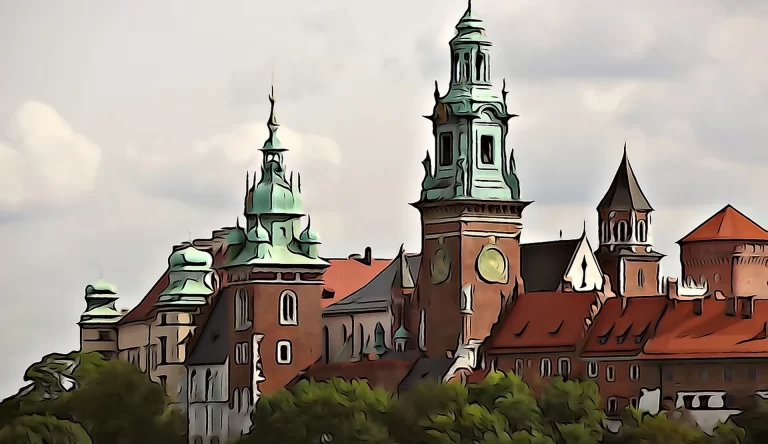
This gap is more pronounced at Wawel than at many other European castles, partly because the site has survived so many rebuilding phases — Gothic origins, Renaissance expansion, Baroque-era additions, and 20th-century restoration after wartime damage — that reading the layers correctly without help is genuinely difficult even for an attentive visitor.
What Going Alone Gets You
Self-guided visits offer something guided tours structurally can’t: total control over pace. You can spend forty minutes in the Cathedral if something catches your attention, or ten minutes if it doesn’t, without a group’s schedule pulling you along. For photographers especially, this matters — guided tours rarely pause long enough for a considered shot in the best light.
Going alone also costs less and requires no advance coordination beyond booking your timed entry tickets, which makes it the simpler default if Wawel is one stop among several in a packed day rather than the day’s main event.
There’s also a quieter benefit to going alone that doesn’t come up often: the Cathedral in particular is still an active place of worship, and moving through it without a group’s narration attached can feel more appropriate to some visitors, especially those with any personal connection to the space’s religious significance.
What You Specifically Miss Without a Guide
| You Miss | Why It Matters |
|---|---|
| The political context behind the Cathedral tombs | Several tombs mark contested successions and reburials — not obvious from the plaques alone |
| Which architectural features are original vs. 19th-century restoration | Wawel was heavily rebuilt after centuries of damage; guides distinguish original stonework from reconstruction |
| The connection between the Dragon’s Den legend and the hill’s pre-Christian history | Rarely explained on-site despite being one of Krakow’s most-asked-about stories |
| Where to actually look in the State Rooms | Tapestries and ceiling details are easy to walk past without someone pointing them out |
If any of that list sounds like what you came for, a guided tour of the Cathedral and Castle covers all of it in roughly ninety minutes with a live guide.
None of these gaps make a self-guided visit a mistake — plenty of visitors are perfectly satisfied photographing the architecture and moving on. The table above is meant to help you decide in advance whether that’s enough for you, rather than realizing afterward you wanted more context than you got.
Reading the Rebuilding Layers Yourself
If you do decide to go alone, a small amount of preparation closes much of the context gap. Knowing roughly which centuries produced which parts of the complex — Romanesque foundations, Gothic Cathedral core, Renaissance courtyard, Baroque chapel additions — gives you a framework to slot details into as you walk, even without a guide narrating in real time.
This preparation takes maybe fifteen minutes of reading beforehand and meaningfully changes what a self-guided visit gives you, closing much of the gap a live guide would otherwise fill — though it still won’t catch the specific stories and anecdotes a good guide adds spontaneously.
A few minutes with a simple timeline before you go — even just noting which century each major wing dates from — does more for a self-guided visit than most people expect, and costs nothing beyond the reading time itself.
A Middle Ground: Guided Entry, Self-Paced Exploration
Some visitors split the difference by booking a guided entry ticket that includes skip-the-line access, joining the guide for the historical framing at the start, then breaking off to explore specific rooms at their own pace once the formal portion ends. Not every tour allows this, so check the listing details before booking if this hybrid approach appeals to you.
This hybrid approach tends to suit travelers who want the historical anchor points a guide provides but don’t want their entire visit dictated by someone else’s pace — you get the framing up front, then the freedom to linger wherever actually holds your attention.
What Locals Notice About First-Time Visitors
Locals who’ve watched enough first-time visitors move through Wawel notice a pattern: people who go alone often photograph the Cathedral extensively but can’t say afterward what specifically they saw beyond “an old cathedral.” That’s not a criticism — it’s just what happens without context, and it’s worth knowing before you decide which way to visit.
This isn’t universal, and plenty of self-guided visitors do their homework beforehand and come away with a rich understanding. The pattern locals notice is specifically among visitors who treat Wawel as a photo stop on a checklist rather than a planned visit — which is an easy trap on a first Krakow trip with a long list of sights to cover.
It shows up most clearly a day or two later, when someone asks a visiting friend what they learned at Wawel and the honest answer is mostly about how it looked rather than what happened there.
Group Size and the Guided Experience
Standard guided tours run in small groups, generally under twenty people, which keeps the pace reasonable and questions answerable. If you specifically dislike group tours — the stopping, the waiting for stragglers, the shared pace — that’s a legitimate reason to go alone regardless of how much context you’d be giving up.
Private guided options exist too, at a higher price point, for anyone wanting the context benefits of a guide without matching pace to a group of strangers — a reasonable choice for families with specific interests or visitors who simply prefer not sharing a tour with people they don’t know.
Cost Comparison
Self-guided entry across the main sections (Cathedral plus State Rooms) typically runs cheaper than a guided package, though the gap is smaller than most visitors assume once you add up separate ticket purchases. The real cost difference of going guided is closer to what a good coffee and pastry would cost you elsewhere in Krakow — not a significant expense relative to what you gain in context.
If budget is the deciding factor rather than preference, going alone is the reasonable default — the context a guide adds is valuable but not essential to having a worthwhile visit. Save the guided option for a return trip, or for the one Krakow site where the story genuinely changes how you see the building, which for many visitors turns out to be Wawel specifically rather than elsewhere in the Old Town.
What to Read Next
- Wawel Castle, the Main Market Square and Krakow’s Old Town
- Wawel Castle Tickets Explained: Which of the Many Tickets You Need
Frequently Asked Questions
Is a guided tour necessary to appreciate Wawel Castle?
No — the architecture and setting are impressive on their own. A guide adds historical and political context that isn’t available from on-site signage, which matters more if you want to understand the “why” behind what you’re seeing.
How much more does a guided tour cost compared to going alone?
The gap is modest — typically comparable to a coffee and pastry elsewhere in Krakow — once you account for the separate individual tickets a self-guided visit requires.
Can I join a guided tour and then explore on my own afterward?
Some guided entry tickets allow this hybrid approach — joining for the historical framing, then breaking off to explore at your own pace. Check the specific tour listing before booking.
How big are the guided tour groups at Wawel?
Standard tours typically run under twenty people, kept intentionally small for pacing and audibility inside historic interiors.
What do self-guided visitors miss most often at Wawel?
The political and historical context behind the Cathedral tombs, which architectural elements are original versus later restoration, and the connection between the Dragon’s Den legend and the hill’s pre-Christian history.
Whichever you choose, the visit works either way — the decision is really about how much of the “why” you want explained versus how much you’re content to take in on your own terms.
Plan your visit: Official site · Google Maps