Wawel Cathedral, Royal Tombs and the Bell: What’s Worth Your Hour
Wawel Cathedral, the royal tombs, and the Sigismund Bell are frequently rushed by visitors who’ve budgeted their whole Wawel Hill visit for the castle alone. Marta breaks down what’s actually worth your hour inside the cathedral specifically, separate from the wider Wawel Castle complex.
What’s Actually Inside Wawel Cathedral

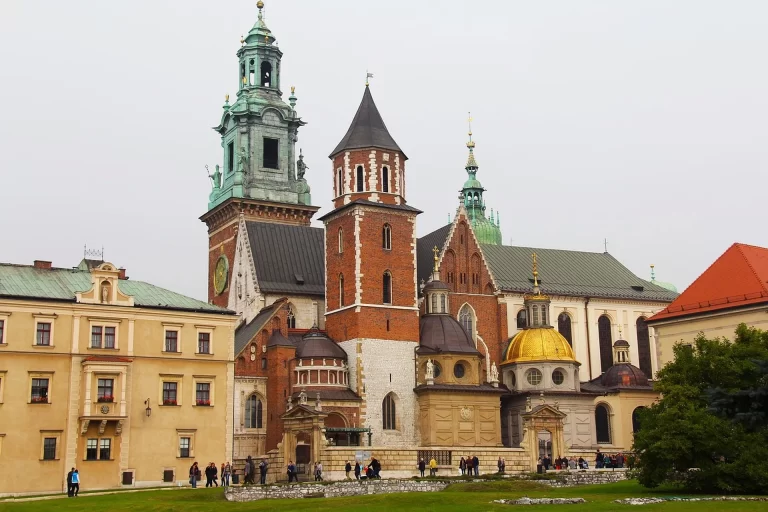
Wawel Cathedral has served as the coronation and burial site of Polish monarchs for centuries, and the building itself layers Romanesque, Gothic, Renaissance, and Baroque additions on top of each other in a way that rewards slowing down rather than moving straight through. Beyond the main nave, the cathedral holds around 18 chapels, each added by different royal or noble patrons over hundreds of years, along with royal crypts beneath the main floor. It’s considerably denser, historically, than its relatively modest footprint suggests from the outside. Each chapel typically has its own dedicated patron family, its own artistic style reflecting the period it was built, and its own small collection of tombs or memorials — treating them as a single blur on the way to the crypts means missing centuries of layered architectural history compressed into a relatively small footprint.
The Royal Tombs: Who’s Buried Here
The crypts hold the remains of most Polish kings and queens, along with national figures including Tadeusz Kościuszko and Józef Piłsudski. The Sigismund Chapel, widely considered the finest Renaissance chapel outside Italy, holds the tombs of the Jagiellonian kings and is worth deliberately slowing down for rather than glancing at in passing — its gilded dome and proportions are frequently singled out by art historians as a high point of Polish Renaissance architecture. It was commissioned by King Sigismund I in the 1510s and completed over roughly a decade by Italian architect Bartolomeo Berrecci, whose work here is credited with introducing Italian Renaissance style to Poland at a scale and quality rarely matched elsewhere in the country.
The Sigismund Bell: Climbing to Ring It
The Sigismund Bell, cast in 1520, hangs in a separate cathedral tower and is one of the largest historic bells in Poland, rung only on major state and religious occasions. Visiting the bell tower requires a separate ticket and a climb up narrow wooden stairs — not particularly difficult, but worth knowing about if you have mobility concerns or are visiting with young children. Local tradition holds that touching the bell’s clapper brings good luck, which explains the worn patch on the metal despite official signage asking visitors not to touch it. The bell itself weighs close to 11 tonnes and required a dedicated foundry effort to cast — its sheer scale is part of what makes the climb worthwhile even for visitors without a particular interest in the folklore surrounding it.
How Much Time to Give the Cathedral Specifically
Budget 45 minutes to an hour for the cathedral and crypts alone, separate from the rest of Wawel Castle. Visitors who treat Wawel Hill as a single, hour-long stop tend to shortchange the cathedral specifically, since the castle’s state rooms and treasury pull more visual attention and get more of the allotted time by default. If the cathedral’s history interests you specifically, plan for it as its own line item in your schedule rather than folding it into general Wawel Hill time. A useful mental model: if you’re allotting two to three hours total for Wawel Hill, treat the cathedral as its own 45-60 minute block rather than whatever time happens to be left over after the castle’s state rooms and treasury. Visitors who plan it this way consistently report feeling less rushed than those who let the castle’s larger footprint dictate the schedule by default.
Tickets: What’s Included and What Costs Extra
The cathedral’s main nave is free to enter, but the royal tombs, crypts, and bell tower each require separate paid tickets, sold at a ticket office near the cathedral entrance rather than bundled automatically with Wawel Castle tickets. This trips up a fair number of visitors who assume a single Wawel ticket covers everything on the hill. If you want a guide to walk you through the tombs and chapels with context, the Wawel guided tour covering the cathedral handles ticketing and the historical narration together. For the full castle-and-cathedral picture, Marta’s breakdown of which Wawel tickets you actually need untangles the ticket structure in more detail. It’s worth noting that ticket counters near the cathedral can queue up quickly during peak midday hours in summer, so buying your cathedral tickets either online in advance or first thing in the morning avoids losing time you’d rather spend inside.
Best Time to Visit
Mornings, particularly right at opening, are noticeably quieter in the cathedral than later in the day, when tour groups moving through the wider castle complex tend to pass through in clusters. The cathedral closes earlier than some castle sections and observes different hours on Sundays and religious holidays due to its function as an active place of worship, so check current hours specifically rather than assuming they match the castle’s. Sunday mornings in particular can mean partial closures during Mass, so if a Sunday visit is unavoidable, aim for early afternoon once services have concluded to guarantee full access to the tombs and chapels.
What Locals Notice
Krakow locals who bring visiting family through Wawel tend to steer them toward the Sigismund Chapel specifically, since it’s easy to walk past among the cathedral’s many other chapels without realizing which one holds the most significance. It’s a small piece of local knowledge that changes how a rushed cathedral visit lands — knowing which single chapel to slow down for, even if you can’t linger everywhere.
The Cathedral Museum
A smaller cathedral museum, housed in adjoining rooms, displays liturgical vestments, royal insignia replicas, and papal memorabilia connected to Karol Wojtyła, who served as Archbishop of Krakow before becoming Pope John Paul II. It’s a quieter, less-visited stop than the main cathedral and crypts, typically adding 20 minutes if you choose to include it, and offers a different angle on the cathedral’s role beyond royal burials — its connection to more recent Polish religious history. For visitors with a specific interest in John Paul II’s connection to Krakow, this small collection offers a more intimate counterpoint to the larger pilgrimage sites elsewhere in the city, and rarely sees the crowds that build up around the main royal tombs.
Accessibility Inside the Cathedral
The main cathedral nave is accessible via a level entrance, but the crypts are reached by narrow stone stairs that aren’t wheelchair accessible, and the bell tower climb is stairs-only throughout. Visitors with mobility limitations can still see a meaningful portion of the cathedral’s history in the main nave and several ground-floor chapels, even if the crypts and tower aren’t feasible.
Photography Rules
Photography without flash is generally permitted in the main cathedral nave, but the crypts and certain chapels restrict photography out of respect for their function as active burial and worship spaces. Staff periodically remind visitors of these restrictions, and it’s worth checking signage at each specific chapel or crypt entrance rather than assuming blanket permission throughout the building. Video recording is generally more restricted than still photography across the whole cathedral, so check specifically if you’re planning to film rather than take photos.
What to Read Next
- Wawel Castle, the Main Market Square and Krakow’s Old Town
- Wawel Castle Tickets Explained: Which of the Many Tickets You Need
Frequently Asked Questions
How long should I spend in Wawel Cathedral?
Budget 45 minutes to an hour for the cathedral and crypts specifically, separate from the rest of Wawel Castle.
Is Wawel Cathedral free to enter?
The main nave is free, but the royal tombs, crypts, and Sigismund Bell tower each require separate paid tickets sold near the cathedral entrance.
Who is buried in the Wawel Cathedral crypts?
Most Polish kings and queens, along with national figures including Tadeusz Kościuszko and Józef Piłsudski.
Can I climb the tower to see the Sigismund Bell?
Yes, with a separate ticket. The climb involves narrow wooden stairs, worth noting if you have mobility concerns or are visiting with young children.
Which chapel in Wawel Cathedral is most worth seeing?
The Sigismund Chapel is widely considered the finest Renaissance chapel outside Italy and holds the tombs of the Jagiellonian kings.
Plan your visit: Official site · Google Maps