Zakopane in Winter vs Summer: When the Trip Is Actually Worth Making
Zakopane in winter vs summer are close to two different destinations wearing the same name. The mountain town at the foot of the Tatras shifts its whole character with the season — what’s worth doing, what’s worth skipping, and whether the roughly two-hour trip from Krakow pays off at all depends heavily on when you go. For a broader look at how the trip fits into a Krakow visit, see Marta’s guide to day trips from Krakow.
What Winter Actually Looks Like in Zakopane
Winter in Zakopane runs roughly December through March, with snow reliably on the ground from late December and skiing conditions at their best in January and February. The town leans hard into its role as Poland’s main ski hub during these months — Krupówki street fills with skiers in boots clomping between shops, and the Kasprowy Wierch cable car becomes the access point for genuinely serious alpine skiing rather than just a scenic ride.
Cold is a real factor. Daytime temperatures in town often sit between -5°C and 2°C, and considerably colder at altitude on the cable car’s upper station, where wind chill can make a T-shirt-and-jacket combination miserable within minutes. Layering matters more here than almost anywhere else on a typical Krakow itinerary.
Daylight is also worth planning around in winter — the sun sets as early as 3:30-4pm in December, which compresses the useful window for the cable car and any hiking to just a few hours if you’re travelling from Krakow as a day trip rather than staying overnight. Building in an early departure matters more in winter than in any other season.
What Summer Actually Looks Like in Zakopane
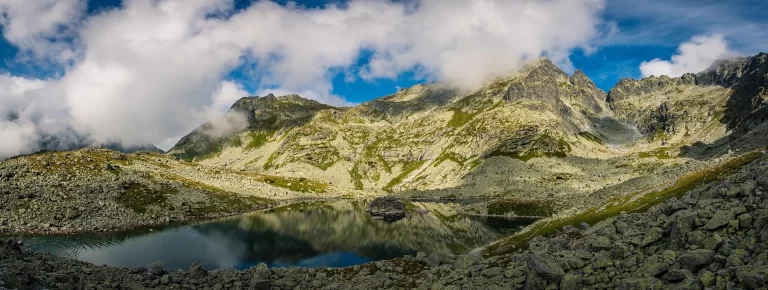
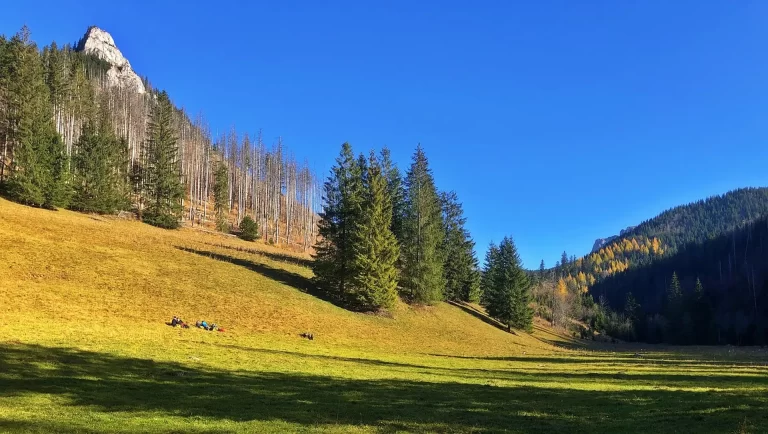
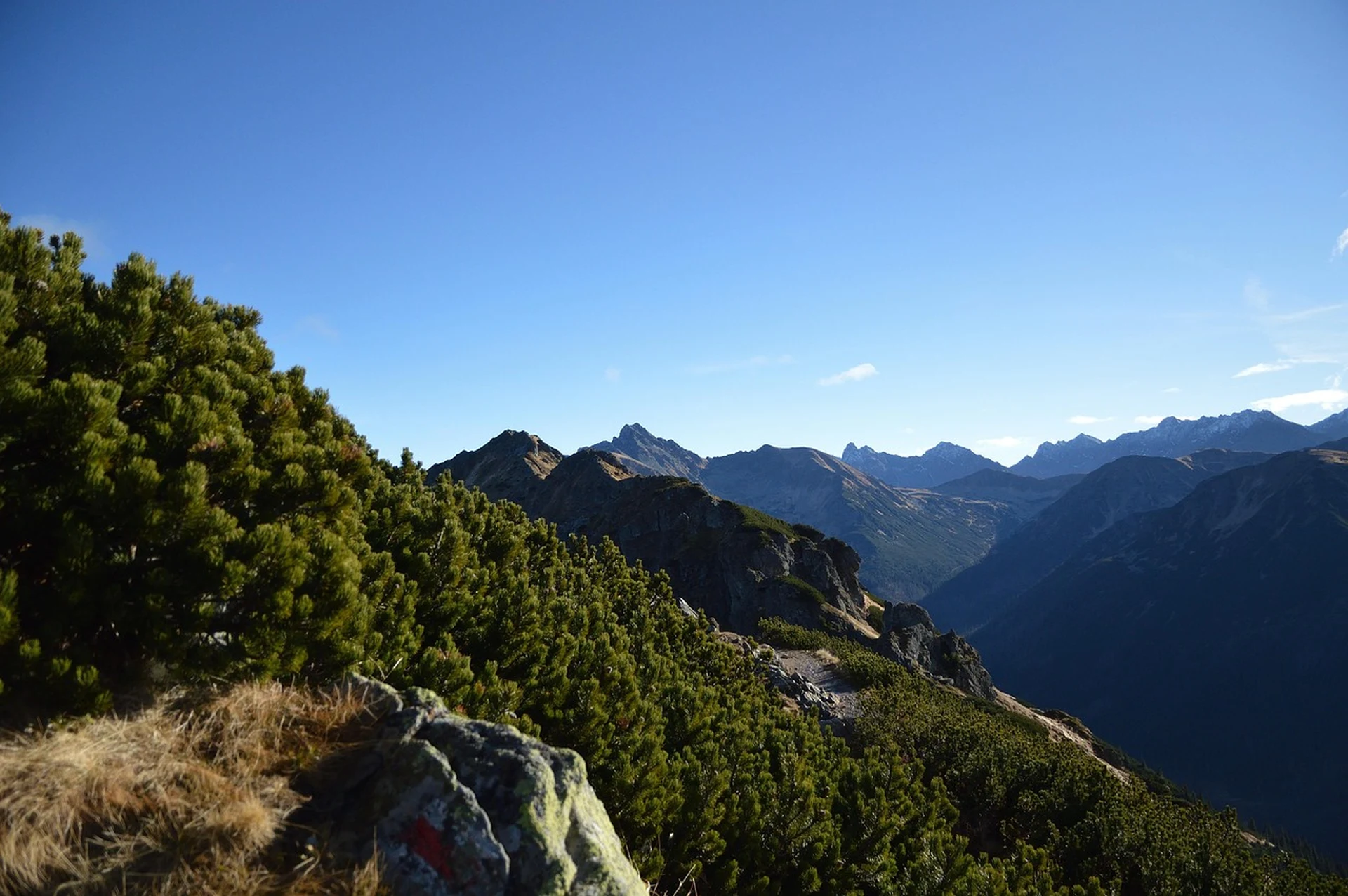
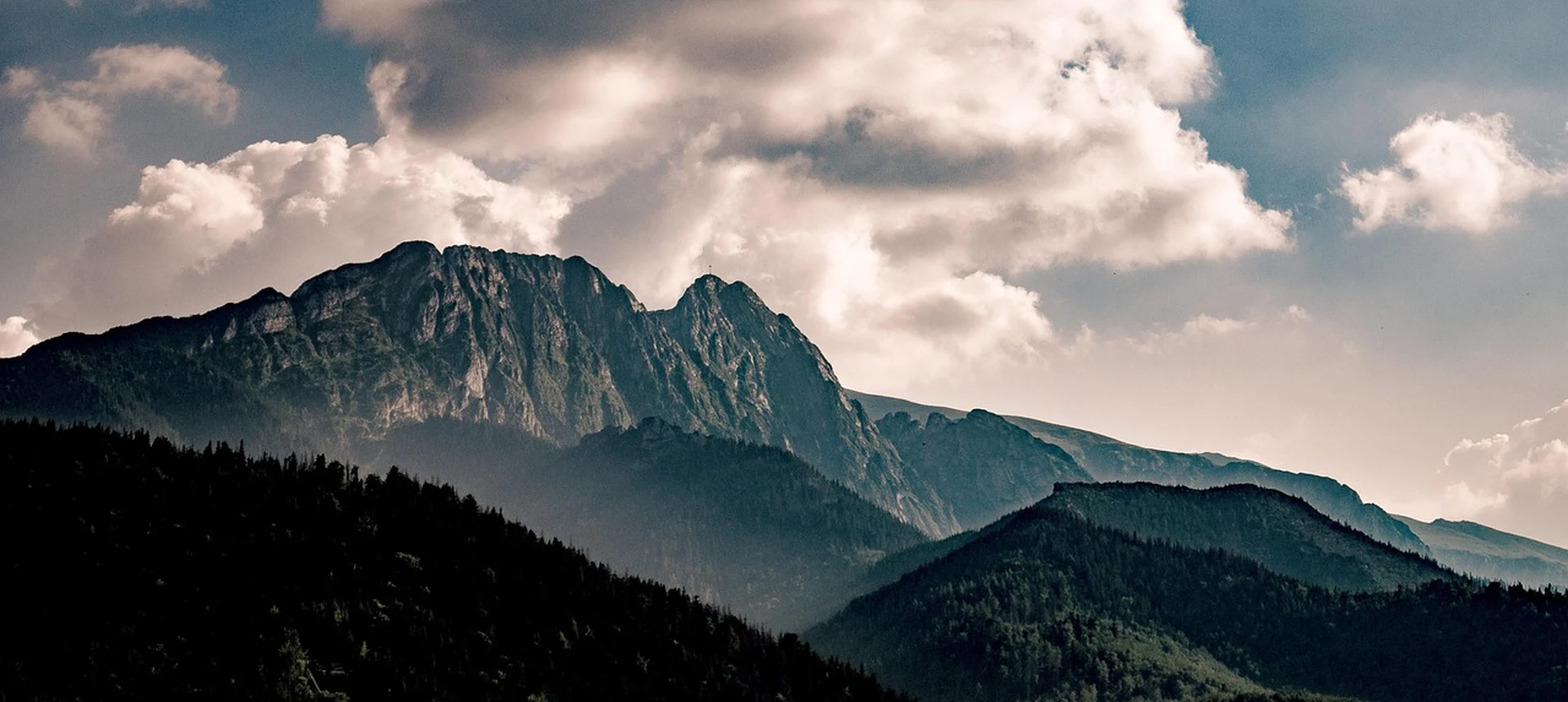
Summer — roughly June through September — turns Zakopane into a hiking base instead of a ski base. The Tatra National Park’s trail network opens fully, temperatures sit in a comfortable 18-25°C range in town, and the emphasis shifts from cable-car-and-café days to genuine multi-hour hikes toward peaks like Giewont or the trails around Morskie Oko, one of the park’s best-known lakes.
Crowds peak in July and August, when Polish domestic tourists join international visitors and Krupówki street can feel closer to a festival than a mountain town on a warm Saturday evening. Trailheads and parking near the most popular routes fill early, often before 9am on clear-weather weekends.
On the upside, summer’s longer days — with light lasting past 8pm in June and July — make it realistic to combine a serious hike with time on Krupówki street and still get back to Krakow at a reasonable hour, something winter’s short days simply don’t allow.
Which Season Suits Which Traveller
Families travelling with young children tend to do best in late spring or early autumn, when temperatures are mild enough for a relaxed pace and neither ski gear nor serious hiking boots are required — the cable car, Gubałówka’s funicular and a stop at the thermal baths cover most of a comfortable day without pushing anyone’s stamina.
Skiers and anyone drawn to snow scenery has an easy answer — winter, ideally January or February for the most reliable conditions, though early-season snow can be thin some years. Hikers aiming for serious trail time need summer; most of the high-altitude routes are closed or genuinely dangerous without mountaineering equipment once snow sets in. Visitors mainly interested in the cable car ride, the thermal baths, and a walk down Krupówki without a specific athletic goal can reasonably visit in either season, though summer offers more daylight and more flexibility if plans change.
Marta’s breakdown of the best day trips from Krakow ranked by distance is worth checking if Zakopane is one of several day-trip options under consideration rather than a fixed plan.
Shoulder Season: The Case for April, May, October and November
The shoulder months get overlooked, and that’s often a mistake. Late spring and early autumn bring milder temperatures than winter, thinner crowds than summer, and — particularly in October — genuinely striking foliage color across the lower slopes. The tradeoff is unpredictability: snow can linger into May at higher elevations, and some cable car sections occasionally close for maintenance in these transitional windows, so checking current operating status before travelling matters more here than in peak winter or summer.
November in particular tends to be overlooked entirely, since it falls between the last of the autumn color and the first reliable snow — but for visitors mainly interested in the town itself, the thermal baths and a quiet walk rather than either skiing or serious hiking, it’s arguably the least crowded month of the year to make the trip.
What Changes for the Cable Car and Thermal Baths
The Kasprowy Wierch cable car runs year-round except for scheduled maintenance closures, typically in late spring, but the experience at the top changes completely by season — a snow-covered ridge with ski runs in January, a rocky alpine landscape with hiking trails in July. Thermal baths near Zakopane operate year-round and are arguably at their best in winter, when soaking in outdoor hot pools surrounded by snow is a genuinely memorable contrast most visitors don’t expect.
Booking and Pricing Differences by Season
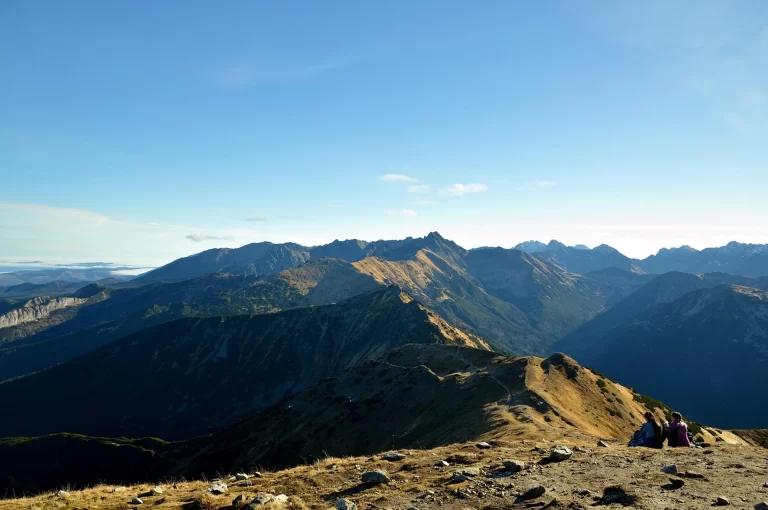
Visibility from the top of Kasprowy Wierch also varies meaningfully by season — winter’s clear, cold days often deliver the sharpest views across the Tatra range, while summer haze on hot afternoons can dull the panorama considerably. Early morning departures help in either season, but especially in summer.
Booking transport and any tickets a few days ahead is sensible in either peak season, though winter ski-break weekends and August weekends both warrant booking at least a week out if a specific departure time matters. Shoulder-season trips are far more forgiving and can often be arranged just a day or two in advance.
Winter weekends, especially during Polish school ski breaks (which vary by region but generally fall across January and February), see the highest demand and prices for both accommodation in Zakopane and any organized tours from Krakow. Summer weekends run a close second. Weekday visits in either season, or any visit during the shoulder months, tend to be both cheaper and considerably less crowded at the cable car queue.
What Locals Notice
Krakow locals who make this trip repeatedly tend to favor midweek visits regardless of season, since the weekend crowd difference in Zakopane is often more dramatic than the seasonal one — a quiet Tuesday in August can move faster through the cable car line than a busy Saturday in what’s technically the off-season.
For travellers who want the full mix — cable car, a taste of the thermal baths, and a walk down Krupówki without committing to a serious hike — this Zakopane cable car and thermal baths day tour from Krakow runs across both seasons and handles the transport either way.
What to Read Next
- Day Trips and Excursions from Krakow: Zakopane, the Tatras and the Region
- Best Day Trips from Krakow Ranked by Distance and What You Get
- Zakopane and Tatra Mountains Tour: Cable Car, Trails and Thermal Baths
- How to Get from Krakow to Zakopane: Bus, Train or Private Transfer
Frequently Asked Questions
Is Zakopane better in winter or summer?
It depends on what you want. Winter suits skiers and snow scenery; summer suits hikers aiming for the Tatra trails. For a general first visit without a specific athletic goal, either season works reasonably well.
Does the Kasprowy Wierch cable car run in both seasons?
Yes, it operates year-round aside from scheduled maintenance closures, typically in late spring. The scenery and activities at the top change completely between a snowy winter ridge and a rocky summer hiking landscape.
When is Zakopane least crowded?
Weekday visits during the shoulder months — April, May, October and November — tend to be the quietest, though snow conditions and some closures can be less predictable during these transitional periods.
Plan your visit: Official site · Google Maps