Day Trips and Excursions from Krakow: Zakopane, the Tatras and the Region
Zakopane is the single most popular day trip from Krakow, and the mountain town anchors a wider list of worthwhile excursions — thermal springs, national parks, pilgrimage towns, and quiet small cities — all within a few hours’ reach of the city. This guide covers the day trips that actually justify the travel time: Zakopane and the Tatra Mountains first, then quieter alternatives like Ojców and Tarnów, and the pilgrimage town of Częstochowa, along with honest notes on distance, what each trip includes, and which ones are worth it versus which ones sound better on paper than they are in practice.
Zakopane: Krakow’s Most Popular Day Trip
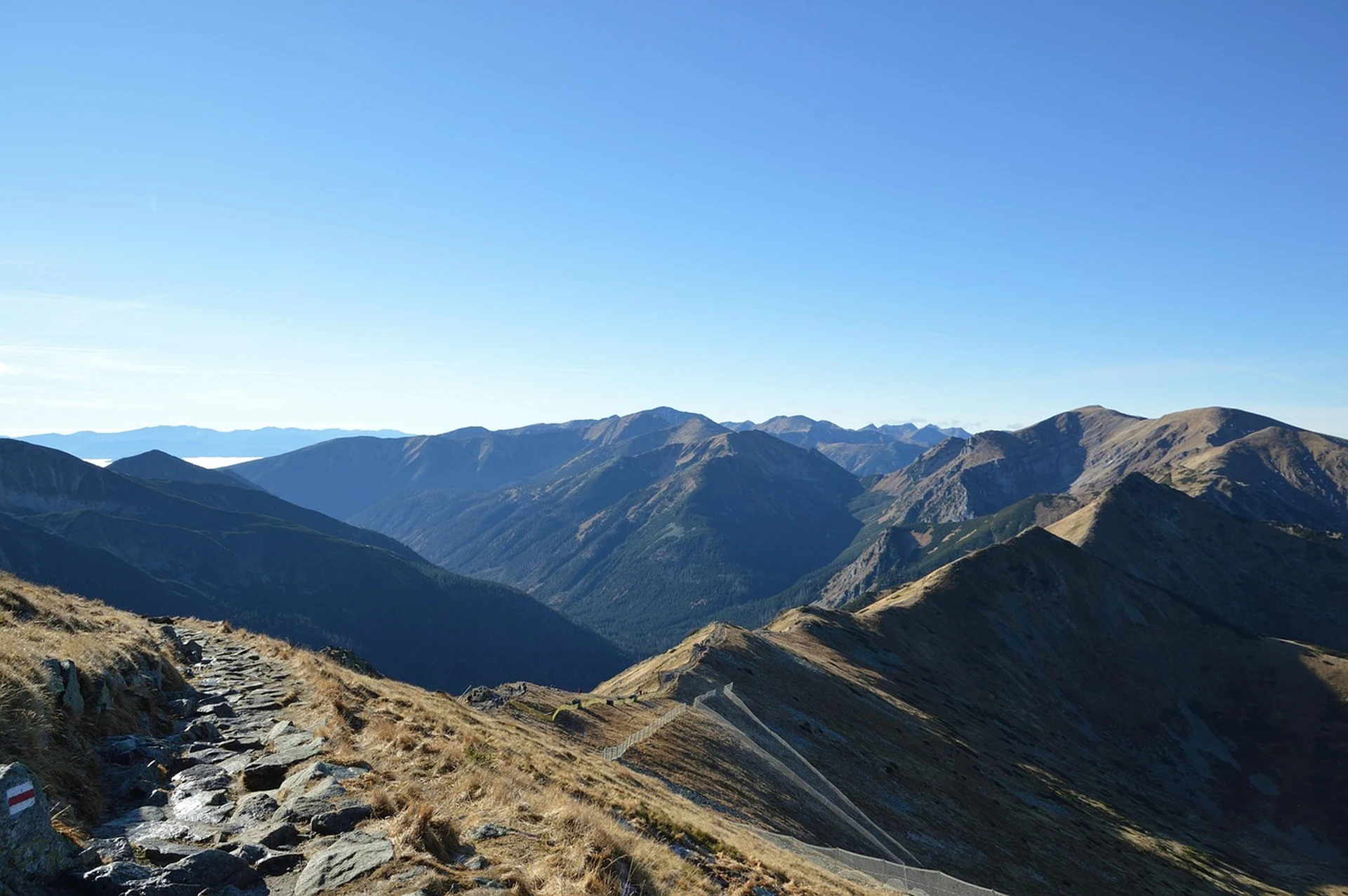
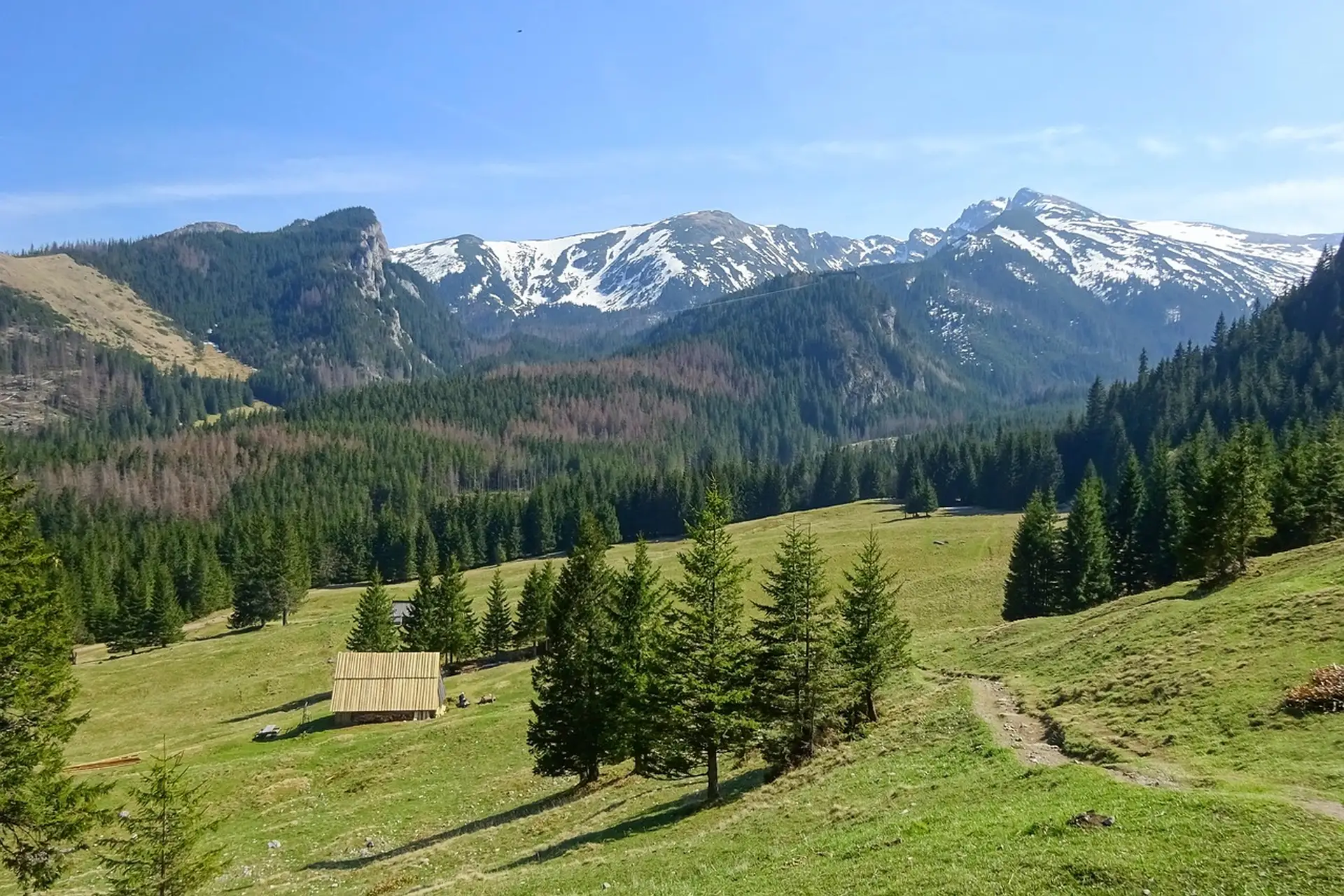
Zakopane is Poland’s unofficial mountain capital, sitting at the base of the Tatra Mountains roughly two hours south of Krakow by car or bus. It’s the most-booked day trip from the city by a wide margin, and for good reason: it delivers a legitimately different landscape and culture — wooden highlander architecture, mountain trails, thermal baths, and a regional cuisine built around smoked cheese and mountain lamb — all reachable and returnable within a single day.
The town itself has a walkable main pedestrian street (Krupówki) lined with market stalls, restaurants, and the region’s distinctive carved-wood buildings. Most organized day trips combine a stretch of free time in the town with one or two structured stops — a cable car ride, a thermal bath session, or a highlander-village visit — rather than leaving the whole day unstructured.
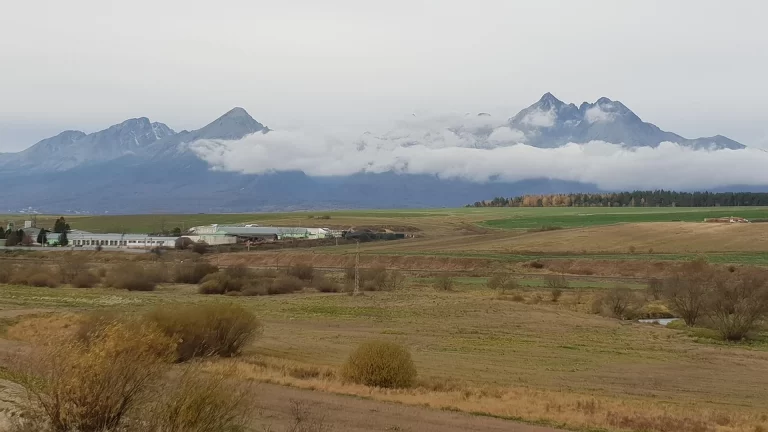
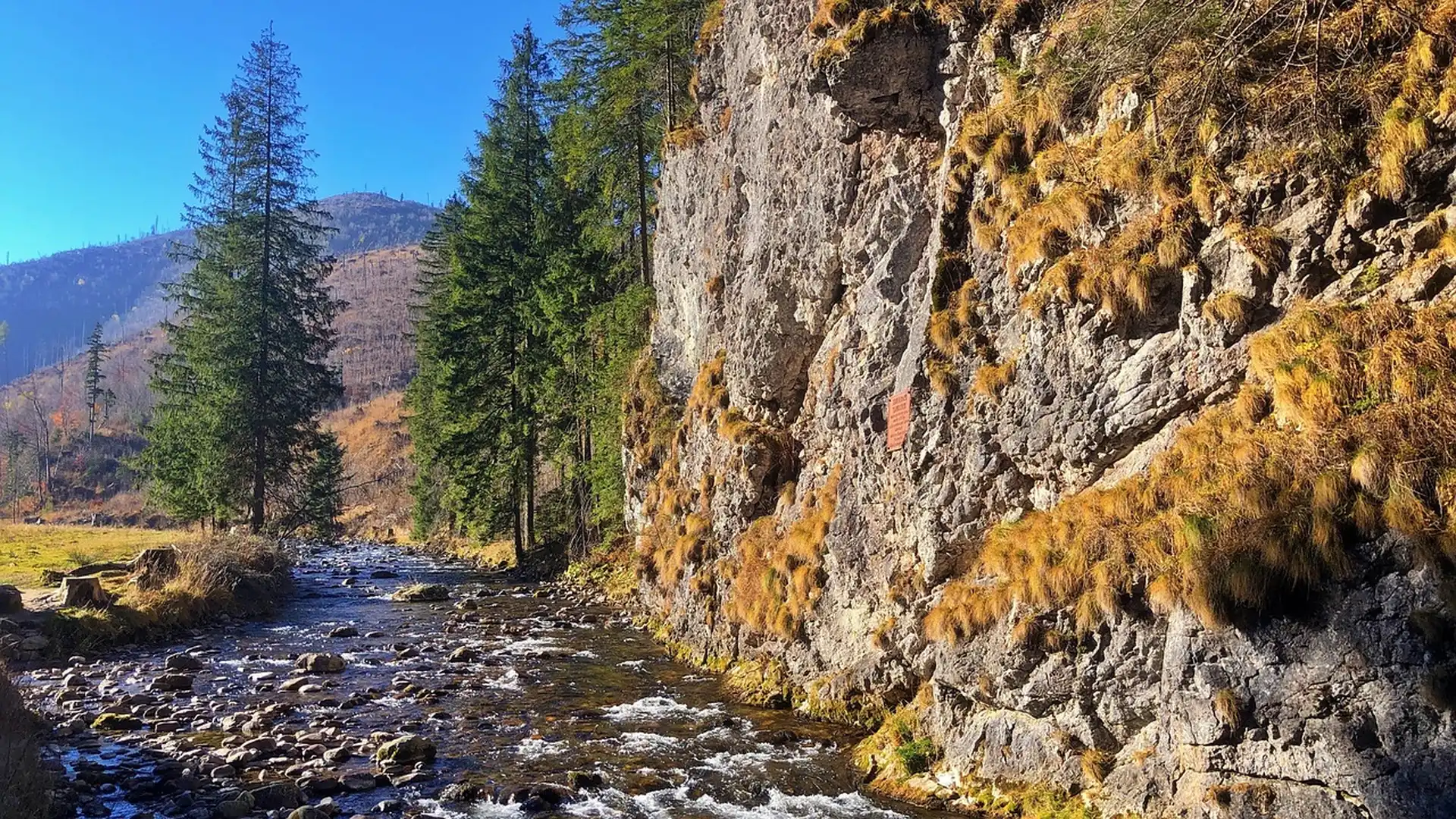
The Tatra Mountains themselves form a natural border with Slovakia, and the Polish side — protected as Tatra National Park — offers hiking terrain that ranges from easy valley walks to serious alpine routes. A day trip only scratches the surface of what the park actually contains, which is part of why so many visitors who come once for a day trip return later for a longer stay focused specifically on hiking.
Is Zakopane Worth the Drive?
Marta’s honest take: yes, but manage expectations about how much mountain you actually get in a day trip format. The classic cable car up Kasprowy Wierch reaches genuine high-alpine terrain, but weather and queues can eat significant time, and many day-trip itineraries substitute the shorter Gubałówka funicular instead, which gives sweeping views without the altitude or the crowds. If dramatic hiking is the goal, Zakopane deserves an overnight stay rather than a single day. As a day trip, it’s better understood as a taste of the region — mountain views, a thermal soak, local food — than a serious hiking expedition.
What a Typical Zakopane Day Trip Includes
| Stop | What It Offers | Typical Time |
|---|---|---|
| Chochołów village | Traditional wooden architecture, quiet walking street | 30-45 min |
| Cheese & vodka tasting | Local oscypek smoked cheese, regional vodka | 20-30 min |
| Zakopane town (Krupówki) | Market stalls, restaurants, free time | 1.5-2.5 hrs |
| Gubałówka funicular or cable car | Panoramic Tatra Mountain views | 45-60 min |
| Chochołowskie / Bukowina thermal baths (some tours) | Outdoor hot springs, mountain-view soaking pools | 2-3 hrs (separate add-on tours) |
The most-booked version of this trip bundles the cable car, the highlander village, and cheese-and-vodka tasting into one day — see current availability and pricing for the top-rated Zakopane cable car and tasting tour here.
Zakopane with Thermal Baths: The Longer Version
Visitors who want the thermal-bath experience specifically should look for a tour built around it rather than assuming every Zakopane day trip includes soaking time — bath access adds several hours and usually replaces some of the town free-time rather than adding to it. this Zakopane tour with thermal springs and cable car is worth checking for current availability if soaking in mountain-view hot springs is the priority over maximizing time in town.
How to Get from Krakow to Zakopane Independently
For travellers who’d rather skip an organized tour, direct buses run from Krakow’s main bus station roughly every 30-60 minutes in peak season, taking about two to two and a half hours depending on traffic through the mountain roads. Minibuses (“busy”) are faster but less comfortable and don’t run on a fixed timetable — they leave when full. A private transfer costs more but removes the timing uncertainty entirely, which matters most on a tight one-day schedule where missing a return bus has real consequences.
Independent travel makes the most sense for visitors with more Zakopane-specific goals — serious hiking, an overnight stay, or a specific thermal bath complex — since it isn’t tied to a group itinerary’s fixed stops and timing.
Return timing deserves particular attention on the independent route — the last direct bus back to Krakow can run earlier than visitors expect, especially outside peak season, and missing it means an expensive private transfer or an unplanned overnight stay. Checking the return schedule before setting out, rather than assuming buses run late into the evening, avoids the single most common mistake independent Zakopane day-trippers make.
Zakopane in Winter vs Summer
Summer (June-September) is the easier season for a day trip: longer daylight, reliable road conditions, and full access to hiking trails and the cable cars. Winter turns Zakopane into a ski destination, and the town itself gets genuinely festive, but day-trip logistics get harder — mountain roads can be slower in snow, and the cable car up Kasprowy Wierch sometimes closes in high wind, which is more common in winter months. Locals who’ve made the trip in both seasons generally recommend summer or the shoulder months (May, September) for a first visit, saving a dedicated winter trip for travellers specifically after skiing or snow scenery.
Best Day Trips from Krakow, Ranked by Distance
| Destination | Distance / Travel Time | Best For |
|---|---|---|
| Wieliczka Salt Mine | 15 km / ~25 min | First-time visitors, families, history |
| Ojców National Park | 25 km / ~35-45 min | Nature, caves, a quieter half-day |
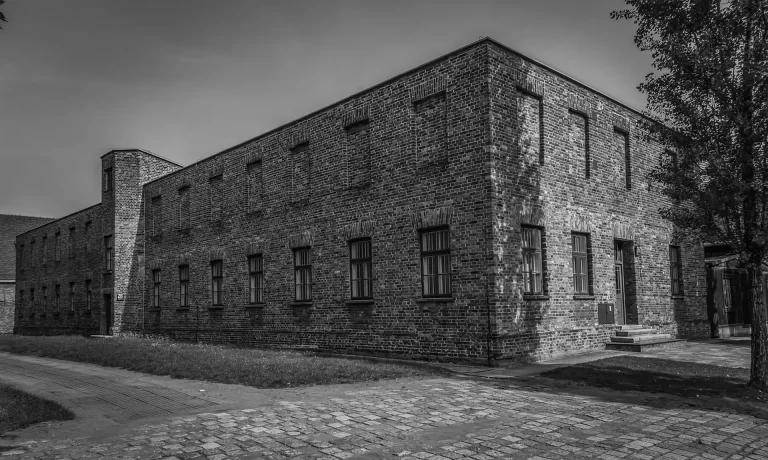
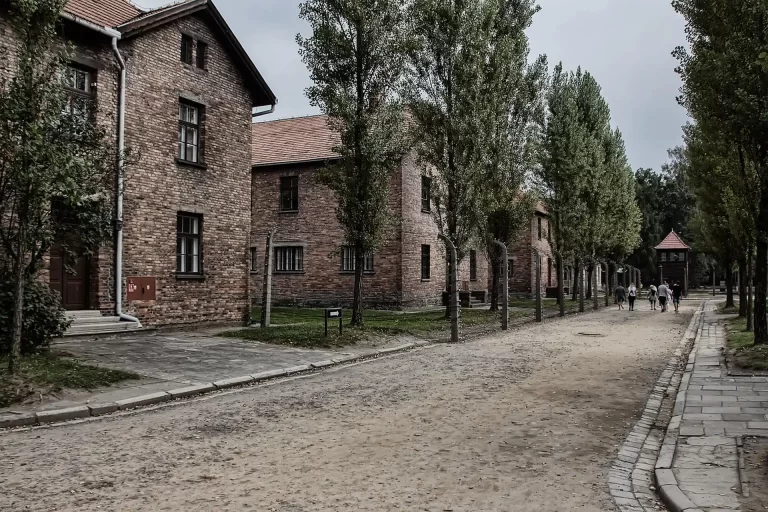
| Auschwitz-Birkenau | 70 km / ~1.5 hrs | History, WWII memorial visit |
| Tarnów or Bochnia | 80-90 km / ~1.5 hrs | Quiet alternatives, fewer crowds |
| Częstochowa | 140 km / ~2.5 hrs | The Black Madonna, pilgrimage sites |
| Zakopane & the Tatras | 100 km / ~2 hrs | Mountains, thermal baths, a full day out |
Ojców National Park: The Skipped Day Trip
Ojców is the smallest national park in Poland and one of the least-visited day trips this close to Krakow, largely because it doesn’t market itself the way Zakopane or Wieliczka do. It combines limestone caves (including the well-known Łokietek Cave), a small hilltop castle ruin, and gentle valley walking trails — a genuinely different pace from the more structured tourist circuit. It works well as a half-day addition paired with something else, rather than a full standalone day, and rewards visitors who prefer a quieter, less curated experience over a headline attraction.
Marta’s note: Ojców rewards visitors who’ve already done the bigger-name day trips and want something quieter on a return visit, or first-timers who’d rather avoid the bus-loads of tourists that Zakopane and Wieliczka both draw in peak season. It’s reachable by regional bus or car in well under an hour, making it one of the easiest half-day additions to a longer Krakow stay.
Częstochowa and the Black Madonna
Częstochowa is Poland’s most significant pilgrimage site, home to the Jasna Góra Monastery and the Black Madonna icon — a painting with centuries of religious significance that draws millions of pilgrims annually, including a major August pilgrimage on foot from Warsaw. Visitors don’t need to be religious to find the monastery and its museum worth the visit; the site’s scale and the atmosphere around it (especially the queue of pilgrims touching or praying before the icon) offer a different kind of cultural experience than the pilgrimage isn’t. At roughly 2.5 hours each way, it’s a longer day trip than Zakopane and best suited to visitors specifically interested in the religious or historical angle rather than general sightseeing.
The complex also includes a small museum covering the monastery’s history and its role during Poland’s partitions and wartime occupations — the icon itself carries centuries of national as well as religious symbolism, having reportedly survived multiple attempted thefts and a 15th-century attack that left visible scars on the painting, scars that were deliberately left unrepaired.
Packing and Practical Tips for Zakopane
Even in summer, mountain weather shifts fast — a warm morning in Krakow can mean a cold, windy afternoon at the top of a Tatra cable car. Locals heading up for the day usually pack a light waterproof layer regardless of the forecast down in the city, along with comfortable closed shoes if any walking beyond Krupówki is planned. Cash is worth carrying in small amounts for market stalls and the cheese-and-vodka tasting stops, since not every roadside vendor takes cards.
Motion sickness is a real, if minor, consideration — the mountain roads between Krakow and Zakopane involve enough winding turns that anyone prone to car sickness should sit toward the front of the vehicle and consider medication in advance rather than discovering the problem an hour into the drive.
Combining Zakopane with Other Krakow Day Trips
Zakopane’s length as a day trip (typically 10-11 hours door to door) generally rules out pairing it with another full excursion on the same day. Visitors with only one or two spare days in Krakow tend to get more value choosing between Zakopane and a shorter trip like Wieliczka rather than trying to compress both into a single stay — see our guide to planning a full Krakow itinerary for how to sequence day trips against time in the city itself.
Tarnów and Bochnia: The Quiet Alternatives
Tarnów, about 80 km east of Krakow, has a well-preserved Old Town with a distinct Renaissance character and a much lower visitor count than Krakow’s own Main Square — locals who want to show visiting family “real” small-town Poland without a crowd often suggest Tarnów over anywhere closer. Bochnia, slightly nearer, has its own salt mine (older than Wieliczka’s, though smaller and less visited) and makes a reasonable substitute for travellers who want the underground salt-mine experience without Wieliczka’s bigger crowds.
Neither town has significant organized tour infrastructure the way Zakopane or Wieliczka do, which is part of the appeal but also means independent travel (train or car) is the more practical route rather than waiting for a packaged day-trip option to appear.
Booking Tips: Group Tours vs Private Transfers
Standard group day trips to Zakopane run in vans or coaches with 15-20 other travellers, follow a fixed itinerary, and cost noticeably less than private alternatives — for most visitors, especially first-timers, this is the sensible default. Private transfers or private guided tours cost several times more but allow the itinerary to flex around your pace: more time at the thermal baths, less time at a tasting stop that doesn’t interest you, or an earlier start to beat the crowds at the cable car. Families with young children or travellers with mobility considerations tend to get the most value out of paying for the private option, since fixed-schedule group tours don’t accommodate slower pacing well.
What Locals Skip on the Zakopane Day Trip
Marta’s honest note from friends who’ve guided visiting family through Zakopane more than once: the cheese-and-vodka tasting stop, while a fun add-on, is the part locals are most likely to treat as optional if time is tight — it’s enjoyable but not essential, and the same oscypek cheese is available at stalls throughout the town itself. The parts locals rarely skip are the mountain viewpoint (cable car or funicular) and genuine free time in town, since those are the two elements that actually deliver the “this feels like a different country” sensation the trip is known for.
Choosing a Day Trip Based on What You Actually Want
The honest way to pick among these options is to start with what kind of day you want, not which destination sounds most famous. Visitors chasing dramatic scenery and a genuine change of landscape should prioritize Zakopane, even with its longer travel time. Those short on time or energy but wanting one solid “day trip experience” without much of a commute do better with Wieliczka. Travellers who’ve already covered the obvious sites and want something that feels more like a discovery than a checklist item should look at Ojców, Tarnów, or Bochnia. And visitors with a genuine interest in religious history or pilgrimage culture, rather than sightseeing for its own sake, get the most out of Częstochowa specifically.
It’s worth being realistic about fatigue, too — Krakow itself has enough to fill several full days, and stacking day trips back-to-back on a short stay often means arriving back in the city too tired to enjoy an evening out. Locals who plan trips for visiting friends and family tend to cap it at one day trip per two or three days in the city, rather than trying to fit one in every single day.
What to Read Next
- Zakopane Day Trip from Krakow: Is the Mountain Town Worth the Drive?
- Best Day Trips from Krakow Ranked by Distance and What You Get
- Zakopane and Tatra Mountains Tour: Cable Car, Trails and Thermal Baths
- Ojców National Park from Krakow: The Castle-and-Cave Day Most Skip
- Częstochowa and the Black Madonna: A Day Trip for the Curious, Not Just Pilgrims
- Tarnów or Bochnia from Krakow: Quieter Alternatives to the Crowds
- How to Get from Krakow to Zakopane: Bus, Train or Private Transfer
- Zakopane in Winter vs Summer: When the Trip Is Actually Worth Making
Frequently Asked Questions
How far is Zakopane from Krakow?
About 100 kilometres, roughly two to two and a half hours by car or bus depending on traffic and season.
Is Zakopane worth a day trip from Krakow?
Yes for a taste of the mountains, town, and local food — but serious hiking or the full Tatra Mountain experience is better suited to an overnight stay.
What is the best day trip from Krakow besides Zakopane?
Wieliczka Salt Mine and Auschwitz-Birkenau are the two most-booked alternatives; Ojców National Park is the best under-the-radar option for a quieter half-day.
Can I visit Zakopane independently without a tour?
Yes — direct buses run from Krakow’s main bus station roughly every 30-60 minutes in peak season, taking about two to two and a half hours.
Is Częstochowa worth visiting from Krakow?
Yes for visitors interested in the Black Madonna and Jasna Góra Monastery specifically — at 2.5 hours each way, it’s a longer day trip best suited to that particular interest.
When is the best time to visit Zakopane?
Summer and shoulder months (May-September) are easiest for a day trip; winter is better for skiing but adds logistics complexity for a single-day visit.
Krakow’s location makes it an unusually good base for day trips — mountains, salt mines, pilgrimage towns, and quiet Renaissance squares all sit within a few hours’ reach. The trick is matching the trip to what you actually want out of the day: Zakopane for mountains and atmosphere, Ojców for a quiet nature reset, Częstochowa for something more reflective, and the smaller towns like Tarnów when what you want most is simply fewer crowds.
Plan your visit: Official site · Google Maps