Communist-Era Krakow and Nowa Huta: Cold War Tours and the Steel-Town Story
Nowa Huta is the part of Krakow most first-time visitors never see, and it’s arguably the most historically distinct — a planned socialist city built from nothing in the late 1940s, designed as an ideological showcase around one of Europe’s largest steelworks. Where the Old Town survived WWII largely intact and reads as centuries of layered history, Nowa Huta is the opposite: a single, deliberate act of urban planning meant to reshape Krakow’s intellectual, church-going population by building a new industrial working class next door. This guide covers what’s actually there, how to visit (guided or self-directed), and why the district matters beyond its retro-car tour reputation.
Why Nowa Huta Exists
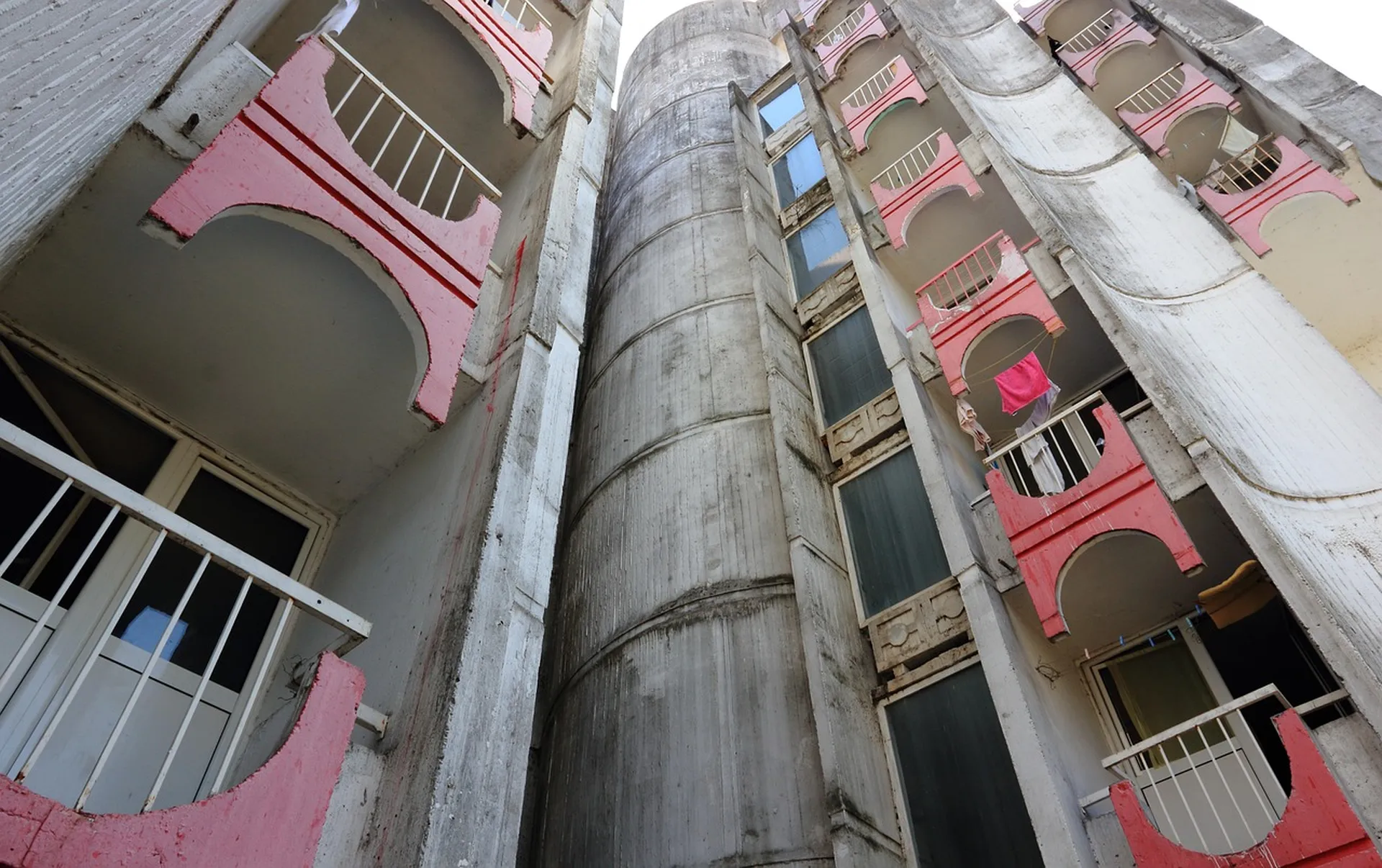
After WWII, Krakow was seen by Poland’s new communist government as a problem: a historically Catholic, intellectual, bourgeois city with no natural industrial working class to counterbalance it. The solution was to build one from scratch. Nowa Huta (“New Steelworks”) was constructed starting in 1949 a few kilometres east of the Old Town, centred on the massive Vladimir Lenin Steelworks (later renamed Sendzimir Steelworks), and populated by tens of thousands of workers recruited from rural Poland specifically because they had no ties to Krakow’s existing civic or religious institutions.
The irony, which most guides who grew up in or near Nowa Huta will point out, is that the plan backfired. Rather than diluting Krakow’s Catholic and independent-minded character, Nowa Huta itself became a centre of anti-communist resistance — workers here played a significant role in Poland’s Solidarity movement in the 1980s, and the district’s own church (Arka Pana, built only after years of resistance from the state) became a genuine symbol of defiance.
It’s worth sitting with how deliberate this was: an entire city, complete with housing, schools, cinemas, and shops, built specifically to import a new population loyal to the state into a city the state didn’t trust. Locals who grew up in Nowa Huta often describe a strange dual identity — proud of the district’s architecture and its later role in resisting the very system that built it, while acknowledging the genuinely difficult conditions their parents and grandparents lived through as steelworkers.
What Nowa Huta Actually Looks Like
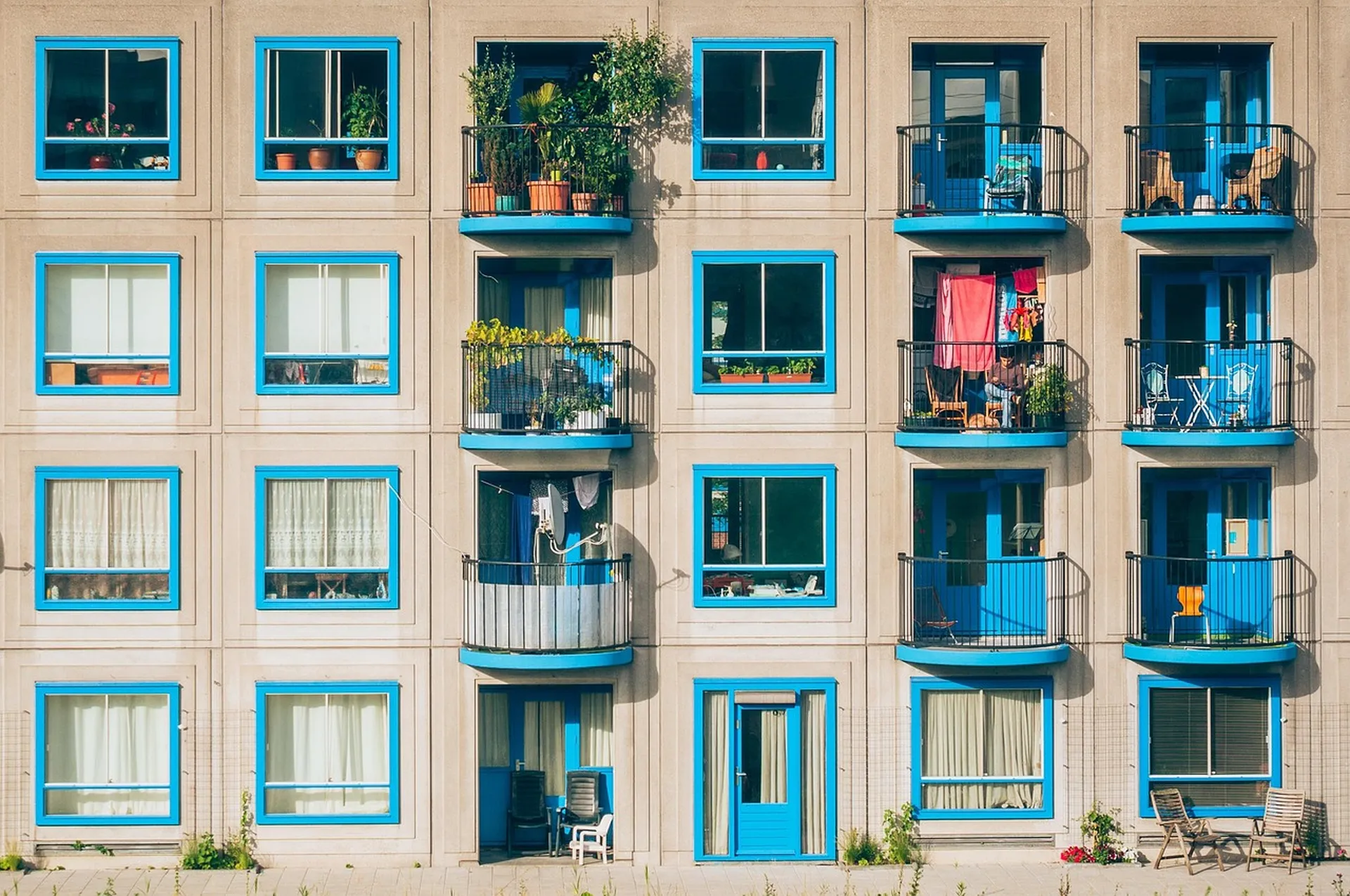
Architecturally, Nowa Huta is one of the most complete examples of Socialist Realist urban planning left in Europe. The district centres on Plac Centralny (Central Square, renamed Ronald Reagan Square after 2004), radiating out into wide boulevards lined with monumental, symmetrical apartment blocks designed to evoke Renaissance grandeur rather than the grim concrete towers many visitors expect. The scale is the striking part — wide avenues built for parades, generous green space, and buildings meant to look like palaces for workers, all built to a single unified plan rather than growing organically over centuries the way the Old Town did.
Walking or driving down one of the main boulevards, the repetition is deliberate and part of the point — unlike the Old Town’s centuries of organic, mismatched growth, every building here was designed as part of a single master plan, meant to be viewed as a unified whole rather than admired building by building.
Nowa Huta Guided Tours: Vintage Cars and Beyond
The most popular way to see Nowa Huta is a guided tour by retro Communist-era vehicle — Trabants, Fiat 126s, Ladas, and Soviet UAZ jeeps are all used by different operators. It’s a genuinely fun format that also happens to suit the district well: much of what makes Nowa Huta interesting (its scale, its planned layout, the steelworks in the distance) reads better from a slow-moving vehicle with a guide narrating than from a fixed walking route.
| Tour Style | What It Covers | Best For |
|---|---|---|
| Vintage car group tour | Central Square, key monuments, steelworks viewpoint, guide narration | Most visitors — balances fun format with real history |
| Private vintage car tour | Same route, flexible pacing, smaller group | Families or visitors wanting a slower, personalized pace |
| Walking tour (English-guided) | Central Square, church, key buildings on foot | Budget-conscious visitors, those who prefer walking |
| Self-guided tram route | Central Square and nearby sites, no guide | Independent travellers comfortable without narration |
For most visitors, the vintage car format is worth the extra cost specifically because the guides tend to be locals with genuine family history in the district — see current availability for the top-rated Nowa Huta vintage car tour here.
Whichever format you choose, booking a tour that includes hotel pickup tends to be worth the modest extra cost — Nowa Huta sits far enough from the Old Town that getting there and back independently, on top of the tour itself, adds real time to what’s otherwise a compact half-day activity.
Communist Krakow Tour by Trabant: Gimmick or Real History?
It’s a fair question, and Marta’s honest answer is: both, depending on the operator. The vintage car format can tip into novelty if the guide leans entirely on “isn’t this car funny” humour without engaging with the district’s actual history — worker resistance, the steelworks’ environmental and health toll, the Solidarity movement’s roots here. The better operators (typically the ones staffed by guides connected to Nowa Huta itself, sometimes through a local NGO) balance the fun of the car with real substance. Checking recent reviews for mentions of “history” and “guide knowledge” rather than just “fun car ride” is a reasonable way to sort between the two before booking.
For visitors who want more flexibility to ask questions and set the pace, the private vintage car tour is worth checking for current availability and pricing — it follows a similar route with a smaller group.
How to Visit Nowa Huta on Your Own
Nowa Huta is easily reachable by tram from central Krakow — lines run directly from the Old Town area to Plac Centralny in about 20-25 minutes, making an independent visit genuinely practical for travellers comfortable navigating without a guide. A self-directed route typically covers Central Square, a walk down one of the main boulevards, the Arka Pana church, and a viewpoint or approach toward the steelworks itself (the active plant isn’t open to casual visitors, but its scale is visible from several points in the district).
The trade-off with going independently is context — without a guide, the uniform Socialist Realist architecture can read as simply “old apartment blocks” rather than a deliberate ideological project, and the significance of specific buildings (the first shops, the first cinema, the long-delayed church) is easy to miss without someone explaining why they mattered.
A reasonable self-guided loop: start at Plac Centralny, walk one of the radiating boulevards toward the steelworks viewpoint, detour to Arka Pana church, then return via a different boulevard to see the housing blocks from another angle before heading back to the tram. Budget around two and a half hours at a relaxed pace, and consider bringing a short written guide or map with building names, since without one the uniform architecture can be hard to read on its own.
Communist-Era Sites in Krakow: What Survived and What Was Erased
Nowa Huta isn’t the only communist-era layer in Krakow, though it’s the most complete. Elsewhere in the city, the communist period left a lighter, more scattered footprint — some Socialist Realist facades near the train station area, a handful of monuments that have since been removed or relocated, and museum exhibits (including at the Historical Museum of Krakow) that address the period more directly than the streets themselves do. Much of what existed has been quietly erased or repurposed since 1989 — statues removed, street names reverted to pre-war versions, buildings renovated past recognition — which is part of why Nowa Huta’s comparative completeness matters: it’s one of the few places in Krakow where this specific chapter of the city’s history is still legible without a museum plaque explaining it.
The Steelworks: Then and Now
The steelworks that gave Nowa Huta its name and purpose is still operational today, now under different ownership (ArcelorMittal) and at a fraction of its communist-era workforce and output. At its peak, the plant employed tens of thousands and was, along with the district built to house its workers, a genuine symbol of the communist industrial project in Poland — for better and for worse, given the significant air and water pollution it brought to the region for decades. Some tours include a distant viewpoint of the plant; full access inside is not part of standard tourist visits.
For visitors interested in industrial history specifically, the scale of what was built here — furnaces, rolling mills, worker housing, an entire transportation network — represents one of the largest single infrastructure projects undertaken in postwar Poland, and its environmental and public health legacy is still part of ongoing conversations in the region today.
The Arka Pana Church: A Story Worth Knowing
Few buildings in Nowa Huta carry as much symbolic weight as Arka Pana (“Lord’s Ark”), the district’s Catholic church. When Nowa Huta was planned, the state deliberately left no space for a church — the whole district was meant to be a secular, industrial showcase. Local residents petitioned for nearly two decades before construction was finally allowed to begin in 1967, and even then the state delayed and obstructed the project at every turn. The church that eventually opened in 1977, built partly with materials residents collected themselves, stands as one of the clearest physical monuments to the gap between Nowa Huta’s intended purpose and what its residents actually wanted.
Its unusual, ship-like modernist design (the name translates to “the Lord’s Ark”) was itself a statement — a distinctly modern building in a district full of monumental Socialist Realist architecture, built by a community that had fought the state for the right to have it at all.
Nowa Huta in Film and Popular Culture
The district has become something of a fixture in films and documentaries about communist-era Eastern Europe, most notably Andrzej Wajda’s “Man of Marble” and “Man of Iron,” which used Nowa Huta’s construction and later the Solidarity strikes as backdrops for stories about propaganda, labour, and resistance. Visitors with an interest in Polish cinema sometimes plan a Nowa Huta visit specifically around this cultural layer, on top of the architectural and historical draw.
Nowa Huta and Krakow’s Other Museums
Visitors who want deeper context beyond a single tour can pair a Nowa Huta visit with the Historical Museum of Krakow’s branch dedicated specifically to the district’s communist-era history, which includes a preserved period apartment interior and exhibits on daily life under the system Nowa Huta was built to embody. It’s a smaller, quieter stop than the main Old Town museums, and works well as a follow-up to a guided tour rather than a substitute for one.
Photography in Nowa Huta
The district’s wide, symmetrical boulevards and monumental facades make it one of the more photogenic parts of Krakow for visitors interested in architecture rather than the usual Old Town postcard shots. Central Square’s radiating avenues are best captured from the square itself looking down one of the main boulevards, and the contrast between the grand facades and everyday details — laundry hanging from balconies, small shops tucked into the ground floors — tends to make for more interesting photographs than the buildings alone.
What Locals Wish Visitors Understood About Nowa Huta
Marta’s note: the most common misconception visitors bring to Nowa Huta is treating it purely as a novelty stop — a place for a quirky car ride and a funny photo next to a statue. Locals with family history in the district, or who’ve simply lived in Krakow long enough to know people who grew up there, tend to find that framing a little flattening. The steelworks that gave Nowa Huta its name employed real people under genuinely difficult conditions, and the district’s later role in the Solidarity movement came at real cost to the people who took part. None of that means a visit can’t also be enjoyable — the vintage cars are genuinely fun — but the district holds more weight than the retro-tour marketing sometimes suggests, and a guide or resource that engages with that weight tends to make for a more worthwhile visit.
Best Time to Visit Nowa Huta
Nowa Huta works as a visit in any season, since most of the district’s appeal is architectural and historical rather than dependent on outdoor scenery. Weekday mornings tend to be quieter for tour groups, and the wide boulevards photograph well in the low light of early morning or late afternoon. Locals note that the district feels notably different on weekdays, when it functions as an ordinary residential and shopping area, versus weekends, when tour groups make up a larger share of foot traffic around Central Square.
Pairing Nowa Huta with the Rest of Krakow
Because Nowa Huta sits apart from the Old Town both geographically and thematically, it works best as a distinct half-day excursion rather than something tacked onto an Old Town walking day. Locals who show visiting friends and family around tend to schedule it as its own outing — a tram out, two to three hours exploring, and a tram back — rather than trying to combine it with Wawel or the Main Square on the same day. If you’re building a longer Krakow itinerary, see our full trip-planning guide for how to sequence a Nowa Huta half-day against the rest of your stay.
What to Read Next
- Nowa Huta Tour from Krakow: Inside the Communist City Built from Nothing
- Communist Krakow Tour by Trabant: Gimmick or a Real Way to See It?
- How to Visit Nowa Huta on Your Own: A Self-Guided Tram Route
- Why Nowa Huta Exists: What a Soviet Steel Town Reveals About Poland
- Communist-Era Sites in Krakow: What Survived and What Was Erased
Frequently Asked Questions
Is Nowa Huta worth visiting?
Yes, especially for visitors interested in 20th-century history — it’s one of the most complete examples of Socialist Realist urban planning still standing in Europe.
How do I get to Nowa Huta from central Krakow?
By tram directly from the Old Town area, taking about 20-25 minutes to Plac Centralny (Central Square). No transfers are typically needed.
Is the Nowa Huta vintage car tour worth it?
Generally yes if the operator balances the fun of the vintage car with genuine historical context — check recent reviews for mentions of guide knowledge, not just the novelty of the car.
Can I visit the Nowa Huta steelworks?
The plant is still operational and not open for casual tourist access. Some tours include a distant viewpoint of the site rather than entry.
How long does a Nowa Huta tour take?
Vintage car and guided tours typically run 2.5 to 4.5 hours including pickup; a self-guided visit can be done in 2-3 hours depending on how much you explore.
Nowa Huta rewards visitors willing to look past the retro-car novelty and engage with what the district actually represents — a rare, still-legible piece of Poland’s communist history sitting a short tram ride from the Old Town most tourists never leave. Whether you go by guided tour or on your own, it’s one of the clearest windows Krakow has into a chapter of its history the rest of the city has mostly smoothed over.
Plan your visit: Official site · Google Maps