Communist-Era Sites in Krakow: What Survived and What Was Erased
Communist-era sites in Krakow extend well beyond Nowa Huta, though that district remains the most complete and visible layer. Scattered across the rest of the city are smaller, subtler traces of the communist period — some preserved deliberately, some surviving simply because no one got around to removing them, and others erased entirely as post-1989 Poland worked to reclaim its historic identity. For the fuller Nowa Huta story, see Marta’s guide to communist-era Krakow and Nowa Huta.
Why So Little Survives Outside Nowa Huta
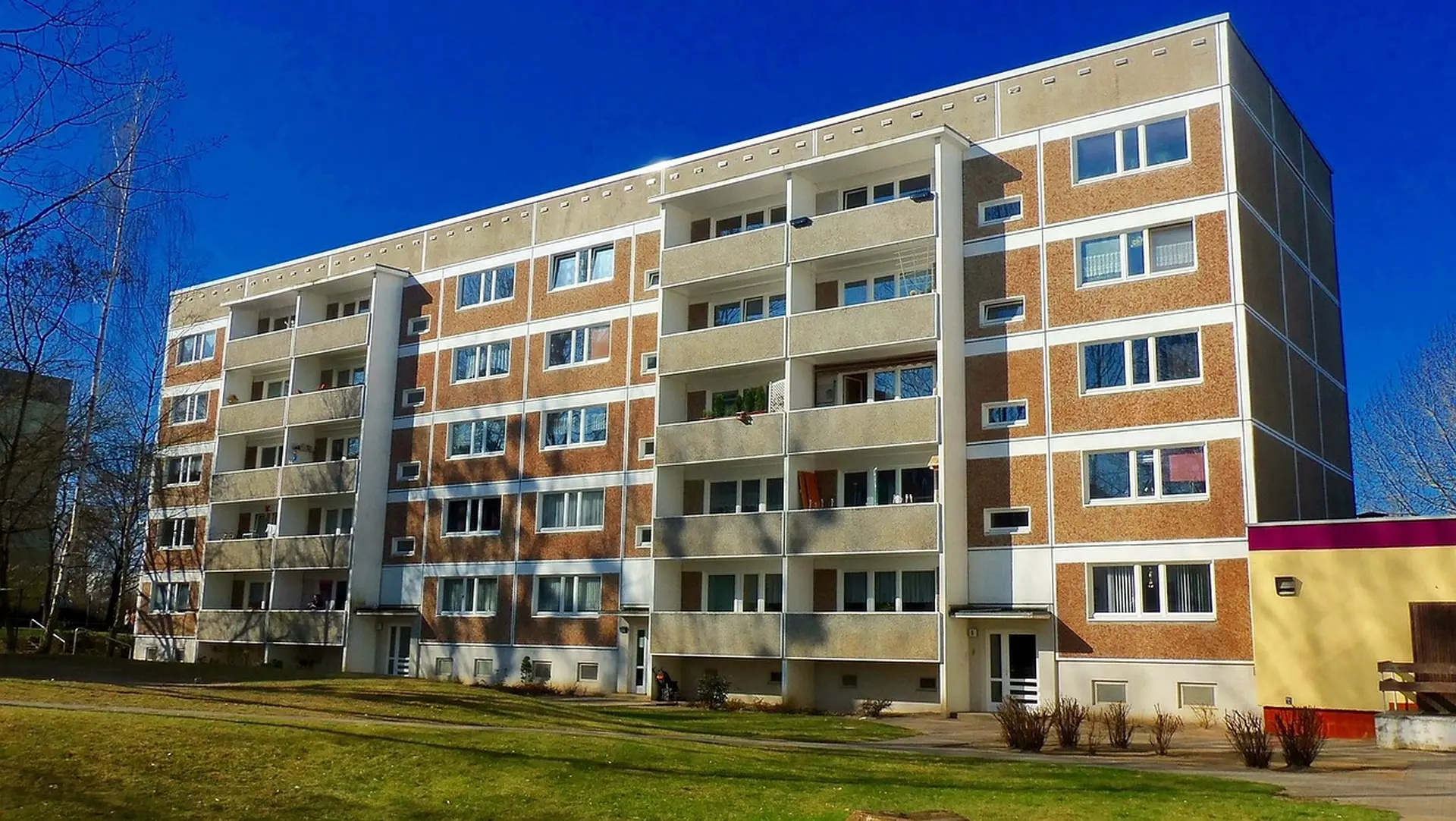
Krakow’s Old Town predates the communist period by centuries, and the government’s approach to the historic core was largely to leave its architecture alone while controlling what happened inside and around it — state-run shops, propaganda displays, and renamed streets rather than demolished buildings. This makes central Krakow’s communist-era layer much thinner and easier to overlook than Nowa Huta’s, since the physical fabric of the Old Town simply predates and outlasts the period.
This isn’t unique to Krakow — most historic Central European cities that survived WWII intact saw a similar pattern, where communist governments layered new political meaning onto existing architecture rather than replacing it wholesale, reserving large-scale new construction for purpose-built projects like Nowa Huta instead.
Renamed Streets and Squares
Many of Krakow’s streets and squares carried communist-era names for decades — often honoring Soviet or Polish communist figures — before being renamed after 1989 to reflect pre-war or more historically resonant identities. A few older residents still use the old names out of habit, a small but genuine linguistic trace of the period that visitors are unlikely to notice without it being pointed out.
Old city maps and guidebooks from the communist period, occasionally found in secondhand bookshops around Krakow, offer an interesting way to see this layer directly — comparing a 1975 street map to a current one reveals just how many names have shifted.
The Former Communist Party Buildings
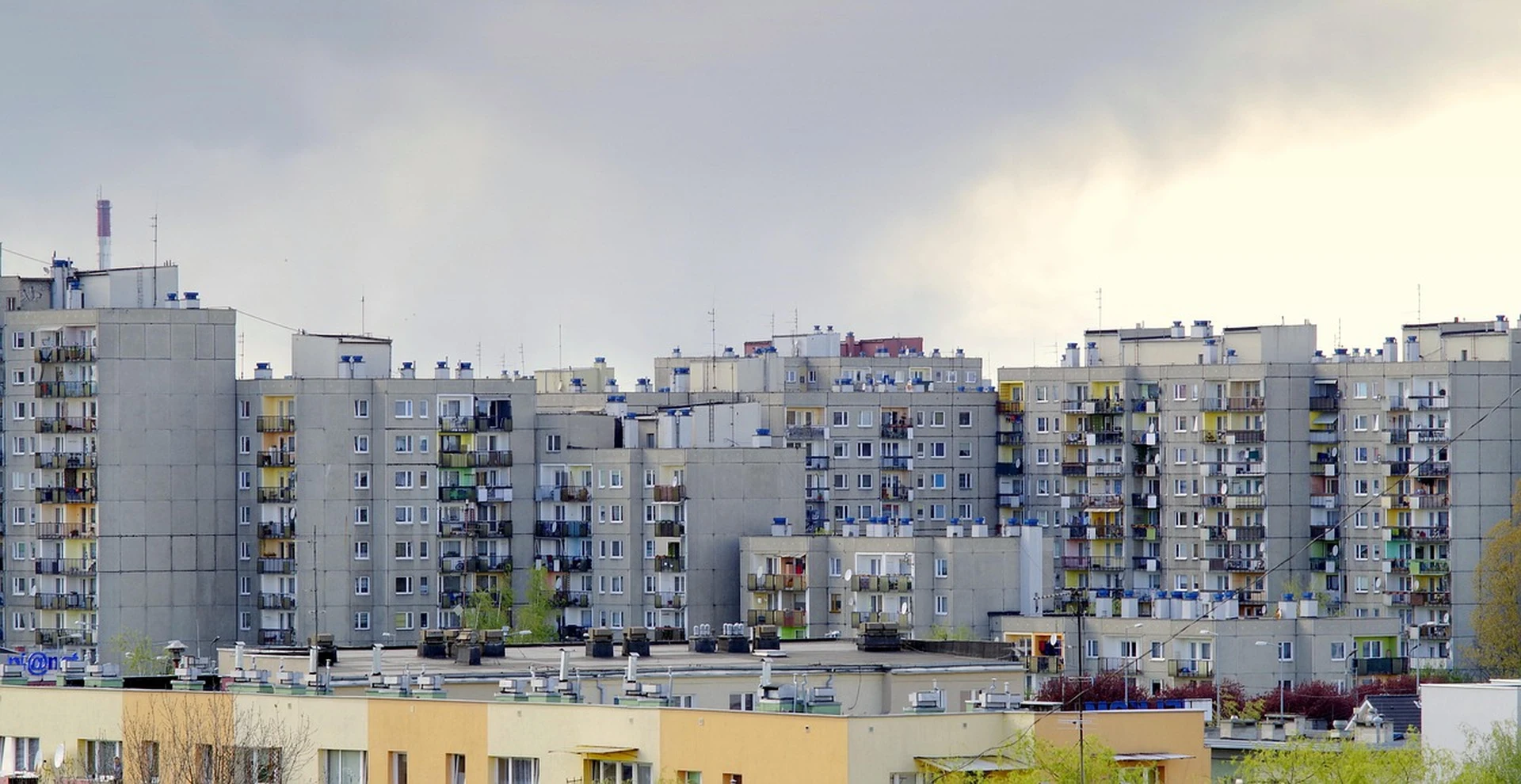
Several buildings that once housed regional Communist Party administration or state security offices still stand in Krakow, repurposed since 1989 for other institutional uses. Few carry any signage acknowledging their former role, which means walking past them without knowing their history is easy — part of a broader pattern in which the physical structures of the old regime were absorbed into ordinary post-communist life rather than preserved as monuments.
Identifying these buildings without local knowledge or a guide is genuinely difficult, since there’s little to distinguish them architecturally from other institutional buildings of the same era — this is one area where a knowledgeable guide adds real value beyond what a self-guided walk can offer.
What Was Deliberately Erased
Statues of Lenin and other communist figures, along with most overt propaganda signage, were removed from public spaces relatively quickly after 1989 as part of a broader decommunization effort across Poland. Krakow’s own Lenin statue, once standing in Nowa Huta itself, was removed in the early 1990s — a symbolically significant moment that a number of older residents still remember distinctly.
Street names tied explicitly to communist ideology were also swapped out in this same period, part of a coordinated national effort to strip the most overt ideological markers from everyday civic life, even where the underlying buildings and infrastructure remained unchanged.
Fragments of some removed statues and monuments are held today in museum storage rather than destroyed outright, reflecting a more measured approach to decommunization than outright destruction — the goal was removal from public prominence rather than total erasure from the historical record.
What Was Deliberately Preserved
Not everything from the period was removed. Nowa Huta itself was preserved largely intact, in part because demolishing an entire functioning district of tens of thousands of residents was never a realistic option, and in part because its architectural and historical significance was recognized even by those who had no nostalgia for the regime that built it. Some communist-era public art and mosaics around the city, particularly non-ideological pieces, were also left standing simply because removing them served no clear purpose.
Marta’s guide to the Nowa Huta tour experience covers the most complete and accessible surviving communist-era site in detail.
A handful of communist-era neon signs on shopfronts have also survived, and in recent years some have gained a kind of retro cultural cachet, being restored or referenced in design rather than removed — a small but telling sign of how attitudes toward this layer of history have softened somewhat since the 1990s.
Small Museums Dedicated to the Period
A handful of small museums around Krakow and Nowa Huta specifically address life under communism — ration cards, censored publications, and recreated period interiors among their typical holdings. These tend to be modest in scale but offer a level of tangible, everyday detail that walking past preserved buildings alone doesn’t provide.
Visiting one of these museums works especially well paired with a Nowa Huta visit on the same day, since the museum’s smaller-scale, personal artifacts complement the district’s larger architectural and industrial story.
What Locals Notice
Krakow locals old enough to remember the period often describe a strange kind of double vision when walking through the city today — recognizing former state shops now selling entirely different goods, or streets that carry names their parents’ generation would find unfamiliar, layers of history that are invisible to most visitors but plainly legible to anyone who lived through the transition.
For visitors who want to see the most substantial and best-preserved communist-era site in person, this Nowa Huta adventure tour in vintage communist-era cars remains the most accessible way to do so.
Putting Together a Communist-Era Route
For visitors specifically interested in this layer of Krakow’s history, a reasonable approach is to spend a morning at one of the small period museums, then head to Nowa Huta in the afternoon for the district’s full scale — a combination that moves from intimate, personal detail to the broader political and architectural picture in a single day.
What to Read Next
- Communist-Era Krakow and Nowa Huta: Cold War Tours and the Steel-Town Story
- Nowa Huta Tour from Krakow: Inside the Communist City Built from Nothing
Frequently Asked Questions
Are there communist-era sites in Krakow outside Nowa Huta?
A few — former Communist Party buildings, renamed streets that have since reverted, and small museums dedicated to the period — but Nowa Huta remains the most complete and visible surviving layer.
What communist-era monuments were removed from Krakow?
Statues of Lenin and other communist figures, along with most overt propaganda signage, were removed relatively quickly after 1989 as part of Poland’s broader decommunization effort.
Why was Nowa Huta preserved when other sites were not?
Nowa Huta was never demolished because it was, and remains, a functioning district home to tens of thousands of residents, and its architectural significance was recognized independent of any nostalgia for the regime that built it.
Plan your visit: Google Maps