
Communist Krakow Tour by Trabant: Gimmick or a Real Way to See It?
A communist Krakow tour by Trabant sounds, on paper, like pure novelty — squeeze into a boxy East German car and putter around a Soviet-era district for photos. Some of that is fair. But whether it’s a gimmick or a genuinely worthwhile way to see Nowa Huta depends heavily on which operator you book and what you actually want out of the couple of hours. For the fuller picture of the district these tours cover, see Marta’s guide to communist-era Krakow and Nowa Huta.
What a Trabant Tour Actually Involves
Where the Tours Typically Start
Most operators offer hotel or Old Town pickup, since Nowa Huta sits roughly 20 minutes from the historic center and few visitors are staying nearby. Confirming pickup logistics in advance, especially for larger groups needing multiple cars, helps avoid a scramble on the morning of the tour.
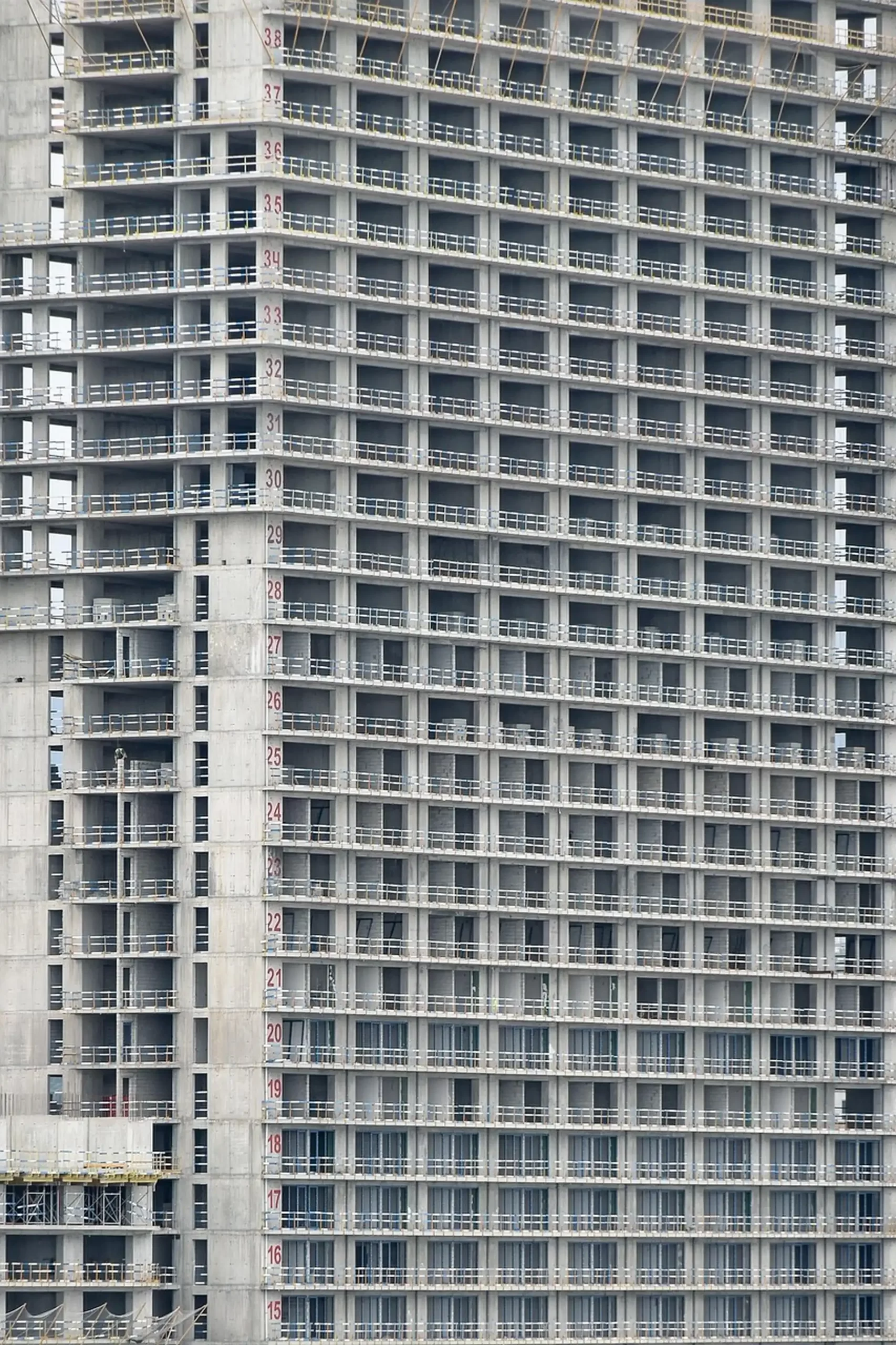
Most operators route small groups of two or three per car through Nowa Huta’s wide, symmetrical boulevards, stopping at Plac Centralny, the steelworks viewpoint, and usually the Arka Pana church, with a guide riding along or following in a lead car providing commentary over radio. Tours typically run 2-3 hours and often include a stop inside a recreated period apartment, staged with communist-era furniture and household items, which tends to land better with visitors than the driving portion alone.
The cars themselves — Trabants, sometimes paired with Fiat 126p “Maluchs” — are genuine vintage vehicles, not replicas, and that authenticity is part of the appeal: these were the actual cars ordinary Poles drove (or waited years to be allocated) during the communist period.
Group size matters more than it might seem — with only two or three seats per car, larger travelling parties end up split across multiple vehicles, which can dilute the guided commentary if only the lead car has a live guide rather than synced radio audio across the group. Confirming this detail before booking avoids a common source of disappointment.
The Case for Gimmick
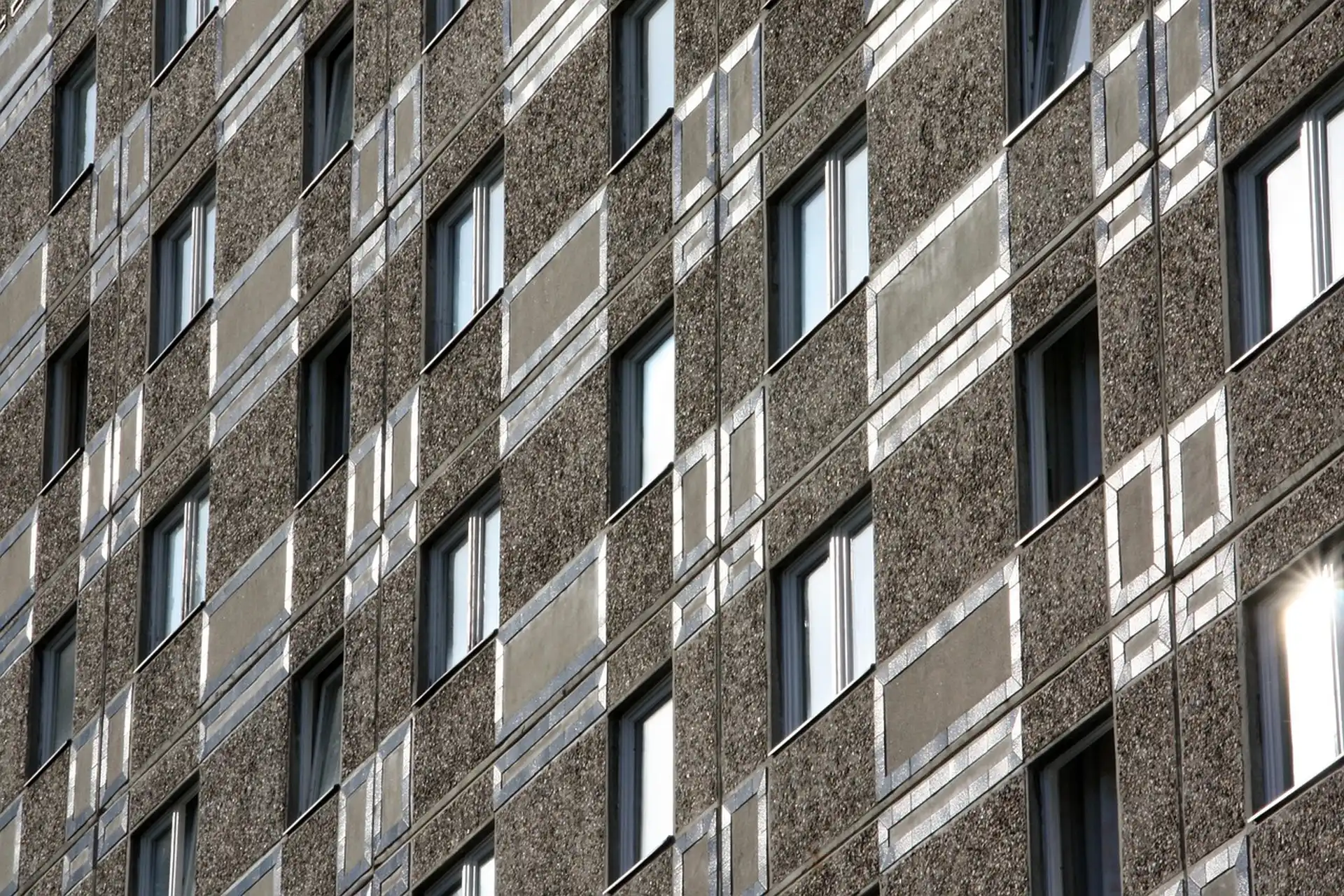
The skeptical view has a real basis. Riding around in a quirky old car can shift the experience toward novelty photo-ops and away from the harder, more serious history of forced resettlement, censorship and industrial ambition that actually built Nowa Huta. Operators who lean entirely into the fun-car-ride angle, with commentary limited to trivia about the vehicles rather than the district’s history, do produce something closer to a theme-park ride than a history tour.
There’s also a practical downside worth naming: the cars are genuinely old, with limited soundproofing and rougher rides than a modern minivan, which some visitors find charming and others find simply uncomfortable for two-plus hours, particularly on Nowa Huta’s cobbled side streets.
The Case for Real History
The better-run tours use the car as a vehicle (literally) for context a self-guided walk would miss — a guide who can point out which buildings originally housed steelworkers, why the boulevards radiate from Plac Centralny in a specific pattern tied to Socialist Realist urban planning, and what daily life looked like for residents queuing for the Trabant itself. Marta’s own view: the format works when the driving is treated as transport between substantive stops, not as the entertainment itself.
This distinction shows up clearly in how operators handle the recreated apartment stop — the stronger tours use it to walk through specifics like food rationing, apartment allocation queues that could run years long, and the surveillance culture of the period, rather than simply letting visitors wander and take photos of retro furniture.
How to Tell the Two Apart When Booking
Reading a tour’s description and recent reviews before booking is the most reliable filter. Descriptions heavy on words like “fun,” “quirky” and “photo opportunity” without much mention of history, context or a guide’s background suggest the lighter format. Descriptions that specifically mention a guide with local historical knowledge, stops inside museums or period apartments, and time built in for questions suggest the more substantive version.
It’s also worth checking whether the tour includes a stop at the steelworks viewpoint specifically — this is where the district’s original purpose is most visually obvious, and its omission from a route is often a sign the operator has trimmed the historical content in favor of a shorter, more novelty-focused loop.
For visitors who’d rather sidestep the guesswork entirely, this Nowa Huta adventure tour in communist-era cars is run with guided historical commentary built into the route rather than treated as an afterthought.
Who Should Skip the Car Format Entirely
Visitors mainly interested in a slow, contemplative walk through the district, or those who get carsick easily in small vintage vehicles with limited suspension, are usually better served by a walking tour or a self-guided route using the tram. The car format’s core advantage — covering more ground in less time — matters less if the goal is lingering at any single site.
Budget-conscious visitors should also weigh the cost against a self-guided tram visit, which covers much of the same geography for a fraction of the price, trading the novelty of the car and structured commentary for independence and a slower pace. Marta’s full guide to the Nowa Huta tour experience covers what the guided format adds beyond a self-guided walk.
Cost Compared to Other Nowa Huta Options
Trabant tours generally sit at the higher end of Nowa Huta visit options, reflecting both the novelty and the smaller group sizes involved. A guided walking tour typically costs less while still providing expert commentary, and a fully independent tram visit costs only the price of public transport. The car format’s premium buys convenience, ground covered, and an experience that’s genuinely different from a standard walking tour — worth it for some travelers, unnecessary for others focused purely on historical depth.
What Locals Notice
Krakow locals who’ve done both formats tend to agree the car tours work best as a first introduction to Nowa Huta rather than a deep dive — the driving portion gives useful geographic orientation across a district that’s larger and more spread out than visitors expect, which can then inform a longer self-guided walk on a separate day if the district holds their interest.
Booking directly through an established operator with visible reviews, rather than an unmarked car pulled over near the Old Town offering a spontaneous tour, is also worth insisting on — informal operators vary wildly in both vehicle condition and guide knowledge.
What to Read Next
- Communist-Era Krakow and Nowa Huta: Cold War Tours and the Steel-Town Story
- Nowa Huta Tour from Krakow: Inside the Communist City Built from Nothing
Frequently Asked Questions
Is a Trabant tour of Nowa Huta worth it?
It depends on the operator. Tours that pair the drive with genuine historical commentary and stops like a period apartment are worthwhile; tours that treat the car as the entire attraction lean closer to novelty.
How long does a communist Krakow car tour take?
Most run 2-3 hours, covering Plac Centralny, the steelworks viewpoint, and typically a stop inside a recreated communist-era apartment.
Is the Trabant tour suitable for everyone?
It’s generally fine for most visitors, though those prone to carsickness in small, older vehicles or who prefer a slower walking pace may prefer a walking or self-guided tram route instead.
Plan your visit: Google Maps