Polish Food and Drink in Krakow: Milk Bars, Pierogi, Vodka and Food Tours
Polish food gets underrated by visitors who arrive expecting heavy, plain cooking and leave surprised by how much range is actually on offer — from the milk bars that have fed generations of Krakow residents on a student budget, to pierogi variations that go well beyond the tourist-square standard, to a vodka culture with genuine ritual and history behind it. This guide covers where to actually eat in Krakow, what to order, how milk bars work if you’ve never used one, and which food and vodka tour experiences are worth booking versus which ones are mostly for the photos.
Milk Bars: Krakow’s Everyday Institution
A “bar mleczny” (milk bar) is a Polish institution dating to the communist era — a canteen-style restaurant originally subsidized to provide cheap, filling meals to workers and students, serving simple dairy- and vegetable-based dishes (hence “milk”). Many have survived into the present, still serving the same style of home-style Polish cooking — pierogi, żurek soup, naleśniki pancakes, kotlet schabowy — at prices that undercut nearly every restaurant in the Old Town.
The ordering system trips up first-timers: at most milk bars, you order and pay at a counter before finding a seat, rather than waiting for table service. Menus are often only in Polish and posted on a wall or handed over as a laminated card, and the pace is brisk — this is a place locals eat lunch on a work break, not a leisurely sit-down restaurant. Marta’s tip: pointing at what someone else is eating, or simply asking “co to jest?” (what is that?), works fine — staff are used to visitors figuring out the system.
Prices at a genuine milk bar are startling by Old Town standards — a full meal, soup included, can often come in under what a single appetizer costs at a Main Square restaurant. This isn’t a tourist gimmick; it reflects the fact that milk bars still serve a real local customer base of students, pensioners, and workers on a lunch break, which is also why the atmosphere is closer to a canteen than a restaurant.
What to Eat in Krakow: The Essential Dishes
| Dish | What It Is | Where to Find It |
|---|---|---|
| Pierogi | Filled dumplings — ruskie (potato & cheese), meat, mushroom, or sweet fruit versions | Milk bars, dedicated pierogi restaurants, most traditional menus |
| Żurek | Sour rye soup, often served with sausage and boiled egg, sometimes in a bread bowl | Milk bars, traditional restaurants |
| Kotlet schabowy | Breaded pork cutlet, Poland’s answer to schnitzel | Milk bars, home-style restaurants |
| Bigos | Hunter’s stew — sauerkraut, cabbage, and mixed meats, slow-cooked | Traditional restaurants, some food tours |
| Oscypek | Smoked sheep’s cheese from the Tatra mountain region | Market stalls, Zakopane-region food tours |
| Zapiekanka | Open-faced baguette with cheese, mushrooms, and toppings, grilled | Plac Nowy food stalls in Kazimierz |
| Obwarzanek | Ring-shaped bread, Krakow’s answer to the bagel, sold from street carts | Street carts throughout the Old Town |
Beyond this core list, seasonal and regional specialties are worth watching for on menus — sernik (Polish cheesecake, denser and less sweet than the American version), makowiec (poppy seed roll), and gołąbki (cabbage rolls stuffed with meat and rice) all show up regularly and represent the broader range of home-style Polish cooking beyond the handful of dishes most visitors already know by name.
Krakow Food Tours: What They Actually Cover
The most-booked food tour in Krakow combines several of these dishes with a walking tour through the Old Town and Kazimierz, plus a run of traditional Polish shots along the way — see current availability for the top-rated Krakow food tour with pierogi and history here. It’s a genuinely good format for visitors who want a broad taste of Polish food without committing to multiple restaurant visits, and the “tipsy” framing keeps it social rather than a formal tasting menu.
For a more food-focused (less drink-focused) alternative that leans into broader Polish culture alongside the tastings, this guided Polish food and culture tour is worth checking for current pricing and stops.
Is a Krakow Food Tour Worth Booking?
Marta’s honest read: yes, for first-time visitors specifically. A good food tour solves the two hardest problems for someone unfamiliar with Polish cuisine — knowing what to order, and knowing which of the dozens of similar-looking restaurants near the Main Square are actually worth eating at versus tourist-trap pricing on mediocre food. Repeat visitors who already know what they like tend to get more value skipping the tour and going straight to specific restaurants or milk bars instead.
Polish Vodka Tasting: What’s Actually Worth It
Poland has a vodka tradition that predates Russia’s by most historical accounts, and Krakow has a growing number of dedicated vodka bars and tasting experiences built around it — flavoured vodkas (żubrówka bison grass, cherry, honey), traditional clear vodkas, and the ritual of drinking it neat, cold, chased with pickle juice or bread rather than mixed. A structured tasting with a knowledgeable host explains the differences between styles and production methods in a way that’s hard to piece together from a bar menu alone, which is where a dedicated vodka tasting experience earns its cost over just ordering shots at a bar.
The honest caveat: vodka tastings vary a lot in quality between operators. The better ones pair tastings with food (to avoid the evening tipping into simply getting drunk) and include some cultural or production context; the weaker ones are essentially a bar crawl with a vodka theme. Checking recent reviews for mentions of “informative” or “learned a lot” versus purely “fun night out” is a reasonable way to sort between the two.
A typical structured tasting covers four to six vodka styles over roughly 90 minutes to two hours, usually paired with small bites (pickles, bread, cured meats) between pours to reset the palate — the same pairing tradition Poles use at home, not something invented for tourists. Group sizes tend to stay small (under 15), which keeps the format closer to an actual tasting than a bar crawl.
Pierogi Cooking Classes: A Genuinely Good Evening
For couples or small groups looking for something more interactive than a walking tour, a pierogi-making class is one of the better-reviewed food experiences in Krakow consistently. Most run two to three hours, cover dough-making and at least two or three filling varieties, and end with eating what you’ve made — often alongside a simple soup course and a shot or two of vodka. It works well as an evening activity precisely because it’s participatory rather than passive, which distinguishes it from most food tours.
Marta’s note: this is consistently one of the highest-rated food experiences in the city precisely because it gives visitors something to take home beyond a photo — the actual skill of shaping and cooking pierogi, which most participants say is trickier than it looks on the first attempt and easier by the third or fourth.
Best Pierogi in Krakow: Beyond the Square
The pierogi restaurants directly on or near the Main Square tend to be reliable but pricier, aimed squarely at tourist footfall. Locals more often point newcomers toward Kazimierz, where several long-running pierogi spots serve the same quality (often better) at meaningfully lower prices, away from the square’s premium. Following the same principle as milk bars — walking two or three streets away from the most obvious tourist center tends to improve both the food and the price.
Locals also point out that pierogi quality has less to do with a restaurant’s decor or location than with whether the dough is made fresh in-house — a detail worth asking about directly, since some tourist-area restaurants serve frozen, mass-produced pierogi at prices that suggest otherwise.
Zapiekanka and Plac Nowy
Plac Nowy, the round market square at the heart of Kazimierz, is Krakow’s zapiekanka headquarters — a cluster of small stalls built into the old market rotunda, each serving their own take on the open-faced grilled baguette. It’s a late-night institution as much as a food stop; the stalls stay open well past when most restaurants close, making Plac Nowy a natural stop after an evening out in Kazimierz’s bar scene.
Prices at Plac Nowy stalls remain some of the lowest in the city for a filling meal, and the informal, stand-around-the-stall atmosphere is itself part of the appeal — it’s one of the few food experiences in central Krakow that still feels entirely local rather than shaped around visitor expectations.
Cafés for Sitting an Afternoon Away
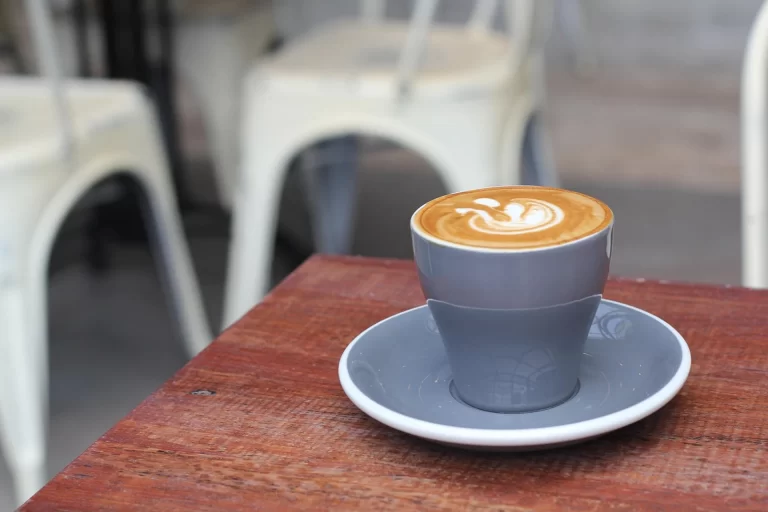
Krakow’s café culture rewards slowing down rather than grabbing coffee to go — many of the Old Town’s best cafés occupy historic courtyards or cellar spaces built for lingering, not quick turnover. This is less about any single standout café and more about a genuinely local habit: locals treat an afternoon coffee as a reason to sit for an hour with a book or a conversation, not a five-minute stop, and visitors who adopt the same pace tend to enjoy the city’s café scene more than those treating it as a coffee-to-go errand.
Best Traditional Polish Restaurants: Honest Picks
Beyond milk bars, Krakow has a solid tier of traditional sit-down restaurants that serve the same core dishes with more polish (no pun intended) and table service, at a step up in price from a milk bar but still reasonable by Western European standards. The best of these tend to sit slightly outside the immediate Main Square footprint — Kazimierz again, or the streets just past the square’s tourist-menu ring — and lean into seasonal, family-recipe versions of the classics rather than a laminated tourist menu translated into six languages.
Marta’s rule of thumb for spotting a genuine local spot versus a tourist-trap: a menu offered only in Polish and English (not five languages with photos), prices listed without a photo next to every dish, and at least a few Polish-speaking tables at dinner on a weeknight.
Vodka Culture: A Short History
Poland and Russia have long disputed vodka’s true origin, but Polish distilling records date to at least the 15th century, predating most commonly cited Russian sources. Traditional Polish vodka is typically drunk neat and cold, in a single measured shot, often followed immediately by a bite of food or a chaser rather than sipped — a ritual with its own etiquette that a good tasting host will walk you through rather than assume you already know.
Flavoured vodkas occupy a bigger place in Polish drinking culture than many visitors expect — żubrówka (bison grass vodka, with a distinctive herbal note), various fruit infusions, and honey-based nalewka liqueurs are all traditional rather than tourist novelties, and a well-run tasting will usually include at least one of each category to show the range.
Dietary Restrictions and Vegetarian Options
Traditional Polish cuisine leans heavily on meat and dairy, but Krakow’s food scene has adapted well for vegetarians in particular — ruskie pierogi (potato and cheese) are vegetarian by default and available almost everywhere, and mushroom-filled versions are common too. Vegan options require more searching at traditional milk bars specifically, though a growing number of modern restaurants (especially in Kazimierz) cater specifically to vegan and gluten-free diners with dedicated menus. Food tours vary in how well they accommodate dietary restrictions — it’s worth messaging the operator directly before booking rather than assuming a fixed-menu tasting tour can adapt on the day.
Seasonal Foods Worth Timing a Visit Around
A few Polish food traditions are genuinely seasonal and worth knowing about if your visit lines up. Easter brings żurek in its most elaborate form along with painted eggs and a blessed food basket tradition; autumn brings wild mushroom season, when foraged mushrooms show up on menus across the city; and Christmas markets (late November through December) bring mulled wine, roasted foods, and gingerbread stalls to the Main Square, turning the whole square into an outdoor food experience distinct from the rest of the year.
Tipping and Restaurant Etiquette in Krakow
Tipping in Poland runs lower than in the US but is still customary — roughly 10% at a sit-down restaurant is standard, sometimes rounded up rather than calculated precisely, and it’s appropriate to leave it in cash even when paying by card. Milk bars are the exception: tipping isn’t expected at counter-service places, since there’s no table service involved. Reservations are rarely necessary outside of the most popular dinner spots on weekend evenings, though it doesn’t hurt to call ahead for a larger group.
Combining a Food Tour with the Rest of Your Krakow Visit
Food tours typically run in the evening, which makes them easy to pair with a full day of sightseeing beforehand rather than requiring a dedicated day of their own — most visitors treat dinner-hour food tours as the natural close to a day spent at Wawel, the Old Town, or Kazimierz’s historic sites. See our full Krakow itinerary guide for how locals typically sequence a food tour or vodka tasting against daytime sightseeing.
What to Read Next
- Krakow Food Tour Worth Booking: What You Taste and Where It Stops
- Polish Vodka Tasting in Krakow: Which Experiences Are Worth It
- Pierogi Cooking Class in Krakow: A Genuinely Good Couples Evening
- Krakow Milk Bars Explained: How to Order and Where Marta Eats Lunch
- Best Traditional Polish Restaurants in Krakow: Honest, Non-Tourist Picks
- What to Eat in Krakow: 12 Polish Dishes Worth Seeking Out
- Best Pierogi in Krakow: Where Locals Go Instead of the Square
- Where to Get Zapiekanka in Krakow and Why Plac Nowy Is the Place
- Best Cafés in Krakow’s Old Town for Sitting an Afternoon Away
Frequently Asked Questions
What is Polish food known for?
Hearty, comforting dishes built around dumplings (pierogi), soups like żurek, breaded meats, and a strong pickling and fermentation tradition — plus a serious vodka culture.
How do milk bars work in Krakow?
Order and pay at the counter first, then find a seat — it’s cafeteria-style, not table service. Menus may be Polish-only; pointing or asking staff works fine.
Is a Krakow food tour worth it?
Yes for first-time visitors especially — it solves both what to order and where to eat well, two things that are hard to figure out without local knowledge.
What should I order at a Polish restaurant?
Pierogi (try more than one filling), żurek soup, and kotlet schabowy are the safest, most representative introduction to Polish home cooking.
Where can I get the best pierogi in Krakow?
Kazimierz generally offers better value and equally good (often better) pierogi than the restaurants directly on the Main Square.
What is zapiekanka and where do I find it?
An open-faced grilled baguette with cheese and toppings — Plac Nowy in Kazimierz is the best-known spot, with a cluster of dedicated stalls open late.
Krakow’s food scene rewards curiosity more than most visitors expect — the milk bars alone are worth a lunch stop even if you do nothing else on this list, and the city’s vodka culture goes well beyond what a typical bar crawl shows you. Whether you book a guided food tour or just wander into a milk bar with a laminated Polish menu and point, eating well in Krakow doesn’t require much beyond a little curiosity and a willingness to walk a few streets past the Main Square.
Plan your visit: Google Maps