Best Traditional Polish Restaurants in Krakow: Honest, Non-Tourist Picks
Best traditional Polish restaurants in Krakow is a genuinely tricky search, because the Old Town is dense with places that market themselves as traditional while serving a simplified, tourist-adjusted version of Polish food at inflated prices. Finding the real thing takes knowing what to look for rather than which specific address to walk into. For the wider food and drink picture, see Marta’s guide to Polish food and drink in Krakow.
Why This Is Harder Than It Sounds

Krakow’s Old Town receives an enormous volume of visitors relative to its size, and that concentration has produced a restaurant ecosystem shaped more by tourist turnover than by the preferences of regular diners who eat there year-round. This isn’t unique to Krakow — most historic European city centers face the same dynamic — but it does mean applying a slightly different set of filters than you would when judging a restaurant back home.
How to Spot a Tourist-Trap “Traditional” Restaurant
A few reliable warning signs: a menu translated into six or more languages with laminated photos of every dish, a host standing outside actively trying to pull passersby in, and a location directly on the Main Market Square itself. None of these guarantee bad food, but together they strongly correlate with inflated prices and a menu simplified for broad tourist appeal rather than genuine regional cooking.
Pricing is another tell — a bowl of żurek priced noticeably above what similar dishes cost even a few streets away, without any obvious justification like premium ingredients or a distinctive preparation, usually reflects tourist-area rent and foot traffic rather than food quality.
Staff who default to English immediately, without any attempt at Polish first, can also be a mild indicator, though this alone is far from definitive — plenty of genuinely good restaurants near tourist areas simply accommodate visitors efficiently without it reflecting on food quality.
What Genuinely Traditional Polish Food Looks Like
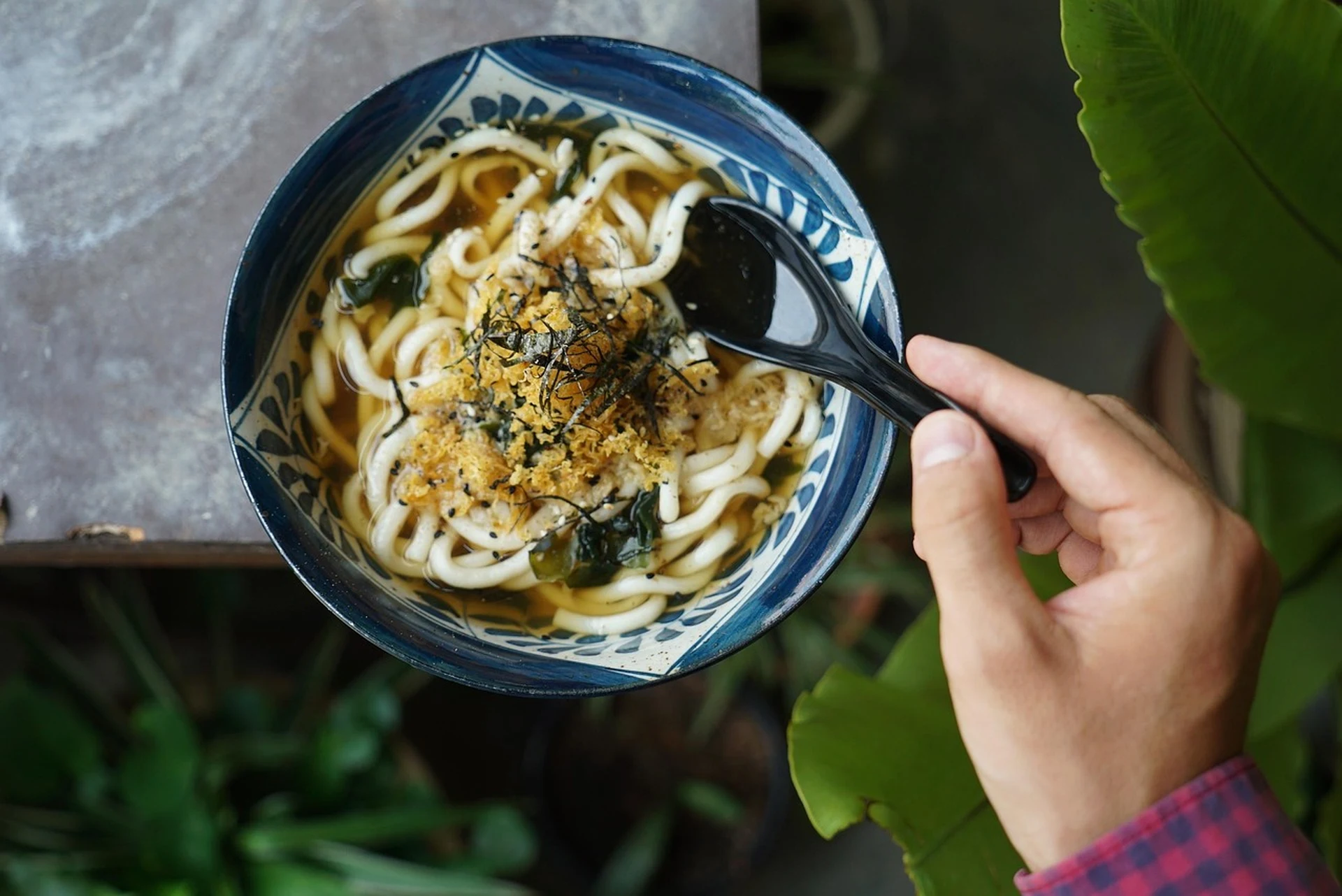
Real Polish home cooking leans heavily on slow-cooked, hearty dishes built around what was historically available through a long winter — cabbage, root vegetables, pork, rye, and dairy. Bigos (hunter’s stew), gołąbki (cabbage rolls), and żurek (sour rye soup) are all dishes that reward slow, careful preparation and taste noticeably different — richer, less salty, more balanced — when made properly rather than rushed for a tourist turnover schedule.
Pierogi, too, vary enormously in quality depending on whether the dough is made fresh in-house or bought pre-made — a difference that’s usually noticeable in texture, with fresh dough holding together better and having a lighter, less gummy bite.
Kotlet schabowy (breaded pork cutlet) is another dish worth using as a benchmark — it’s simple enough that quality differences show up clearly, from the thickness and tenderness of the meat to whether the breading is crisp rather than soggy from sitting under a heat lamp.
Neighborhoods Worth Looking Beyond the Old Town
Kazimierz and the streets just outside the Old Town’s main tourist radius tend to have a higher concentration of restaurants serving genuinely traditional food at fair prices, largely because they depend more on repeat neighborhood custom than one-time tourist visits. Walking five to ten minutes beyond the Main Market Square often makes a meaningful difference in both price and authenticity.
Podgórze, across the river from Kazimierz, is another area worth considering for the same reasons — less tourist density means restaurants there have less incentive to simplify their menus or inflate prices for one-time visitors.
What to Look for on the Menu
A shorter, more focused menu is often a better sign than an extensive one covering pizza, burgers and international dishes alongside Polish classics — restaurants confident in their traditional cooking tend not to hedge with unrelated cuisines. Seasonal specials, especially ones tied to specific Polish holidays or seasons, are also a good sign of a kitchen actually cooking rather than reheating a fixed, year-round tourist menu.
Handwritten daily specials on a small chalkboard or insert, rather than laminated permanent pages, are another positive sign — they suggest a kitchen responding to what’s fresh or seasonal rather than running a fixed rotation designed purely for consistency and turnover.
Reading Reviews the Right Way
Reviews mentioning “authentic,” “cozy,” or “hidden” are common but not especially useful, since they’re subjective and easily gamed. More useful are reviews specifically noting that the restaurant was full of Polish speakers or regulars, or that a specific traditional dish was noticeably better than at other restaurants tried during the same trip — comparative, specific feedback tends to be more reliable than generic praise.
Photos in reviews are also worth a quick look — genuinely traditional dishes tend to look a bit rustic and unphotogenic compared to the polished, plated versions often served at more tourist-oriented restaurants, and that rougher presentation is frequently a sign of more authentic preparation rather than a downside.
A Guided Alternative
For visitors who’d rather skip the research and have genuinely traditional dishes selected and explained for them, this guided Polish food and culture tour stops at several vetted locations across a single evening.
What Locals Notice
Krakow locals tend to judge a restaurant’s authenticity by whether it changes its menu seasonally and whether the portions and pricing feel calibrated for regular dining rather than a once-per-trip splurge — a restaurant that locals return to for a normal Tuesday dinner is almost always a better bet than one built primarily around first-time visitors.
Booking and Timing
Genuinely popular traditional restaurants, particularly smaller ones with limited seating, can fill up on weekend evenings even without much online visibility, since much of their business comes from repeat neighborhood diners rather than walk-in tourist traffic. Calling ahead or booking a table, where possible, is worth doing rather than assuming a spot will be available.
Lunch tends to be a more forgiving time to find a table without a reservation than dinner, and prices at some restaurants are noticeably lower midday than in the evening — worth factoring in if flexibility on meal timing is an option.
What to Read Next
- Polish Food and Drink in Krakow: Milk Bars, Pierogi, Vodka and Food Tours
- Krakow Food Tour Worth Booking: What You Taste and Where It Stops
Frequently Asked Questions
How do you find a genuine traditional Polish restaurant in Krakow?
Look beyond the Main Market Square, favor shorter menus focused on Polish dishes rather than international options, and watch for seasonal specials tied to Polish holidays.
What are signs of a tourist-trap restaurant in Krakow?
Menus translated into many languages with laminated photos, staff actively pulling passersby in, and a location directly on the Main Market Square are common warning signs.
What traditional Polish dishes should I try?
Bigos (hunter’s stew), gołąbki (cabbage rolls) and żurek (sour rye soup) are all classic dishes that taste noticeably better when made properly rather than rushed.
Plan your visit: Google Maps