How to Visit Nowa Huta on Your Own: A Self-Guided Tram Route
How to visit Nowa Huta on your own comes down mostly to the tram — the district is easy to reach without a car or guide, and for travellers who prefer setting their own pace over a fixed tour schedule, it’s a genuinely rewarding way to see it. A bit of preparation beforehand makes the difference between a confusing walk past repetitive apartment blocks and a route that actually reveals what the district is. For fuller context on Nowa Huta’s history and guided options, see Marta’s guide to communist-era Krakow and Nowa Huta.
Why the Self-Guided Route Works Especially Well Here
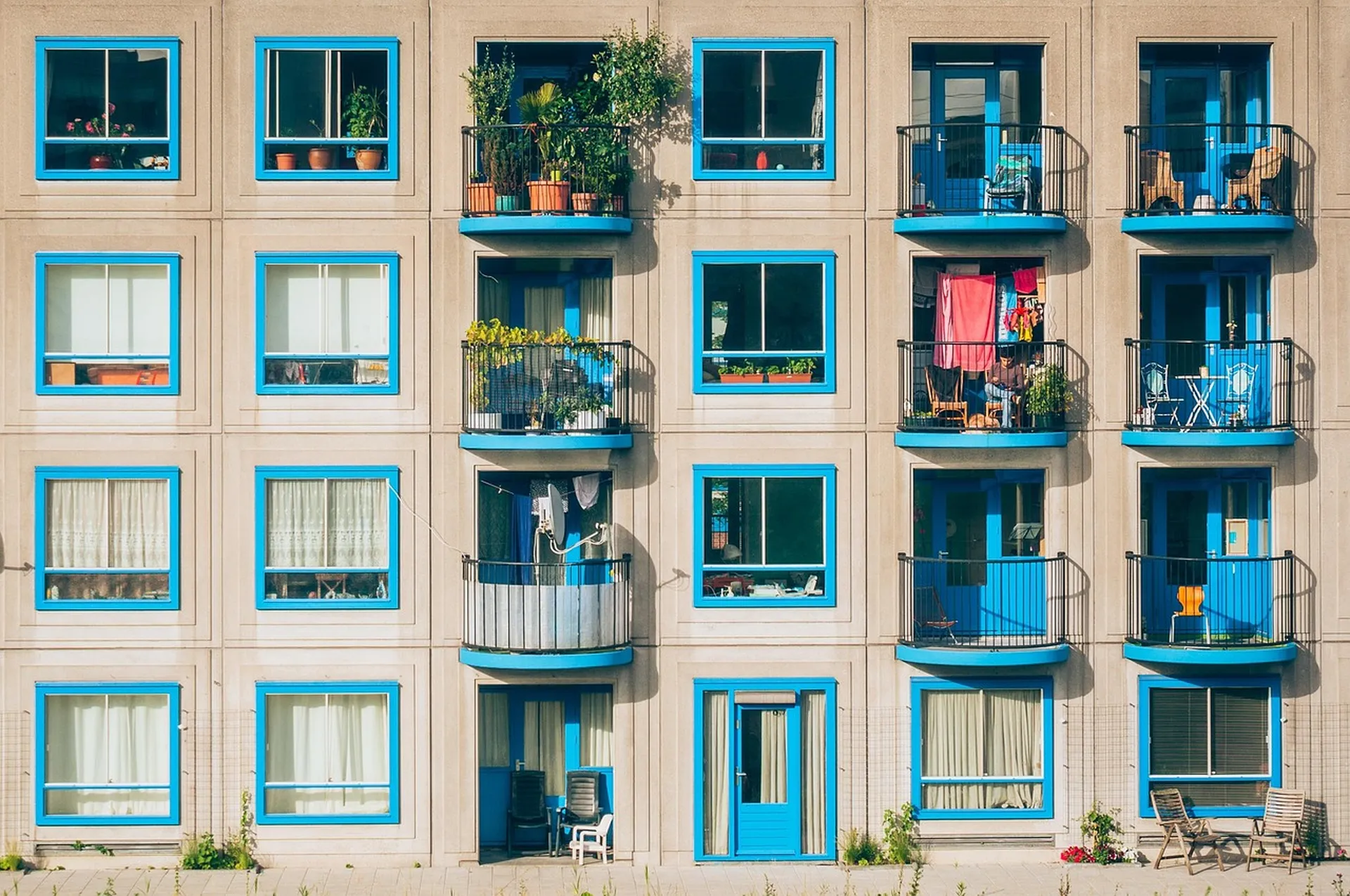
Unlike sites where a guide’s context is essential to understanding what you’re looking at — a museum with sparse labeling, say — Nowa Huta’s story is largely legible from the architecture itself once you know what you’re looking for: the deliberate scale, the radiating boulevards, the total absence of church spires in the original plan. That legibility is what makes the self-guided format work as well as it does here, more so than at most other historical sites around Krakow.
Getting There by Tram
Several tram lines run directly from central Krakow to Nowa Huta, with Plac Centralny — the district’s monumental main square — as the natural starting point. The ride takes roughly 25-30 minutes from the Old Town, and tickets are the same standard Krakow public transport fare, purchasable via the city’s transit app or at machines on the platform.
Trams run frequently throughout the day, so there’s no need to plan around a fixed departure time the way an organized tour requires — arriving whenever suits your schedule and leaving whenever you’re done is one of the format’s clearest advantages.
Trams back to central Krakow run just as frequently, so there’s little risk of getting stranded — the last useful return trip typically runs well into the evening, though checking the current schedule before setting out removes any doubt.
A Self-Guided Loop That Actually Works
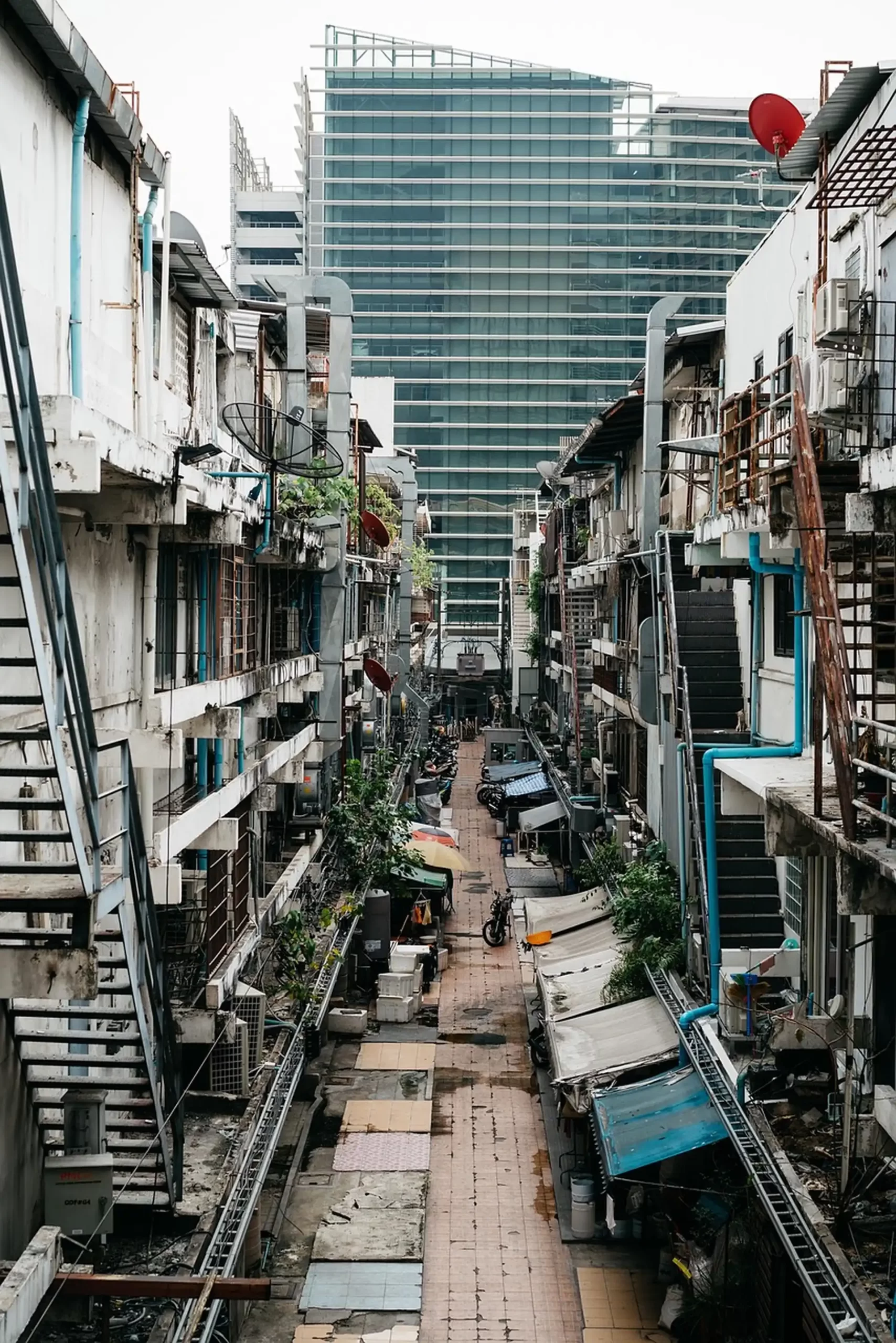
Starting at Plac Centralny orients you immediately to the district’s Socialist Realist urban planning — the square’s radiating boulevards were deliberately designed to funnel views toward monumental buildings rather than toward any church, a pointed architectural choice given the district’s ideological purpose. From there, walking down Aleja Róż (Avenue of Roses) gives a clear sense of the repetitive, symmetrical facades that define the district’s core.
From Plac Centralny, the steelworks viewpoint is a further walk or a short tram hop, and it’s worth the detour — seeing the scale of the industrial complex that the entire district was built to serve puts the surrounding apartment blocks in context in a way photos alone don’t.
The Arka Pana church, roughly 20-25 minutes on foot from Plac Centralny, makes a natural final stop, both for its striking modernist design and for the story of the decades-long struggle local residents waged to get a church built in a district explicitly planned without one.
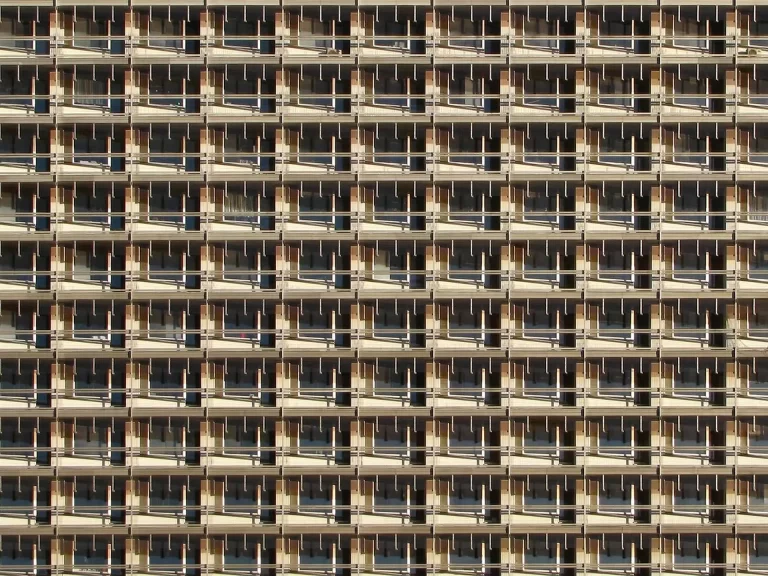
Look closely at the apartment block facades along the way — subtle differences in decorative detailing mark different construction phases, with the earliest buildings from the 1950s carrying more ornamental flourishes than the starker, purely functional blocks added in later decades as the district expanded and budgets tightened.
What to Bring and Practical Notes
Comfortable walking shoes matter more here than in the Old Town — the boulevards are wide and the distances between key sites add up to several kilometers if walked in full. A charged phone with the Krakow transit app or offline maps downloaded helps, since Nowa Huta’s grid isn’t always intuitive on a first visit despite its symmetry.
Food options within the district itself are limited compared to central Krakow, so either eating before departing or seeking out one of the handful of cafés near Plac Centralny is worth planning for rather than assuming options will appear along the route.
What You Lose Without a Guide
The trade-off with going independently is context. Without a guide, the uniform boulevards and repeated apartment blocks can start to feel monotonous rather than meaningful, and specific historical detail — which buildings housed which workers, the exact numbers involved in resettlement, the surveillance apparatus that watched over daily life — isn’t something you’ll pick up just by walking past. Reading up beforehand, or pairing the walk with a stop at one of the district’s small museums, helps close that gap.
Visitors who’d rather have that context built in from the start might prefer this guided Nowa Huta tour in vintage communist-era cars, which covers similar ground with commentary included.
A modest amount of pre-reading closes much of this gap. Even a short overview of Nowa Huta’s founding purpose, the resettlement it involved, and the 1980s protests centered on the district — which played a real role in Poland’s broader anti-communist movement — turns the walk from a series of similar-looking buildings into a route with clear historical stakes.
Combining the Self-Guided Walk with a Museum Stop
Pairing the walking route with an hour at one of Nowa Huta’s small museums — several operate inside restored period spaces — adds meaningfully more depth than the walk alone, and doing both in a single visit is realistic given how compact the core route is.
Several museums in the district focus on different angles — one on everyday life under communism, housed inside a preserved period apartment, and another closer to the steelworks focusing on the industrial history itself. Picking one based on which angle interests you more is a reasonable way to narrow the choice if time is limited.
What Locals Notice
Krakow locals who grew up visiting relatives in Nowa Huta often point out that the district looks quite different depending on the time of day — the wide, empty boulevards feel almost stark at midday but fill with residents heading home from work in the early evening, which changes the entire atmosphere from a museum-like quiet to something closer to an ordinary, lived-in neighborhood.
When to Go
Weekday mornings offer the quietest walking conditions, since Nowa Huta sees relatively few tourists compared to the Old Town regardless of season, and the district’s appeal — its architecture and atmosphere — works in any weather, making it a reasonable choice even on a rainy day when outdoor Old Town wandering is less appealing.
What to Read Next
- Communist-Era Krakow and Nowa Huta: Cold War Tours and the Steel-Town Story
- Nowa Huta Tour from Krakow: Inside the Communist City Built from Nothing
Frequently Asked Questions
Can you visit Nowa Huta without a guide?
Yes. Nowa Huta is easily reachable by tram from central Krakow, and the core sites — Plac Centralny, the steelworks viewpoint, and the Arka Pana church — form a walkable loop without needing a booked tour.
How long does a self-guided Nowa Huta visit take?
Plan on roughly 2-4 hours to walk the core loop at a comfortable pace, longer if you add a museum stop.
What do you miss by skipping a guide?
Mainly historical context — specifics about resettlement, daily life under surveillance, and the district’s planning logic aren’t obvious just from walking past the buildings, so reading up beforehand helps.
Plan your visit: Official site · Google Maps