Ojców National Park from Krakow: The Castle-and-Cave Day Most Skip
Ojców National Park from Krakow is the day trip most visitors don’t know exists, let alone consider — overshadowed by Auschwitz, Wieliczka and Zakopane on nearly every itinerary, despite sitting closer to the city than any of them and offering a genuinely different kind of day.
Getting There Independently
Ojców is reachable by public bus from central Krakow, taking around 45-60 minutes depending on the route and traffic, or by car in a similar timeframe. It’s a straightforward independent trip for visitors comfortable navigating local transport, which is part of why it’s a good candidate for travelers who’ve already done the major sites and want a lower-key, self-directed day rather than another organized tour.
How Much Time to Budget
A focused visit covering Pieskowa Skała Castle, the Maczuga Herkulesa, and one of the two caves takes roughly 3-4 hours of actual sightseeing and walking, plus transport time. Adding Ojców Castle and both caves, or extending onward toward Ogrodzieniec, pushes the visit closer to a full day. Unlike Wieliczka or Auschwitz, there’s no single fixed guided-tour length here — the flexibility to see as much or as little as you want is one of the trip’s underrated advantages.
Best Time of Year to Go
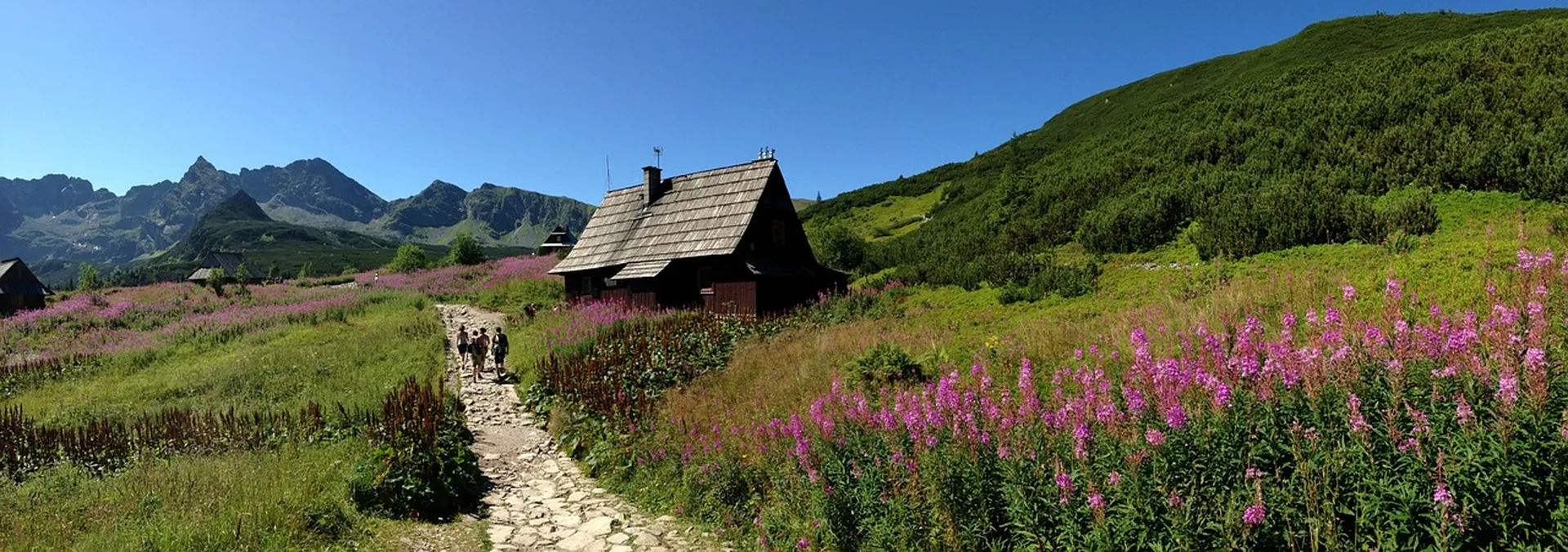
Spring and early summer bring the valley’s vegetation into full bloom, with the river running higher and the walking trails at their most scenic. Autumn offers strong color across the wooded valley slopes and noticeably fewer visitors than peak summer. Winter access is more limited — some trails and the cave interiors can be affected by ice or seasonal closures, so it’s worth checking current conditions before planning a winter visit specifically for the caves.
Weekday visits, regardless of season, tend to be noticeably quieter than weekends, when Ojców draws Krakow-area day-trippers alongside the smaller number of international tourists who make it out this way. If avoiding crowds matters to you, a weekday morning start gives the most solitary experience of the valley’s trails and viewpoints.
What Ojców Actually Is
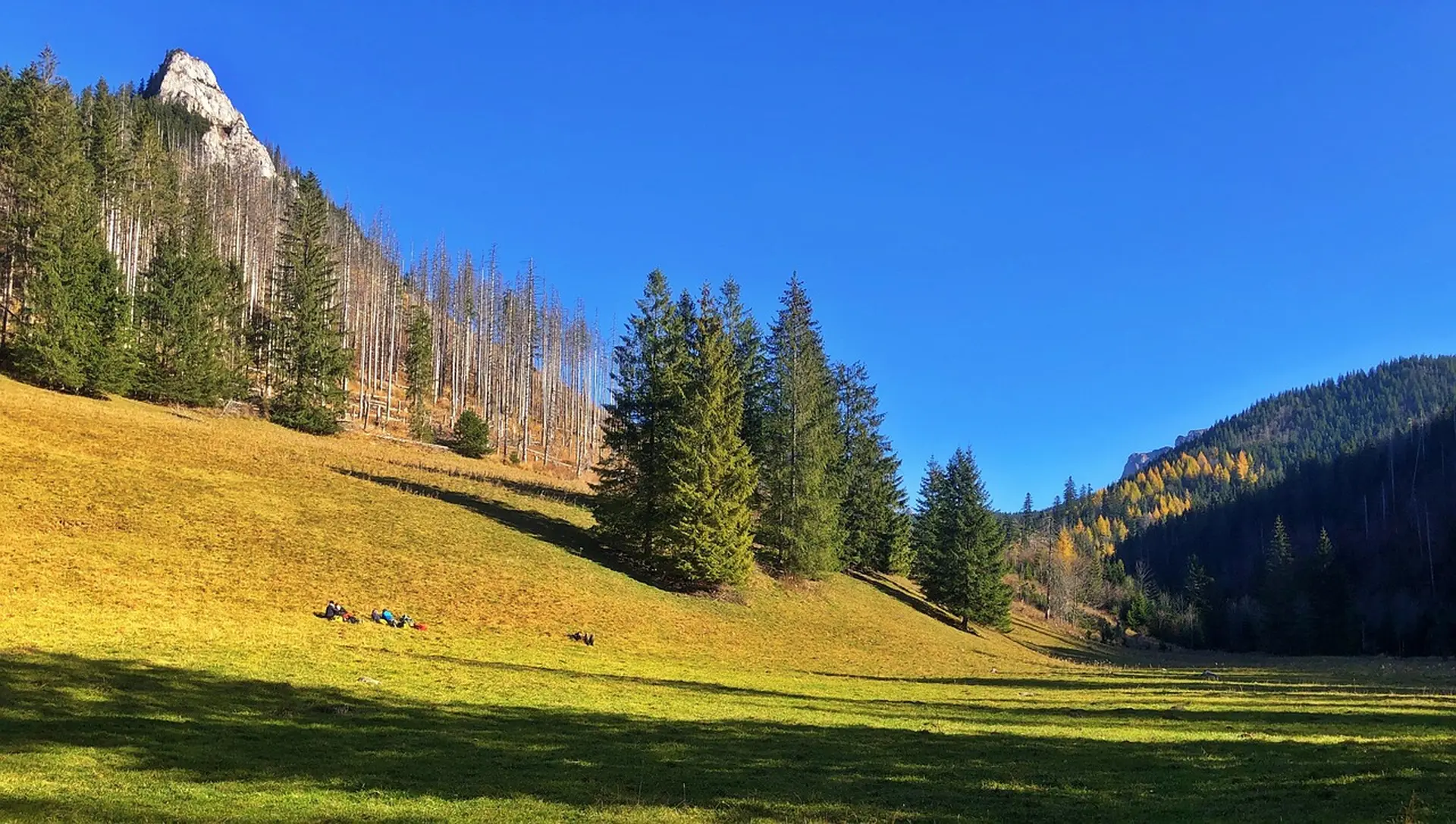
Poland’s smallest national park, Ojców protects a limestone gorge carved by the Prądnik River roughly 16km northwest of Krakow — close enough that it’s a realistic half-day trip rather than a full-day commitment. The park combines dramatic karst rock formations, medieval castle ruins, and cave systems within a compact, walkable area, which is part of why it works well even for visitors without a full day to spare.
Despite being Poland’s smallest national park by area, Ojców packs in a genuinely dense concentration of natural and historical features along a roughly 8km valley trail connecting most of its main sights, which means a single well-planned walking route covers the majority of what’s worth seeing without needing a car to shuttle between separate parking areas.
Pieskowa Skała Castle
The best-preserved of the park’s two castles, Pieskowa Skała is a Renaissance-style fortress with an arcaded courtyard, now operating as a branch of Wawel’s state art collections, with period furnishings and artwork on display inside. Just below it stands the Maczuga Herkulesa (Hercules’ Club), a freestanding limestone pillar roughly 25 meters tall, formed by erosion — one of the park’s most photographed features and a striking visual anchor for the whole area.
The castle sits at the northern edge of the park and marks the start (or end, depending on direction) of the Trail of the Eagles’ Nests — a chain of medieval defensive castles built under Casimir the Great along the border with Silesia, of which Pieskowa Skała is one of the best-preserved examples. Visitors continuing beyond Ojców itself can extend the trip toward Ogrodzieniec Castle, a dramatically ruined fortress further along the same historical chain.
Ojców Castle Ruins
Further along the valley, the ruins of Ojców Castle — smaller and less complete than Pieskowa Skała — sit dramatically on a rocky outcrop above the river. Built in the 14th century as part of a defensive chain protecting the border with Silesia, it was already in decline by the 17th century and never rebuilt, which gives it a genuinely weathered, atmospheric quality that the more polished Pieskowa Skała doesn’t have.
What remains today is mostly the entrance gate, a defensive tower, and fragments of the outer walls, but the setting does more of the work than the structure itself — perched above the Prądnik valley with the river visible below, it’s a genuinely atmospheric ruin to walk through, particularly in early morning or late afternoon light.
The Caves: Łokietek’s Cave and Ciemna Cave
Łokietek’s Cave takes its name from King Władysław Łokietek, who according to tradition hid here in the early 14th century while evading political rivals before eventually becoming King of Poland — a story tied closely to Polish national identity given his role in reuniting the fragmented kingdom. Ciemna Cave (“Dark Cave”) is significant archaeologically, with excavated evidence of Stone Age and later human habitation, making it one of the more scientifically important cave sites in the region rather than just a scenic stop.
Both caves require a modest separate admission fee and have marked, lit walking paths rather than requiring any technical caving experience — they’re accessible to most visitors, though the passages are narrow enough in places that anyone with significant claustrophobia might want to skip the fully enclosed sections. Łokietek’s Cave in particular has informational displays connecting the site’s legend to the broader history of Poland’s 14th-century political fragmentation and eventual reunification.
Why This Trip Gets Skipped
Ojców simply doesn’t have the name recognition of Auschwitz, Wieliczka or Zakopane, and it isn’t tied to a single unmissable headline attraction the way those destinations are — it’s a cumulative experience of landscape, ruins and caves rather than one iconic sight. For visitors planning a first, short Krakow trip, it understandably loses out to the bigger names. For repeat visitors, or anyone who prioritizes nature and hiking over major historical sites, it’s arguably a better use of a day than a second visit to somewhere more famous.
There’s also a practical factor: Ojców doesn’t have the infrastructure of hotel pickup services and multilingual guided tours running at the same frequency as Wieliczka or Auschwitz, so it requires a bit more independent planning or a specifically-booked tour rather than the easy, ever-present booking options for the bigger destinations. That friction, however small, is enough to push many visitors toward the more heavily marketed options by default.
What Locals Notice
Krakow locals who hike regularly treat Ojców as a genuine weekend escape rather than a tourist attraction — it’s close enough for a half-day out without organizing a full trip, and the park sees noticeably more Polish visitors on weekends than international tourists on any given day, which gives it a different atmosphere from the more internationally-known sites.
See the Ojców National Park & Ogrodzieniec Castle Tour
What to Read Next
- Day Trips and Excursions from Krakow: Zakopane, the Tatras and the Region
- Best Day Trips from Krakow Ranked by Distance
- Zakopane Day Trip from Krakow: Is the Mountain Trip Worth the Drive
Frequently Asked Questions
How far is Ojców National Park from Krakow?
About 16km northwest of Krakow, making it a realistic half-day trip rather than a full-day commitment.
What is there to see in Ojców National Park?
Pieskowa Skała Castle, the Maczuga Herkulesa rock formation, Ojców Castle ruins, and two significant caves — Łokietek’s Cave and Ciemna Cave.
Is Ojców National Park worth visiting?
Yes, especially for visitors who prioritize nature and hiking, or repeat visitors to Krakow looking for something beyond the major sites.
Can you visit Ojców National Park without a tour?
Yes, it’s accessible by public transport or car independently, though a guided tour simplifies logistics and often combines it with nearby Ogrodzieniec Castle.
Plan your visit: Google Maps