Zakopane and Tatra Mountains Tour: Cable Car, Trails and Thermal Baths
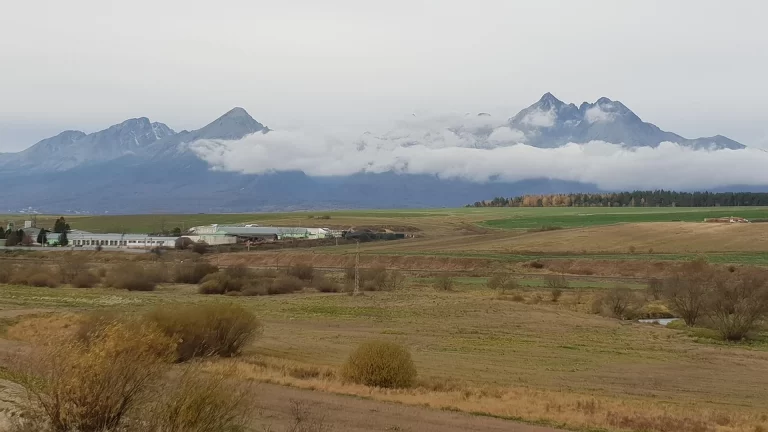
A Zakopane and Tatra Mountains tour is the most popular day trip from Krakow by a wide margin, and for good reason — it’s the closest thing to genuine mountain scenery within a realistic day-trip distance, combining a cable car, hiking, highland culture and thermal baths into a single (long) day.
Is a Day Trip Enough for Zakopane?
Given the roughly 4-5 hours of round-trip driving, a day trip to Zakopane genuinely compresses the experience — most visitors manage one major activity (the cable car or the funicular), a walk down Krupówki, and maybe the thermal baths, rather than all of it comfortably. It works well as an introduction to the region, but visitors who find themselves drawn to the mountains often say a two- or three-night stay in Zakopane itself, done separately from a Krakow-based trip, is the better way to actually experience the Tatras rather than sample them.
Getting to Zakopane and What the Drive Involves
Zakopane sits roughly 100km south of Krakow, and the drive takes about 2-2.5 hours each way depending on traffic and the route, which means this is a genuinely full day rather than a relaxed half-day excursion. Most organized tours depart early morning (7-8am) and return to Krakow in the evening, with the actual time in Zakopane and the mountains running 5-6 hours once travel time is accounted for.
The drive itself passes through changing scenery as the flat lowlands around Krakow give way to foothills and then genuine mountain terrain, which is part of the appeal for visitors who won’t otherwise see this kind of landscape during a Krakow-based trip. Traffic can add significant time on weekends and in peak summer season, when both Polish domestic tourists and international visitors head to the mountains in large numbers — weekday visits tend to move noticeably faster.
The Kasprowy Wierch Cable Car
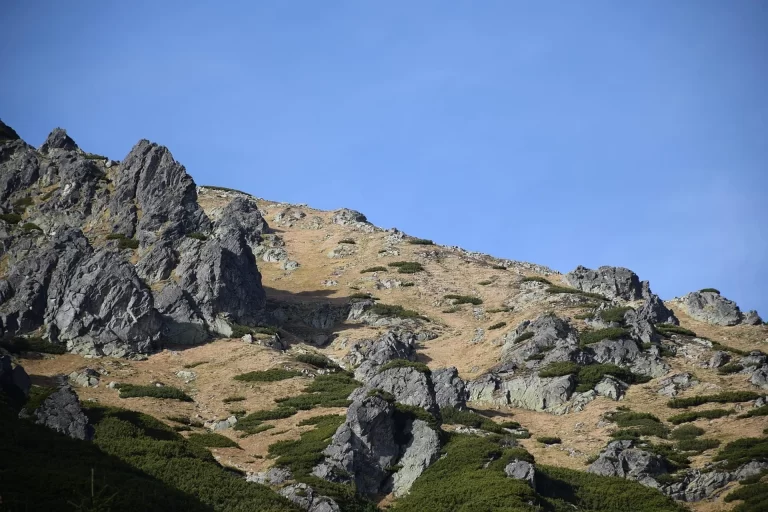
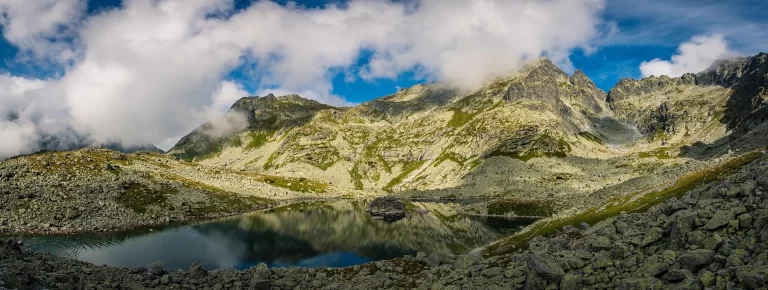
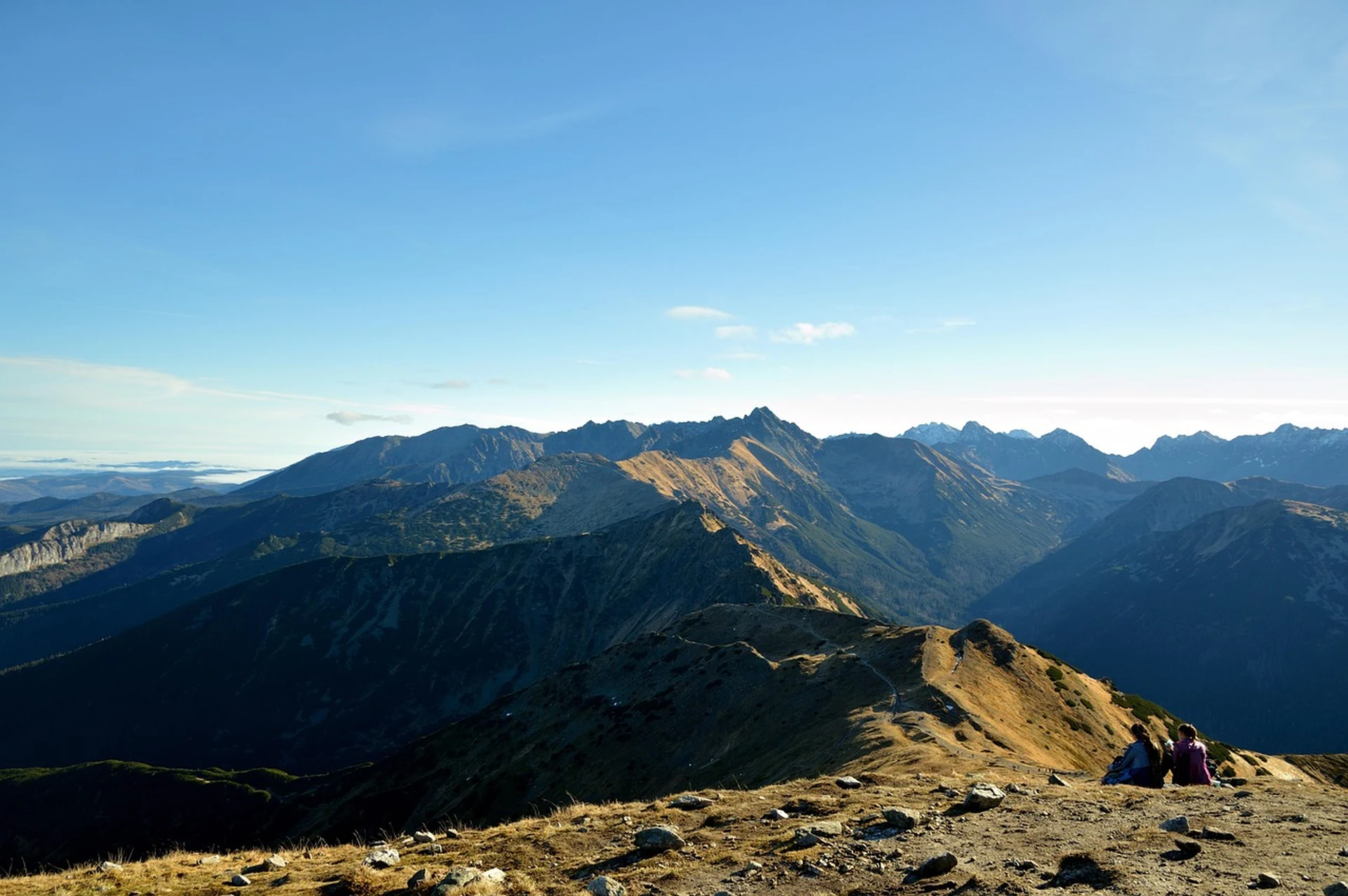
The cable car up Kasprowy Wierch is the trip’s centerpiece for most visitors — it climbs to just under 2,000 meters, near the Polish-Slovak border, with panoramic views across the High Tatras on clear days. Tickets have timed entry and sell out during peak season, so if a tour doesn’t pre-book this specifically, there’s a real risk of the cable car being sold out by the time you arrive. Weather also affects both the views and whether the cable car runs at all, so it’s worth checking conditions and having reasonable expectations if you’re visiting in cloud or heavy weather.
The ride itself takes around 20 minutes including a transfer partway up, and the queue for tickets — even with advance booking — can still involve waiting during peak times, since the cable car’s capacity is limited relative to demand on a busy day. At the top, a short walk along a marked ridge trail extends the visit for those who want more than just the viewpoint immediately at the cable car station.
Gubałówka: The Easier Alternative
For visitors who want mountain views without the altitude or the crowds at Kasprowy Wierch, the Gubałówka funicular climbs a smaller hill directly above Zakopane town, with easier access, shorter queues, and a pleasant ridge walk at the top with food stalls and views back over the town and toward the higher Tatra peaks in the distance. It’s a reasonable substitute if Kasprowy Wierch is sold out, weather-affected, or simply not worth the extra time and cost for a shorter visit.
Gubałówka is also notably faster overall — the funicular ride itself takes just a few minutes, and the base station sits right in central Zakopane, meaning no additional transfer time compared to Kasprowy Wierch’s slightly more remote base station. For visitors on a tight schedule, or those traveling with young children or older relatives for whom a longer excursion isn’t practical, this is the more time-efficient choice without sacrificing the core mountain-view experience.
Krupówki Street and Highland Culture
Zakopane’s main pedestrian street, Krupówki, is lined with restaurants, souvenir stalls and highland-style architecture — steep wooden roofs, carved detail — distinct from anything in Krakow itself. This is Podhale, the highland region with its own folk traditions, dialect, music and food, most visibly represented by oscypek, a smoked sheep’s milk cheese sold from stalls throughout the town and traditionally grilled and served with cranberry sauce. It’s worth budgeting time here even if the mountains are the main draw, since the town itself has a genuinely different character from the rest of the region.
Beyond oscypek, the street’s food stalls sell a range of highland specialties — kwaśnica (sour cabbage soup, often with smoked pork), various grilled meats, and mulled wine or hot beer in colder months. It’s a genuinely different food culture from Krakow’s Old Town restaurants, worth experiencing even briefly if food is part of what draws you to travel.
Thermal Baths
Several thermal bath complexes operate near Zakopane, drawing on naturally heated mineral-rich water, and they’re a common add-on to organized tours — a way to unwind after a day of hiking or sightseeing, with outdoor pools that stay pleasant even in cold weather. Not every organized tour includes bath admission, so check specifically if this is a priority, and budget extra time if you’re adding it to an already packed day.
Bring or rent a swimsuit and consider that changing facilities and towel rental are typically available but sometimes at extra cost — check specifics if you’re relying entirely on the tour’s inclusions rather than bringing your own gear. The water in most of these complexes stays a consistent warm temperature year-round, which makes them a genuinely appealing option even on a cold or rainy day when outdoor hiking isn’t ideal.
Hiking Options for Different Fitness Levels
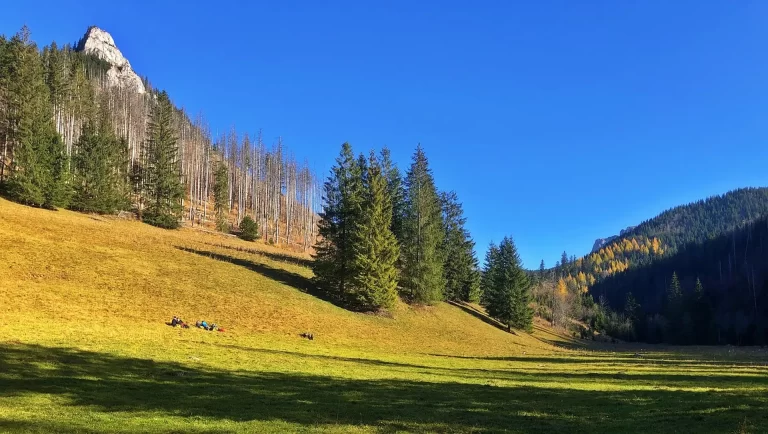
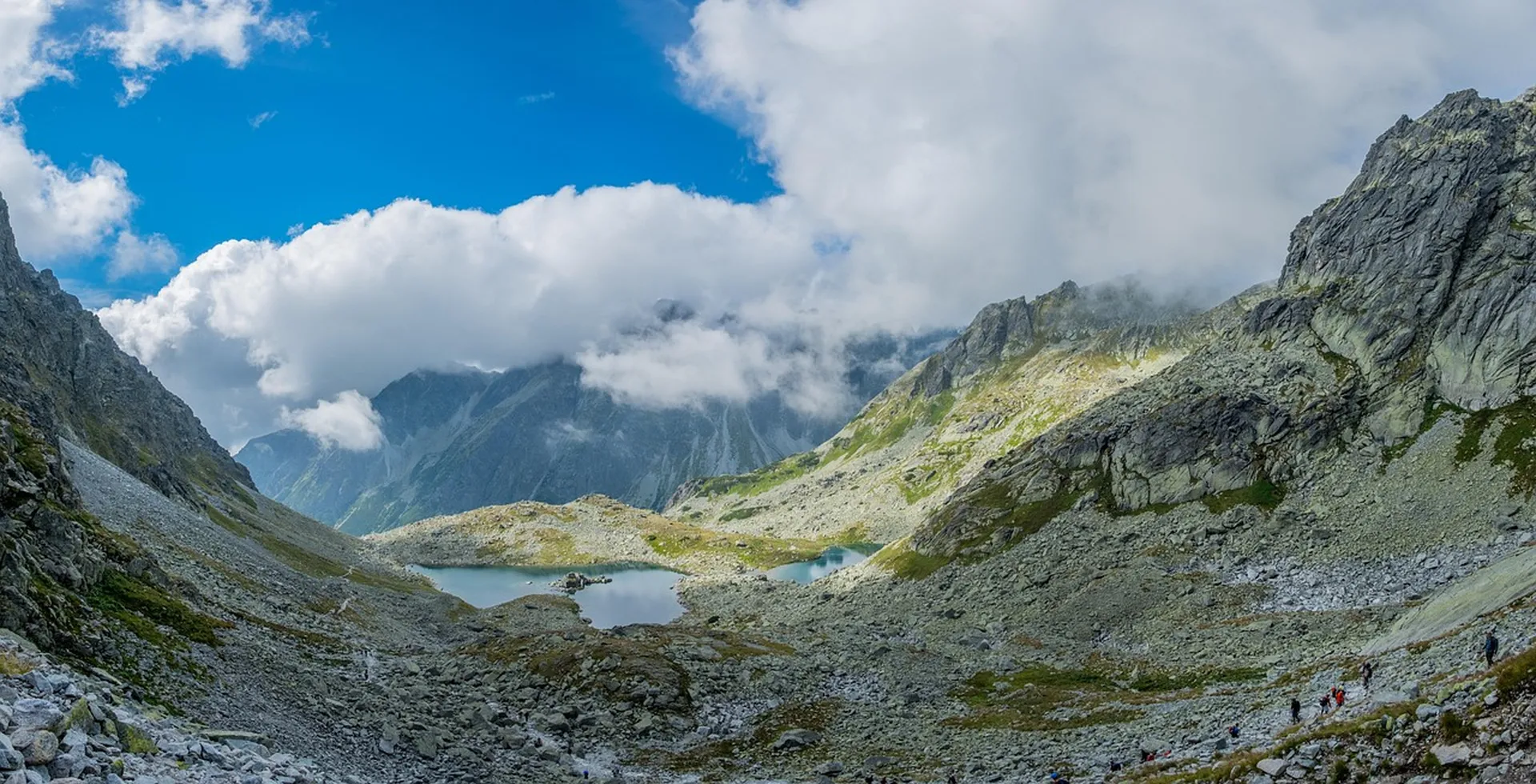
The Tatra National Park has trails ranging from short, flat walks near the cable car stations to serious multi-hour mountain routes requiring proper hiking gear and fitness. A day-trip visitor without dedicated hiking time should stick to the shorter, well-marked trails near Kasprowy Wierch or Gubałówka rather than attempting anything ambitious — the full mountain trails genuinely need a dedicated day or more, not a slot squeezed into an already long day trip.
Trail markers in the Tatra National Park follow a standardized Polish color-coding system, and even short walks are clearly signed, which makes independent short hikes manageable without a guide if you’re comfortable navigating on your own. Weather in the mountains changes faster than in Krakow, so checking conditions before setting out on even a short trail, and carrying a light layer regardless of the forecast, is worth doing rather than assuming valley weather will hold at altitude.
What Locals Notice
Krakow residents who make repeat trips to Zakopane almost universally say a single day trip only shows you a fraction of what the region offers, and treat it as a taster rather than the full experience — worth doing once as a day trip, but genuinely worth returning to for a longer stay if the mountains interest you.
See the Zakopane Cable Car, Thermal Baths & Highland Culture Tour
What to Read Next
- Day Trips and Excursions from Krakow: Zakopane, the Tatras and the Region
- Zakopane Day Trip from Krakow: Is the Mountain Trip Worth the Drive
- Best Day Trips from Krakow Ranked by Distance
Frequently Asked Questions
How far is Zakopane from Krakow?
About 100km, with the drive taking roughly 2-2.5 hours each way depending on traffic and route.
Is the Kasprowy Wierch cable car worth it?
Yes, on clear days — it climbs to nearly 2,000 meters with panoramic Tatra views. It sells out in peak season, so booking ahead matters.
Can you hike in the Tatras as a day trip from Krakow?
Only short, well-marked trails near the cable car stations. Longer mountain routes require dedicated time and proper gear, not a squeezed-in day-trip slot.
Do Zakopane day trips include thermal baths?
Some do as an add-on, but not all — check specifically when booking if bath admission is a priority.
Plan your visit: Official site · Google Maps