Visiting Auschwitz-Birkenau from Krakow: Tours, Tickets and What to Know
Visiting Auschwitz-Birkenau from Krakow is, for most travellers, the single most important thing they do on the trip — and the one they research the least carefully, because the instinct is to look away from the planning details rather than sit with them. Auschwitz I and Auschwitz-Birkenau (Auschwitz II) sit about forty minutes from Krakow by road, and between 1940 and January 1945 the camp system killed 1.3 million people, most of them Jews, along with Polish, Roma, Soviet and other prisoners. Nothing about visiting well starts with logistics. It starts with understanding what the site is.
Once that’s settled, the logistics matter more than most visitors expect: since March 2026, every visit is booked online in advance, with no ticket sales at the gate. This guide is the starting point for the whole topic — what the camp actually is, the real decisions you’ll make before booking, what the day involves, and how to prepare. Deeper guides on each specific decision are linked throughout as they’re published.
What Auschwitz-Birkenau Actually Is
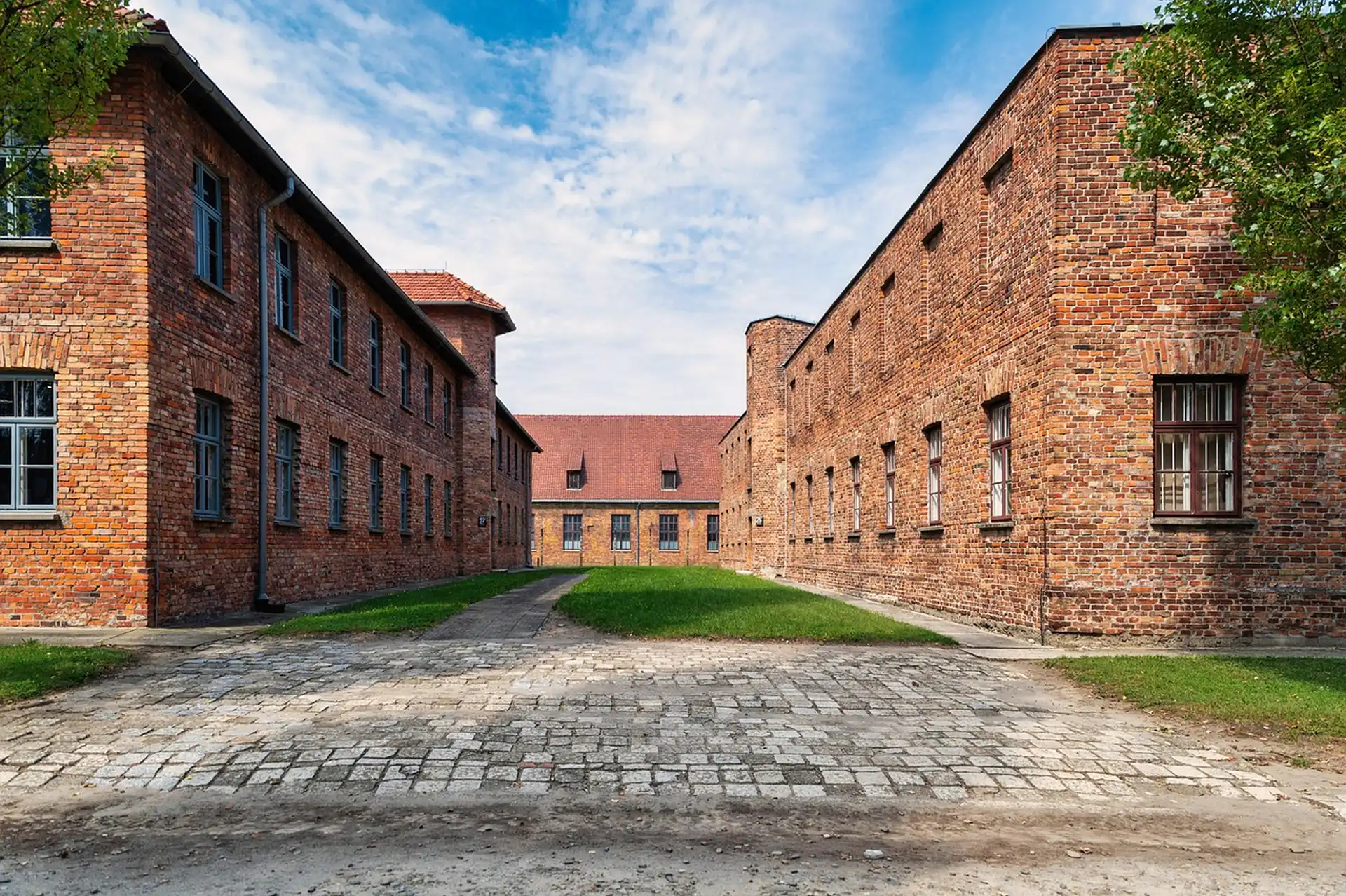
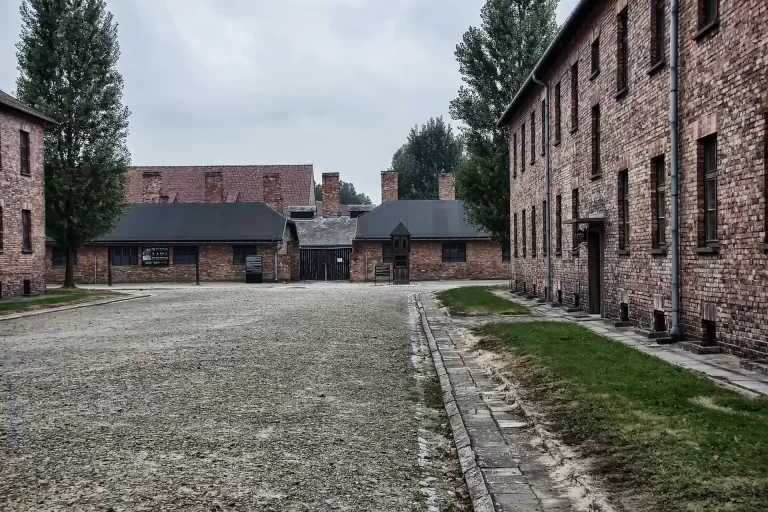
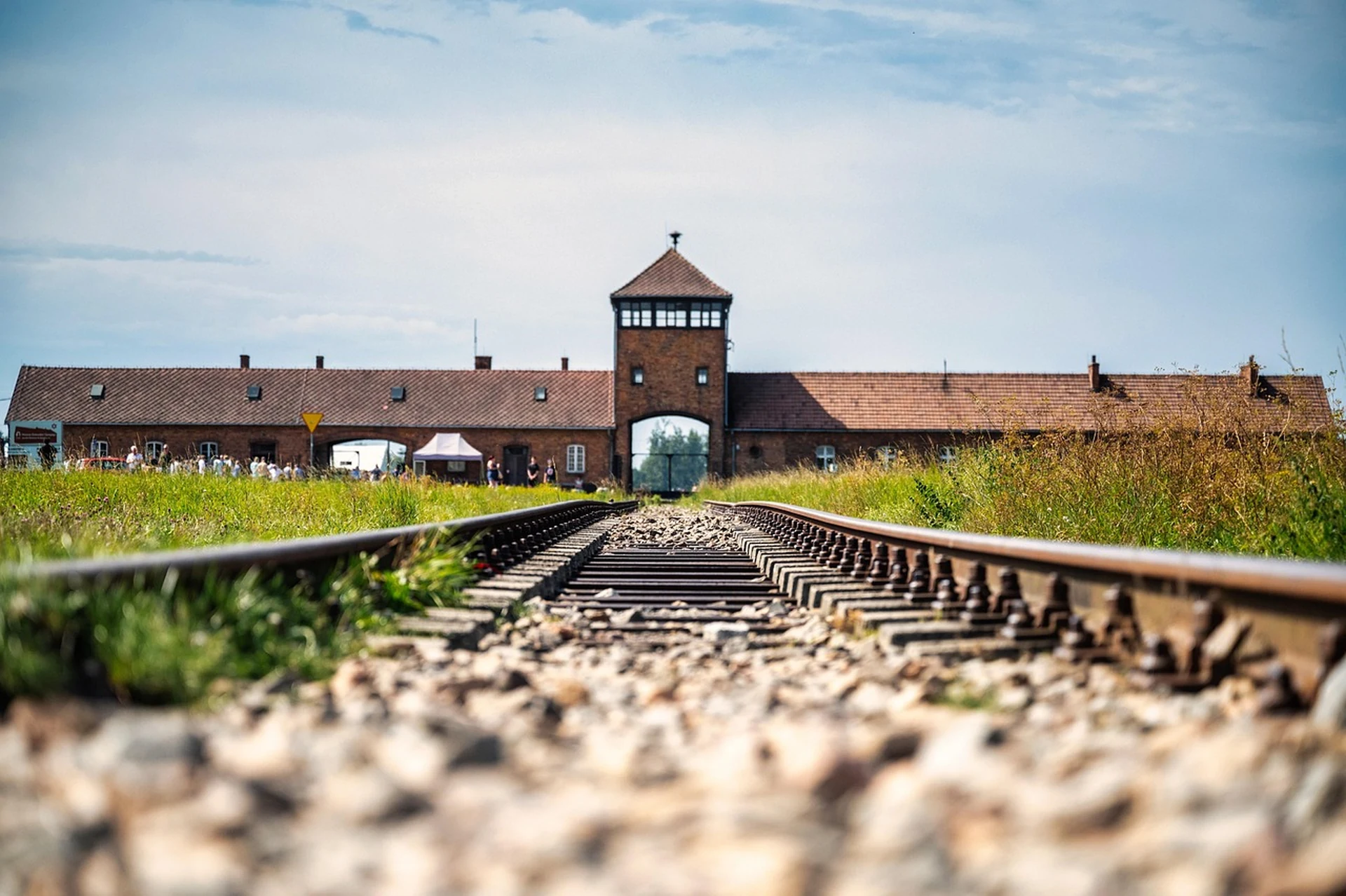
Auschwitz I was the original camp, established in 1940 in a former Polish army barracks — compact, architecturally dense, and now the site of the main museum exhibition. Auschwitz II-Birkenau, built from 1941, was the much larger extermination camp: open, exposed, and the location of most of the killing. The two sites are roughly three kilometres apart and are usually visited together, connected by a short shuttle included in most tours.
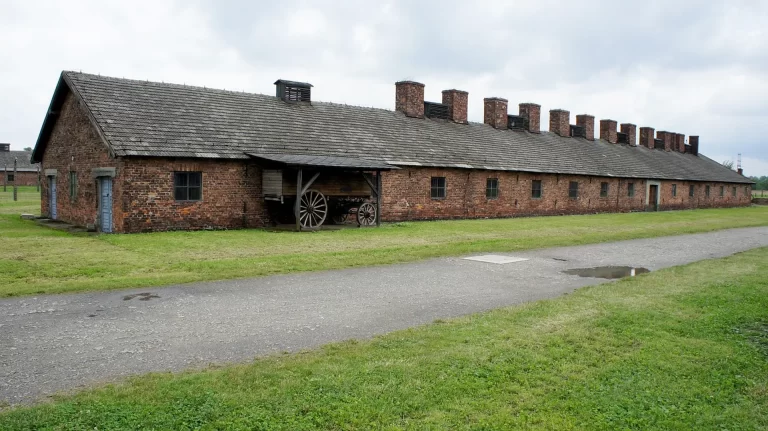
The camp operated until Soviet forces liberated it in January 1945. What remains — the barracks, the ruins of the gas chambers and crematoria at Birkenau, the collected belongings on display at Auschwitz I — is preserved rather than reconstructed, which is part of why the visit affects people differently than most historical sites.
Visitors are sometimes surprised by how much of Auschwitz I is original brick barracks rather than open memorial ground — walking through it means walking through the actual rooms, not a reconstruction. Birkenau, by contrast, was built for scale and largely destroyed by retreating German forces near the war’s end, so much of what remains is ruins, rail tracks, and the sheer size of the site itself. Seeing both, in that order, is part of why the standard tour structure works as well as it does.
The Decisions You’ll Actually Make
Almost every visitor ends up deciding on the same three things before booking, and getting them right matters more than any packing list.
Guided or Self-Guided
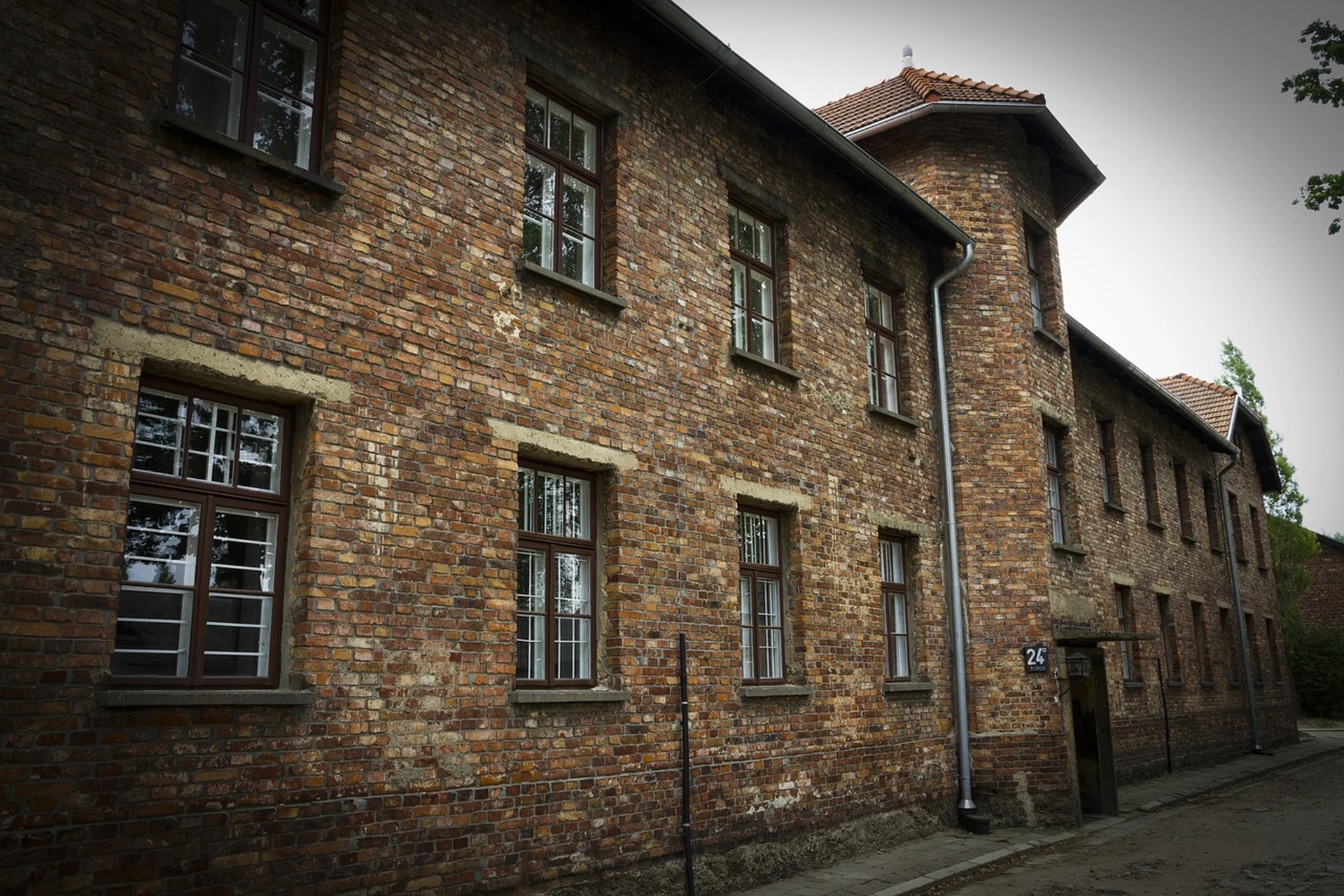
Organised groups touring the site are required to bring a licensed guide-educator — this isn’t optional bureaucracy, it reflects how much context the site needs to be understood rather than just walked through. Independent visitors can still enter without a guide via the free individual entry pass, but the guided route is what the vast majority of Krakow-based visitors choose, since a guide-educator sequences the day so the weight of what you’re seeing builds correctly rather than arriving all at once. A dedicated comparison of guided versus self-guided is one of the deeper pieces in this pillar.
The requirement for a licensed guide on organised group tours exists because Auschwitz-Birkenau is not a site where confusion about what you’re looking at is a minor inconvenience — a guide-educator’s sequencing is what turns a walk through a preserved camp into an actual understanding of what happened there.
Group or Private
Standard guided tours run with 15 to 30 visitors split into smaller listening groups on headsets tuned to the guide’s microphone — efficient, well-tested, and considerably cheaper. Private tours cost roughly two to three times more and buy pacing control and exclusivity of the guide’s attention, not better access or a different route through the site. Families needing flexibility and visitors with mobility considerations tend to get the most out of private; most solo travellers and couples are well served by the standard group format.
Neither format is a compromise — the group tour is not a lesser version of private, and private is not simply an upgrade. The real question is whether your visit benefits more from a pace shared with other travellers, or from the freedom to move through the site entirely on your own terms.
How Far Ahead to Book
Every visit needs a timed-entry booking — there is no gate-purchase option any longer. Guided tours can be booked up to ninety days out, but popular slots, especially summer weekend mornings, often sell out within four to six weeks of the date. The free self-guided pass runs on a smaller daily allocation and typically disappears for popular dates well before its official seven-day cutoff. If your travel dates fall in July, August, or near a holiday week, booking as early as the calendar allows is the safer approach.
A few booking mistakes show up repeatedly: treating Auschwitz as something to slot in after the rest of the itinerary is fixed, booking entry without transport arranged, and assuming a group booking covers everyone without listing each traveller individually. Passes are checked against ID at the gate, so each visitor generally needs to appear on the booking, not just the lead traveller.
What Past Visitors Consistently Say
Across thousands of reviews of Krakow-based Auschwitz tours, a few patterns repeat closely enough to be worth noting before you book. Visitors consistently praise guides who pace the day rather than rush it, and consistently flag operators who treat the visit as a box to check rather than something that deserves room to land. The most common complaint isn’t about the site itself but about transport reliability — pickup times that shift without notice, or buses that feel more crowded than advertised.
The clearest signal in reviews of higher-rated tours is specificity: visitors describing a particular story their guide told, a specific room that affected them, rather than generic praise. That pattern is a reasonable way to judge between similarly priced options when you’re comparing listings — vague five-star reviews tell you less than a handful of detailed ones.
Locals who arrange this trip for visiting family often make one adjustment tourists rarely think of on their own: booking the earliest possible slot, not for the shorter queue, but because Birkenau in particular reads differently in quiet, early light than it does surrounded by mid-morning tour traffic.
What a Visit Actually Involves
A standard guided day starts with hotel pickup in Krakow, roughly a forty-minute drive to Oświęcim, and security screening at the entrance — arrive at least thirty minutes before your slot, since passes are personalised and checked against ID. The tour moves through Auschwitz I first, largely indoors and architecturally dense, then shuttles to Birkenau, which is open, exposed, and involves considerably more walking. Bring something warm even in summer; the wind across Birkenau’s open field is sharper than the Krakow forecast suggests.
The full day, door to door, typically runs six to seven hours including transport. Most tours build in a short break, though the visit itself is not designed around comfort — that is, deliberately, part of the point.
| Format | Typical Price | Group Size | Best For |
|---|---|---|---|
| Standard guided tour | From roughly ₹1,900 | 15–30, split into sub-groups | Most first-time visitors, solo travellers, couples |
| Private guided tour | From roughly ₹4,900+ | Your own party only | Families needing flexibility, visitors with mobility needs |
| Free self-guided pass | Free (limited allocation) | Individual, no guide | Return visitors, those with strong prior background |
| Self-guided with transfer | From roughly ₹3,800 | Individual + transport included | Self-guided visitors without a car |
Given how far ahead the popular slots fill, checking real-time availability directly is the most reliable way to see where your dates stand — see current availability for the guided tour with hotel pickup here.
Getting There, Cost and Timing
Most Krakow-based visitors travel by organised tour with hotel pickup, which removes the need to arrange transport separately — public buses to Oświęcim run on a limited schedule and are a less reliable option if your entry time is fixed. Driving yourself is possible but adds parking logistics to a day that already has enough to manage. Costs range from roughly ₹1,900 for a standard guided tour to ₹11,000 or more for a fully private chauffeured experience, with most travellers landing in the ₹1,900–5,000 range depending on group size and inclusions.
Opening hours shift seasonally — as early as 7:30am and as late as 7:00pm in June through August, narrowing significantly in December. Whatever the season, last entry is always well before closing, and the earliest slots of the day tend to be the calmest.
A common planning mistake is booking Auschwitz as an afterthought once the rest of the Krakow itinerary is already fixed — by the time travellers get to it, the date and tour type they actually wanted is often gone. Building this into the trip early, before the hotel and the rest of the schedule lock in, avoids more stress than any other single planning decision for the visit.
Should You Combine Auschwitz with Another Day Trip?
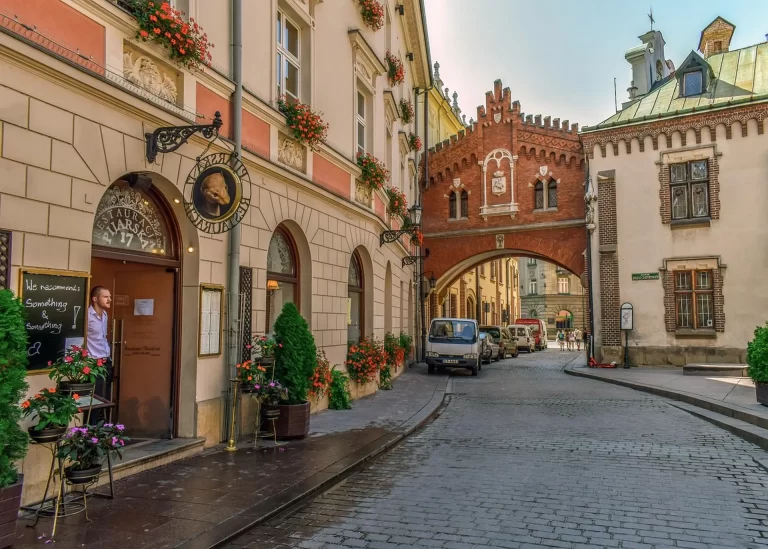
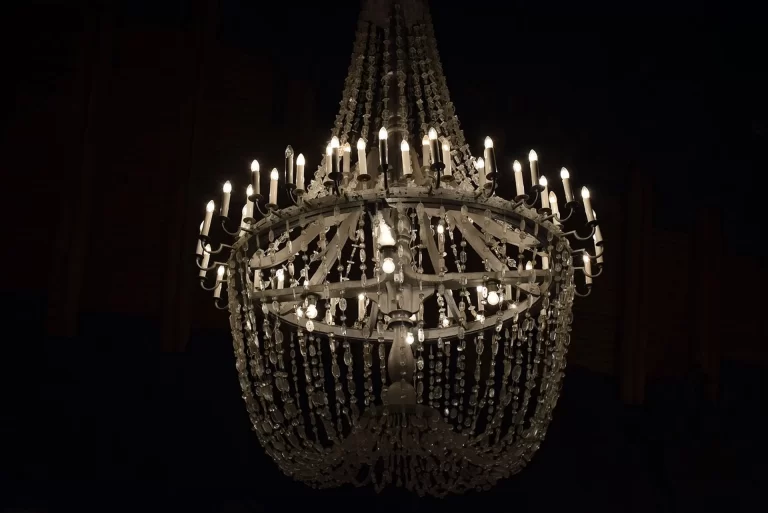
Some tour operators offer Auschwitz paired with Wieliczka Salt Mine as a single long day, and it is possible — but rarely advisable. The two experiences ask very different things of you, and compressing them into one day leaves neither the room it needs. If your schedule allows it, giving Auschwitz its own day, with nothing demanding scheduled immediately before or after, tends to produce a better version of both experiences than combining them ever does.
This is one of the few pieces of advice locals and past visitors agree on almost without exception — the day deserves to stand on its own, not compete for attention with whatever comes after it.
Preparing for the Visit
Auschwitz I has some step-free access, but many original buildings were never designed for wheelchairs and cannot be retrofitted without compromising their preservation; Birkenau is flatter but the ground is uneven gravel and grass. Visitors with specific accessibility needs are better served contacting the tour operator directly before booking, since listings are often incomplete on this point.
The Memorial does not admit children under fourteen on guided tours, and families bringing older children should have a short, age-appropriate conversation about what the day involves beforehand rather than treating it as a same-day decision. For every visitor, adult or otherwise, giving the rest of the day room to sit with what you’ve seen — rather than scheduling something upbeat immediately after — tends to matter more than any other single piece of preparation.
For visitors who want to move at their own pace without joining a guided group, check current availability for the self-guided entry and transfer option here.
Practically: wear comfortable, weather-appropriate shoes, since the visit involves more walking than the indoor sections suggest, and bring a valid photo ID that matches your booking name exactly, since passes are checked at the gate. Large bags are restricted inside the exhibition buildings and may need to go through a cloakroom, so travelling light makes the day considerably smoother.
Understanding Auschwitz Before You Go
The camp was established in 1940, initially for Polish political prisoners, before becoming the largest of the Nazi extermination camps as deportations from across occupied Europe accelerated from 1942 onward. Most of the 1.3 million people killed there were Jews deported under the systematic plan for their extermination; the camp also held and killed Roma, Soviet prisoners of war, and others deemed enemies of the regime. Visiting with even a rough sense of this timeline changes how the site reads — the barracks, the selection platform at Birkenau, the mountains of confiscated belongings are not abstract exhibits but physical remains of a specific, documented process.
A short read beforehand — even twenty minutes with a reliable overview — tends to matter more than any packing decision. Visitors who arrive with some context consistently describe absorbing the guide’s narration rather than feeling purely overwhelmed by volume of information delivered in one sitting.
What to Expect Emotionally
There is no way to fully prepare for standing in the rooms where this history happened, and most visitors describe some version of the same experience: a heaviness that builds gradually through Auschwitz I and becomes something closer to overwhelming at Birkenau’s scale. It is common to feel numb rather than visibly emotional in the moment, with the weight of it arriving later — on the drive back, or the following day. Neither reaction is more correct than the other.
Guides are generally well practised at reading a group’s pace and adjusting accordingly, but it is worth knowing before you go that you are allowed to step outside a room, sit for a moment, or ask your guide to slow down. Nobody visiting this site is expected to process it perfectly the first time.
What to Read Next
Deeper guides on each specific decision below are being published as part of this pillar — links will be added here as each goes live.
- Auschwitz Tour from Krakow: A Complete Guide to Booking and the Day
- Guided vs Self-Guided Auschwitz: Why a Guide Is Worth It Here
- How to Book Auschwitz Tickets from Krakow Before They Sell Out
- Private vs Group Auschwitz Tour: Cost, Pace and Which to Choose
- Cheapest Way to Visit Auschwitz from Krakow Without Cutting Corners
- Auschwitz Tour with Wieliczka Salt Mine: Is the Combined Day Too Much?
- How to Get from Krakow to Auschwitz: Tour Bus, Train or Driving
- How Long Does a Visit to Auschwitz Take, Start to Finish?
- Auschwitz Opening Hours, Free Entry Hours and Booking Rules Explained
- What You Can and Cannot Bring to Auschwitz: Bags, Cameras and Dress
- Visiting Auschwitz I and Birkenau: What the Two Sites Actually Are
- Should You Take Children to Auschwitz? An Honest Guide for Families
- Visiting Auschwitz in Winter: What the Cold and Snow Change
- What to Expect Emotionally at Auschwitz: Preparing for the Visit
- Understanding Auschwitz Before You Go: The History You Should Carry In
Frequently Asked Questions
How far is Auschwitz from Krakow?
Roughly forty minutes by road. Most Krakow-based tours include hotel pickup and handle the drive as part of the booking.
Do I need to book Auschwitz tickets in advance?
Yes. Since March 2026, every visit — guided tours and the free self-guided pass alike — must be booked online in advance. There is no ticket sales option at the gate.
Is Auschwitz free to visit?
A free individual entry pass exists for self-guided visits without an educator, but the daily allocation is smaller than the guided tours and must be booked online, no later than seven days ahead or until that day’s allocation is gone.
How long does a full visit to Auschwitz take?
Budget six to seven hours door to door from Krakow, including transport, security screening, and the walk through both Auschwitz I and Birkenau.
Is a guided tour or self-guided visit better?
Most first-time visitors get more from a guided tour, since a licensed guide-educator sequences the day so the historical weight builds correctly. Self-guided suits visitors with strong prior background or those who have already taken a guided tour once.
Can children visit Auschwitz?
Guided tours do not admit children under fourteen. Families with older children can visit meaningfully, but the visit deserves real preparation beforehand rather than a same-day decision.
Most people who visit Auschwitz-Birkenau from Krakow say the same thing afterward, in different words: that the planning details mattered less than they expected, and the quiet on the drive back mattered more. Getting the logistics right — the right tour type, a booking made early enough, the right expectations for the day — simply clears the way for that to happen without added friction.
Plan your visit: Official site · Google Maps