What to Expect Emotionally at Auschwitz: Preparing for the Visit
What to expect emotionally at Auschwitz is a fair question to ask before going, and an honest answer is more useful than a vague warning that it will be “difficult.” Different visitors respond in genuinely different ways, and knowing the shape of what’s coming — rather than just that it will be hard — makes the day easier to move through.
There Is No Single Right Reaction
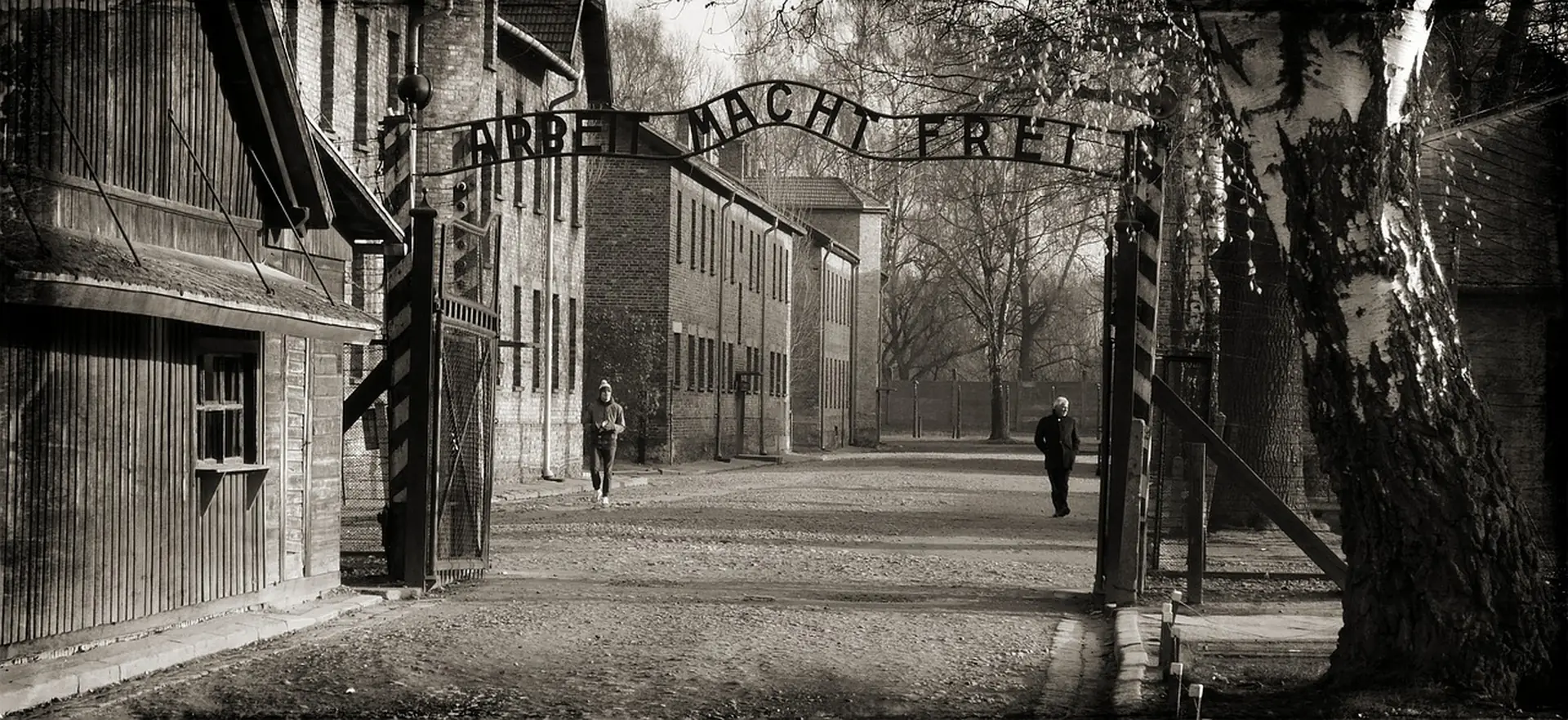
Some visitors cry. Some feel a kind of flat numbness that surprises them, having expected tears that don’t come. Some feel anger, others a quiet disbelief that settles in slowly rather than all at once. All of these are normal responses to the same site, and none of them is more correct than another. If a reaction feels different from what was expected going in, that’s not a sign anything is wrong.
How the Visit Is Structured
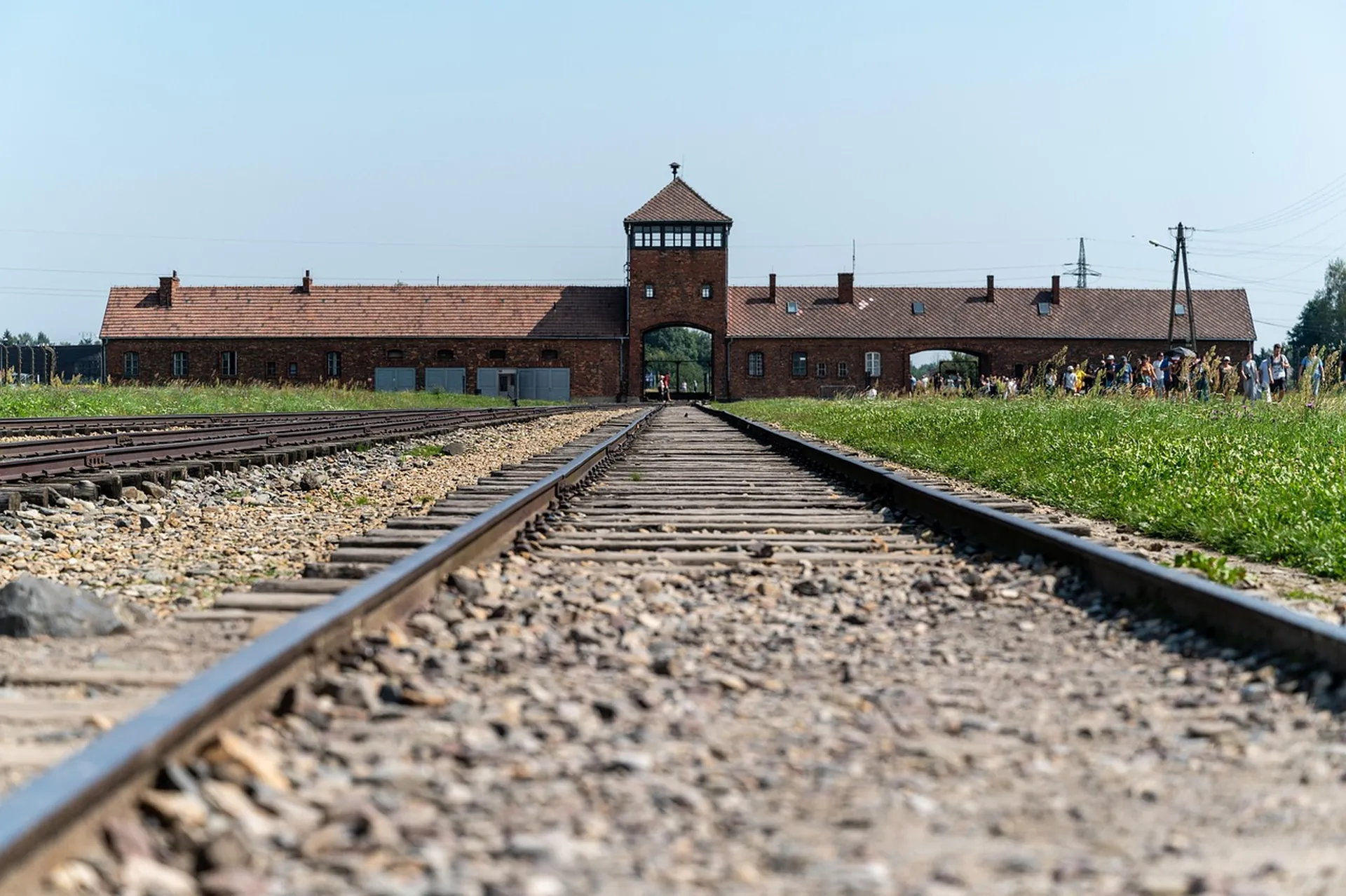
The standard route moves through content in roughly increasing intensity: registration and daily life exhibits first at Auschwitz I, then the rooms holding confiscated belongings, then the more direct evidence of the killing process, before moving to Birkenau’s physical scale in the second half of the day. This isn’t accidental — the structure gives most visitors time to adjust rather than confronting the heaviest material in the first ten minutes.
What Guides Are There For
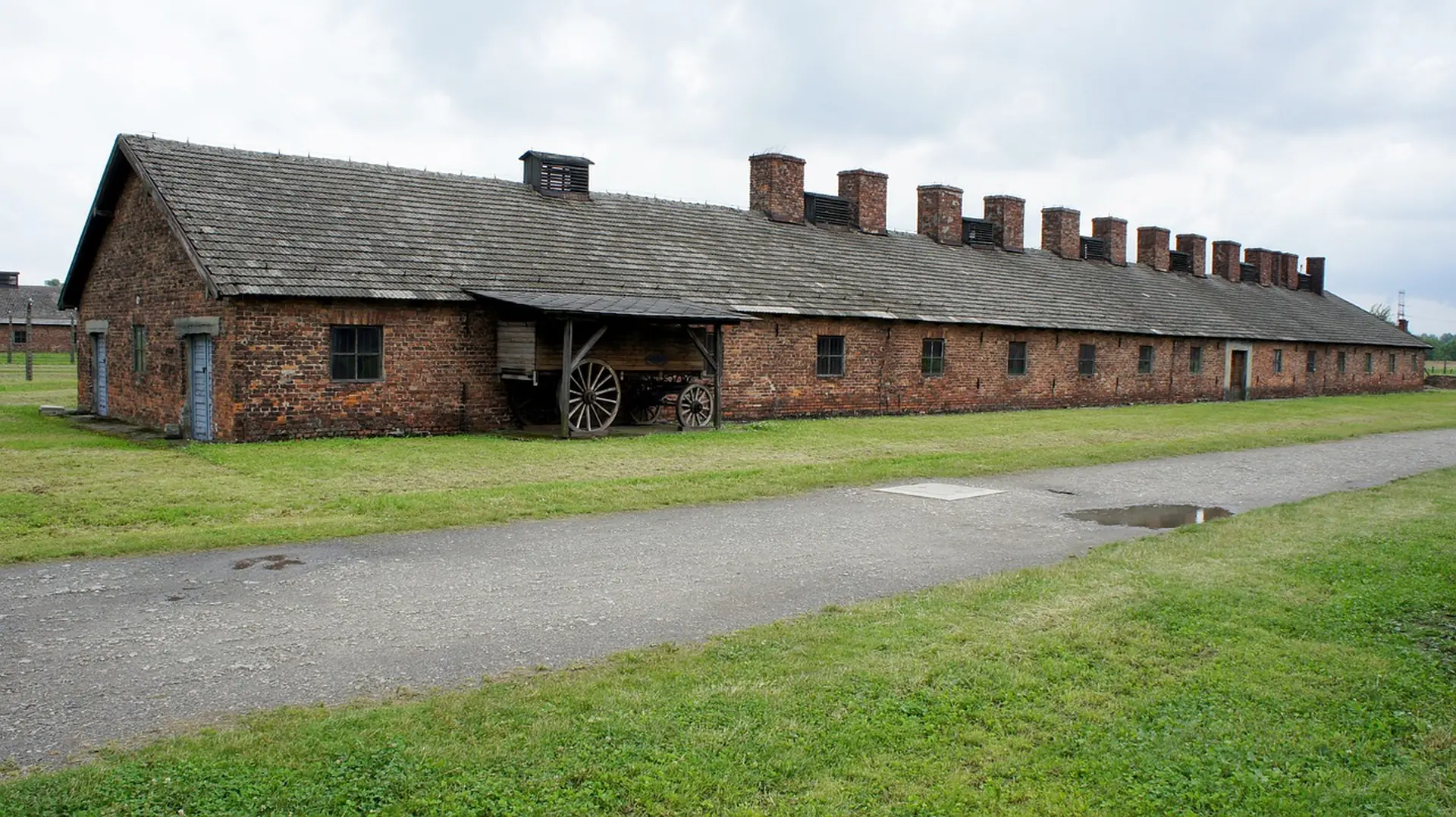
Guide-educators are trained for exactly this. If a visitor needs to step back, sit down for a moment, or skip ahead to rejoin the group at the next stop, guides are used to accommodating that quietly, without singling anyone out. A short phrase to the guide directly — “just need a minute” is enough — is the simplest way to get that support, and it happens more often than most first-time visitors assume.
The Physical and Mental Load of the Day
Beyond the emotional content itself, the day is simply tiring: several hours on your feet, much of it outdoors at Birkenau, combined with sustained concentration on difficult material. Visitors who arrive already exhausted from travel or a packed itinerary tend to find the day harder than those who arrive rested. A full night’s sleep beforehand matters more here than for almost any other Krakow activity.
What Most People Feel Afterward
A subdued, quiet mood for the rest of the day is close to universal, regardless of how someone reacted during the visit itself. Conversation often comes slowly rather than immediately — many people process the day in silence on the drive back before wanting to talk about it at all. Planning something undemanding for the evening, rather than a packed schedule, respects that natural pattern instead of fighting it. This is one of the reasons experienced guides recommend against scheduling anything demanding directly afterward — the mood doesn’t lift quickly, and trying to force it to rarely works.
Preparing Beforehand Helps
Visitors who arrive with at least a basic understanding of the history — rather than encountering it entirely fresh at the site — generally report processing the visit more easily, since context replaces some of the shock with recognition. A guided tour from Krakow provides that context throughout the day itself, and our complete guide to booking an Auschwitz tour from Krakow covers what the day includes if you’re still deciding how to visit.
If You Decide Partway Through It Isn’t Right for You
It’s genuinely acceptable to decide, even mid-visit, that continuing isn’t right for you that day. Guides can and do accommodate visitors who need to wait at a designated point rather than complete the full route. This isn’t a failure of preparation — some days and some states of mind aren’t suited to this particular visit, and recognising that in the moment is a reasonable response, not something to push through regardless.
Marta’s Honest Notes
Locals who’ve been to Auschwitz more than once, whether accompanying visiting family or as part of their own education, describe the same thing: the visit doesn’t get easier with repetition, but it does become more familiar in shape, which helps. First-timers shouldn’t expect to feel “ready” beforehand in any complete sense — nobody really is, and that’s fine.
Common Physical Reactions
Alongside the emotional response, some visitors notice physical effects: a tight chest, a lump in the throat, occasionally lightheadedness, particularly in the standing cells or the more enclosed spaces at Auschwitz I. These are ordinary stress responses to a genuinely difficult environment, not something unusual or a sign of being unsuited to the visit. Sitting down for a moment, stepping toward an open door or window, and slow breathing generally settle things within a few minutes.
Traveling With Someone Who Reacts Differently Than You
Couples, families and friend groups often discover mid-visit that they’re processing the same site quite differently — one person quiet and withdrawn, another wanting to talk through what they’re seeing in real time. Neither response is wrong, and it rarely reflects anything about the relationship; it’s simply how different people handle difficult material. Giving each other space to react in their own way, rather than expecting a shared reaction, makes the day easier for everyone.
Should You Watch or Read Anything Beforehand?
Opinions differ here, and there’s no single right answer. Some visitors find that reading a concise historical overview beforehand helps them process what they see with context rather than shock. Others prefer to arrive with minimal prior detail and let the guide’s narration provide that context in real time. Either approach is reasonable — what matters more is being honest with yourself about which one actually helps you personally, rather than assuming more preparation is always better. There’s no research suggesting one approach produces a “better” visit than the other; it genuinely comes down to individual temperament.
Private vs Group Tours and Emotional Pacing
Group tours move on a fixed schedule set for the whole coach, which works well for most visitors but offers less room to slow down or pause at a particular point that resonates unexpectedly. A private tour allows more control over pacing, which some visitors specifically choose for this reason, particularly those with a personal or family connection to the history who anticipate needing more time at certain points than a standard group format allows.
What Locals Notice About First-Time Visitors
Guides and locals who’ve watched many first-time visitors move through the site describe a consistent pattern: the anticipation beforehand is often harder than the visit itself. Most people arrive braced for something worse than what actually happens emotionally, and the structured, guided format tends to be more manageable than the imagined version many visitors carry in beforehand. That doesn’t make the day easy, but it’s worth knowing the dread often outweighs the reality. This isn’t meant to minimise the day or suggest it should be treated lightly — it’s simply useful context for anyone whose anxiety about the visit is making the decision to go harder than the visit is likely to be.
Talking to Children or Teenagers Who Are Struggling
For families visiting with teenagers at or above the recommended age, it helps to check in directly rather than assuming silence means everything is fine. A simple, low-pressure question — how they’re finding it, whether they want to keep going at the current pace — gives a teenager permission to say if something is affecting them more than expected, without singling them out in front of the group.
What to Read Next
- Visiting Auschwitz-Birkenau from Krakow: Tours, Tickets and What to Know
- Auschwitz Tour from Krakow: A Complete Guide to Booking and the Day
Frequently Asked Questions
Is it normal to cry at Auschwitz?
Yes, and it’s equally normal not to. Reactions vary widely between visitors, and there is no single correct emotional response to the site.
What happens if a visitor feels overwhelmed during the tour?
Tell your guide. Guide-educators are used to accommodating visitors who need a moment, want to step back, or wish to skip ahead to rejoin the group later.
How can visitors prepare emotionally before visiting Auschwitz?
Some basic prior knowledge of the history helps most visitors process the site more easily than arriving with no context. A full night’s rest beforehand also makes a real difference.
What should visitors do after visiting Auschwitz?
Keep the rest of the day light. A subdued, quiet mood afterward is extremely common, and most visitors find they need time before wanting to discuss what they saw.
Is it okay to not finish the visit if it becomes too much?
Yes. Guides can accommodate visitors who need to wait at a designated point rather than complete the full route. This is a reasonable response, not a failure.
A quick note on the links above: the tour recommended in this guide is chosen on real review volume and rating, the same standard used across this site; if you book through one of these affiliate links, this site earns a small commission at no extra cost to you.
Plan your visit: Official site · Google Maps