Visiting Auschwitz in Winter: What the Cold and Snow Change
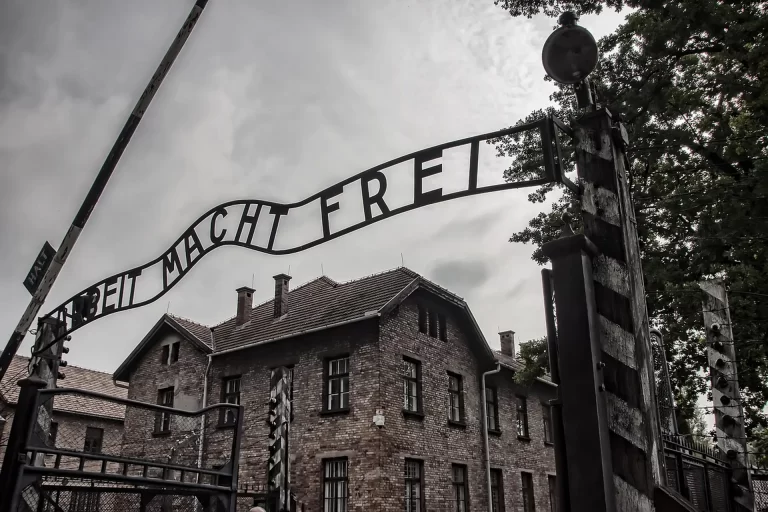
Visiting Auschwitz in winter changes more than the temperature. Shorter opening hours, smaller crowds, and a genuinely different physical experience at Birkenau all shift what the day looks like compared to a summer visit. None of it makes winter a worse time to go — for some visitors it’s the better one — but it’s worth knowing what actually changes before booking.
Winter Opening Hours
Entrance hours shrink significantly in the coldest months, which affects how early a tour needs to start:
| Month | Entrance Hours |
|---|---|
| December | 7:30 AM – 1:00 PM |
| January | 7:30 AM – 2:00 PM |
| February | 7:30 AM – 3:00 PM |
Compare that to June, July and August, when entrance runs until 6:00 PM — winter’s window is roughly half as long, which pushes most guided tours to an earlier morning departure from Krakow than visitors expect.
What the Cold Actually Feels Like
Oświęcim’s daytime temperatures average around 4°C in December, dropping toward freezing overnight, and January is the coldest month, with daytime highs often struggling past 2°C and lows around -4°C. Krakow itself sees a similar pattern, and January is also the snowiest month regionally, with snowfall recorded on roughly half the days that month in a typical year. None of this is extreme by Central European standards, but it is a meaningfully colder day than most visitors from milder climates are prepared for.
Snow and Ice on the Ground
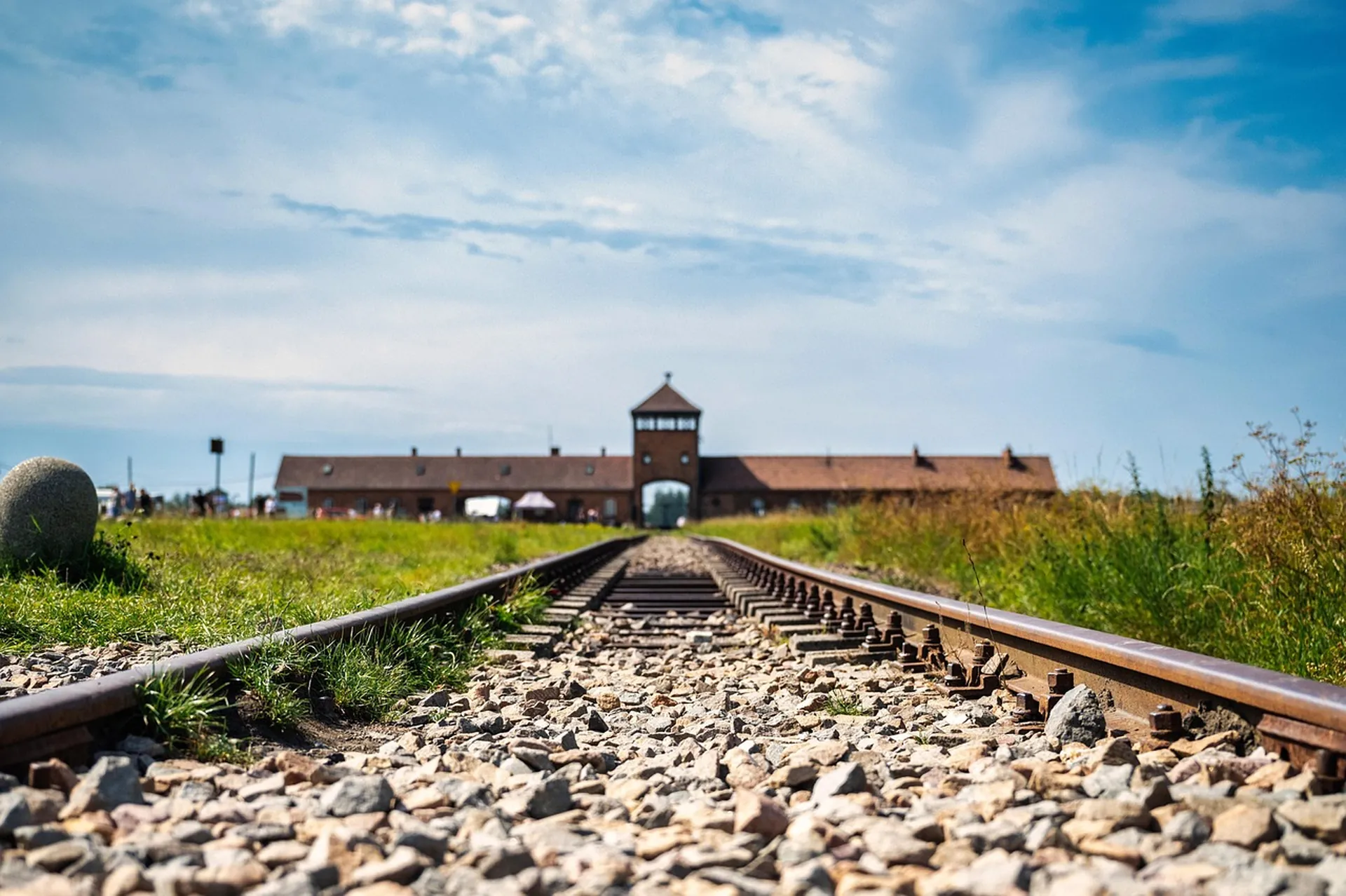
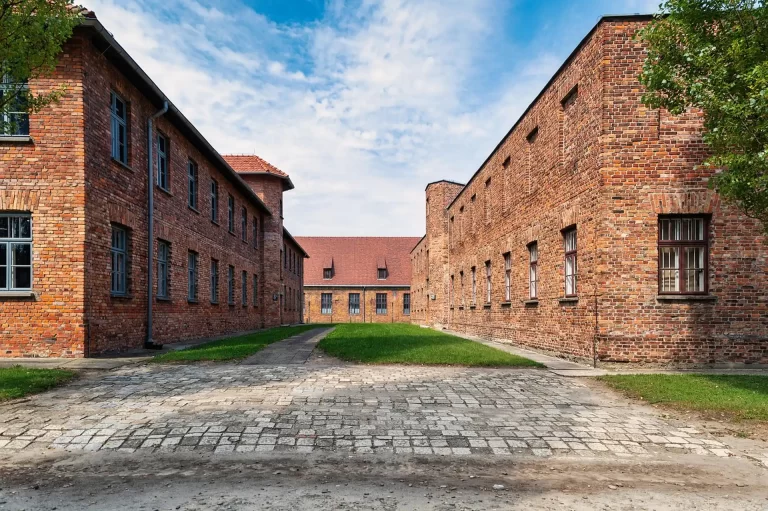
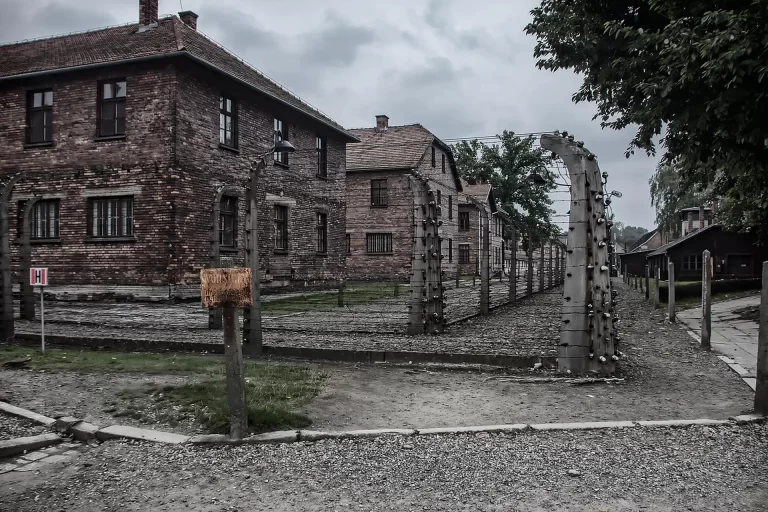
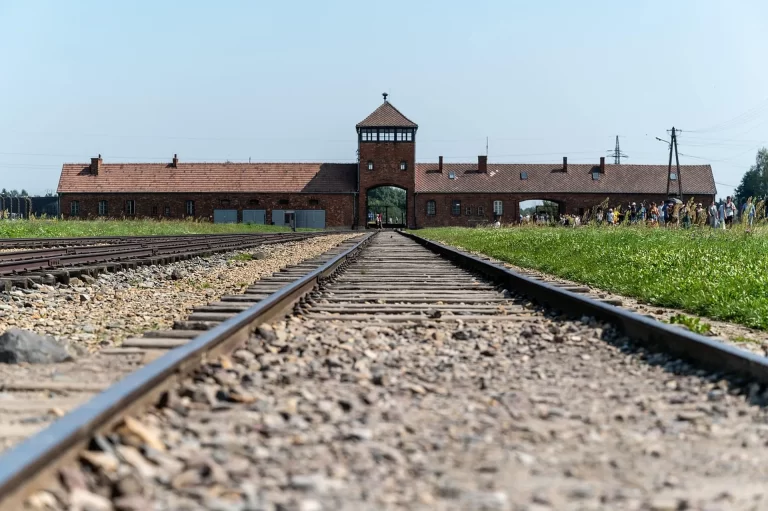
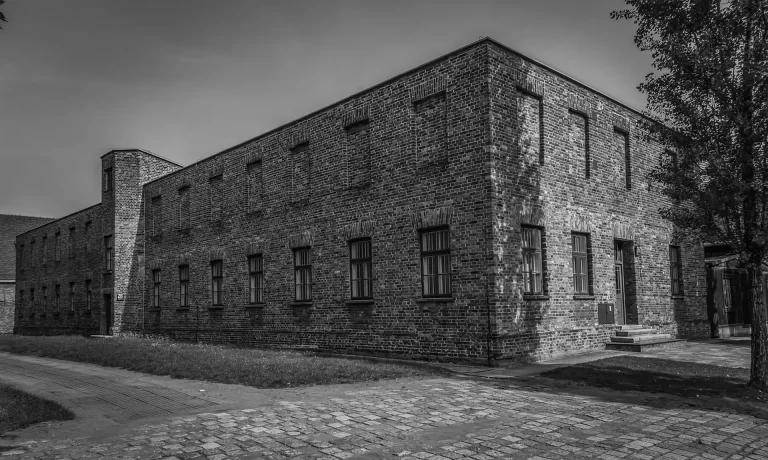
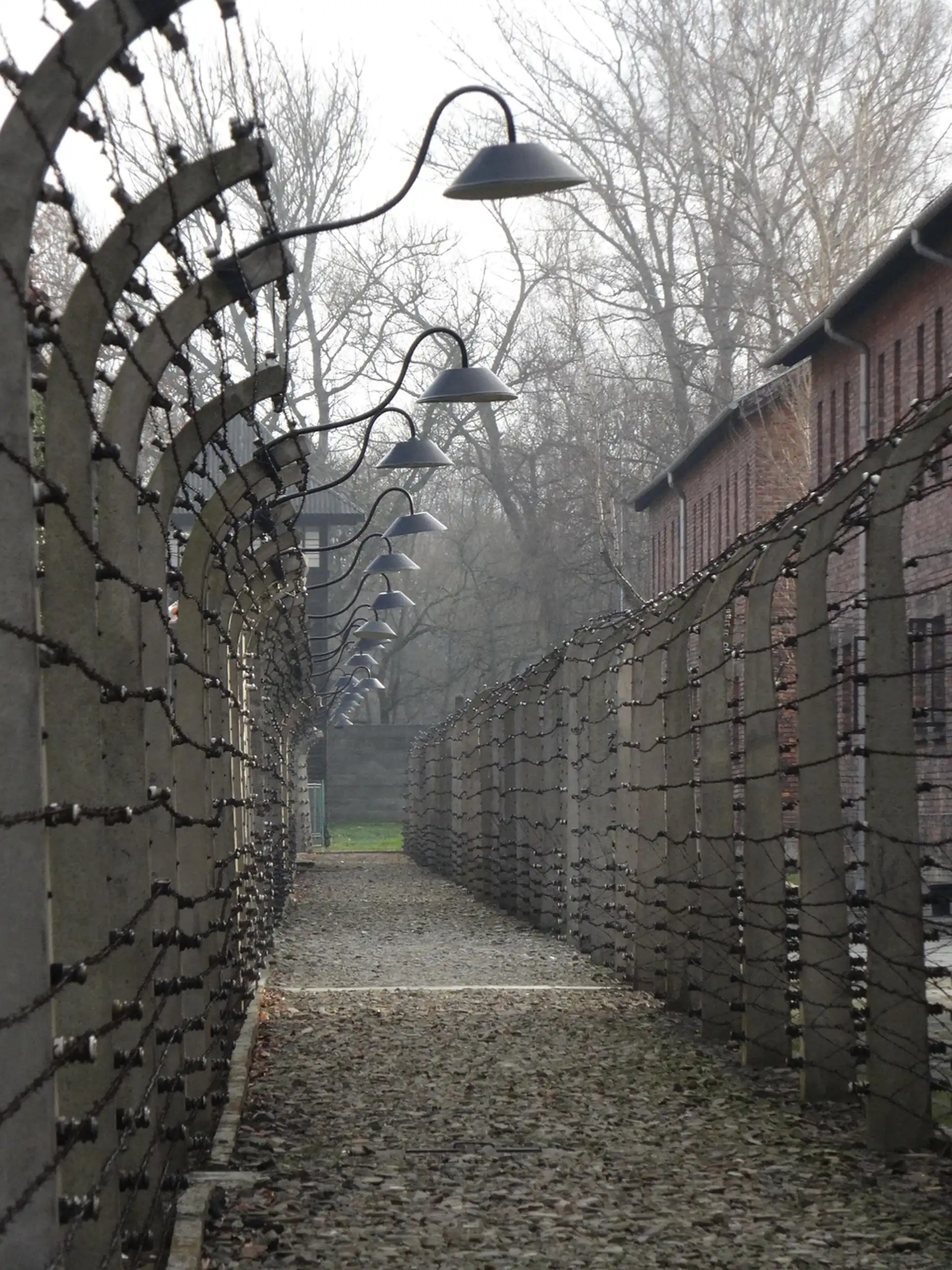
This matters most at Birkenau, where the open, largely unpaved ground can turn to mud, packed snow or ice depending on recent weather. Auschwitz I’s exhibition blocks are indoors and largely unaffected, but Birkenau’s long walk between the gatehouse and the crematoria ruins is where footing actually becomes a consideration. Sturdy, waterproof boots with real tread matter more here than at almost any other Krakow attraction in winter.
Crowds and Booking in Winter
The clearest upside of a winter visit is availability. Entry passes that sell out weeks ahead in July are often available with days of notice in December and January, and the free no-guide entry window in the afternoon — starting from 1:00 PM in December — is far more realistically obtainable than its summer equivalent. Smaller crowds also mean less waiting at the security checkpoint and more room to move at your own pace inside the exhibition blocks.
What to Wear
Layers matter more than any single heavy coat: a base layer, an insulating mid-layer, and a genuinely windproof outer shell, since Birkenau’s open ground offers no shelter from wind chill. Waterproof boots, gloves and a hat are not optional extras in January — standing outdoors for the better part of an hour at Birkenau in freezing wind is a different experience without them.
Daylight and Photography
Winter days are short, and with entrance closing as early as 1:00 PM in December, a morning tour departing Krakow at 7:00 AM means arriving and touring in genuinely low winter light, sometimes still near-dawn conditions at the very start. It’s atmospheric rather than a problem, but it does mean photography looks noticeably different from a bright July afternoon — flatter light, sometimes fog, occasionally snow falling during the visit itself.
Is Winter a Good Time to Visit?
Honestly, yes, for the right visitor. Anyone prioritising smaller crowds, easier booking and a quieter, more contemplative atmosphere tends to prefer winter once they’ve experienced it. Anyone sensitive to cold, or travelling with family members who struggle with long periods outdoors in freezing temperatures, may find summer or the shoulder months more comfortable. A small-group guided tour from Krakow runs year-round regardless of season, and our comparison of guided versus self-guided Auschwitz visits is worth reading either way, since pacing matters even more when it’s cold.
Marta’s Practical Notes
Locals who visit in winter consistently say the same thing: Birkenau in snow is the version of the site that stays with them longest, precisely because the emptiness and quiet feel different from a busy summer afternoon. Bring a thermos of something hot for the journey back, and don’t schedule anything demanding for the evening — a long cold morning outdoors is more tiring than it looks on paper. It’s also worth checking the forecast the night before departure — heavy snow occasionally affects road conditions on the route to Oświęcim, and tour operators will communicate any timing changes directly rather than leaving visitors to guess.
The Shuttle Transfer in Winter
The shuttle bus between Auschwitz I and Birkenau runs on the same schedule regardless of season, but it becomes considerably more welcome in January than in July — a few minutes indoors and out of the wind between the two halves of the visit. Guided tours build this transfer in automatically, so it’s one less thing to plan for compared with a self-guided winter visit relying on the walking route between sites.
Combining a Winter Visit with the Rest of Krakow
Winter has a practical upside beyond the Auschwitz visit itself: shorter entrance hours mean tours typically return to Krakow by early-to-mid afternoon, leaving a genuine window for the Christmas Market in December, or simply a warm meal and the Old Town in January and February when the square empties out early. It’s one of the few seasons where the Auschwitz day doesn’t consume the entire daylight portion of a Krakow trip.
What Doesn’t Change Regardless of Season
The bag size limit, camera rules and the general expectation of solemn, respectful conduct apply exactly the same in January as in July. So does the standard tour length of roughly 3.5 hours with a guide-educator. Winter changes the physical experience of the day considerably, but it doesn’t change what the site is or what’s expected of visitors while there.
Packing for the Journey, Not Just the Site
Beyond clothing for the memorial itself, the journey matters in winter too: roads between Krakow and Oświęcim can be slower in snow or ice, and tour buses build in extra buffer time on days with poor road conditions. A flask of something hot for the return trip, and a phone charged in advance since cold weather drains batteries faster, are small details that make a longer winter day noticeably more comfortable.
How Winter Compares to the Shoulder Season
Visitors deciding between winter and the shoulder months — March, April, October, November — are really weighing two different trade-offs. Shoulder season offers milder temperatures and slightly longer opening hours than deep winter, while still avoiding summer’s peak crowds. Deep winter goes further in both directions: colder and darker, but with the smallest crowds and easiest booking of the entire year. Neither is objectively better; it comes down to how much cold a visitor is genuinely willing to stand in for a quieter day. There’s no wrong choice between the two — both avoid the peak crowds of June through August, and the decision usually comes down to personal cold tolerance more than anything else about the visit itself.
What Guides Say About Leading Winter Tours
Guide-educators who work through the winter months often describe the mood of a January tour as noticeably different from a July one — smaller groups, fewer interruptions, and visitors who arrive having deliberately chosen the season rather than defaulting to it because it fit a wider itinerary. That self-selection tends to produce a more attentive group, which is part of why some repeat visitors specifically prefer coming back in winter rather than summer.
What to Read Next
- Visiting Auschwitz-Birkenau from Krakow: Tours, Tickets and What to Know
- Guided vs Self-Guided Auschwitz: Why a Guide Is Worth It Here
Frequently Asked Questions
What are Auschwitz opening hours in winter?
Entrance runs 7:30 AM to 1:00 PM in December, 7:30 AM to 2:00 PM in January, and 7:30 AM to 3:00 PM in February — roughly half the length of the summer window.
How cold does it get at Auschwitz in winter?
January is coldest, with daytime highs often around 2°C and overnight lows near -4°C. Wind chill at Birkenau’s open ground can make it feel colder still.
Is it easier to get Auschwitz tickets in winter?
Yes. Entry passes that sell out weeks ahead in summer are often available with just days of notice in December and January, and the free no-guide entry window is easier to access too.
What shoes should I wear to Auschwitz in winter?
Waterproof boots with real tread are strongly recommended, particularly for Birkenau’s unpaved ground, which can be muddy, snow-packed or icy depending on recent weather.
Is Auschwitz worth visiting in winter?
Many visitors find it more atmospheric and meaningful than a crowded summer visit, thanks to smaller crowds and a quieter mood. It suits visitors who dress properly for the cold better than those sensitive to freezing temperatures.
A quick note on the links above: the tour recommended in this guide is chosen on real review volume and rating, the same standard used across this site; if you book through one of these affiliate links, this site earns a small commission at no extra cost to you.
Plan your visit: Official site · Google Maps