What You Can and Cannot Bring to Auschwitz: Bags, Cameras and Dress
What you can and cannot bring to Auschwitz comes down to a short, official list, but it trips people up every week: bags that are too big, cameras handled the wrong way in the wrong room, and clothing that reads as too casual for the site. None of it is complicated once you know the actual rules, which is what this guide sets out plainly.
Bag and Backpack Size Limits
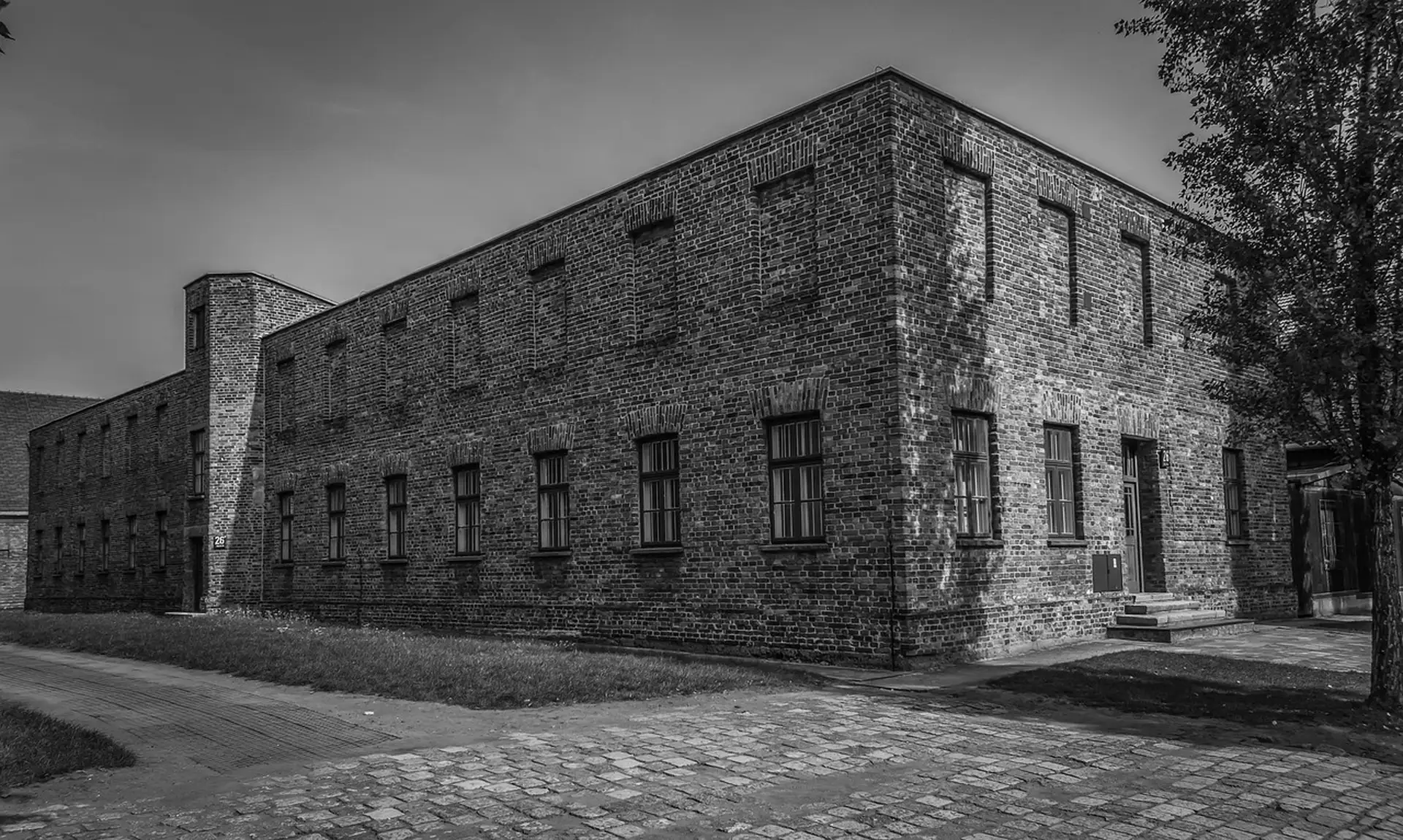
The Museum’s own rule is specific: backpacks and handbags brought onto the grounds cannot exceed 35 x 25 x 15 cm. That is smaller than most daypacks and considerably smaller than a full backpacking bag, so if your usual travel bag is anything larger than a small daybag, it will not be allowed inside.
| Item | Rule |
|---|---|
| Backpack or handbag | Maximum 35 x 25 x 15 cm |
| Larger luggage | Not permitted on the grounds — use paid storage |
| Small crossbody bag or clutch | Generally fine, well within the limit |
What’s Not Allowed at All
Beyond bag size, the practical no list is short but firm: no tripods or monopods for photography, no flash photography anywhere on the grounds, no drones without prior written approval from the Museum, and no filming or photography for commercial purposes without the same advance approval. Weapons and sharp objects are, unsurprisingly, not permitted either. None of this is unusual for a site with heavy daily visitor traffic and a genuine preservation mandate.
Camera and Phone Rules
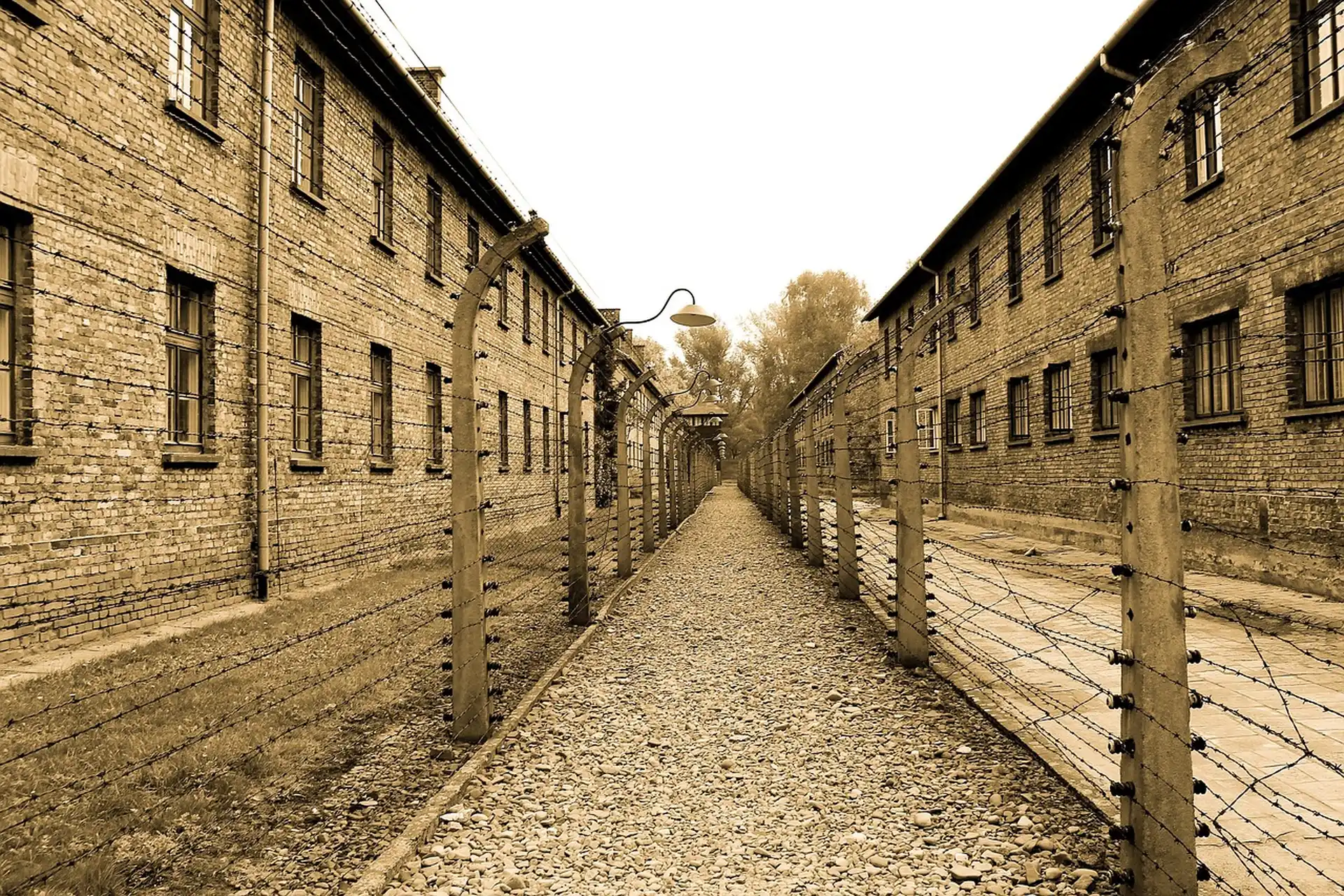
Personal photography is allowed across most of the grounds, without flash and without a tripod or stand. There are two specific exceptions where photography is prohibited entirely: the room holding victims’ hair in Block 4, and the basements of Block 11. Both are treated with particular sensitivity, and the no-photography rule there is enforced, not just suggested. Outside those two spaces, a phone or a simple camera works fine for personal use — just keep the flash off and keep moving with your group rather than setting up shots that hold up the line.
What to Wear
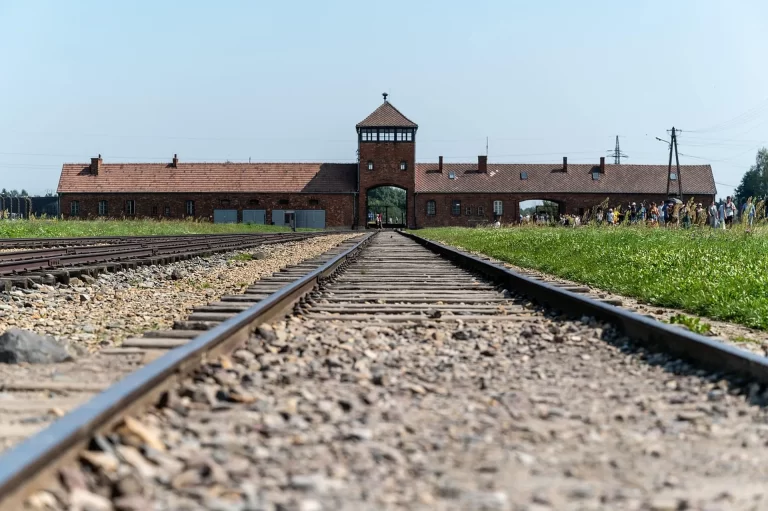
There’s no official dress code with a printed list of banned items, but the expectation of “appropriate solemnity and respect” is stated directly in the Museum’s own visitor rules, and in practice that rules out tank tops, short shorts, and clothing with loud graphics or offensive slogans. Think of it the way you’d dress for a war memorial or a cemetery — comfortable and weather-appropriate, but not beach or festival clothing. Sturdy, closed shoes matter more than the dress code itself: Birkenau in particular is uneven gravel and open ground, not paved walkways.
Luggage Storage If You Bring Too Much
If your bag is over the limit, the Museum runs a paid luggage storage room at the Visitor Centre, with locker sizes up to roughly 90 x 50 x 22 cm externally (90 x 50 x 30 cm internal) and a maximum load of 30 kg — enough for a full daypack or small suitcase. It’s a sensible fallback if you’re arriving straight from a train or flight with more luggage than the entry rule allows, rather than trying to talk your way past security with an oversized bag.
Planning This Alongside the Rest of Your Visit
Bag and camera rules are a small part of a bigger planning picture. Our full guide to visiting Auschwitz-Birkenau from Krakow covers tickets, transport and timing end to end, and if you’re still deciding how to book the day itself, our complete guide to booking an Auschwitz tour from Krakow walks through the booking process and what a typical day actually includes.
Marta’s Practical Packing List
Locals who visit regularly with family or friends tend to pack the same short list every time: a small crossbody bag well under the size limit, a phone rather than a bulky camera, closed shoes rather than sandals, a light layer for wind at Birkenau regardless of season, and water, since there’s little to buy once you’re inside the grounds. Nothing on that list is complicated — it just needs deciding before you leave the hotel, not at the security checkpoint.
Why This Matters More on a Guided Tour
Booking a small-group guided tour from Krakow doesn’t exempt you from any of these rules — the guide will simply expect you to already know them, since the group moves on a fixed schedule and there’s no time to argue a bag size at the checkpoint. Most operators mention the size limit in their pre-departure email, but it’s easy to skim past. Packing light for this specific day, separate from the rest of your Krakow luggage, is the simplest way to avoid a problem at security.
Security Screening: What to Expect
The checkpoint functions much like an airport screening: bags go through an X-ray scanner, and visitors pass through a metal detector. This is one more reason oversized or overly complicated bags slow things down for everyone in the queue behind you, particularly during the busy summer months when several tour groups can arrive within the same 15-minute window. Arriving with the size limit already respected, rather than discovering it at the scanner, keeps the whole group’s schedule on track.
Phones, Power Banks and Everyday Items
None of the standard travel-day items cause any issue: phones, wallets, a compact power bank, sunscreen, and a small bottle of water all pass through security without a second look. The rules exist for oversized bags, photography equipment like tripods, and anything that could reasonably be mistaken for a weapon — not for the contents of an ordinary daypack once it’s within the size limit. Chargers, spare batteries and small medical supplies like inhalers or diabetes kits are also completely fine — the checkpoint is looking for size and safety, not for anything an ordinary traveller would normally be carrying.
Weather Layers, Not Just Rules
Beyond what’s officially restricted, the practical packing question locals hear most often is about weather rather than rules. Birkenau in particular has very little shelter — long open stretches between the gatehouse and the far end of the site — so a waterproof layer in spring and autumn, and a proper coat in winter, matters more to how comfortable the visit feels than anything on the official restrictions list. Summer brings the opposite problem: shade is limited, and the walk between sites is longer than it looks on a map, so a hat and water matter just as much as a light bag.
What Happens If Security Finds a Prohibited Item
Nothing dramatic: if a bag is oversized or an item isn’t permitted, security will direct the visitor to the luggage storage room or back to the car park to leave it behind before re-joining the queue. It’s a delay, not a confrontation, but it can cost 10 to 15 minutes during a busy morning, which matters if a guided tour is on a fixed schedule with a shuttle to catch. Checking the size limit the night before, rather than discovering it at the checkpoint, avoids the whole situation.
Accessibility and Special Circumstances
Visitors with mobility needs can request a free wheelchair at the Visitor Service Centre, since the site’s historic layout makes independent movement genuinely difficult in places. Groups larger than ten people are required to use a headphone guiding system rather than following a guide’s voice directly, which is worth knowing if travelling with an extended family group or a school trip. None of these accommodations need to be arranged weeks ahead — they’re available on the day, at the same centre where entry passes are checked.
What to Read Next
- Visiting Auschwitz-Birkenau from Krakow: Tours, Tickets and What to Know
- Auschwitz Tour from Krakow: A Complete Guide to Booking and the Day
Frequently Asked Questions
What size bag is allowed into Auschwitz?
Backpacks and handbags cannot exceed 35 x 25 x 15 cm. Anything larger needs to be left in paid luggage storage at the Visitor Centre or in your vehicle.
Are photos allowed inside Auschwitz?
Yes, personal photography without flash or a tripod is allowed across most of the grounds. The two exceptions are the room with victims’ hair in Block 4 and the basements of Block 11, where photography is not permitted.
Is there a strict dress code for visiting Auschwitz?
There is no printed list of banned clothing, but visitors are expected to dress with appropriate solemnity and respect. Tank tops, very short shorts and clothing with loud slogans or graphics are best avoided.
Are drones allowed at Auschwitz?
No, not without prior written approval from the Museum. Unauthorised drone use on the grounds is not permitted.
What happens if my bag is too big to bring in?
You can use the Museum’s paid luggage storage at the Visitor Centre, which has lockers large enough for a full daypack or small suitcase, or leave oversized luggage in your vehicle if you’re driving.
A quick note on the links above: the tour recommended in this guide is chosen on real review volume and rating, the same standard used across this site; if you book through one of these affiliate links, this site earns a small commission at no extra cost to you.
Plan your visit: Official site · Google Maps