Understanding Auschwitz Before You Go: The History You Should Carry In
Understanding Auschwitz before you go changes what the day actually is. Arrive with no context and the exhibits can blur into a wall of dates, black-and-white photographs and numbers too large to hold onto. Arrive with the shape of the story already in mind — how the camp began, how it grew, what happened here and why the site still stands — and the same rooms carry weight instead of just information. This is that shape: short enough to read once before booking, honest enough not to soften what it describes.
The Town Before the Camp
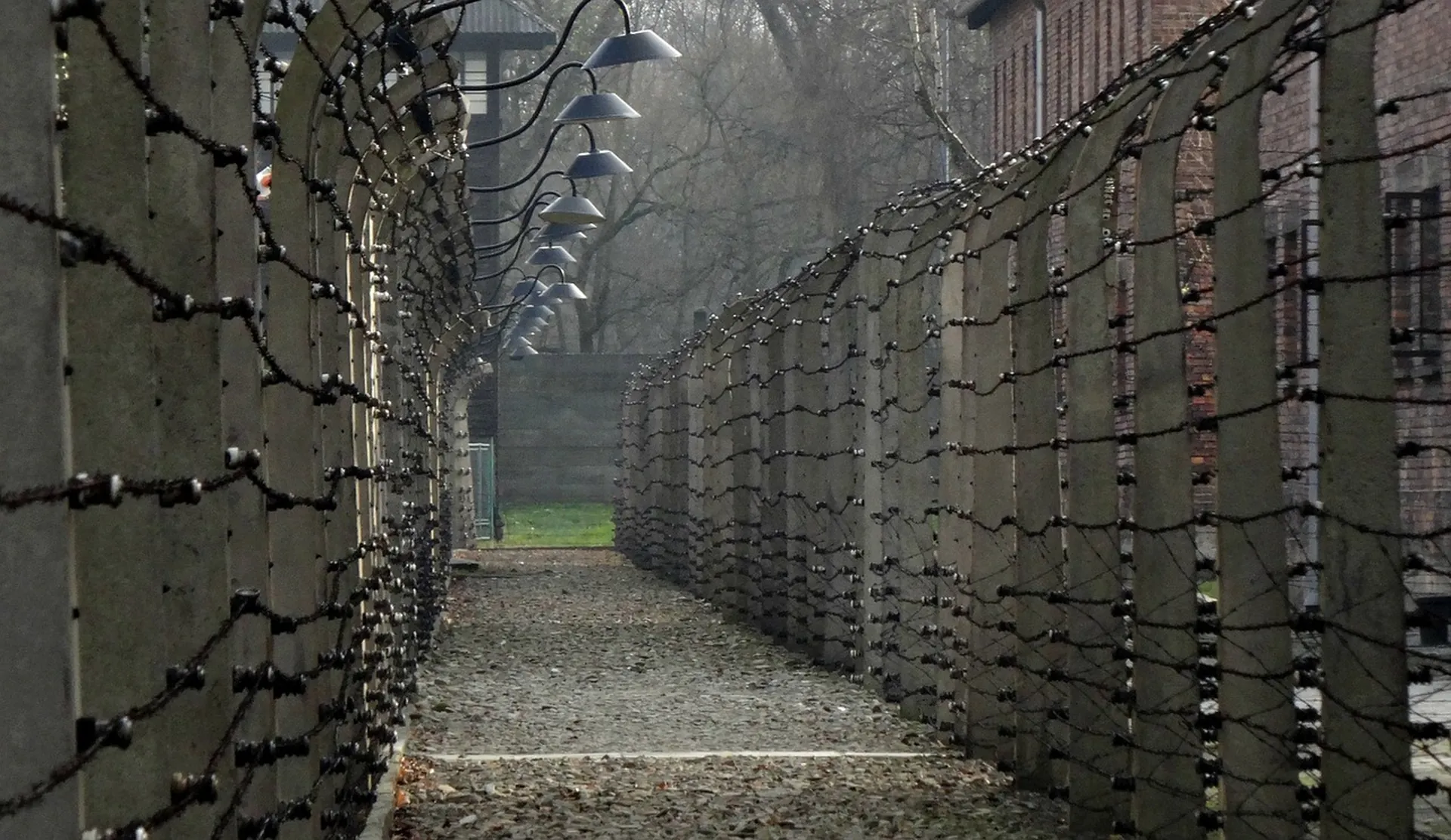
Long before 1940, Oświęcim was an unremarkable Polish market town of around twelve thousand people, sitting where the Soła and Vistula rivers meet, known mostly for its rail junction. Auschwitz is simply the German name for Oświęcim, not a separate place — Nazi Germany imposed it after annexing the region following the September 1939 invasion of Poland, and used it for the camp built on the town’s edge. Locals in the area still sometimes point out that the international name and the town’s own name are two different words for the same small place, which surprises visitors who assume “Auschwitz” was always somewhere apart from ordinary Poland.
How Auschwitz I Began, 1940
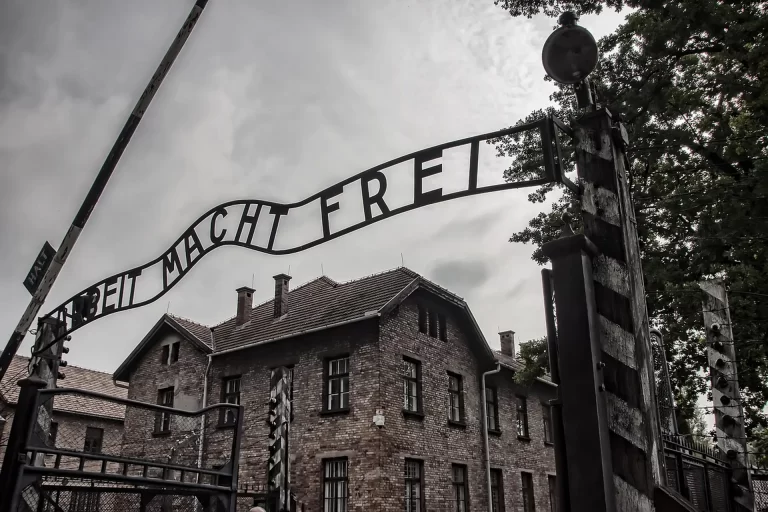
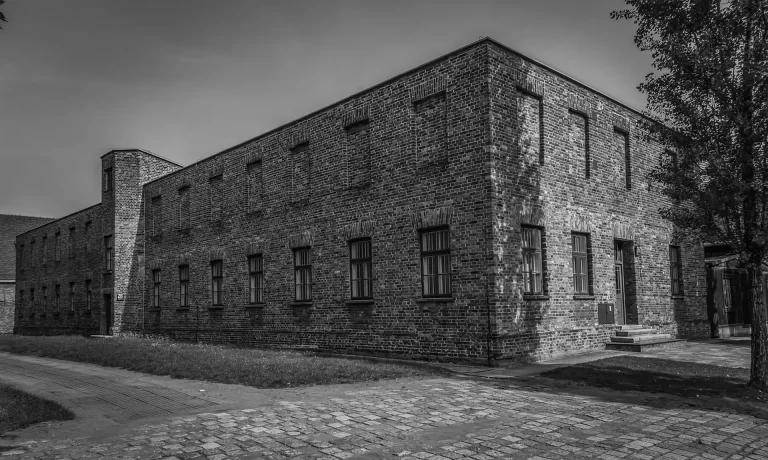
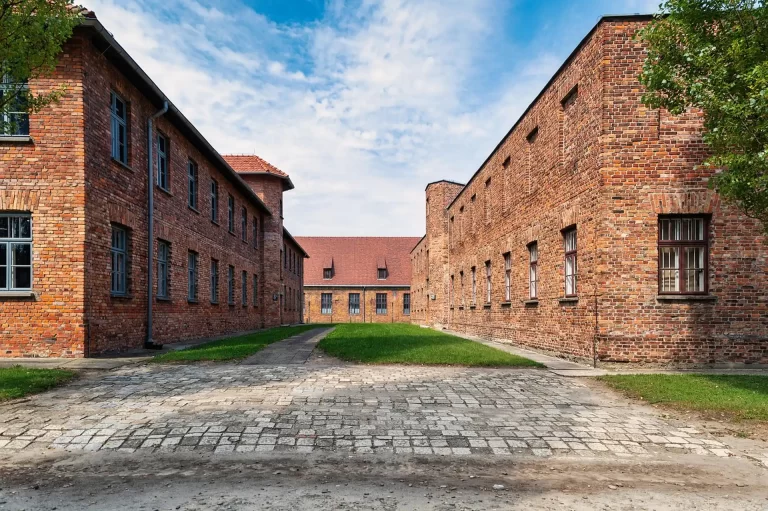
The SS established Auschwitz I in spring 1940, in a former Polish army barracks on the outskirts of town. The first transport arrived on 14 June 1940: 728 Polish political prisoners sent from a jail in Tarnów. In its earliest phase the camp held mostly Polish resistance members, intelligentsia and people the occupying authorities considered threats to German control of the region — not yet the industrial-scale killing site it would become. That shift happened over the following two years, as the camp’s purpose was deliberately widened.
Birkenau and the Turn Toward Mass Murder
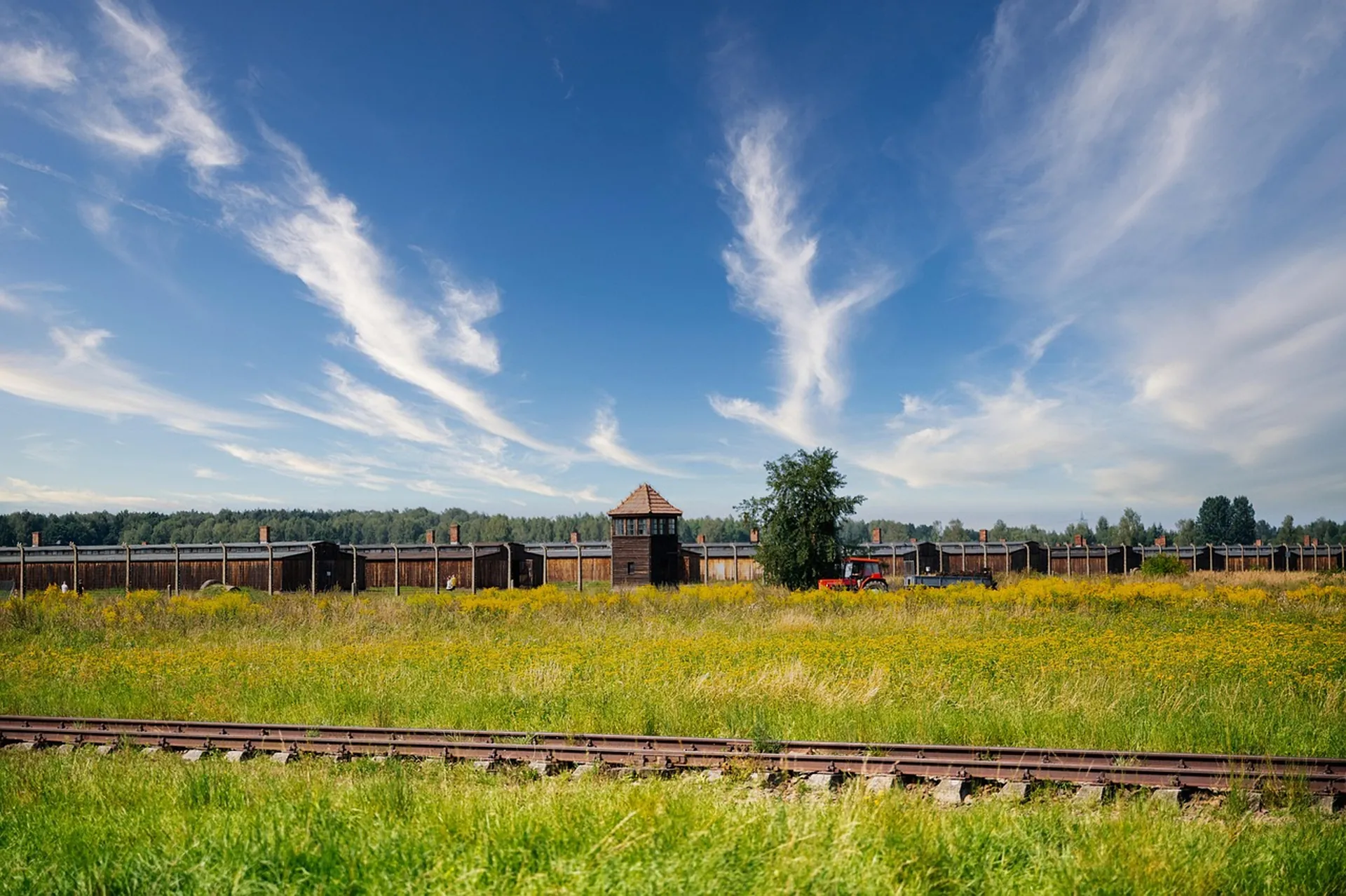
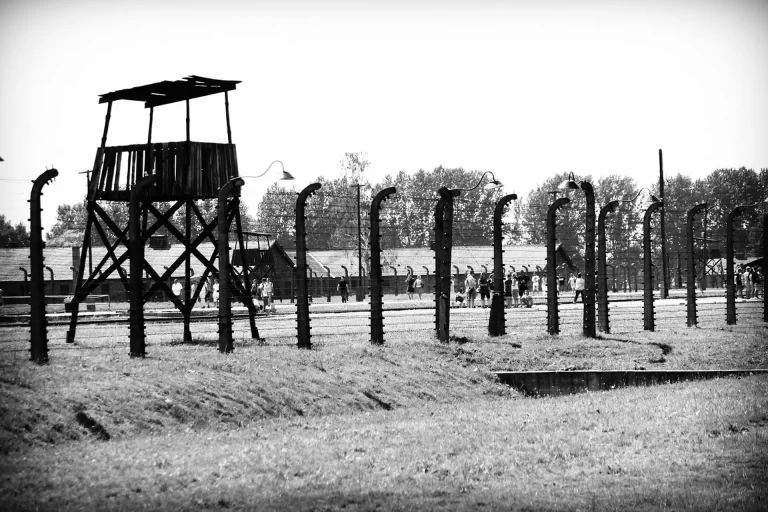
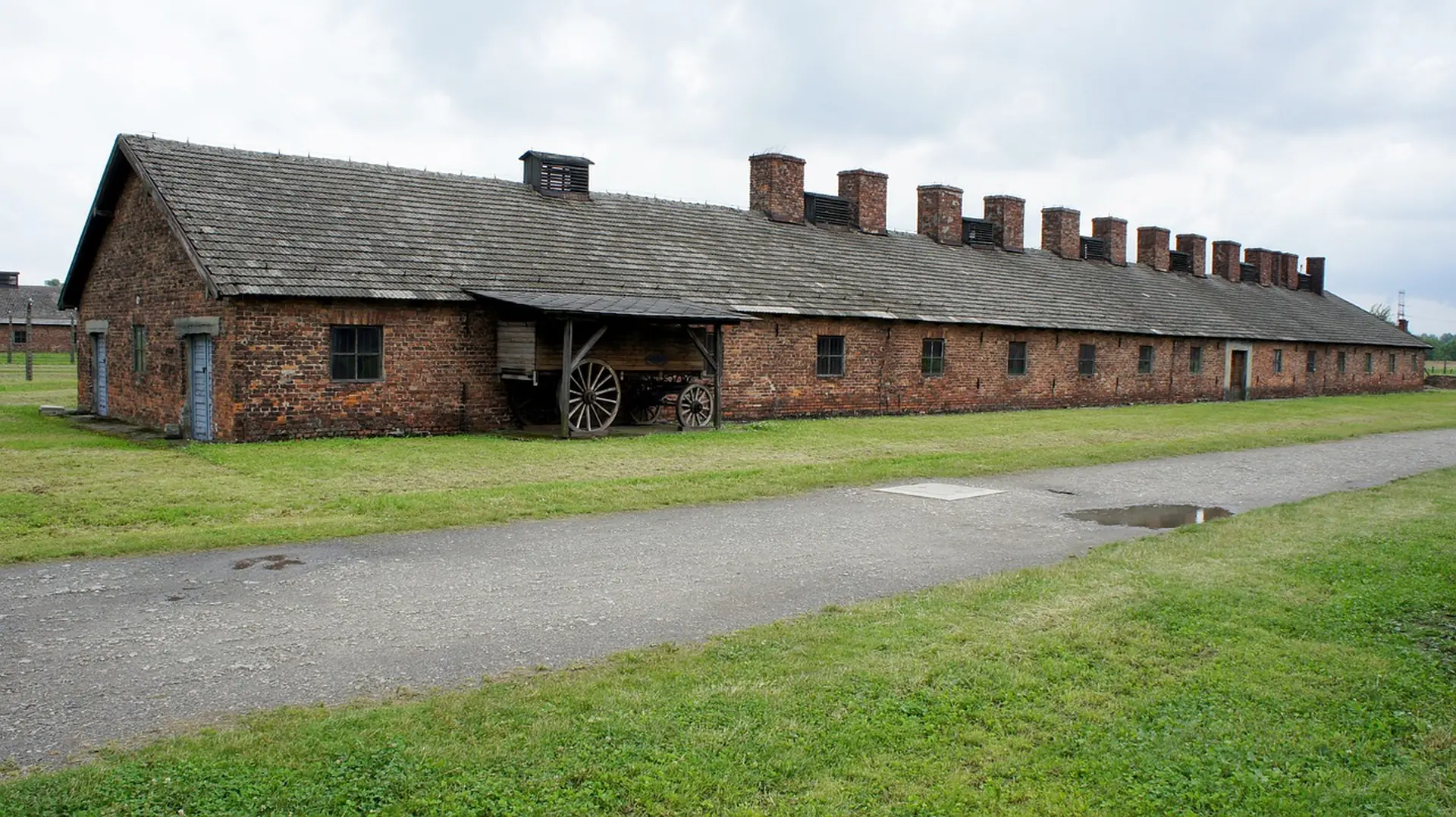
Construction on a second, much larger camp began in October 1941 about three kilometres away, originally planned to hold Soviet prisoners of war. It opened as a functioning camp in March 1942, by which point it had become the central site for the mass murder of Jews deported from across occupied Europe. Auschwitz II-Birkenau eventually covered around 171 hectares — more than eight times the footprint of Auschwitz I — built specifically for a scale the original camp couldn’t hold. A third camp, Auschwitz III-Monowitz, supplied forced labour to a nearby synthetic rubber and fuel plant run by the German chemical conglomerate IG Farben; it isn’t open to visitors today, and most people only ever see Auschwitz I and Birkenau, the two sites this history actually explains.
The Scale, in Real Numbers
The Auschwitz-Birkenau Memorial’s own research puts the death toll at approximately 1.1 million people. Around 960,000 were Jews, deported from nearly every country in occupied Europe — Hungary, Poland, France, the Netherlands, Greece, Slovakia and others. The remaining victims included roughly 74,000 non-Jewish Poles, 21,000 Roma, 15,000 Soviet prisoners of war, and smaller numbers of other nationalities and groups. Most victims were murdered within hours of arrival rather than held as labourers first — a detail that’s easy to read past and hard to actually absorb standing at the site itself.
Liberation, January 1945
Soviet troops liberated Auschwitz on 27 January 1945, during the Vistula-Oder Offensive, finding around 7,000 surviving prisoners still at the camp. Weeks earlier, the SS had forced tens of thousands of prisoners onto evacuation marches west, ahead of the Soviet advance; many died on those marches or shortly after, from exhaustion, exposure and violence. The liberation date is now marked internationally — 27 January is International Holocaust Remembrance Day — precisely because it’s the fixed point historians could confirm, even though the killing at Auschwitz had effectively wound down somewhat earlier as the camp was evacuated.
Why the Site Still Stands
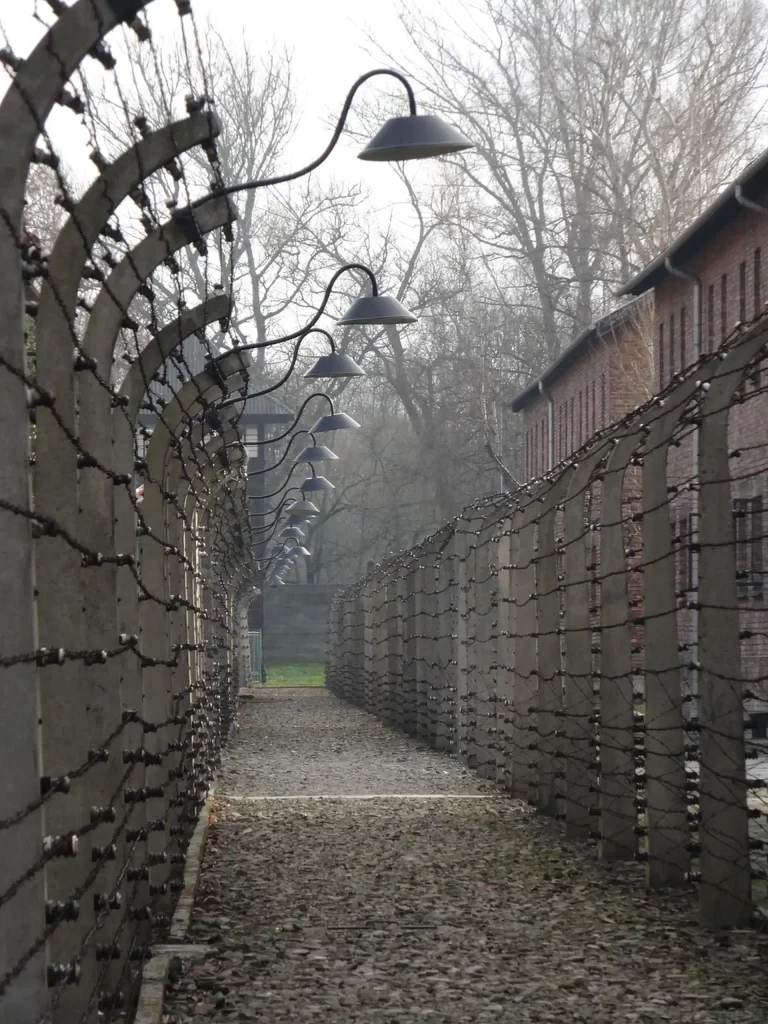
The Polish government established a memorial and museum on the site in 1947, only two years after liberation, and UNESCO inscribed it as a World Heritage Site in 1979. Its official name — Auschwitz Birkenau, German Nazi Concentration and Extermination Camp (1940-1945) — was deliberately worded, including in a 2007 revision, to make clear the camp was a German operation on occupied Polish soil, not a Polish one. The preservation approach favours leaving things as found rather than rebuilding: original barracks, the ruins of demolished gas chambers and crematoria, kilometres of barbed wire. Nothing is staged for effect, which is part of why the site reads as document rather than exhibition.
Carrying This Into the Actual Visit
None of this history needs to be memorised before arriving — the museum’s own exhibits walk through the same chronology, room by room, with more detail than any single article can hold. What this primer is for is recognition: so that when a guide mentions 1940, or Birkenau’s scale, or the January evacuation marches, it lands as something already half-familiar rather than a fact arriving cold. The practical side of planning — how to get there, how long to allow, what to bring — is covered in the main guide to visiting Auschwitz-Birkenau from Krakow. If tickets or timing are the current bottleneck rather than context, how to book Auschwitz tickets from Krakow before they sell out is the more useful next stop, and most visitors book through a guided option like the Auschwitz-Birkenau guided tour with hotel pickup rather than arranging entry independently, largely because the history above is easier to follow with someone narrating it on-site.
How Much of This You Actually Need Before You Go
Most first-time visitors arrive worried they haven’t read enough, or that they’ll be caught out not knowing something they should. In practice, the museum’s guides are trained to build the history as the tour moves through it, and the exhibits themselves are heavily labelled and contextualised — this isn’t a site that assumes prior knowledge. The value of reading something like this beforehand isn’t passing a test on-site; it’s giving the details somewhere to land, so the two or three hours of walking don’t feel like the first time any of it has been heard.
What Locals Notice About First-Time Visitors
People in Oświęcim, and Krakow locals who’ve been to Auschwitz more than once, tend to notice the same pattern in first-time visitors: they arrive expecting a single overwhelming moment and instead get a long accumulation of smaller ones — a room of shoes, a name on a wall, a number on a map — that adds up gradually rather than arriving all at once. Knowing that in advance doesn’t make the day lighter, but it does mean the accumulation feels expected rather than like something going wrong.
Books and Films — Useful, Not Required
Many visitors arrive having already seen Schindler’s List or read a survivor account like Primo Levi’s, and that’s more than enough grounding — there’s no required reading list, and cramming further material in the days before a visit tends to add anxiety rather than context. If anything is worth doing beforehand, it’s closer to what this article is: a short, factual outline, not a full education. The site itself does the rest of the work.
Auschwitz Within the Wider Network
Auschwitz-Birkenau wasn’t an isolated site — the SS ran roughly 40 subcamps connected to it, mostly supplying forced labour to German industry across Upper Silesia, of which Monowitz was the largest. Understanding that scale matters because it corrects a common assumption: that Auschwitz was a single fenced compound rather than the administrative centre of a regional forced-labour and extermination system. Visitors only ever see the two preserved core sites, Auschwitz I and Birkenau, but the operation itself extended well beyond what’s visible on a single day trip from Krakow.
What to Read Next
- Visiting Auschwitz-Birkenau from Krakow: Tours, Tickets and What to Know
- How to Book Auschwitz Tickets from Krakow Before They Sell Out
Frequently Asked Questions
When was Auschwitz established, and who ran it?
Auschwitz I was established by Nazi Germany’s SS in spring 1940, with the first prisoner transport arriving on 14 June 1940. It was a German-run camp built on occupied Polish territory, not a Polish institution.
How many people died at Auschwitz?
The Auschwitz-Birkenau Memorial estimates approximately 1.1 million deaths, roughly 960,000 of them Jewish victims deported from across occupied Europe, alongside non-Jewish Poles, Roma, Soviet prisoners of war and others.
When was Auschwitz liberated?
Soviet forces liberated the camp on 27 January 1945, during the Vistula-Oder Offensive, finding around 7,000 survivors. The date is now observed internationally as Holocaust Remembrance Day.
What is the difference between Auschwitz I and Birkenau?
Auschwitz I was the original 1940 camp; Auschwitz II-Birkenau, built from October 1941, was a much larger site roughly eight times the size, built specifically for the mass murder of Jews deported from across Europe. A third camp, Monowitz, supplied forced labour and isn’t open to visitors.
Is background reading necessary before visiting Auschwitz?
No formal preparation is required — museum guides build the historical context as the tour progresses, and exhibits are clearly labelled. A short outline like this one is enough for most visitors; the site itself does the rest.
Plan your visit: Official site · Google Maps