Guided vs Self-Guided Auschwitz: Why a Guide Is Worth It Here
Guided vs self-guided Auschwitz is a genuine decision, not just a budget question — the two formats change what you actually take away from the visit, not just how much you pay for it. This guide compares them directly: what each option includes, what a guide adds that a self-directed visit can’t easily replicate, and the specific situations where going self-guided still makes sense.
What Each Option Actually Includes
| Guided Tour | Self-Guided Visit | |
|---|---|---|
| Transport | Included, round-trip from Krakow | Included with most self-guided packages, or arrange independently |
| Timed entry | Handled as part of booking | Must be booked separately or included in package |
| Narration | Live guide throughout both camps | None — exhibit placards and audio guide (where available) only |
| Pace | Fixed by the group and guide | Entirely your own |
| Cost | Higher, reflects the guide’s time | Lower — the main cost is transport and entry |
One detail that surprises first-time visitors: even self-guided packages typically still assign you to a broader entry window rather than letting you show up whenever, since the site manages overall visitor flow regardless of format. The difference is really about narration and pace within that window, not about avoiding the timed-entry system altogether.
Why a Guide Is Worth It Here
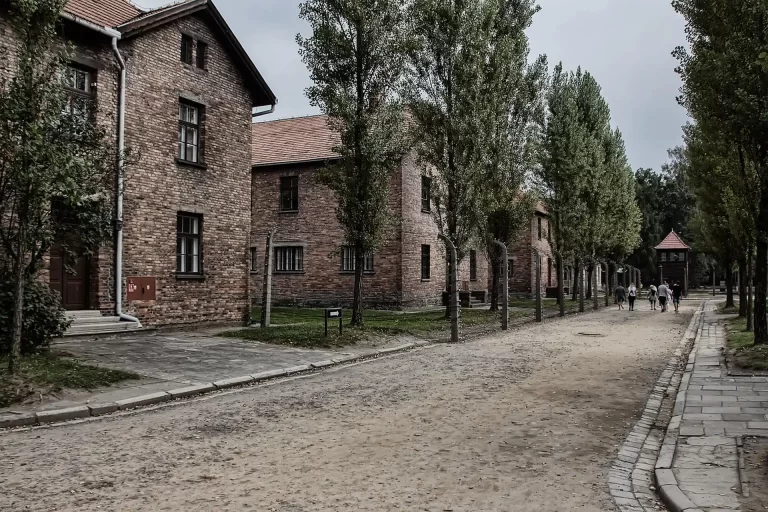
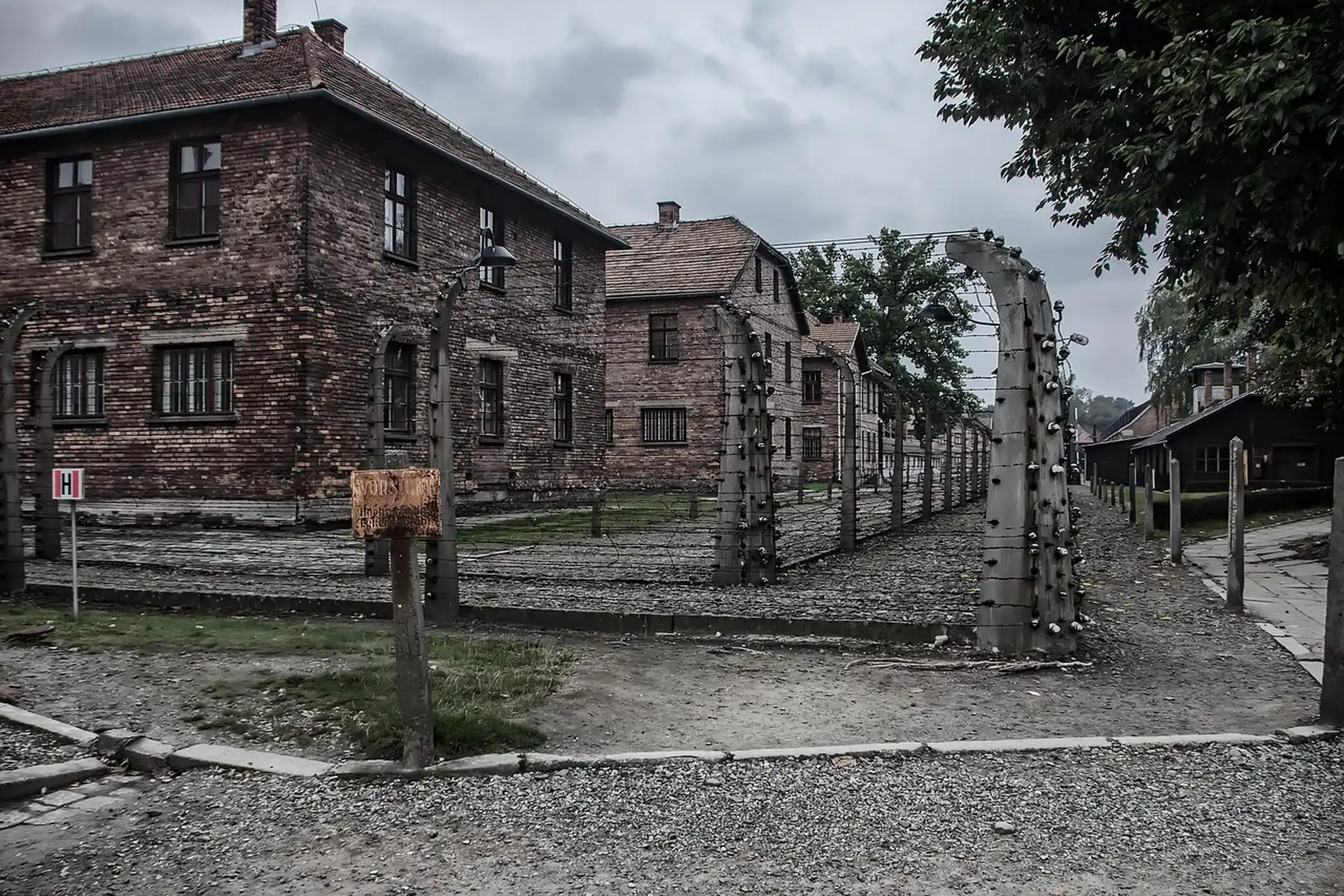
Auschwitz is one of the few sites where Marta consistently recommends paying for a guide over saving money on a self-guided visit, and the reason is specific: the site’s scale and the way exhibits are arranged assume a level of historical context that isn’t always provided in the placards alone. A good guide connects details across the site — a name on a wall, an object in a display case, the layout of a specific barracks — into a coherent narrative that’s much harder to piece together reading independently, especially on a first visit.
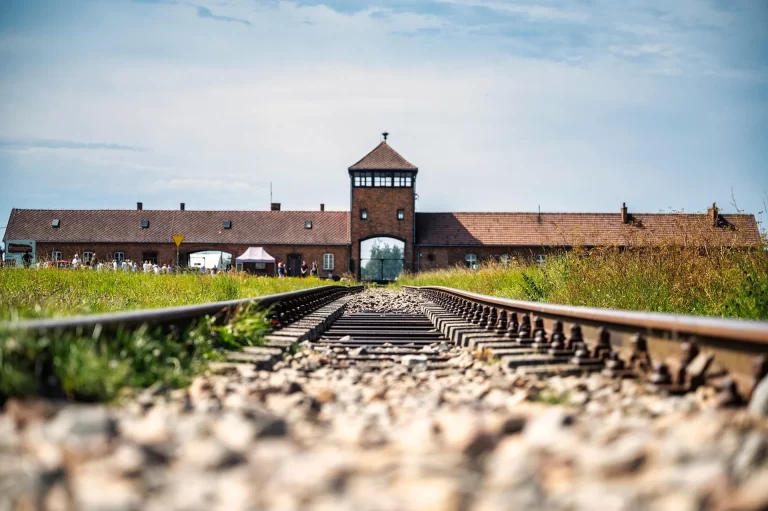
Birkenau in particular benefits from a guide’s direction. The site is enormous and largely open ground, and without someone pointing you toward specific, deliberately preserved details — the platform where selections happened, the ruins of the gas chambers, the scale of the perimeter — it’s easy to walk through without fully registering what you’re looking at.
See current availability for a top-rated guided Auschwitz-Birkenau tour here — most operators offer this with transport and timed entry bundled in, removing the two logistics that make an independent visit more complicated.
This isn’t a case Marta makes lightly or as a blanket rule for every Krakow attraction — plenty of sites are perfectly fine to see independently. Auschwitz is different because the site’s design assumes visitors bring outside knowledge, and a guide fills that gap far more effectively than reading placards while also trying to process what you’re seeing.
When Self-Guided Still Makes Sense
Self-guided isn’t a lesser option across the board — it suits specific situations well. Visitors who’ve already read extensively about the camps beforehand, or who’ve visited before and want to revisit specific sections at their own pace, often get more out of a self-directed second visit than a repeated guided tour covering the same ground. It also suits visitors who find guided groups too rigid a format for a site this heavy — some people process difficult history better without narration pacing the experience for them.
A self-guided tour with transfer included is available here for visitors who want transport handled but prefer to move through the site independently once there.
It also suits visitors on a tighter budget who’ve done substantial reading in advance — a well-prepared self-guided visitor can still have a meaningful, informed visit, even if a guide would add further depth. The self-guided option shouldn’t be dismissed as a lesser choice across the board, just a different one that suits different circumstances.
Language can also factor in — visitors whose first language isn’t widely offered among guided tour options sometimes find a self-guided visit, paired with translated printed materials or an audio guide in their language, works better than a guided tour in a language they’re less comfortable following closely for several hours.
The Cost Difference in Context
The price gap between guided and self-guided options is real but often smaller than visitors expect once transport is factored in — a self-guided package that includes transfer costs meaningfully more than just a museum ticket, since getting to Oświęcim independently (train or bus, then local transport to the site) adds its own cost and complexity. For most first-time visitors, the guided option’s narration is worth the marginal extra cost given how much it adds to the experience.
It’s also worth factoring in the value of your own time — arranging independent transport, navigating a train or bus schedule to Oświęcim, and figuring out local transport from the station to the site takes real planning effort that a bundled tour or self-guided package removes entirely. For visitors on a short Krakow stay, that saved planning time often matters as much as the price difference itself.
What Guides Actually Add, Concretely
It helps to be specific about what a guide contributes rather than treating “context” as a vague selling point. A trained Auschwitz guide typically covers the broader historical arc leading up to the camp’s construction, connects individual exhibits (a pile of confiscated shoes, a child’s drawing, a name on a transport list) to the larger system they represent, and can answer questions in real time that a placard simply can’t. Guides at Auschwitz go through a specific certification process particular to the site, which is part of why the quality of narration here tends to be more consistent than at many other guided attractions.
This certification process is worth mentioning because it distinguishes Auschwitz guides from general city tour guides — narrating this specific site well requires training the museum itself oversees, not just general tour-guiding experience, which is part of why guide quality here tends to be more consistent than at less regulated attractions.
Group Size and How It Affects the Experience
Guided tours vary in group size, and this matters more at Auschwitz than at a typical sightseeing stop — a smaller group makes it easier to hear the guide clearly and to ask follow-up questions without feeling like you’re holding up a large crowd. Private tours solve this most directly but cost significantly more; some standard group tours cap size lower than others, which is worth checking if a large tour group feels like it would detract from the visit.
Locals who’ve helped visiting family choose between formats generally suggest asking the operator directly about group size before booking, rather than assuming based on price alone — some mid-priced tours cap groups smaller than their higher-priced competitors, and this detail isn’t always obvious from the listing itself.
A Middle Ground Worth Considering
Some visitors split the difference: a guided visit to Auschwitz I, where the exhibits benefit most from narration, followed by self-directed time at Birkenau, where the site’s scale and quiet make independent reflection valuable too. Not every operator offers this exact structure, but it’s worth asking about if a purely guided or purely self-guided format doesn’t feel like the right fit.
If you do go this route, mentioning your preference to the guide at the start of the day — that you’d like some independent time at Birkenau specifically — tends to work better than assuming it’s automatically built into every tour’s structure, since not all operators offer this by default.
What to Read Next
- Visiting Auschwitz-Birkenau from Krakow: Tours, Tickets and What to Know
- How to Book Auschwitz Tickets from Krakow Before They Sell Out
Frequently Asked Questions
Is it better to visit Auschwitz with a guide or self-guided?
Guided is generally worth it, especially for first-time visitors — a guide adds context that’s easy to miss reading exhibit text alone, particularly at Birkenau’s large, open site.
Can I visit Auschwitz without a guide?
Yes, self-guided visits are available, typically with transport included as part of a package, though the site still requires timed entry.
How much more does a guided Auschwitz tour cost than self-guided?
The gap is often smaller than expected once transport is included in both — a self-guided package with transfer still costs meaningfully more than just a museum ticket alone.
Do I need to book a guide in advance?
Yes — like all Auschwitz visits, guided tours use timed entry and can sell out days or weeks ahead in peak season.
Is a guided tour worth it if I’ve already read about Auschwitz?
It depends — well-read first-time visitors may still benefit from a guide’s on-site context, while repeat visitors sometimes prefer a self-guided pace instead.
Guided vs self-guided ultimately comes down to how much you want the visit shaped for you versus left to your own pace — but for a first Auschwitz visit specifically, the context a guide provides tends to outweigh the extra cost for most people. See our full Auschwitz-Birkenau visiting guide for broader planning details either way.
Plan your visit: Official site · Google Maps