Should You Take Children to Auschwitz? An Honest Guide for Families
Should you take children to Auschwitz is a question worth answering honestly rather than diplomatically, because the site itself doesn’t soften anything for a younger audience. The Museum’s own guidance is clear on this, and it’s worth knowing before booking rather than discovering on the day.
The Official Recommendation
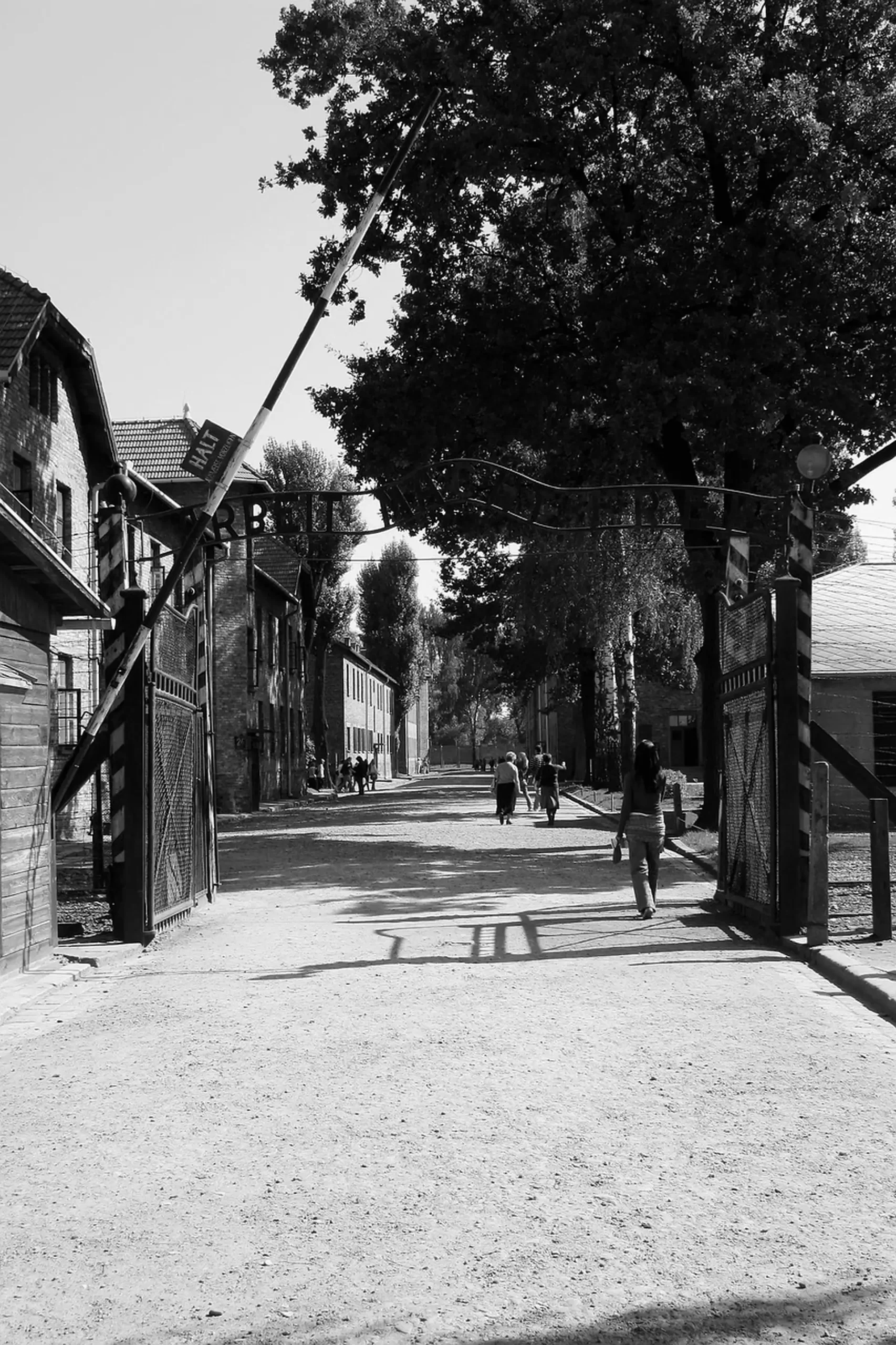
The Auschwitz-Birkenau Memorial’s own visitor guidance states that a visit is not recommended for children under 14. This is a recommendation rather than an enforced rule — nobody checks ID at the gate — but it comes from the Museum itself, not from a tour operator being cautious, and it reflects a considered view of what the site actually contains and how a younger child is likely to process it.
Why 14 Is the Guideline
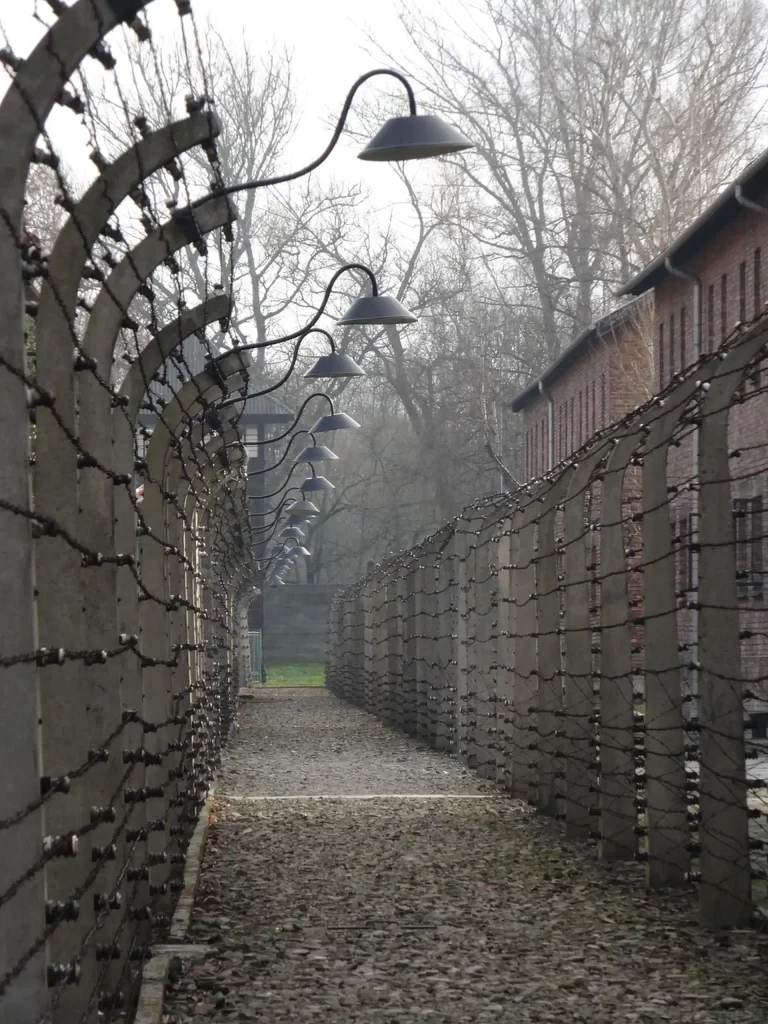
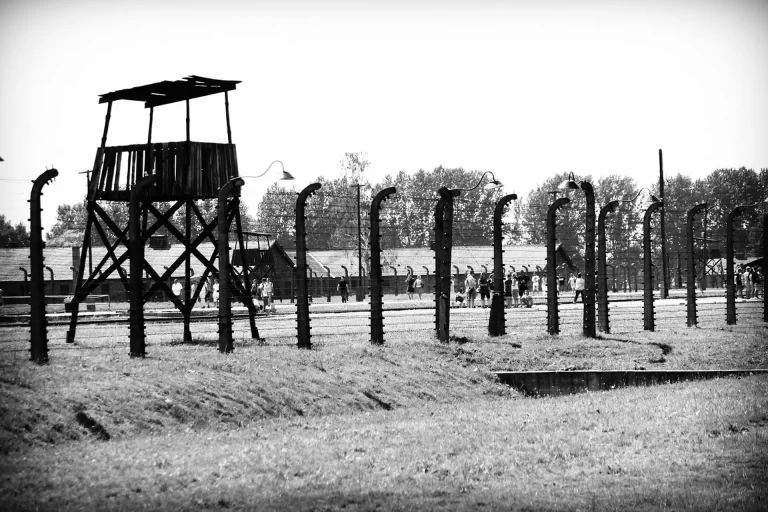
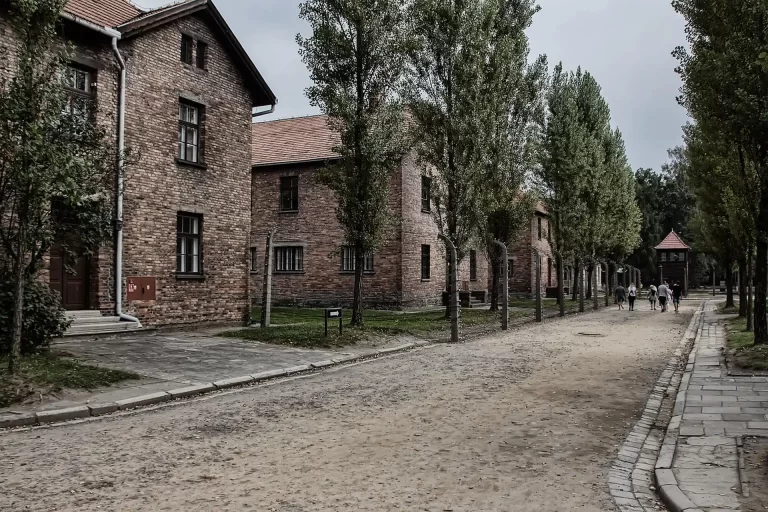
The recommendation isn’t arbitrary. Much of the permanent exhibition at Auschwitz I deals directly and visually with mass murder: the room holding victims’ hair, the standing cells in Block 11’s basement, and room after room of confiscated belongings that make the scale of what happened difficult to look away from. Birkenau adds the physical scale of the killing centre itself. Fourteen roughly aligns with the age at which most children can process this content as history rather than as something frightening without context — but that’s a generalisation, not a guarantee for any specific child. It’s worth being specific rather than vague about this beforehand: the exhibits are not curated with warnings or content notes the way some museums use for difficult material, since the Museum’s purpose is documentation, not a managed viewing experience.
What Happens If You Bring a Younger Child Anyway
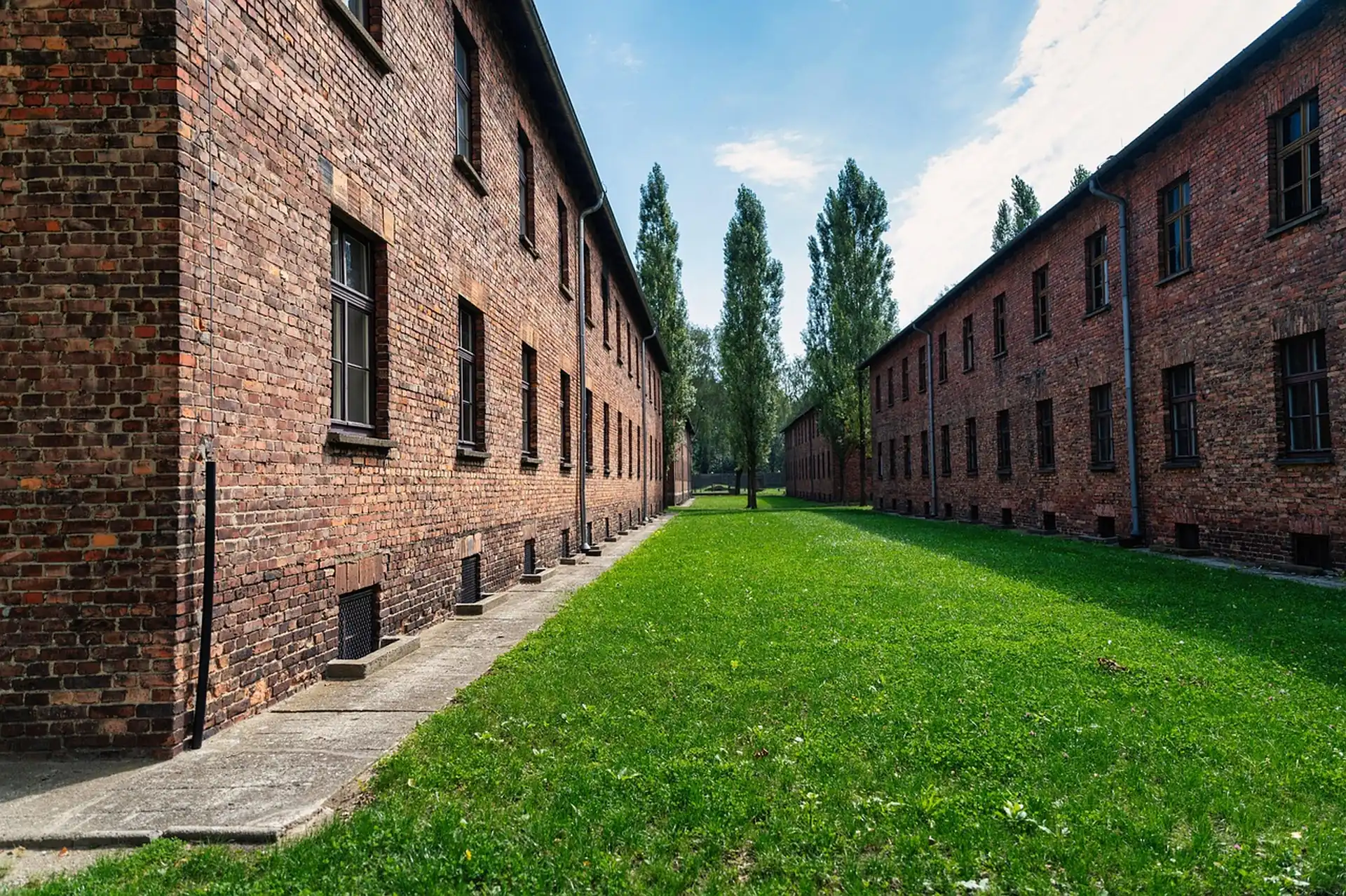
Nobody will be turned away at the entrance for being under 14 — the guidance is advisory. That said, several guided tour operators apply their own minimum age policies, often set at 12 or 14, so it’s worth checking a specific tour’s terms before booking if travelling with a younger child. Guides are also generally not equipped to adjust their narration for a young audience mid-tour; the content and pace are built for adult and teenage visitors.
If You Have Younger Children: What to Do Instead
For families with children under the recommended age, the practical answer is usually to split the day rather than skip the site entirely for the whole trip. A dedicated childcare facility near the Museum accepts children for supervised care during a parent’s visit, which lets one or both adults visit properly while younger kids stay nearby rather than sitting through content that isn’t meant for them. A private guided tour also gives more flexibility here, since the schedule isn’t fixed to a coach group and a parent can adjust timing around childcare pickup. It’s worth booking this kind of childcare in advance rather than assuming a same-day spot, particularly during peak summer months when demand from other visiting families is highest.
For Ages 14 to 17: What to Prepare Them For
Teenagers at or above the recommended age generally do well at the site, particularly with some preparation beforehand — a brief conversation about what the visit will include, rather than arriving with no context, makes a real difference. The Museum itself runs educational materials aimed at this age group for exactly this reason. Expect a subdued, quiet mood for the rest of the day afterward; that’s a normal and appropriate response, not something to manage away.
How to Decide as a Family
The most honest framework is simple: if a child struggles with difficult historical topics generally, or if the trip is their first exposure to this period of history without any prior context, Birkenau and Auschwitz I are probably not the right introduction. If a child has some grounding in the history already and handles serious subjects with genuine curiosity rather than distress, many families find the visit meaningful together. There’s no wrong answer here, and choosing to wait for an older age is a completely reasonable decision, not a missed opportunity.
Marta’s Honest Take
Families visiting Krakow sometimes feel pressure to include Auschwitz simply because it’s the most well-known site nearby, even when a child clearly isn’t ready for it. That pressure isn’t worth acting on. Our full guide to visiting Auschwitz-Birkenau from Krakow and the comparison of private versus group Auschwitz tours are both useful once a family has decided the visit is right for them — but deciding it isn’t the right trip this time is just as valid a conclusion.
What Local Guides Say About Family Groups
Guides based in Krakow who lead family groups regularly describe a consistent pattern: the visit works best when it’s the family’s decision rather than something added to an itinerary out of obligation. Locals who grew up near this history tend to be direct about it with visiting families — there’s no shame in choosing a different day trip this time and returning to Auschwitz on a future visit when children are older. The site isn’t going anywhere, and rushing a visit that isn’t right for the family rarely makes for a meaningful day. That candour is part of what locals bring to the conversation that a booking website rarely will.
Talking About It Afterward
For teenagers who do visit, the conversation on the way back to Krakow often matters as much as the visit itself. Giving space for questions, rather than moving straight on to the next item on the itinerary, helps process what was seen. Many families find it useful to keep the rest of that day deliberately light — a quiet dinner rather than another packed activity — regardless of the age of the visitor.
What the Guided Format Assumes About the Group
Standard guided tours from Krakow are built around a fixed narration pace designed for adults processing serious historical content, not for managing a child’s attention or answering follow-up questions mid-room. A guide leading a coach group of forty people genuinely cannot pause to check whether a nine-year-old at the back is following along or becoming distressed. This isn’t a criticism of the format — it simply wasn’t designed with young children in mind, and it’s one more practical reason the age guidance exists beyond the content itself.
Signs a Child or Teenager Might Not Be Ready
A few honest signals are worth weighing before booking: a child who becomes overwhelmed by sad news stories or historical documentaries generally, one who has had no prior exposure to the concept of the Holocaust at an age-appropriate level, or one who is visiting mainly because siblings or parents are going rather than out of any personal interest. None of these are reasons for concern about the child — they’re simply reasons this particular visit, on this particular trip, might not be the right fit yet.
If Only Part of the Family Wants to Go
It’s entirely common for a family to split for this specific part of a Krakow trip: one parent visits Auschwitz while the other spends the morning in the Old Town or at Wawel with younger children, then everyone regroups for the afternoon. This avoids forcing a group decision on a site that genuinely doesn’t suit every member of a travelling party, and it means nobody has to sit out something they wanted to see just because someone else in the group wasn’t ready for it. Coordinating this in advance, rather than deciding on the morning itself, makes the logistics considerably smoother for everyone involved.
What to Read Next
- Visiting Auschwitz-Birkenau from Krakow: Tours, Tickets and What to Know
- Private vs Group Auschwitz Tour: Cost, Pace and Which to Choose
Frequently Asked Questions
What age does Auschwitz recommend for children?
The Museum recommends that children under 14 do not visit. This is guidance rather than an enforced age restriction, but it reflects the Museum’s own assessment of the content.
Will my child be turned away at the entrance if they are under 14?
No, there is no ID check or enforced age limit at the entrance. However, some individual tour operators set their own minimum age requirements, so it is worth checking before booking.
What can I do with young children while visiting Auschwitz?
A dedicated childcare facility near the Museum offers supervised care during a visit, allowing parents to see the site while younger children stay nearby. A private tour also offers more scheduling flexibility around childcare.
How should I prepare a teenager for visiting Auschwitz?
A brief conversation beforehand about what the visit includes helps considerably. The Museum also produces educational materials designed for this age group specifically.
Is it wrong to skip Auschwitz if my children are too young?
No. Choosing to wait for an older age, or visiting without younger children this time, is a completely reasonable decision and not something to feel you are missing out on.
A quick note on the links above: the tour recommended in this guide is chosen on real review volume and rating, the same standard used across this site; if you book through one of these affiliate links, this site earns a small commission at no extra cost to you.
Plan your visit: Official site · Google Maps