Auschwitz Tour from Krakow: A Complete Guide to Booking and the Day
An Auschwitz tour from Krakow involves more moving parts than most day trips — timed entry, transport, a choice between guided and self-guided formats, and a site that genuinely deserves the full day it takes rather than being rushed. This guide walks through the complete process: what’s actually included, how booking and timed entry work, what the day looks like start to finish, and the details that trip up first-time visitors.
What an Auschwitz Tour Actually Includes
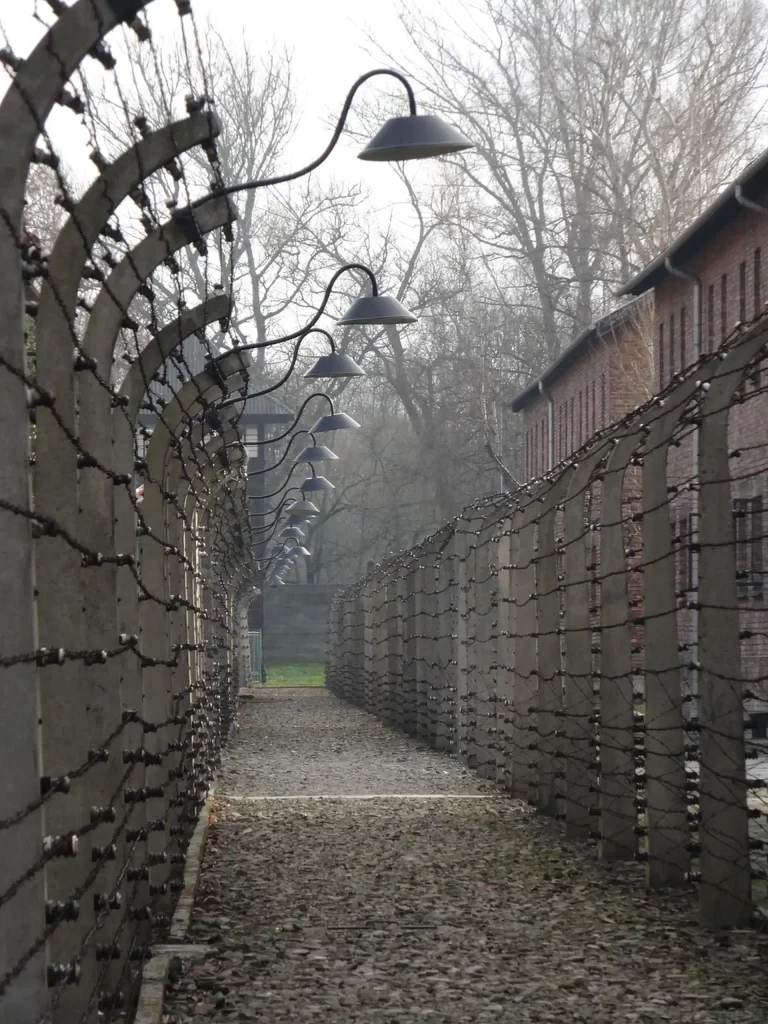
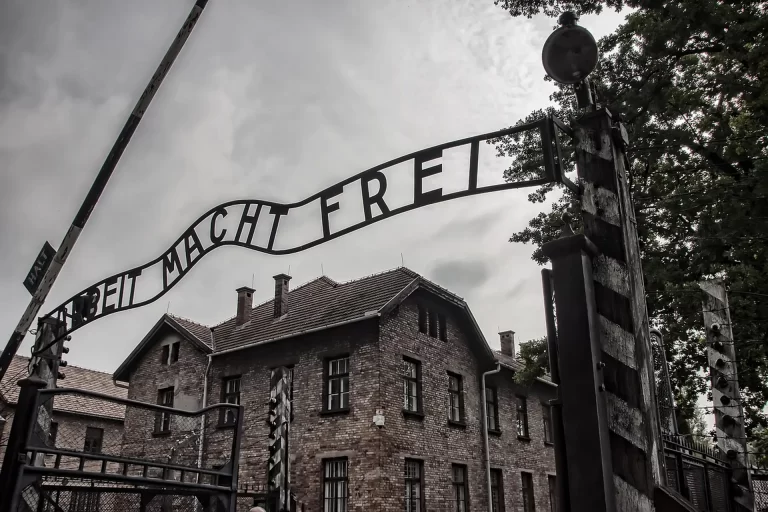
Most Auschwitz tours booked from Krakow bundle three things: round-trip transport (roughly 1.5 hours each way), a guided visit covering both Auschwitz I (the original camp) and Auschwitz II-Birkenau (the larger extermination camp a short drive away), and skip-the-line or pre-booked timed entry. The guided portion typically runs 3.5 hours, though total time away from Krakow including transport is closer to 6-7 hours for most tours.
See current availability for a top-rated Auschwitz-Birkenau guided tour with several transport options here — most operators offer variations on group size, pickup location, and language, but the core structure (transport plus guided visit to both camps) stays consistent across providers.
Pricing varies mainly by group size and language options rather than what’s covered — a private tour and a group tour generally visit the same sites for the same duration, with the price difference reflecting exclusivity and flexibility rather than a more complete experience.
How Booking and Timed Entry Work
The Auschwitz-Birkenau Memorial and Museum controls visitor numbers through a timed-entry system, whether you book a private tour, a group tour, or visit independently. This isn’t a tourist-experience add-on — it’s a site-wide policy that applies to everyone, and it exists to manage the volume of visitors respectfully rather than to create scarcity marketing. In peak season (May through September), popular time slots can fill up a week or more in advance, which is the main reason booking ahead matters more here than for almost any other Krakow attraction.
When you book a tour through an operator, the timed-entry slot is handled as part of the booking — you don’t need to separately reserve anything with the museum. This is one of the main practical advantages of a guided tour over arranging an independent visit, alongside not needing to coordinate your own transport.
It’s worth noting that the timed-entry system applies specifically to Auschwitz I — Birkenau, being a much larger open site, doesn’t require the same slot-based entry, which is part of why tours structure the day with Auschwitz I first.
What the Day Actually Looks Like
| Time | What Happens |
|---|---|
| Early morning | Pickup from central Krakow (hotel or designated meeting point) |
| ~1.5 hours | Drive to Oświęcim (the town where the camps are located) |
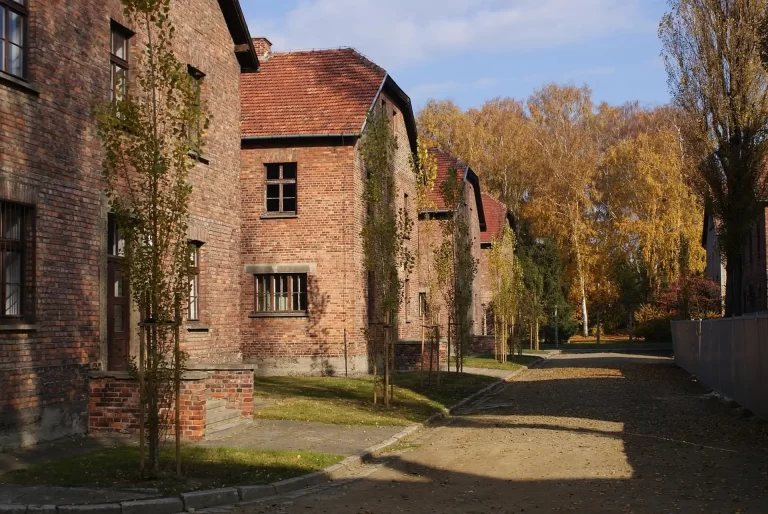
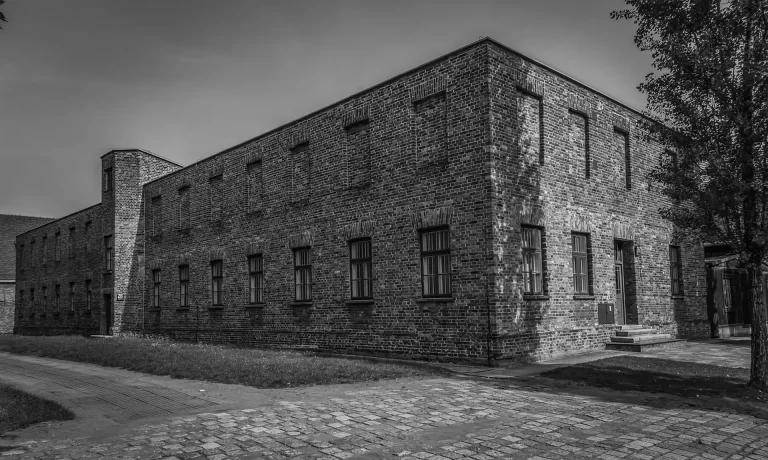
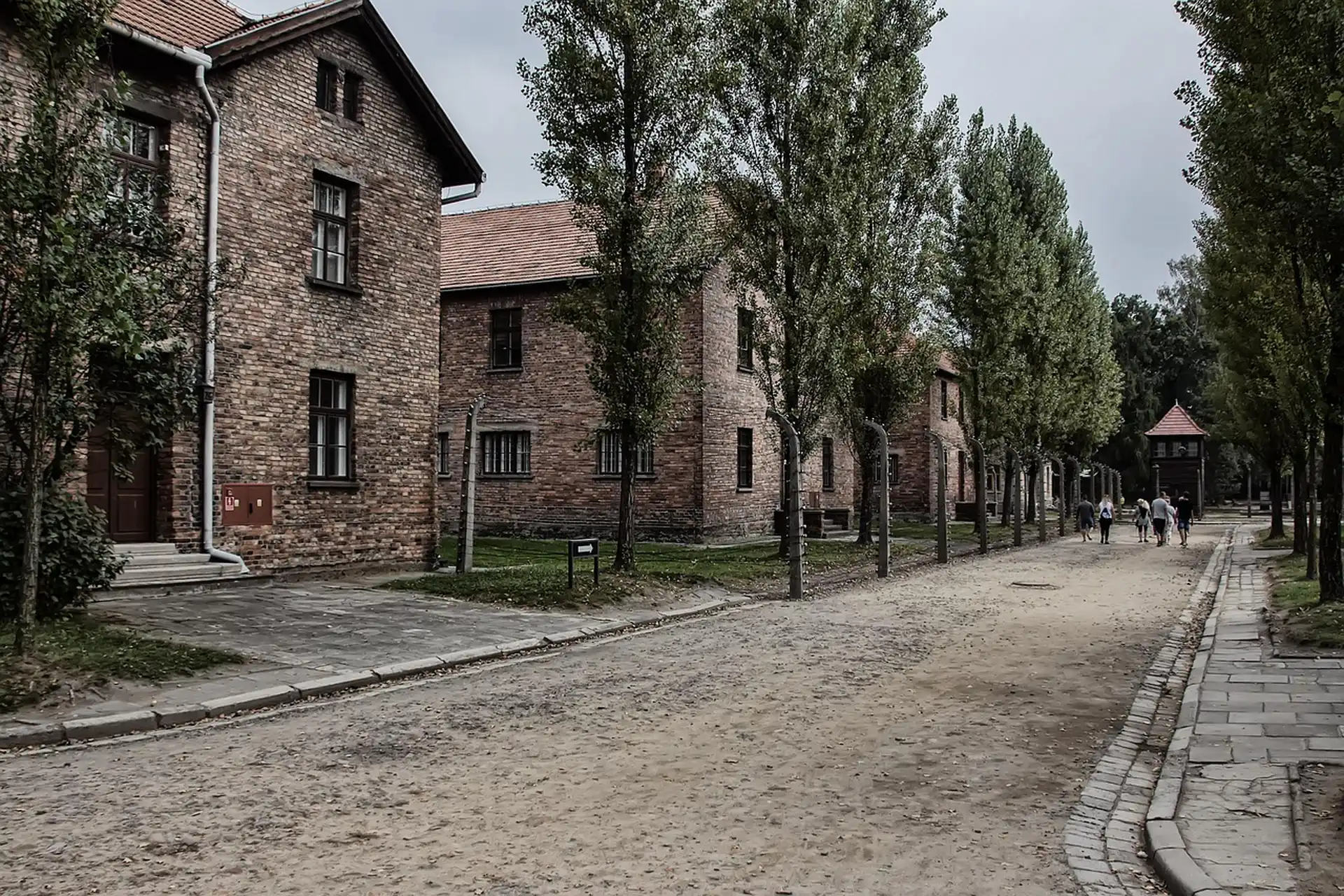
| ~1.5 hours | Guided visit to Auschwitz I — the original camp, including exhibits in former barracks |
| Short transfer | Move to Auschwitz II-Birkenau, a few kilometres away |
| ~1.5-2 hours | Guided visit to Birkenau — the much larger site, including the iconic gatehouse and rail platform |
| ~1.5 hours | Return drive to Krakow |
Most tours include a short break between the two camps, and many operators build in a bathroom and refreshment stop, since there’s limited food service on-site beyond a small café near the entrance.
Pickup times vary by operator but typically fall between 7am and 9am, aiming to arrive at the site before the busiest midday hours. Confirming your exact pickup time and location the evening before, rather than assuming a fixed schedule, avoids the most common day-of confusion.
Guided vs Self-Guided: The Short Version
For a full comparison, see our dedicated guide on guided vs self-guided Auschwitz visits — but the short version is that a guide adds substantial context that’s easy to miss reading exhibit placards alone, particularly at Birkenau, where the site’s scale can be overwhelming without someone directing your attention to specific, deliberately placed details. A self-guided tour with transfer included is also available here for visitors who prefer to move at their own pace while still having transport handled.
Language matters here more than at most Krakow attractions — on-site exhibit text is available in multiple languages, but a live guide can answer follow-up questions and adjust pacing in a way static text can’t, which is the main practical argument for choosing guided over self-guided if you’re undecided.
What to Bring and What to Expect
- Comfortable walking shoes — the visit involves significant outdoor walking, including at Birkenau, which is largely open ground
- Weather-appropriate clothing — most of Birkenau has no shelter, and Polish weather can shift quickly
- A valid photo ID, which some tours require for the museum’s security check
- Minimal bags — large backpacks and bags above a certain size aren’t permitted inside and may need to be left on the bus
- Respectful clothing — there’s no strict dress code, but this is a memorial site, not a typical tourist attraction
Preparing Emotionally for the Visit
This isn’t a site to walk into cold. A brief read of the camp’s history beforehand — even just an overview — tends to make the visit land more clearly than going in without context. Guides generally pace the visit thoughtfully, but the day is emotionally heavy by design, and most visitors find it’s not one to schedule a lively evening immediately after. Building in a quieter evening on the same day is worth planning for rather than treating as an afterthought.
It’s also worth knowing that photography is permitted throughout most of the site (with a few specific exceptions clearly marked, such as certain interior exhibit rooms), though many visitors find they take fewer photos than expected once actually there — the site tends to shift attention away from documentation and toward simply being present.
Private vs Group Tours: A Quick Note
Group tours are the default booking most visitors choose — they cost less and run on a fixed schedule that removes any planning burden. Private tours cost significantly more but allow flexibility on timing and pace, which some visitors value given the day’s emotional weight. For a full breakdown of the trade-offs, see our dedicated comparison of private vs group Auschwitz tours.
Cancellation policies are worth checking regardless of which format you choose — most reputable operators offer free cancellation up to 24 hours ahead, which matters given how far in advance booking is recommended and how weather or itinerary changes can shift plans.
What Locals Would Tell You Before You Go
Locals who’ve accompanied visiting family to Auschwitz more than once tend to give the same two pieces of advice: don’t schedule anything demanding the same evening, and don’t rush the Birkenau portion even if you’re tired by that point in the day. Birkenau’s scale — the site stretches far beyond what photographs typically capture — is part of what makes it land the way it does, and visitors who treat it as a quick add-on after Auschwitz I tend to leave with a less complete understanding of the site than those who give it the time it’s allotted.
Combining This with the Rest of Your Trip
Because this tour consumes most of a full day, most visitors treat it as a standalone day within a longer Krakow stay rather than pairing it with other sightseeing. See our full Auschwitz-Birkenau visiting guide for broader planning context, including how this fits into a 3-day or longer itinerary.
What to Read Next
- Visiting Auschwitz-Birkenau from Krakow: Tours, Tickets and What to Know
- Guided vs Self-Guided Auschwitz: Why a Guide Is Worth It Here
Frequently Asked Questions
How far in advance should I book an Auschwitz tour from Krakow?
At least a week ahead in peak season (May-September); a few days ahead is usually sufficient in shoulder or winter months, though booking earlier is always safer.
How long does an Auschwitz tour from Krakow take?
Most tours run 6-7 hours total including transport, with the guided visit itself covering roughly 3.5 hours at both Auschwitz I and Birkenau.
Do I need to arrange my own transport to Auschwitz?
No — nearly all tours include round-trip transport from central Krakow, which is one of the main reasons visitors choose a tour over an independent visit.
Is lunch included on an Auschwitz tour?
Rarely as a formal meal — most tours include a short break, and there’s a small on-site café, but it’s worth eating beforehand or bringing a snack.
Can children visit Auschwitz?
The museum recommends visitors be at least 14, given the site’s content — see our guide on visiting Krakow with older children for more detail on age-appropriate planning.
Booking an Auschwitz tour from Krakow is straightforward once you understand the structure — transport, timed entry, and a guided visit to both camps, consuming most of a full day. The main thing worth doing differently from a typical Krakow booking is planning ahead: this is the one site where waiting until you land in Krakow to sort out tickets genuinely risks not getting the slot or date you want.
Plan your visit: Official site · Google Maps