How Long Does a Visit to Auschwitz Take, Start to Finish?
Most visitors ask this before anything else: how long does a visit to Auschwitz take, from the moment you leave your hotel in Krakow to the moment you’re back? The honest answer is a full day, even though the memorial tour itself is shorter than people expect. Between travel, the visit to Auschwitz I, the walk or shuttle to Birkenau, and the buffer built into every group’s schedule, a typical guided trip from Krakow runs six to seven hours door to door. Self-guided visitors with their own car sometimes trim that slightly, and dedicated history travellers sometimes stretch it past eight hours. This guide breaks down exactly where that time goes, so you can plan the rest of your day around it.
The Short Answer: Where the Hours Go
Here is the full breakdown most people are actually looking for. These are typical figures for a standard guided visit from central Krakow — self-guided and private trips shift the numbers slightly, which is covered further down.
| Component | Typical Time |
|---|---|
| Travel from Krakow (each way) | 1–1.5 hours |
| Auschwitz I tour | 1.5 hours |
| Transfer to Birkenau | 10–15 minutes |
| Birkenau tour | 1.5 hours |
| Security, buffer, breaks | 30–45 minutes |
| Total, round trip from Krakow | 6–7 hours |
Travel Time from Krakow
Krakow sits about 70 kilometres from the memorial, and the full comparison of routes is covered in our overview guide to visiting Auschwitz-Birkenau from Krakow, but the short version for time-planning purposes is this: a tour bus takes roughly 90 minutes each way with hotel pickup built into the schedule, a private transfer runs closer to 75 minutes door to door, and the train plus the onward connection to the memorial takes about 1 hour 45 minutes once you count the walk or local bus from Oświęcim station. Whichever option you choose, budget close to three hours of your total day for transport alone, before you’ve stepped inside either site.
Time Inside Auschwitz I
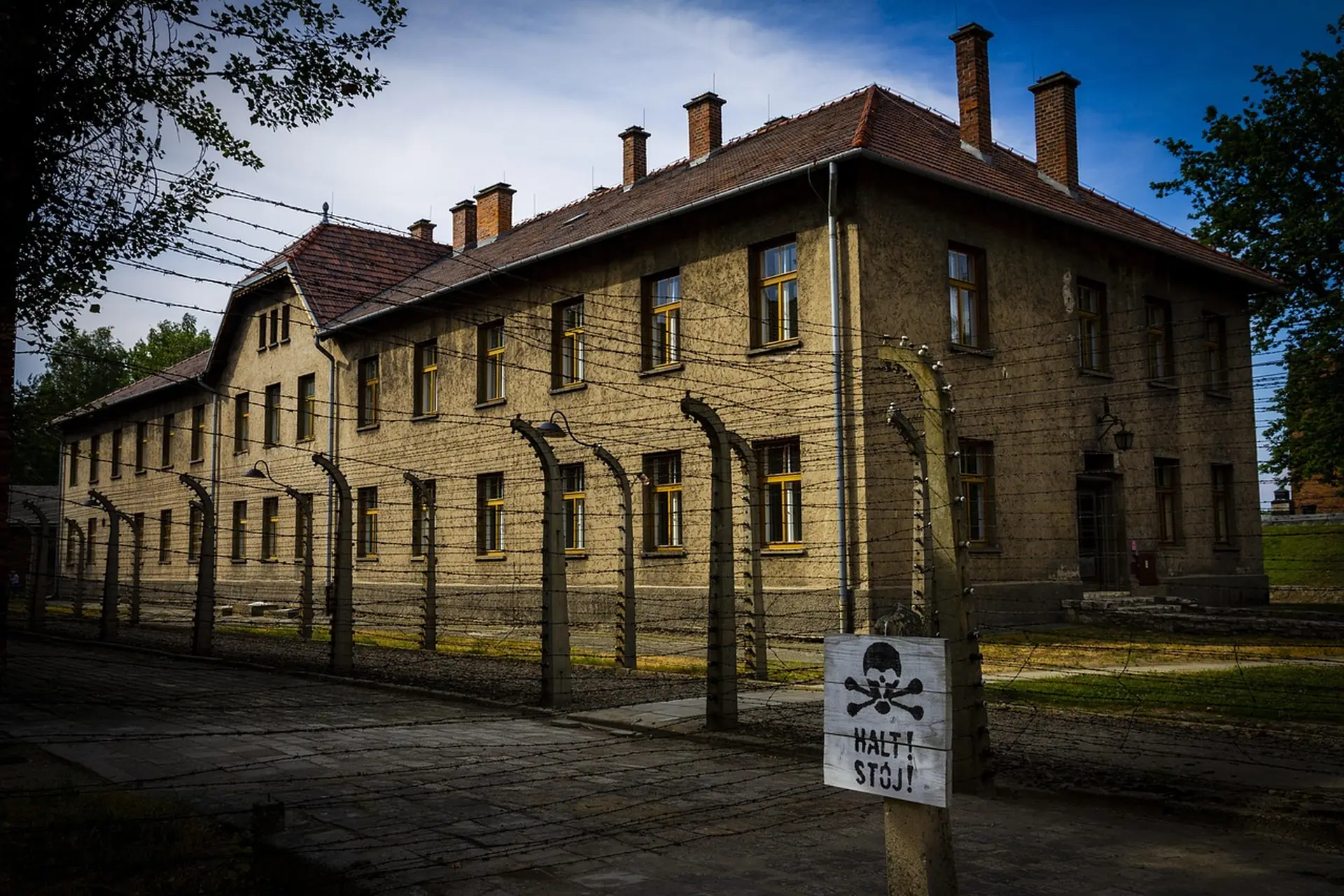
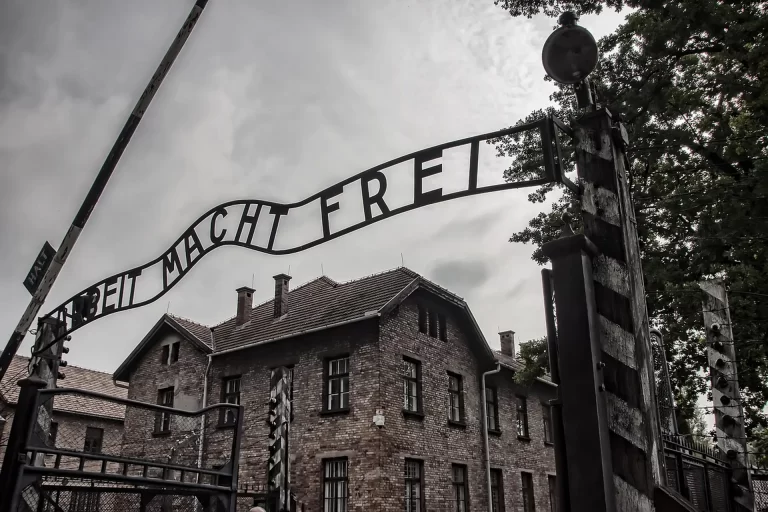
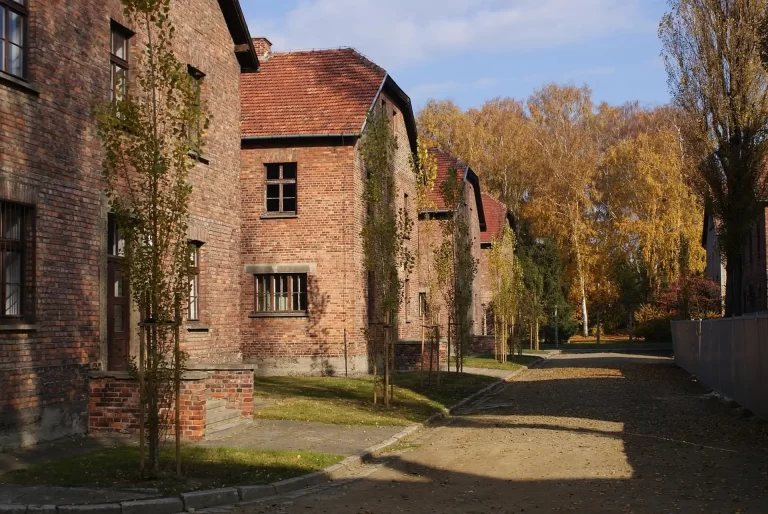
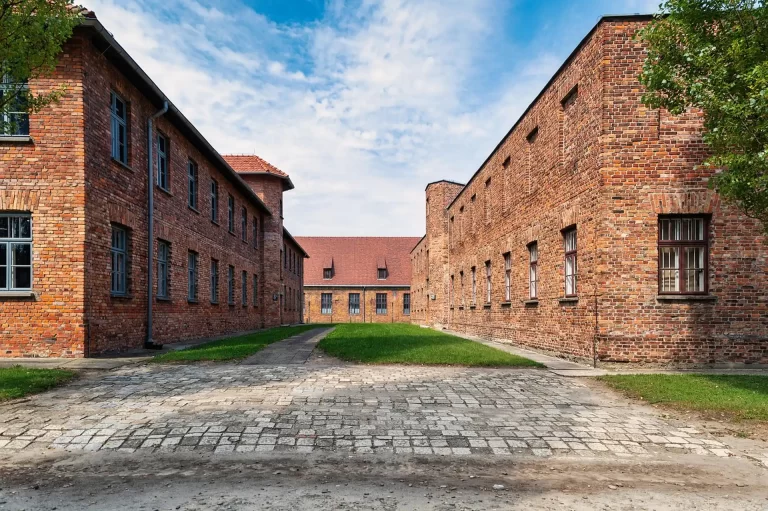
A standard guided tour of Auschwitz I runs about 1.5 hours. Groups move building to building at a fixed pace, set by the guide and by how many other groups are moving through the same corridors that morning — this is not a site where you wander freely with an audio guide, at least not during the standard visiting format. The blocks here hold the exhibitions: photographs, the standing cells, the room-sized displays of belongings taken from arriving prisoners. Most visitors find this the heavier of the two sites, precisely because so much of it happens indoors, at close range, with a guide narrating each room.
Time Inside Birkenau
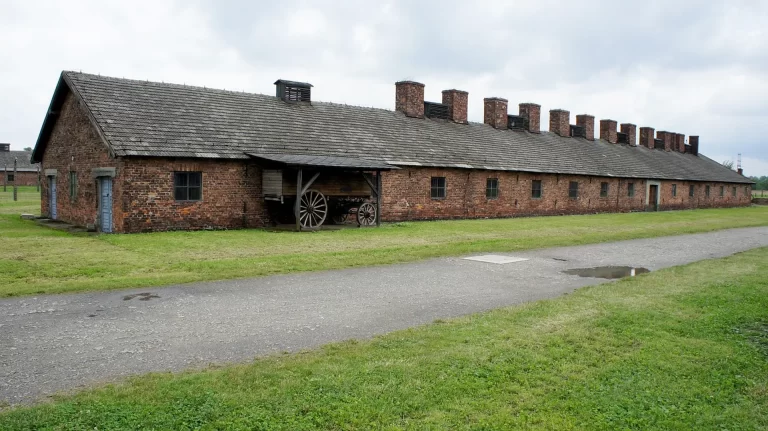
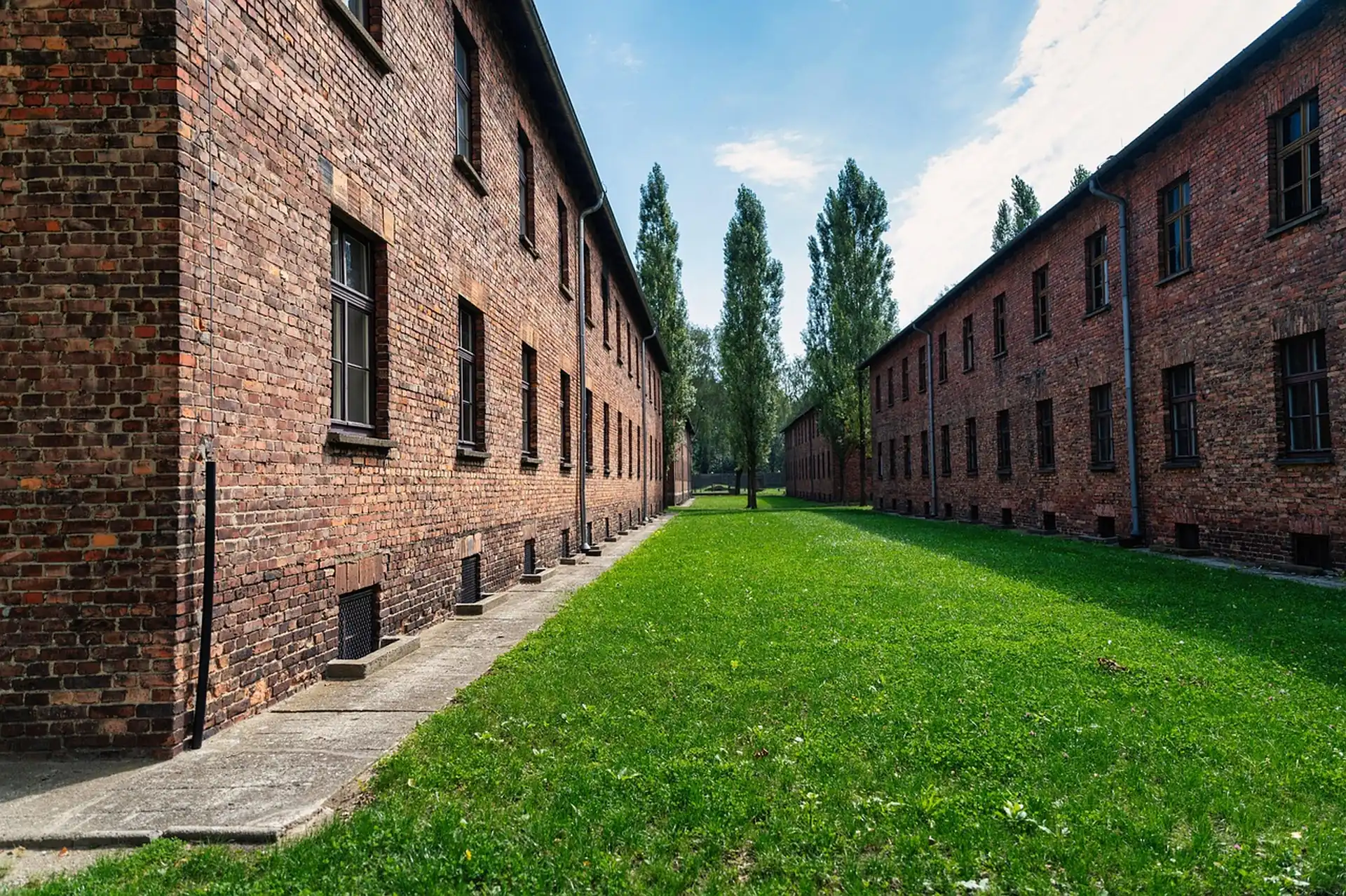
Birkenau is a different kind of time. The site is enormous — more than ten times the physical size of Auschwitz I — but far more of it is open ground, train tracks and the remains of demolished buildings rather than indoor exhibitions. A guided tour here also runs close to 1.5 hours, but it is mostly walking, often with more wind and weather exposure than the first site. The transfer between the two sites takes 10 to 15 minutes, either by shuttle bus or on foot, depending on your tour operator’s route that day.
Guided Tour or Self-Guided: Which Takes Longer
A standard small-group guided tour from Krakow runs on a fixed clock — roughly three hours on-site split between the two locations, with a guide keeping the group moving so nobody misses the shuttle back to the bus. Visiting privately or self-guided removes that clock: you can linger in the exhibits that matter most to you and walk past the noticeboards you don’t need, though most self-guided visitors report needing just as long, if not longer, once they stop rushing to keep pace with a group of forty. If pacing is the deciding factor for your trip, our comparison of private versus group Auschwitz tours looks specifically at cost and pace side by side.
A Sample Timeline, Hour by Hour
| Time | What’s Happening |
|---|---|
| 07:00 | Pickup from Krakow hotel or meeting point |
| 08:30 | Arrival at the memorial, security check |
| 08:45 | Auschwitz I tour begins |
| 10:15 | Transfer to Birkenau |
| 10:30 | Birkenau tour begins |
| 12:00 | Tour ends; free time or direct return transfer |
| 12:15 | Depart for Krakow |
| 13:45 | Back in the Krakow city centre |
What Stretches or Shortens the Day
A handful of factors move these numbers more than people expect. Group size matters — a coach of fifty moves slower between rooms than a private car of two. Season matters even more: July and August queues at the entrance and security checkpoint can add 30 minutes that simply don’t exist in November. A private transfer shaves time off both ends of the day compared with a shared tour bus that stops at two or three hotels before yours. Combining the visit with Wieliczka Salt Mine in the same day extends everything by several hours and is worth planning separately rather than assuming it slots neatly after lunch. Weather, mobility needs, and how many photographs your group wants to stop for all nudge the total in one direction or the other.
If You Only Have Half a Day
Being direct about this: a genuine half-day visit, door to door in under four hours, is not realistic from Krakow. The distance alone accounts for roughly three hours of the day, and the memorial itself does not offer a meaningfully shortened tour format — skipping Birkenau to save time is technically possible with a private guide, but it removes the part of the visit many people find most affecting, and Marta would not recommend it. If your schedule is genuinely tight, the better fix is an earlier departure — 7:00 rather than 9:00 — so the rest of your afternoon in Krakow is still intact.
Marta’s Practical Notes
Marta’s advice to first-time visitors is simple: don’t schedule anything demanding for the evening you get back. Locals in Krakow notice the same pattern every season — visitors who book a big Old Town dinner or a walking tour straight after Auschwitz tend to cancel it once they’re back at the hotel. Build in an easy evening instead. Bring water and a light snack for the journey, since there’s little to buy once you’re on-site, and wear shoes that handle gravel and uneven ground comfortably, particularly for the long, open stretches of Birkenau.
What Happens If Your Tour Runs Long
Occasionally a group runs behind schedule — a coach stuck in traffic on the way out, a longer queue at the security checkpoint, or a guide who lets questions run past the usual stopping point. Tour operators build a buffer into the return time for exactly this reason, so a 20-minute delay rarely cascades into a missed connection elsewhere in your day. What it does mean is treating the return time on your itinerary as approximate rather than fixed. If you have an evening train or a dinner reservation booked for the same day, leave at least a two-hour cushion between your expected return time and that commitment.
Visiting on Your Own Schedule vs a Fixed Tour Time
Tour buses from Krakow depart at set times, usually early morning, and that fixed schedule is part of what keeps a 6-to-7-hour day realistic — everyone moves through the same checkpoints together. Driving yourself or booking a private transfer removes that constraint but doesn’t necessarily shorten the visit; most private visitors still spend close to three hours on-site once they factor in both memorial locations, simply because there is genuinely that much ground to cover. The real advantage of going private is control over departure time, not a shorter day overall.
What to Read Next
- Visiting Auschwitz-Birkenau from Krakow: Tours, Tickets and What to Know
- Private vs Group Auschwitz Tour: Cost, Pace and Which to Choose
Frequently Asked Questions
How long does a visit to Auschwitz take in total, including travel from Krakow?
Plan on six to seven hours round trip: about three hours of travel split across both directions, roughly three hours touring Auschwitz I and Birkenau combined, and the remainder in transfers, security and short breaks.
Can Auschwitz be visited in under four hours from Krakow?
Not realistically. Travel alone accounts for close to three hours round trip, and the standard tour format at the memorial runs about three hours on-site, so a genuine sub-four-hour visit is not achievable with the current transport distance.
Is Auschwitz I or Birkenau bigger, and which takes longer to visit?
Birkenau is physically much larger — more than ten times the size of Auschwitz I — but consists mostly of open ground and remains rather than indoor exhibitions. Guided tour time at each site is similar, around 1.5 hours.
Do self-guided visitors spend more or less time at Auschwitz than guided groups?
Often similar, and sometimes longer. Without a guide keeping the group on schedule, self-guided visitors frequently take more time reading exhibits and walking the grounds at their own pace.
Should Auschwitz be combined with Wieliczka Salt Mine in the same day?
It is possible but makes for a genuinely long day, often ten hours or more once both transfers are included. Most visitors are better served treating them as separate days unless time in Krakow is very limited.
A quick note on the links above: the tours and transfer options in this guide are chosen on real review volume and rating, the same standard used across this site; if you book through one of these affiliate links, this site earns a small commission at no extra cost to you.
Plan your visit: Official site · Google Maps