Krakow Old Town Walking Tour: Which Route and Guide Are Worth It
A Krakow Old Town walking tour can mean a dozen different things depending on the operator, the route, and whether you’re paying for a guide at all. Marta breaks down which routes and guide formats are genuinely worth it, and which add little beyond what a good self-guided walk covers.
What a Good Old Town Route Actually Covers
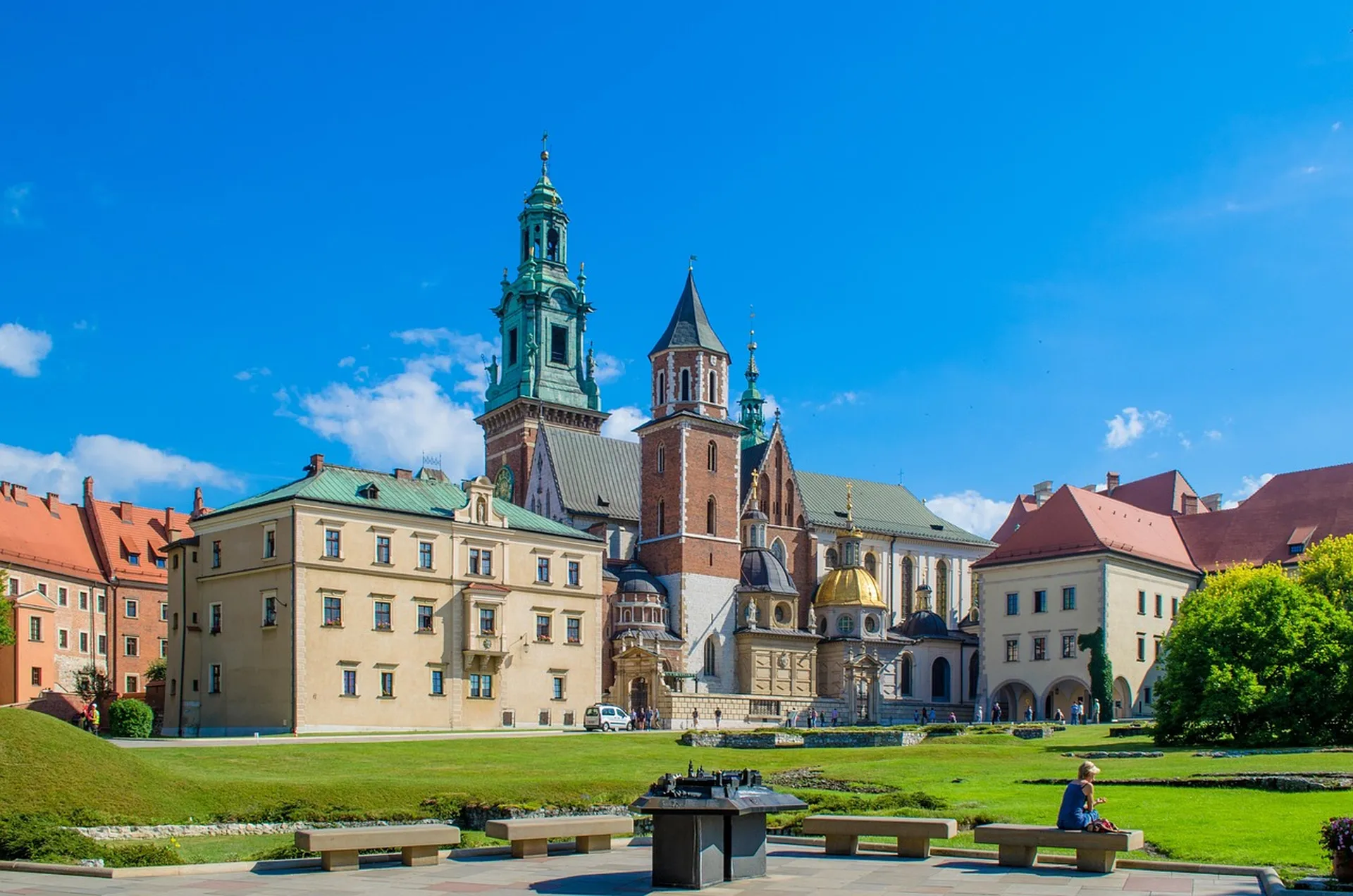
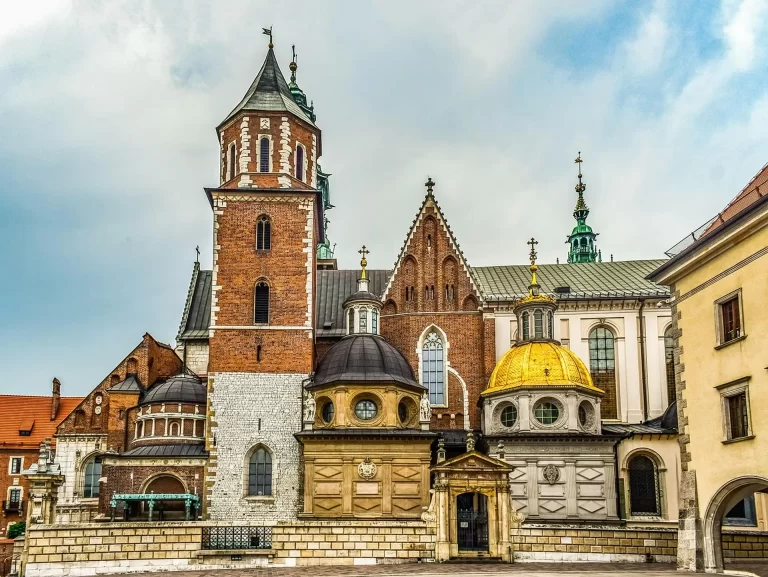
A well-built Old Town route moves through the Main Market Square, the Cloth Hall, St. Mary’s Basilica, the Barbican and St. Florian’s Gate at the northern edge of the walls, and typically finishes at or near Wawel Hill. The strongest routes weave in the smaller, easy-to-miss details — the Planty park ring marking where the medieval walls once stood, university buildings tied to Copernicus’s time in Krakow, and side streets away from the main square that reveal a quieter version of the Old Town. A route that only loops the square and the most photographed landmarks tends to feel repetitive within an hour, since the Old Town’s real character shows up more in its side streets and courtyards than in the handful of sites everyone photographs. Ask any operator you’re considering booking with what percentage of the route falls outside the main square — it’s a useful proxy for how much genuine variety the walk offers.
Self-Guided vs Guided: What You Gain With a Guide
Walking the Old Town independently works well if you’ve done some reading beforehand and mainly want to see the headline sights at your own pace. A guide adds the most value in exactly the areas a map can’t cover — which buildings replaced which over the centuries, local stories and legends tied to specific corners, and the kind of context that turns a pleasant walk into something that actually sticks. If you’re the type of traveller who reads every plaque anyway, a guide’s narration mostly saves you research time rather than revealing anything you couldn’t find yourself. The gap becomes most obvious at sites with layered, non-obvious history — a building that looks purely decorative but once served an entirely different civic function, for instance — where a map or guidebook entry gives you a fact, but a good guide gives you the story behind why it matters. For most visitors, though, the value isn’t in facts you couldn’t otherwise find, but in having someone answer follow-up questions on the spot — the kind of curiosity a guidebook can’t respond to in the moment it comes up.
Free Walking Tours: What “Free” Actually Means
Krakow’s free walking tours operate on a tip-based model — no upfront cost, but guides rely entirely on gratuities, typically expecting somewhere in the range of a paid tour’s cost by the end if you found it worthwhile. They’re a reasonable option for budget travellers and can be genuinely good depending on the individual guide, but quality varies more than with paid tours, since there’s less vetting and the groups tend to be larger. Reading a few recent reviews of the specific tip-based tour and guide you’re considering, rather than the operator’s overall rating, is worth the extra few minutes — quality can vary significantly guide to guide even within the same company.
Small Group vs Private Tours
Small group tours, typically capped around 10-15 people, balance cost and personal attention reasonably well and are Marta’s default recommendation for most visitors. Private tours cost significantly more but let you set the pace entirely, skip sections that don’t interest you, and ask questions without competing for the guide’s attention — worth the premium for visitors with specific interests (architecture, Jewish history, communist-era Krakow) that a general route won’t fully serve. The price gap between small group and private tours has narrowed somewhat in recent years as more operators offer semi-private options for smaller parties, worth checking if the two extremes don’t quite fit your group size or budget.
How Long a Proper Old Town Walk Takes
A well-paced Old Town walking tour typically runs two to two and a half hours, covering the main square, surrounding streets, and the walk to or from Wawel Hill. Rushed versions can compress this to 90 minutes by skipping side streets and moving quickly through the square, which works for a first orientation but leaves out most of the detail that makes a guided walk worth the cost in the first place.
Choosing a Guide Who Fits Your Interests
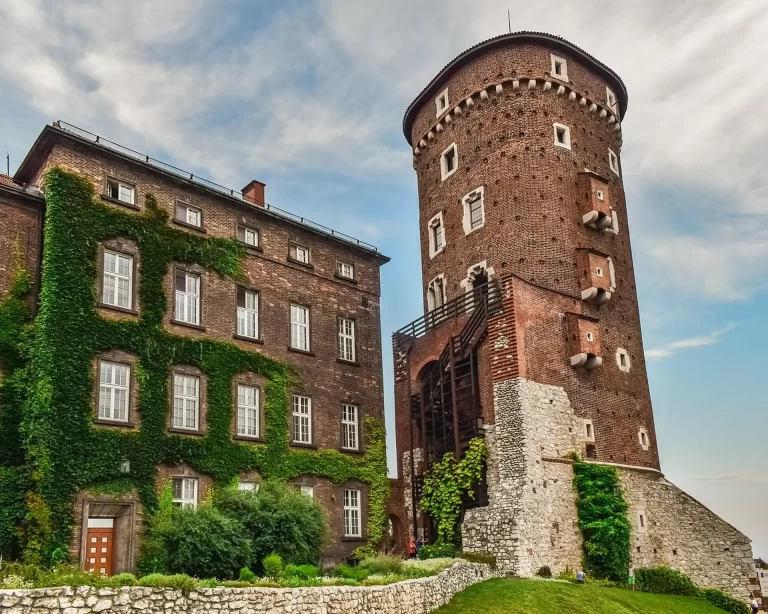
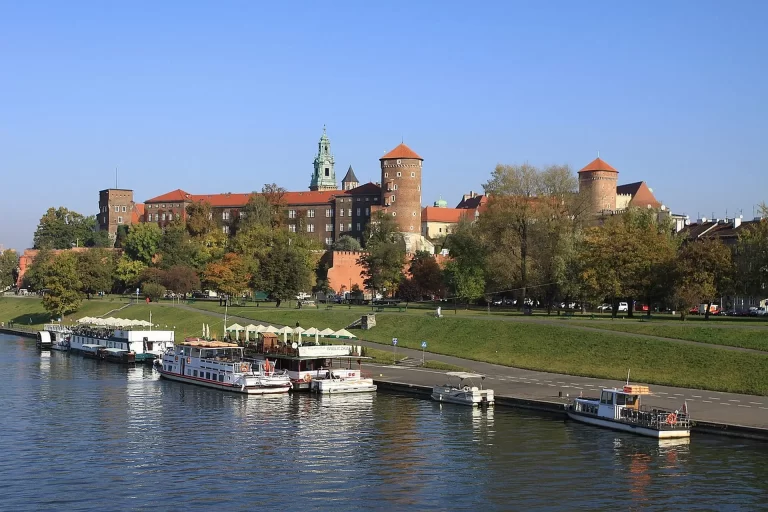
The Old Town and Wawel Castle walking tour covers the standard, comprehensive route in a single booking, pairing the Old Town with Wawel Hill in one outing. If you’re deciding whether to add a guide specifically to your Wawel Castle visit rather than the wider Old Town walk, Marta’s guided tour versus going alone comparison covers that narrower decision in more detail.
What Locals Notice
Krakow residents who occasionally join a walking tour out of curiosity (more common than visitors might expect) tend to say the same thing afterward: even lifelong residents learn something new about buildings they’ve walked past for years. It’s a small vote of confidence in the format — the Old Town rewards guided context even for people who technically already know it well.
Themed Alternatives to the Standard Route
Beyond the general Old Town walk, themed routes exist for visitors with specific interests — Jewish heritage tours that extend into Kazimierz, WWII-focused walks through Podgórze, food-and-history combinations that stop at milk bars and traditional restaurants along the way, and architecture-focused routes that spend more time on individual buildings than the standard overview allows. If the general Old Town walk sounds too broad for what you’re after, searching for a themed variant is usually worth the extra research time.
What to Bring and Wear
Comfortable walking shoes matter more than anything else — the Old Town’s cobblestones are attractive but genuinely uneven underfoot, and a two-hour walk covers more ground than it looks like on a map. Water is worth carrying, especially in summer, since shaded rest points are limited along the main route. Most Old Town walking tours run rain or shine, so a light waterproof layer is worth checking the forecast for rather than assuming good weather.
Booking Timing
Old Town walking tours generally don’t require the advance booking pressure that Auschwitz or Schindler’s Factory tickets do, since group sizes and daily capacity are less constrained. That said, popular departure times — particularly mid-morning slots in peak season — can fill up a day or two ahead, so booking at least the evening before is a reasonable habit rather than assuming a same-day slot will always be available. During the Christmas market season and major festival weekends, book even earlier — the square’s altered layout during these events changes standard routes, and popular slots disappear faster than in a typical month.
What to Read Next
- Wawel Castle, the Main Market Square and Krakow’s Old Town
- Wawel Castle Guided Tour vs Going Alone: What You Miss Without One
Frequently Asked Questions
Is a guided Old Town walking tour worth it in Krakow?
It depends on your travel style. A guide adds the most value through local stories and historical context a map can’t provide; independent walking works well if you’ve done some reading beforehand.
Are free walking tours in Krakow actually free?
They’re tip-based rather than truly free — guides rely on gratuities, typically expecting an amount comparable to a paid tour by the end if you found it worthwhile.
How long does a Krakow Old Town walking tour take?
A well-paced tour typically runs two to two and a half hours. Rushed versions can compress to 90 minutes but skip much of the detail that makes the walk worthwhile.
Should I choose a small group or private Old Town tour?
Small group tours balance cost and attention well for most visitors. Private tours cost more but let you set the pace and focus on specific interests.
What does a good Old Town walking route cover?
The Main Market Square, Cloth Hall, St. Mary’s Basilica, the Barbican and St. Florian’s Gate, plus smaller details like the Planty park ring and university buildings tied to Copernicus.
Plan your visit: Google Maps