The Wawel Dragon and Other Krakow Legends Locals Still Tell
The Wawel Dragon is the legend every visitor hears about, usually from a guide pointing at the fire-breathing statue by the river, but it’s only one of several stories Krakow still tells about itself. I grew up on these as a child before I ever studied the real history professionally, and what strikes me now is how many of them are still doing quiet cultural work centuries later — explaining a sound, a shape, a tradition that would otherwise seem arbitrary.
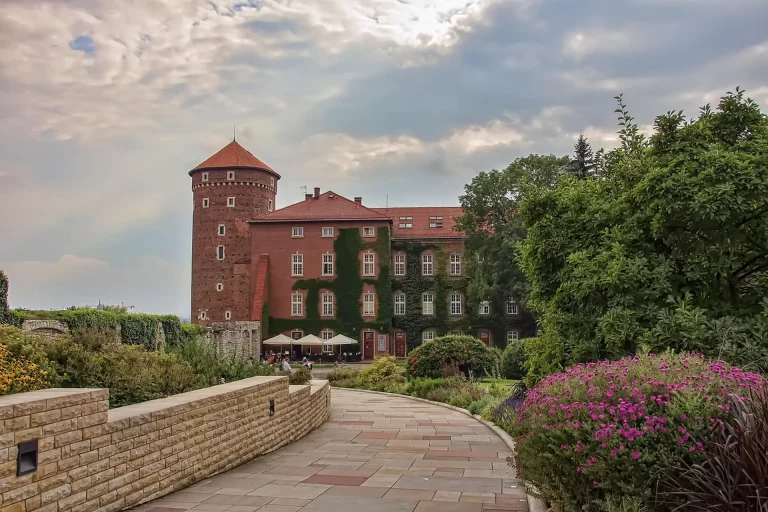
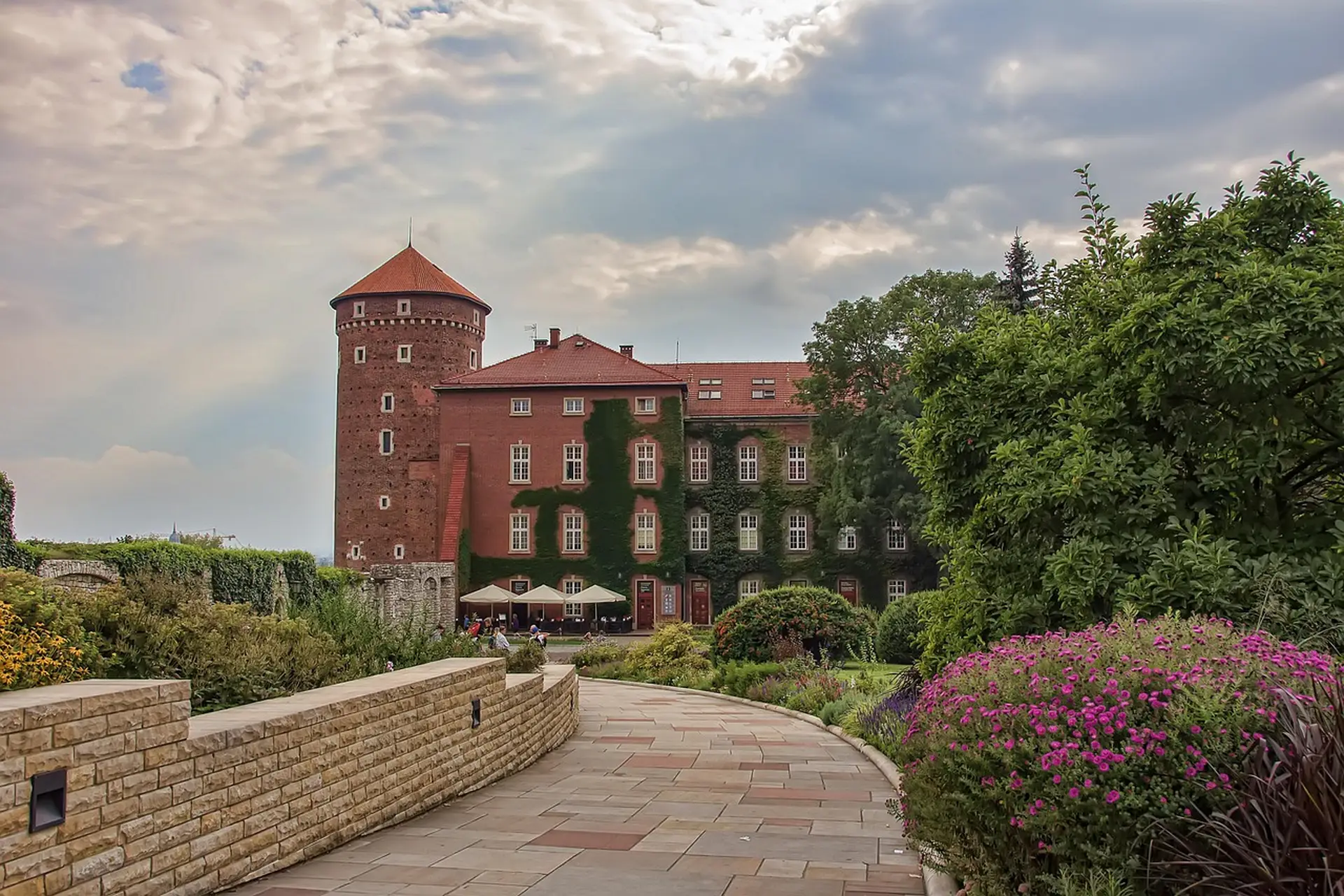
If the legend sends you up toward Wawel Hill afterwards, a guided tour of the castle and cathedral covers the buildings the story is actually attached to.
The Wawel Dragon
The best-known version has a dragon terrorising the city from a cave beneath Wawel Hill until a clever shoemaker’s apprentice, Krak or sometimes a boy named Skuba depending on which telling you hear, tricks it into eating a sheepskin stuffed with sulphur. The dragon drinks the river dry trying to cool the burning in its stomach and bursts. The cave — Smocza Jama, the Dragon’s Den — is real and open to visitors beneath the castle, and the bronze dragon statue by the entrance breathes actual fire on a timer, which delights children and unsettles no one anywhere near as much as the medieval version of the story did.
The Hejnał and the Interrupted Trumpet Call
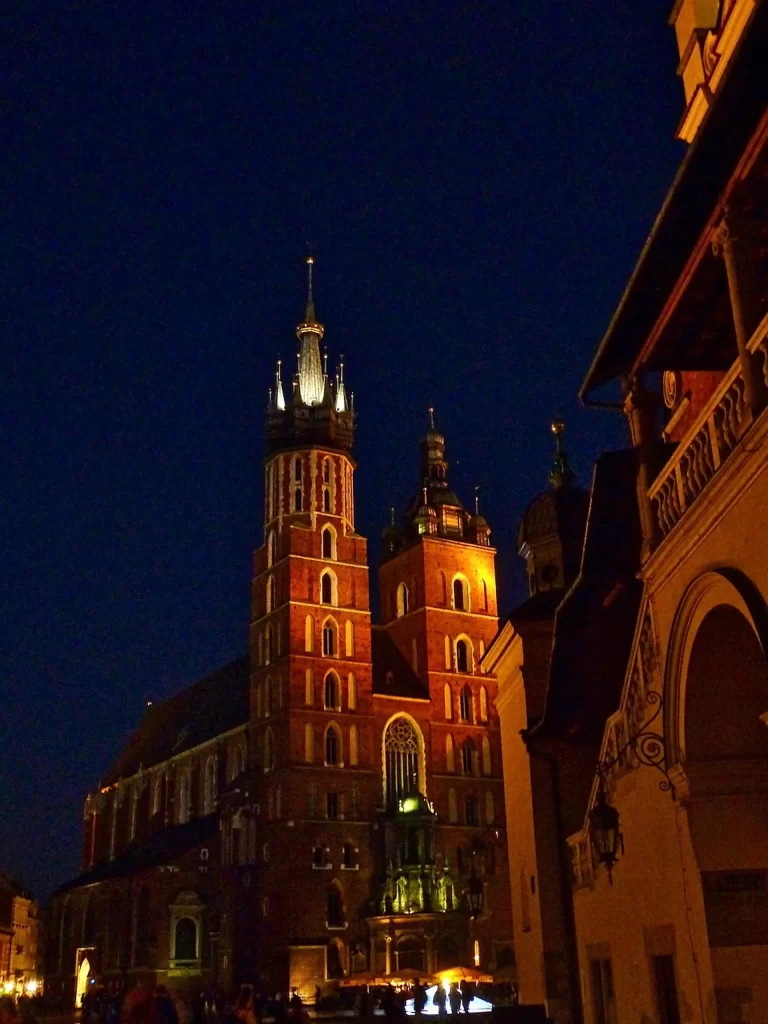
Every hour, a trumpeter plays a short melody from the tallest tower of St. Mary’s Basilica, and it always stops abruptly, mid-note. The legend holds that a watchman spotted a Tatar invasion approaching in the thirteenth century and sounded the alarm, only to be struck in the throat by an arrow before finishing the call. The city was saved, the watchman wasn’t, and the broken note has been played that way ever since — a small, deliberate imperfection built into the city’s daily rhythm. It’s one of the details that makes the atmosphere here feel different once the sun goes down; our guide to Krakow after dark touches on how these old rituals shape the evening mood around the Main Square.
The Two Towers of St. Mary’s
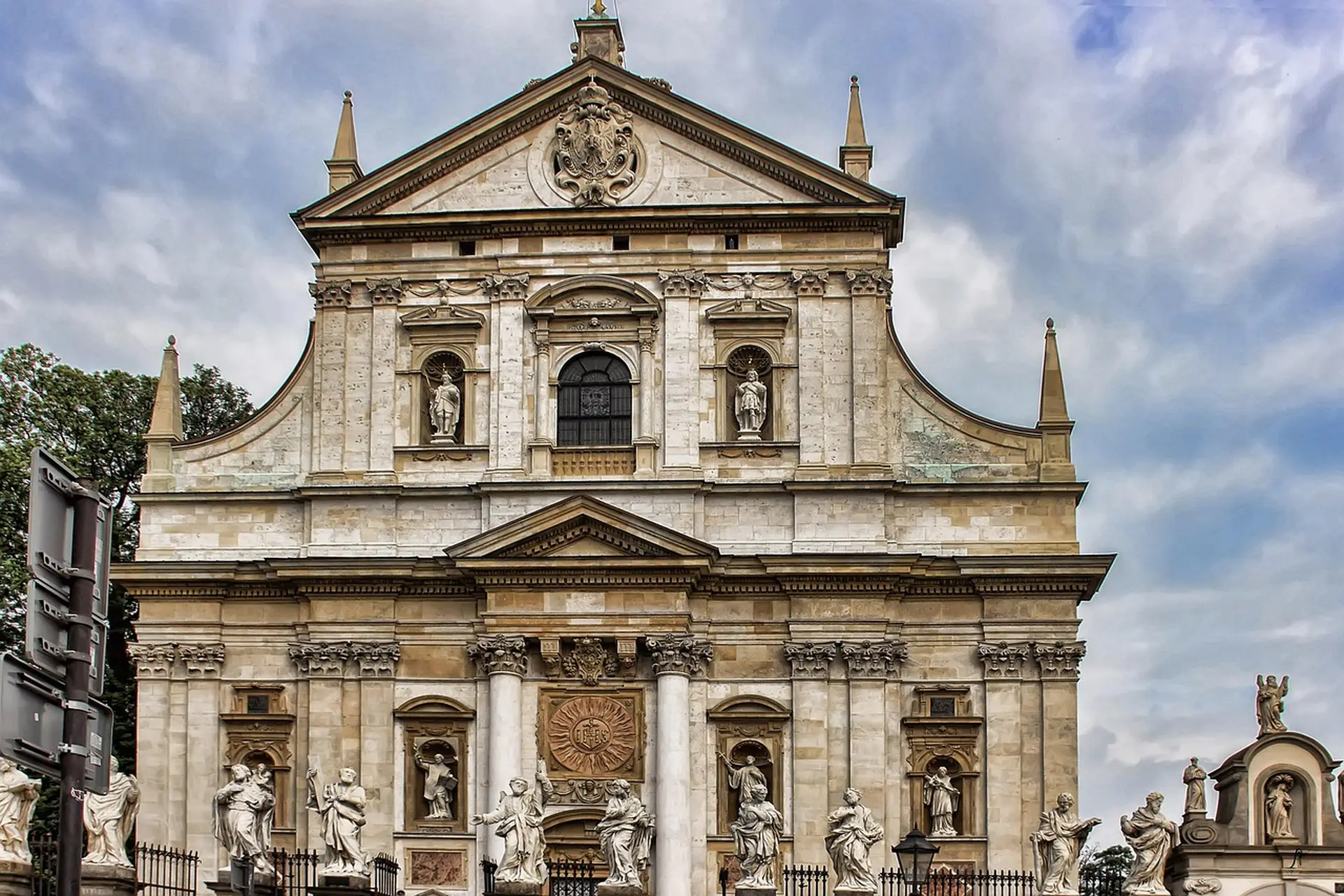
St. Mary’s Basilica has two towers of different heights, and the story locals tell explains why: two brothers were each building a tower, and when one fell behind he grew so consumed with envy that he murdered his sibling rather than let the taller tower be finished. Wracked with guilt, he confessed publicly and stabbed himself with the same knife. It’s a grim tale for a church facade, and almost certainly more folklore than fact, but it’s told often enough that most Krakow guides know it by heart.
The Lajkonik
Less famous outside Poland but beloved locally is the Lajkonik, a costumed figure resembling a bearded man riding a hobby-horse, who parades through the streets once a year commemorating a Tatar leader supposedly defeated near the city. Being tapped by his mace during the procession is considered good luck for the coming year — a tradition locals take seriously enough to chase the parade route rather than wait for it to pass.
What Locals Notice
What locals notice is that these stories aren’t performed for tourists so much as absorbed into daily life without much ceremony — the hourly trumpet call barely registers to someone who’s heard it ten thousand times, and that’s exactly the point. If you want an evening built around this kind of storytelling atmosphere, pairing a legends walk with a proper dinner afterward is a good way to spend a night here; our guide to the best dinner experiences in Krakow for couples covers restaurants within easy walking distance of the Old Town’s landmarks.
What to Read Next
- Krakow After Dark: Romantic Evenings, Atmosphere and How It Compares to Other Cities
- Romantic Things to Do in Krakow
- Best Dinner Experiences in Krakow for Couples
- Krakow Horse Carriage and Evening River Cruise: Worth It or Tourist Trap?
- Krakow at Night: What the Old Town Becomes Once the Crowds Leave
Is the Wawel Dragon based on a true story?
No, it is a legend, though the Dragon’s Den cave beneath Wawel Hill is real and open to visitors, and a fire-breathing dragon statue marks its entrance today.
Why does the Krakow trumpet call stop abruptly?
Legend says a watchman was struck by an arrow mid-warning during a thirteenth-century invasion. The hourly trumpet call, played from St. Mary’s Basilica, has been performed with that same abrupt stop ever since.
What is the Lajkonik?
A costumed figure on a hobby-horse who parades through Krakow once a year in a tradition tied to local legend. Being touched by his mace is considered good luck.
Plan your visit: Official site · Google Maps