How Much Does a Trip to Krakow Cost? A Realistic Daily Budget
How much does a trip to Krakow cost is a fair question, because Krakow remains one of the better value historic capitals in Europe, even as prices have risen in recent years. What you spend depends heavily on accommodation choices and how many paid attractions you book, more than on food or transport, which stay reasonably cheap across every budget level. This post sits alongside our full guide to getting to Krakow and the practical things to know and breaks the daily cost down by category.
Budget Travellers: Hostels and Self-Catering
A tight daily budget covering a hostel bed, self-catered or milk-bar meals, and public transport is achievable without feeling like you’re missing anything essential. Free attractions — walking the Old Town, the Planty park, most churches from the outside, Kazimierz’s streets — cover a genuine share of what makes Krakow worth visiting in the first place.
Mid-Range Travellers: Apartments and a Few Paid Attractions
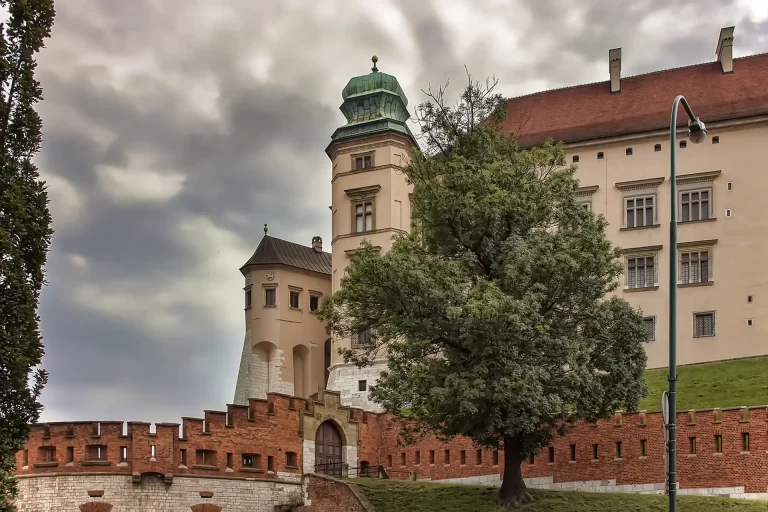
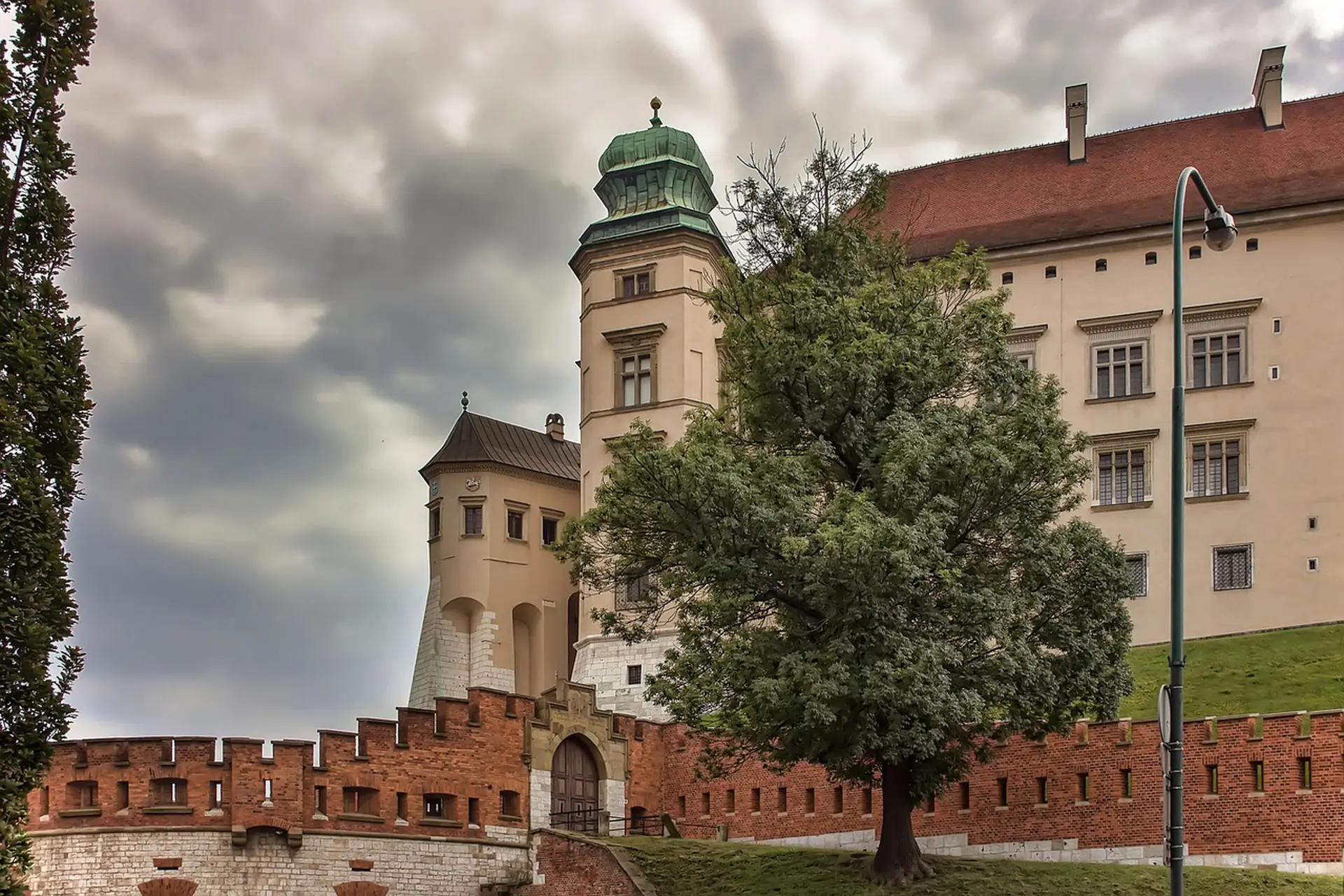
A mid-range daily budget covering a private apartment room, restaurant meals rather than self-catering, and one or two paid attractions like Wawel Castle or a guided tour represents where most visitors land. This tier is where booking attractions in advance starts to matter, since popular sites like Auschwitz-Birkenau and Wieliczka Salt Mine sell out on short notice in peak season.
Comfortable Travellers: Central Hotels and Regular Tours
A more comfortable daily budget covering a well-located hotel, dining out for most meals, and regular use of guided tours or private transfers still costs meaningfully less in Krakow than the equivalent trip to Prague, Vienna, or Budapest. It’s one of the reasons the city draws a disproportionate number of longer weekend and week-long trips relative to its size.
What Actually Drives the Cost Up or Down
Accommodation is the single biggest lever: choosing an apartment over a hotel, or a neighbourhood slightly outside the absolute centre, saves more than any other single decision. Booking major attractions and transfers in advance rather than on arrival also avoids the premium that last-minute, walk-up pricing tends to carry.
What Locals Notice
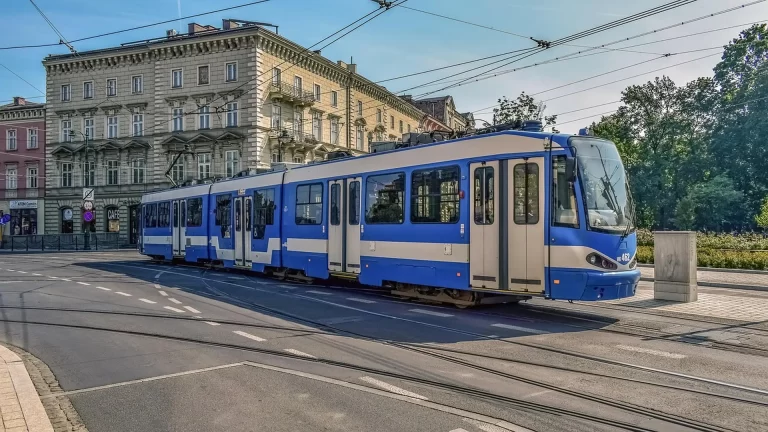
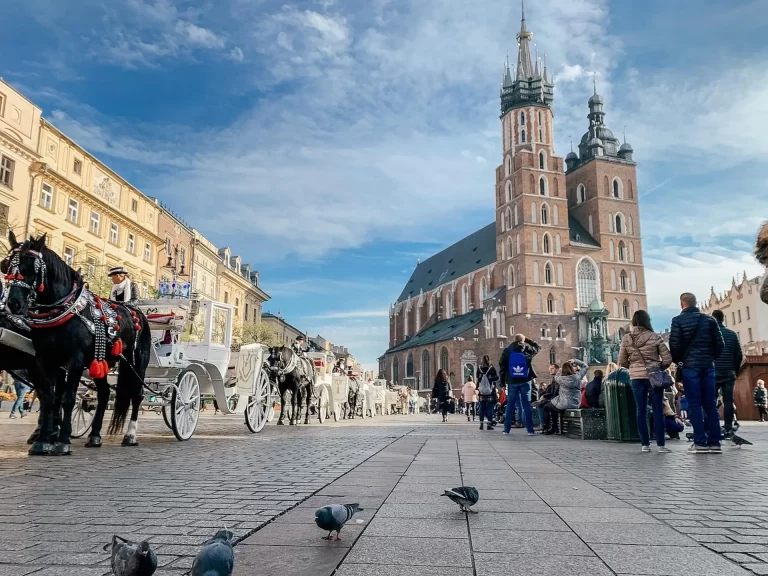
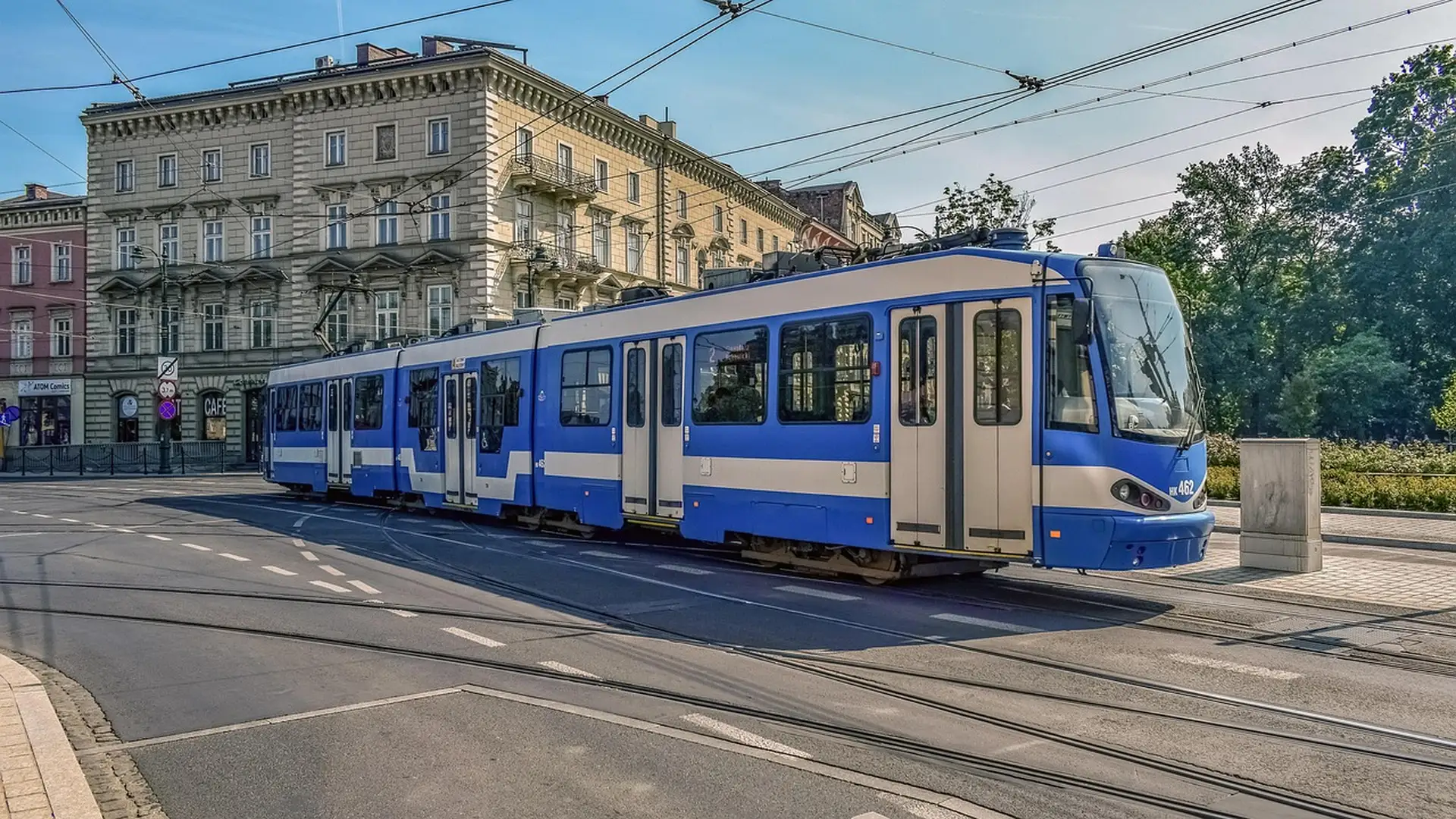
What locals notice about visitor spending in Krakow is how much money gets spent on convenience rather than necessity — taxis for short tram rides, restaurant meals in the most touristed squares, last-minute ticket purchases at a markup. None of these are wrong choices, but they’re the ones worth being deliberate about if a budget matters.
Quick Reference by Travel Style
- Budget: hostel or shared accommodation, self-catering or milk bars, walking and free sights
- Mid-range: private apartment, restaurant meals, one or two booked-ahead attractions
- Comfortable: central hotel, dining out regularly, guided tours and private transfers
- Across every tier: Krakow remains cheaper day-to-day than comparable Western European capitals
What to Read Next
- Getting to Krakow and Practical Things to Know: the full pillar guide
- Is Krakow Safe for Tourists and Solo Travellers? An Honest Answer
Is Krakow an expensive city to visit?
No, it remains one of the better value historic capitals in Europe. Accommodation is the biggest cost driver, while food and transport stay reasonably affordable across most budget levels.
What’s the biggest way to save money on a Krakow trip?
Choosing accommodation carefully — an apartment over a hotel, or a neighbourhood slightly outside the absolute centre — saves more than any other single decision.
Should I book Krakow attractions in advance to save money?
Yes. Popular sites like Auschwitz-Birkenau and Wieliczka Salt Mine often carry a premium or sell out for last-minute, walk-up bookings, especially in peak season.
Plan your visit: Google Maps