Getting to Krakow, Around the City and the Practical Things to Know
Getting to Krakow, getting around once you’re here, and knowing the practical basics beforehand make more difference to how a trip actually feels than most guides let on — a smooth airport transfer or knowing roughly what a day should cost removes a surprising amount of low-grade stress from the first day of a trip. This guide covers the logistics: airport transfers, getting around without a car, trains to other Polish cities, plus the “know before you go” basics — safety, budget, money, packing, and language.
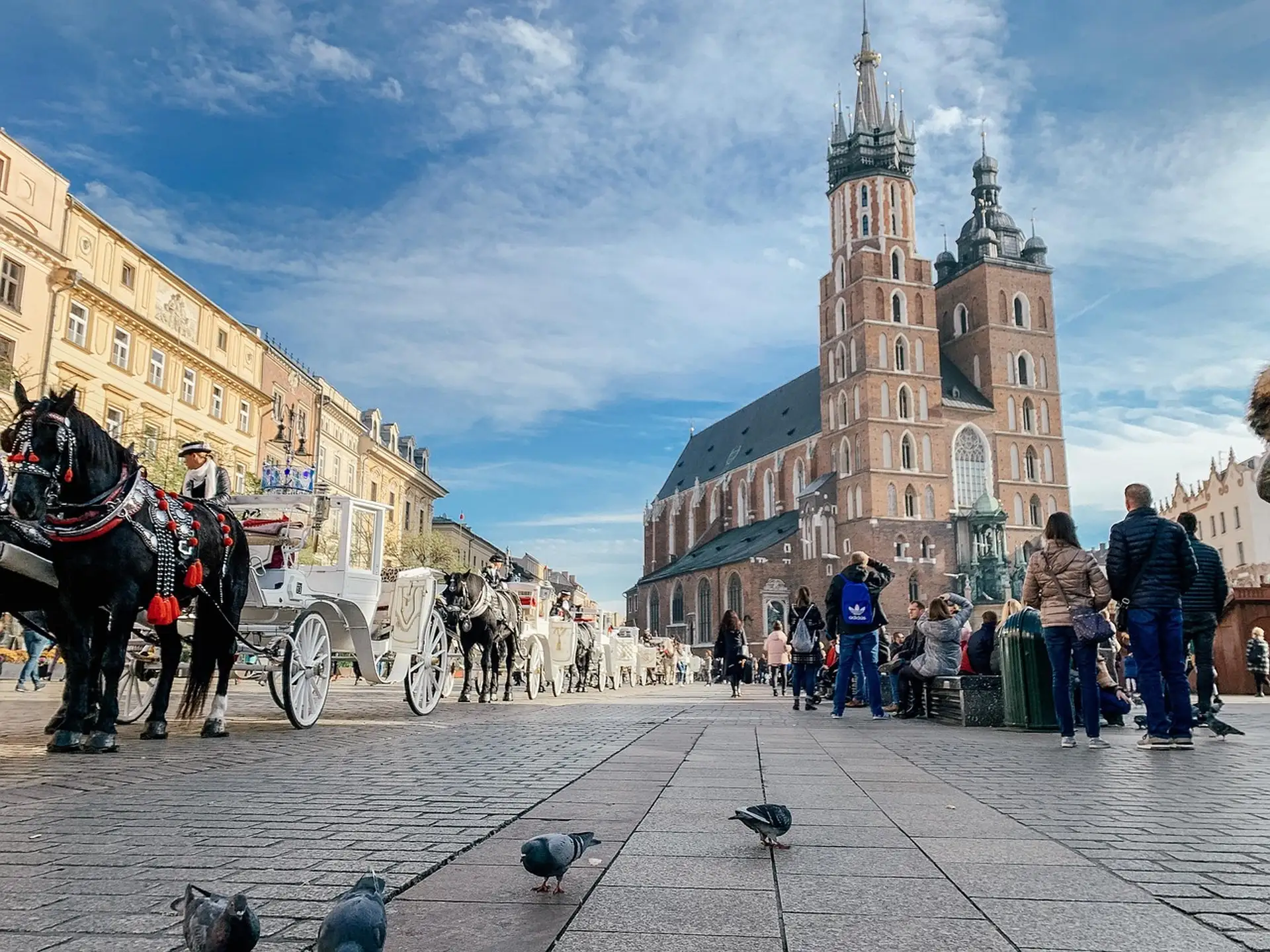
Krakow Airport to City Centre
| Option | Time | Approx. Cost | Notes |
|---|---|---|---|
| Train (Kraków Airport – Kraków Główny) | ~20 min | Low | Fastest and cheapest option; runs frequently, direct to the main train station |
| Bus (line 208 or 252) | 30-40 min | Low | Direct to city centre, runs regularly including late night |
| Taxi (official rank) | 20-30 min | Moderate | Use the official taxi rank, not touts inside arrivals |
| Private transfer | 20-30 min | Higher | Pre-booked, door-to-door, no queueing |
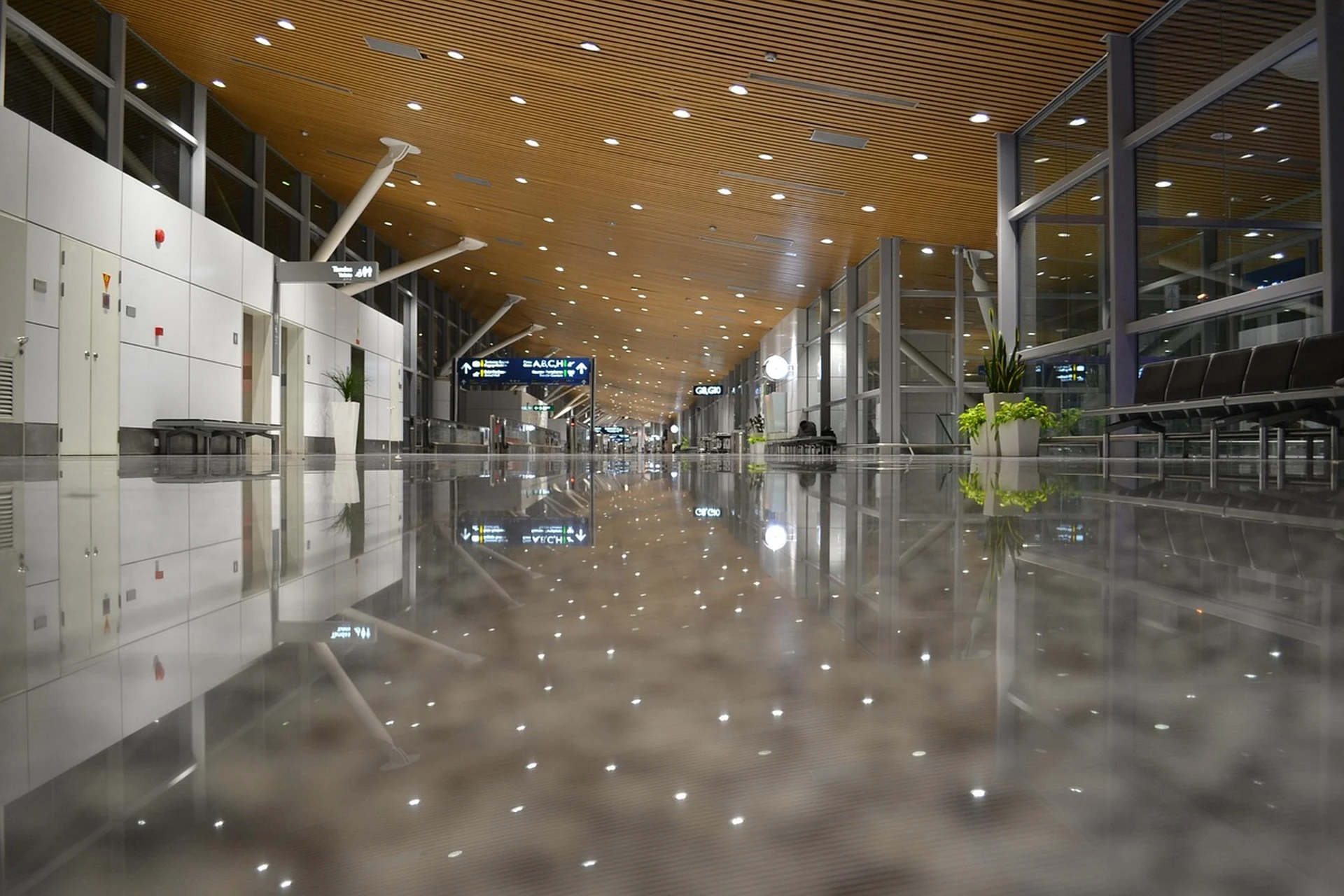
The train is the sensible default for most visitors — it’s fast, inexpensive, and drops you directly at Kraków Główny, the main train station on the edge of the Old Town, an easy walk or single tram ride from most central accommodation. Taxis are worth using the official rank for (found just outside arrivals) rather than accepting offers from drivers approaching you inside the terminal, which is a common overcharging tactic at airports across Europe, not unique to Krakow.
One detail worth flagging for late or early flights: the train and bus both run reduced overnight schedules, so a taxi or pre-booked transfer becomes the more reliable option for arrivals or departures outside normal daytime hours. Confirming your flight time against the current train timetable before relying on it is worth the two minutes it takes.
Getting Around Krakow Without a Car
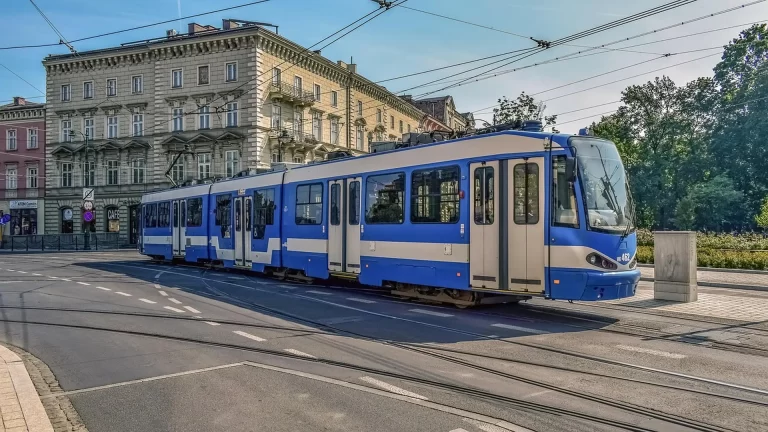
Krakow doesn’t require a car, and most visitors are better off without one — the Old Town is largely pedestrianized, parking is limited and expensive, and the tram network covers the rest of the city efficiently. Trams are the backbone of local transport: frequent, reliable, and easy to navigate with a transit app (Jakdojade is the most commonly used) even without speaking Polish. Tickets can be bought via app, at tram-stop machines, or from the driver, and must be validated on boarding if not purchased digitally.
Walking covers most day-to-day Old Town and Kazimierz movement on its own — the two districts sit close enough together that many visitors barely use transit at all except for day trips or airport transfers. Ride-share apps (Uber and Bolt both operate in Krakow) fill the gap for late-night trips or heavier luggage.
Single-ride, 24-hour, and multi-day transit tickets are all available and worth choosing based on how much you’ll actually move around — a 24-hour ticket usually pays for itself after just three or four rides, which most active sightseeing days will easily exceed.
Krakow to Warsaw by Train
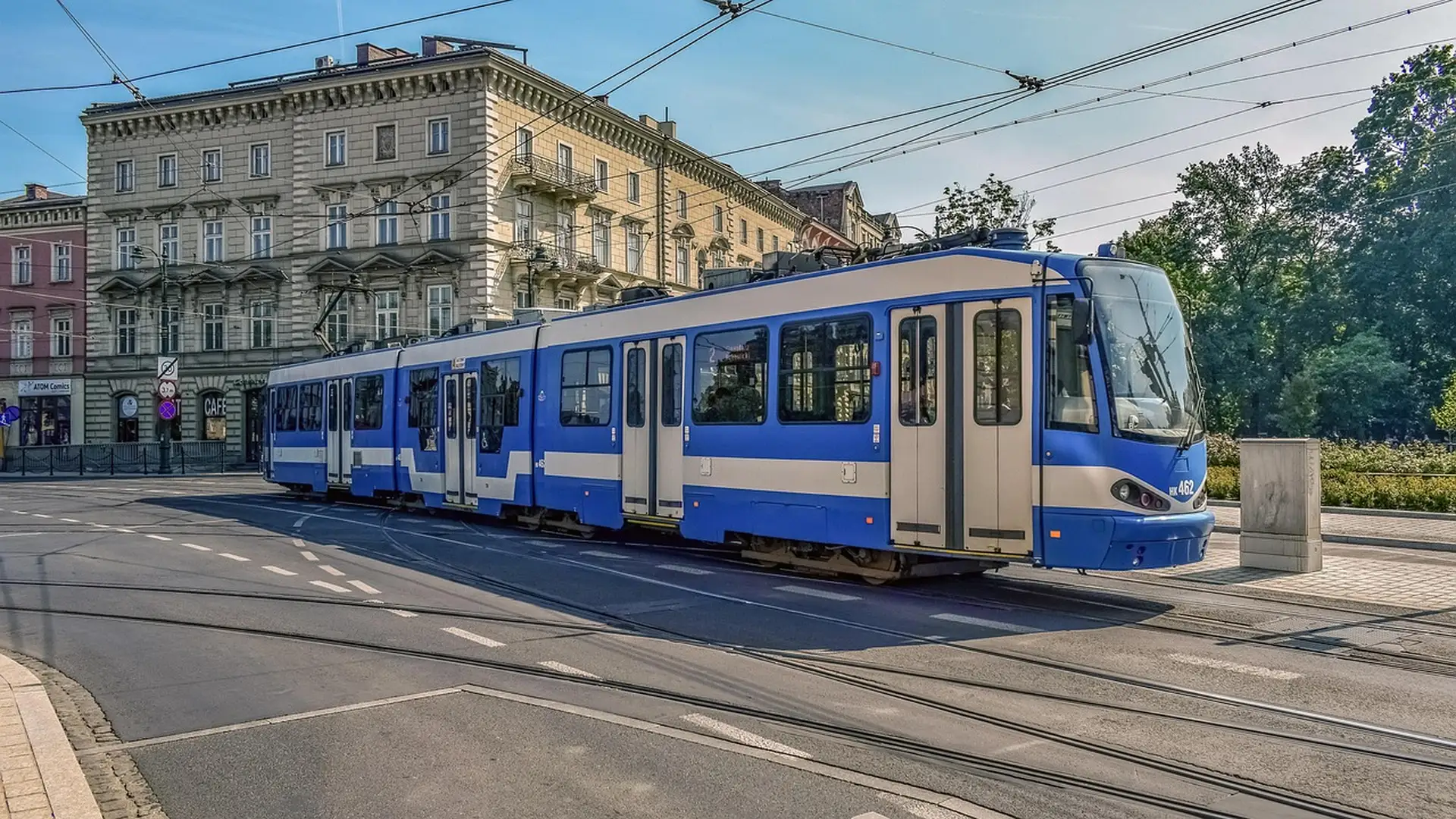
The Krakow-Warsaw route is one of Poland’s best-served rail corridors, with frequent departures throughout the day. The fastest express services (EIP/Pendolino) cover the roughly 300km route in around two and a half hours; regular InterCity services take closer to three hours at a lower price. Booking a few days ahead typically secures a better fare than buying same-day, though the route rarely sells out completely outside major holidays.
Buying tickets through the Koleje Małopolskie or PKP Intercity apps directly, rather than third-party resale sites, tends to give the clearest fare comparison and avoids booking fees that some resellers add on top of the base ticket price.
Krakow to Wrocław, Zakopane and Beyond
Krakow sits well-positioned within Poland’s rail network for onward travel. Wrocław is roughly two and a half to three hours by direct train; Zakopane (covered in depth in our day-trips guide) is reachable by bus or train in about two to two and a half hours; and international connections run from Kraków Główny to destinations including Vienna, Prague, and Budapest, making Krakow a reasonable base for a wider Central European trip rather than a single-city visit.
Is Krakow Safe for Tourists and Solo Travellers?
Yes, by most standard measures — Krakow is one of the safer major European cities for visitors, including solo travellers and women travelling alone. Violent crime targeting tourists is rare; the more realistic concerns are the same low-level issues found in any busy tourist centre: pickpocketing in crowded areas (the Main Square, public transport during peak times) and occasional overcharging at restaurants directly on the square that don’t clearly display prices. Standard precautions — a bag you can keep in front of you in crowds, checking a menu’s prices before ordering, using licensed taxis — cover the practical risk adequately.
Marta’s honest note: the areas locals would flag as worth extra awareness at night are less about danger and more about drunk-tourist density — the stag-party-heavy streets near the Main Square get rowdy late on weekend nights, which is more of an annoyance than a genuine safety concern for most visitors.
Solo female travellers in particular tend to report Krakow as comfortable relative to many European cities — well-lit central streets, a visible police presence around the Main Square, and a general local familiarity with tourists travelling alone. The same common-sense precautions that apply anywhere (sticking to well-lit routes late at night, keeping valuables secure on trams) apply here too, without Krakow presenting any particular additional risk.
How Much Does a Trip to Krakow Cost?
| Budget Level | Daily Estimate (per person) | What It Gets You |
|---|---|---|
| Budget | €40-60 | Milk bar meals, hostel or budget guesthouse, public transport, free sights |
| Mid-range | €80-130 | Sit-down restaurant meals, 3-star hotel or good apartment, one paid attraction or tour per day |
| Higher-end | €150+ | Fine dining, 4-5 star hotel, private tours, no cost-cutting on activities |
Krakow remains noticeably cheaper than Western European capitals across nearly every category — accommodation, food, and transport all run well below London, Paris, or Amsterdam prices at a comparable quality level. Major paid attractions (Wieliczka, Auschwitz tours, Wawel entry) are where costs add up fastest, so budgeting specifically for the day trips and tours you actually plan to take matters more than general daily-cost estimates.
For visitors planning around a couple of major paid days out, the Wieliczka Salt Mine tour and an Auschwitz-Birkenau guided tour are the two most commonly budgeted-for excursions, and worth pricing into your trip total early rather than as an afterthought.
It’s worth noting that Krakow’s affordability relative to Western Europe doesn’t mean every corner of the city is cheap — restaurants directly on the Main Square routinely charge Western European prices for food that costs a fraction of that a few streets away, which is part of why walking a little further from the most obvious tourist center consistently pays off across food, drink, and even some accommodation.
Money in Krakow: Złoty, Cards and Tipping
Poland uses the złoty (PLN), not the euro, despite EU membership — a detail that surprises some first-time visitors. Cards are widely accepted, including contactless, at the large majority of restaurants, shops, and attractions, though small vendors, market stalls, and some milk bars remain cash-preferred or cash-only. ATMs are common throughout the centre; using bank-affiliated ATMs rather than the standalone currency-exchange-branded machines (which often carry poor exchange rates and high fees) is the more reliable way to withdraw złoty.
Tipping runs around 10% at sit-down restaurants, generally left in cash even when the bill is paid by card, and isn’t expected at counter-service places like milk bars or food stalls.
Currency exchange kiosks (“kantor”) are common throughout the Old Town and generally offer better rates than airport exchange counters, but rates vary noticeably between individual kantors — comparing two or three before exchanging a larger sum is worth the extra few minutes. Avoid kiosks advertising “0% commission” prominently in tourist areas, since the poor exchange rate itself is usually where the markup is hidden.
What to Pack for Krakow, Season by Season
| Season | Weather | Packing Notes |
|---|---|---|
| Winter (Dec-Feb) | Cold, often below freezing, occasional snow | Heavy coat, thermal layers, waterproof boots — Wieliczka stays a constant 14°C regardless of season |
| Spring (Mar-May) | Mild, variable, rain likely | Layers, a light waterproof jacket, comfortable walking shoes |
| Summer (Jun-Aug) | Warm to hot, occasional heat waves | Light clothing, sun protection, a light layer for cooler evenings or underground sites |
| Autumn (Sep-Nov) | Cool, increasingly crisp, some rain | Layers similar to spring, warmer jacket by late autumn |
Comfortable, broken-in walking shoes matter more than almost any other packing decision for a Krakow trip — the Old Town’s cobblestones, Wieliczka’s underground stairs, and the general amount of walking a typical sightseeing day involves add up quickly, and new or unbroken-in shoes are a common source of avoidable trip discomfort.
Visiting Krakow with Older Children
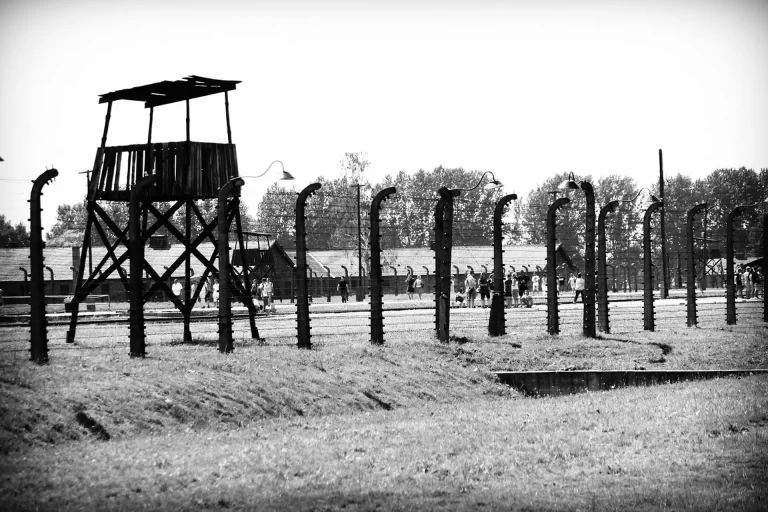
Krakow works well for families with older children (roughly 8 and up) who can handle a reasonable amount of walking and some history-heavy content, particularly around Auschwitz and Schindler’s Factory, both of which carry real emotional weight worth preparing kids for in advance rather than walking in cold. Wawel Castle, Wieliczka Salt Mine, and Nowa Huta’s vintage car tours all tend to hold children’s attention well, offering more tactile, visual engagement than a typical museum walk-through.
For younger children, the heavier historical sites are worth reconsidering or skipping in favour of the Old Town’s more open, walkable spaces and the Wieliczka mine’s underground novelty, which reads as an adventure rather than a history lesson to a younger audience.
Preparing kids in advance for Auschwitz specifically — explaining what the site is and why it matters, rather than treating it as a surprise stop on a busy day — tends to make the visit meaningfully more manageable for both children and parents than going in without context.
Do You Need to Speak Polish in Krakow?
No — English is widely spoken in tourist-facing businesses, restaurants, hotels, and among younger Poles generally, and Krakow’s heavy international visitor traffic means most central-area staff are used to communicating with non-Polish speakers. That said, a handful of basic phrases (dzień dobry for hello, dziękuję for thank you, poproszę when ordering) go further than expected and are consistently well-received, particularly at milk bars and smaller local businesses outside the main tourist circuit where English fluency is less consistent.
Google Translate’s camera feature is genuinely useful for reading Polish-only menus at milk bars and smaller restaurants, and most Poles under about 40 speak at least conversational English, particularly in Krakow’s heavily student- and tourism-driven economy. Older residents and staff at more traditional, less tourist-oriented businesses are the group most likely to have limited English, which is exactly where a few basic Polish phrases go furthest.
SIM Cards and Staying Connected
EU roaming rules mean visitors from other EU countries typically use their home SIM without extra charges. Non-EU visitors have several straightforward options: a physical SIM from a Polish carrier (Orange, Play, and Plus all have shops in the centre and at the airport), an eSIM purchased online before arrival, or simply relying on hotel and café wifi, which is widely available and generally reliable throughout the tourist areas. An eSIM tends to be the least hassle for a short trip, since it can be activated before landing and avoids a shop visit entirely.
For visitors planning day trips outside the city (Zakopane, Wieliczka, Auschwitz), confirming mobile data coverage matters more than in the city center — coverage is generally reliable across all of these routes, but rural stretches occasionally drop to slower speeds, worth knowing if you’re relying on GPS navigation during a self-driven day trip.
Public Holidays and When Things Close
Poland observes a standard set of national and religious public holidays — New Year’s Day, Easter Monday, Constitution Day (May 3), Corpus Christi, Assumption Day (August 15), All Saints’ Day (November 1), Independence Day (November 11), and Christmas — during which many shops, museums, and some restaurants close or run reduced hours. Sundays also see reduced retail hours under Poland’s trading-restriction laws, though restaurants, cafés, and most tourist attractions remain open as usual.
Museums and paid attractions vary individually on holiday closures, so checking a specific site’s hours directly for the exact dates of your visit is worth the extra step rather than assuming standard weekday hours will apply.
Electrical Outlets and Adapters
Poland uses the standard European two-pin plug (Type C/E) at 230V. UK, US, and Australian visitors will need an adapter; most continental European visitors won’t. Voltage converters are only necessary for devices not rated for 230V, which is increasingly rare for modern electronics — most phone chargers, laptops, and cameras handle the voltage difference automatically.
A Realistic First-Time Visitor Checklist
- Confirm visa requirements well ahead of travel if not an EU/Schengen-area passport holder
- Download a transit app (Jakdojade) and a translation app before arrival
- Book Auschwitz and Wieliczka tickets or tours in advance, especially in peak season
- Bring a mix of cash and cards — small vendors and some milk bars remain cash-preferred
- Pack for the season specifically, not generically for “Europe in [month]”
- Confirm your accommodation’s check-in process, especially for self-check-in apartments
What to Read Next
- Krakow Airport to City Centre: Train, Bus, Taxi and Transfer Compared
- Getting Around Krakow Without a Car: Trams, Walking and Apps
- Is Krakow Safe for Tourists and Solo Travellers? An Honest Answer
- How Much Does a Trip to Krakow Cost? A Realistic Daily Budget
- Money in Krakow: Złoty, Cards, ATMs and What to Tip
- What to Pack for Krakow Season by Season, Including Winter Layers
Frequently Asked Questions
What is the best way to get from Krakow Airport to the city centre?
The train is fastest and cheapest, taking about 20 minutes directly to the main train station. Buses and taxis are reasonable alternatives.
Do I need a car in Krakow?
No — the Old Town is walkable, trams cover the rest of the city efficiently, and parking is limited and expensive in the centre.
Is Krakow safe for solo travellers?
Yes, generally one of the safer major European cities. Standard precautions against pickpocketing in crowded areas are the main practical concern.
What currency is used in Krakow?
The Polish złoty (PLN), not the euro. Cards are widely accepted; cash is useful for small vendors and market stalls.
How many days do I need in Krakow?
Three to four days covers the Old Town, Kazimierz, and one or two day trips comfortably — see our full itinerary guide for a detailed breakdown.
Do I need to speak Polish to visit Krakow?
No — English is widely spoken in tourist areas, though a few basic Polish phrases are appreciated, especially outside the main tourist circuit.
None of this is complicated once you’ve done it once — the airport train, the tram app, a rough daily budget — but knowing it before you land removes exactly the kind of friction that eats into the first day of a trip. Everything else in Krakow tends to sort itself out once the basics are handled.
Plan your visit: Google Maps