What to Pack for Krakow Season by Season, Including Winter Layers
What to pack for Krakow changes more dramatically by season than most first-time visitors expect, since the city runs genuinely cold winters and warm, occasionally humid summers. Getting the layering right matters more here than in milder Western European cities. This post sits alongside our full guide to getting to Krakow and the practical things to know and breaks packing down by season.
Winter: Real Cold, Real Layers
Krakow winters run genuinely cold, often well below freezing, with snow a realistic possibility from December through February. A proper insulated coat, not just a heavy jacket, thermal base layers, waterproof boots with good grip for icy cobblestones, gloves, and a hat are all functional necessities rather than optional extras. The Old Town’s uneven stone streets get slick, so footwear with real tread matters more than style here.
Spring and Autumn: Layer for Swings
Shoulder-season weather in Krakow swings meaningfully within a single day — a cool, even cold, morning can turn into a mild afternoon. Layering is the practical answer: a base layer, a mid layer you can remove, and a water-resistant outer layer covers most days without over- or under-dressing. A compact umbrella is worth the space, since spring and autumn bring more rain than summer.
Summer: Warm Days, Cool Evenings

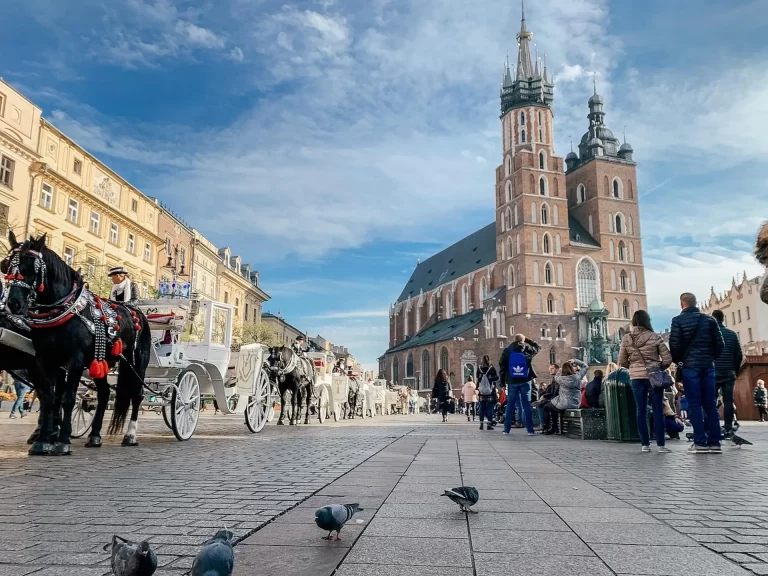
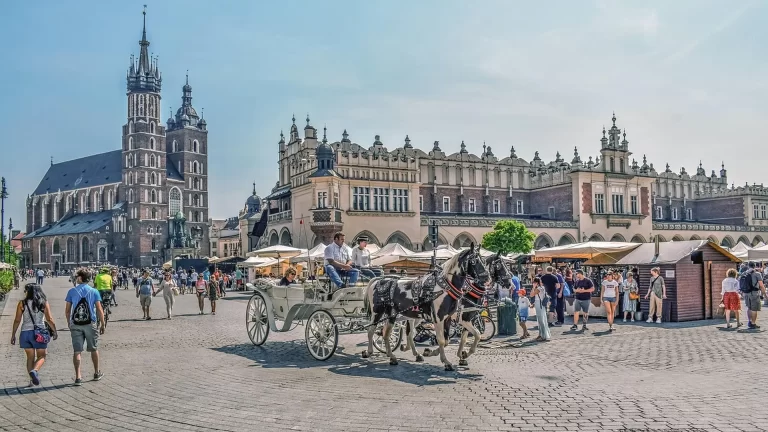
Summer in Krakow gets genuinely warm, sometimes humid, but evenings cool down enough that a light layer for after dark is worth packing even in July and August. Comfortable walking shoes matter regardless of season, given how much of a Krakow visit happens on foot over cobblestones.
What Locals Notice
What locals notice about visitors’ packing choices is how often people underestimate the winter cold or overpack for a summer that, while warm, rarely reaches the extremes of southern Europe. Krakow residents dress in serious layers by November and shed them by May, and following that same rhythm rather than a generic “Europe in winter” assumption serves visitors well.
Practical Extras Worth Adding
A reusable water bottle is genuinely useful given how much walking a Krakow visit involves, and a small daypack keeps your hands free on cobblestones. If you’re visiting Auschwitz-Birkenau or Wieliczka Salt Mine, check the specific dress guidance for each ahead of time — the salt mine stays a cool, steady temperature underground regardless of the season outside, and a light layer is worth carrying even in summer.
Quick Packing List by Season
- Winter (Dec-Feb): insulated coat, thermal layers, waterproof boots with grip, gloves, hat
- Spring/Autumn (Mar-May, Sep-Nov): removable layers, water-resistant outer layer, compact umbrella
- Summer (Jun-Aug): light breathable clothing, one warm layer for evenings, sun protection
- Year-round: comfortable, broken-in walking shoes for cobblestones
What to Read Next
- Getting to Krakow and Practical Things to Know: the full pillar guide
- Money in Krakow: Złoty, Cards, ATMs and What to Tip
How cold does it get in Krakow in winter?
Genuinely cold, often below freezing between December and February, with snow a real possibility. A proper insulated coat and waterproof boots with grip are worth packing, not just a heavy jacket.
Do I need to pack for rain in Krakow?
Spring and autumn bring more rain than summer, so a compact umbrella and a water-resistant outer layer are worth including regardless of exact travel dates.
What shoes should you pack for Krakow?
Comfortable, broken-in walking shoes year-round, given how much of a visit happens on foot over cobblestones. In winter, prioritize waterproof boots with real tread for icy streets.
Plan your visit: Google Maps