Krakow Neighbourhoods and Where to Stay: Old Town, Kazimierz and Beyond
Where to stay in Krakow matters more than it does in a lot of European cities, because the neighbourhoods genuinely feel different from each other — not just in price or distance, but in pace, noise level, and what a morning walk out the front door actually looks like. This guide breaks down Krakow’s main visitor-friendly areas by what each one actually offers, so the choice comes down to what kind of trip you’re taking rather than guessing from a map.
Old Town: The Obvious Choice, For Good Reason
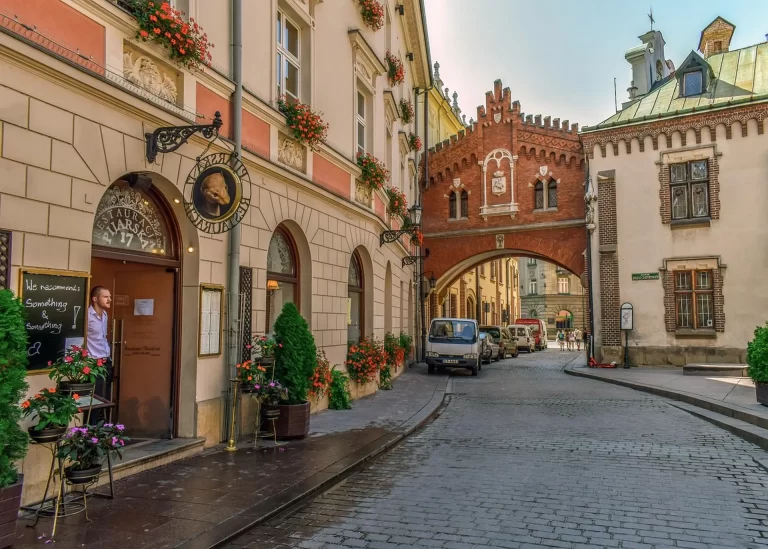
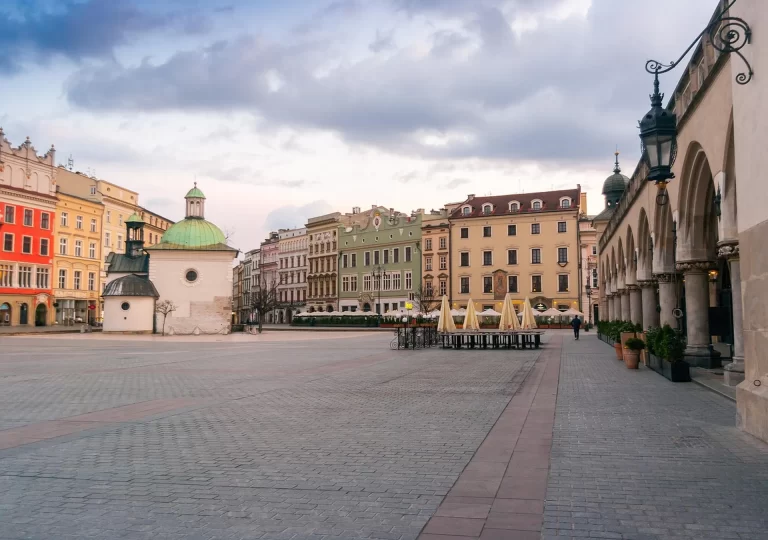
The Old Town is Krakow’s historic centre, encircled by the Planty park where the medieval walls used to stand, and it’s the obvious base for a reason: everything is within walking distance — Wawel Castle, the Main Square, the Cloth Hall, most of the city’s major museums. The trade-off is exactly what you’d expect from staying in the most central, most photographed part of any European city: higher prices, more tourist foot traffic, and noise that varies a lot depending on which street you’re on.
Marta’s note: staying literally on the Main Square sounds appealing but often isn’t — the streets immediately around it carry the heaviest evening noise from bars and restaurants. A block or two back from the square itself, still well within the Old Town’s walls, tends to give the same walkability with noticeably better sleep.
Noise levels within the Old Town vary more than visitors expect from a district this compact — a listing two streets apart from another can be the difference between a quiet night and one interrupted by bar noise until 2am. Checking recent reviews specifically for mentions of street noise, rather than relying on the map alone, is worth the extra few minutes before booking.
Kazimierz: Krakow’s Historic Jewish Quarter
Kazimierz sits just south of the Old Town, a 15-20 minute walk or a short tram ride away, and has become the city’s most talked-about alternative base over the past decade. It was Krakow’s independent Jewish quarter for centuries before WWII, and today it mixes preserved synagogues and historic sites with a genuinely lively bar, café, and street-art scene that skews younger and more local than the Old Town’s more tourist-oriented core.
For visitors weighing whether to base themselves here, it helps to actually understand what the neighbourhood is built on — see our guide to Jewish Krakow and the Kazimierz Quarter for the history behind the district, or check current availability for the top-rated Jewish Quarter walking tour here to get oriented on arrival.
Beyond its history, Kazimierz’s current identity as one of Krakow’s main creative and nightlife districts means accommodation here spans a wide range — from quiet boutique guesthouses tucked into converted historic buildings to livelier hostels aimed squarely at the bar-crawl crowd. Reading recent reviews carefully matters more here than in most other neighbourhoods, precisely because the range in atmosphere between two listings a few streets apart can be significant.
Old Town vs Kazimierz: Which Suits Your Trip
| Factor | Old Town | Kazimierz |
|---|---|---|
| Walkability to major sights | Best — everything within 10-15 min | Good — 15-20 min to Old Town sights |
| Price | Highest | Moderate, often better value |
| Nightlife noise | Can be loud near the square | Lively but more spread out, quieter side streets available |
| Atmosphere | Historic, polished, tourist-dense | Bohemian, mixed local/visitor, more character |
| Best for | First-time visitors prioritizing convenience | Repeat visitors, couples, those wanting more local feel |
Where to Stay for the First Time: Best Areas by Priority
If this is your first visit and you’re not sure which factor to prioritize, the honest ranking most locals would give is: walkability first, then noise tolerance, then budget. The Old Town (just off the square, not directly on it) covers the first two well for most visitors; Kazimierz is the best alternative if budget or a more local atmosphere matters more than being able to reach every sight in ten minutes.
Podgórze, across the river from Kazimierz, is worth a mention too — quieter and cheaper again, with good tram connections back into the centre, though it lacks Kazimierz’s density of cafés and evening life. It suits visitors prioritizing calm and budget over being in the middle of things.
It’s worth being honest that there’s no wrong answer among the top few options here — Krakow’s centre is compact enough that a “bad” choice among Old Town, Kazimierz, and Podgórze still leaves you within easy reach of everything. The differences are real but marginal at the scale of a typical multi-day visit, which is why this decision deserves less agonizing than it sometimes gets.
Best Areas for Couples: Quiet and Walkable
Couples looking for a quieter, more romantic base tend to do well in the quieter pockets of Kazimierz (away from its bar-heavy central streets) or the calmer edges of the Old Town near the Planty park rather than the square itself. Both offer genuine walkability to restaurants and evening activities without the loudest nightlife streets directly outside the window.
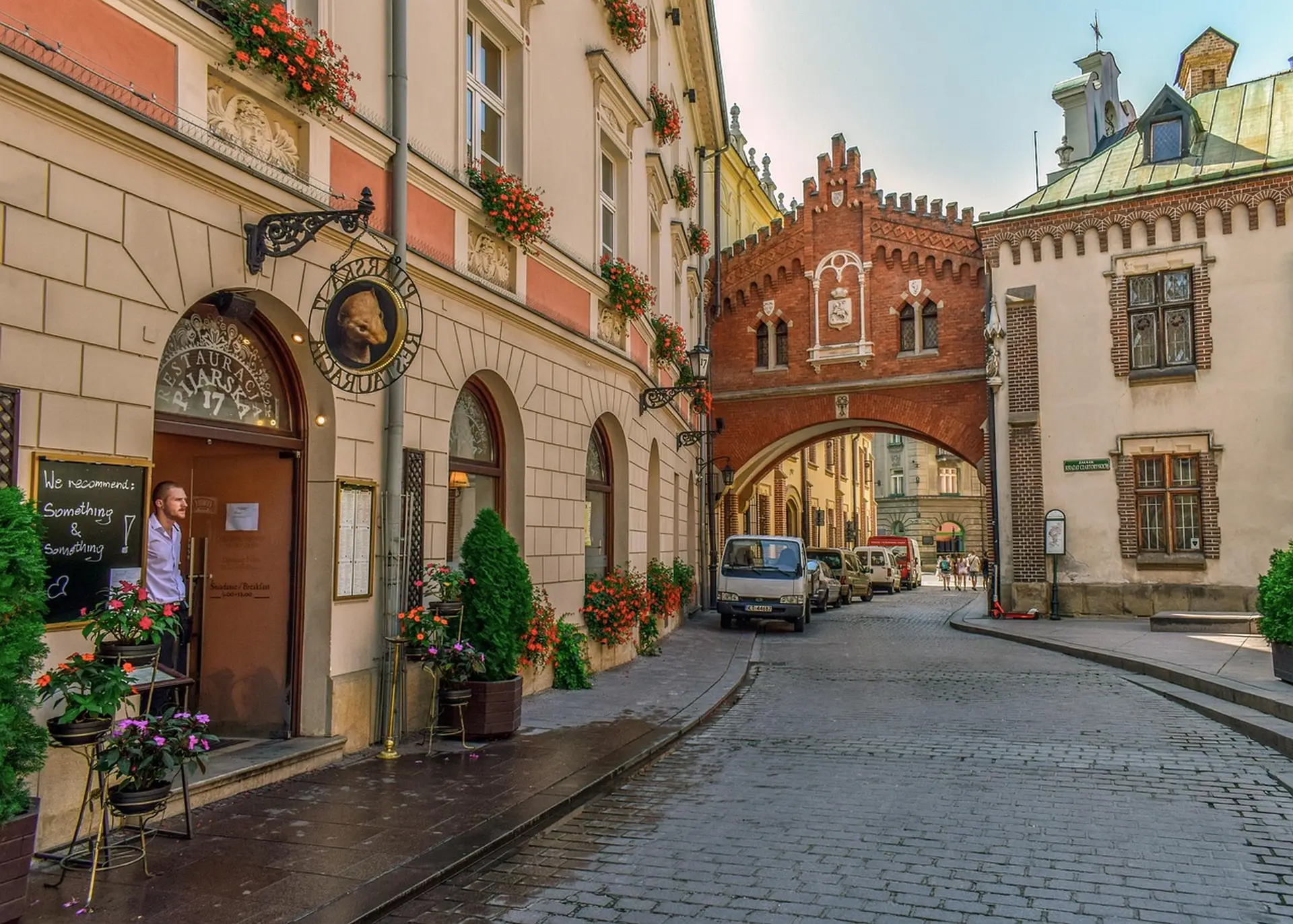
A few specific streets get mentioned repeatedly by locals as reliably calm without sacrificing walkability — generally the residential blocks a few streets back from Kazimierz’s main square (Plac Nowy) or the quieter northern edge of the Old Town near the Czartoryski Museum. Neither requires sacrificing more than a few minutes of extra walking to reach the busier parts of town.
Where to Stay with Family
Families tend to prioritize space and calm over proximity to nightlife, which points toward the quieter parts of the Old Town (away from the square) or Kazimierz’s residential streets, both of which offer apartment-style accommodation with more room than a typical hotel room. Podgórze is also worth considering for families needing more space at a lower price, given its easy tram access back into the centre.
Larger apartments with separate bedrooms are far more common (and often cheaper) in Kazimierz and Podgórze than in the Old Town, where historic buildings and higher demand tend to push toward smaller, pricier units. Ground-floor or lower-floor listings are worth prioritizing for families managing luggage or young children, since many historic buildings in the centre don’t have elevators.
Where to Stay on a Budget Without Sleeping Far Out
Budget accommodation in central Krakow is more available than in many Western European capitals, but the best value tends to sit just outside the Old Town’s walls — Kazimierz, Podgórze, or the streets just beyond the Planty ring rather than inside it. These areas keep a 15-20 minute walk (or a short tram ride) to the main sights while cutting meaningfully into the premium charged for an Old Town address.
Quietest Places to Stay, Away from the Stag-Party Streets
Krakow has a well-known stag-party and bachelor-party tourism segment, concentrated on specific streets near the Main Square with a dense cluster of bars. Visitors who want to avoid this scene entirely should steer toward Kazimierz’s quieter residential streets, Podgórze, or the parts of the Old Town furthest from the square’s most bar-heavy corner — a quick look at a map or recent guest reviews mentioning “noise” is usually enough to identify and avoid the loudest blocks before booking.
It’s worth noting this isn’t a judgment on stag parties themselves — Krakow’s nightlife economy is a real and long-standing part of the city’s tourism. It’s simply a practical note for visitors whose priorities (families, couples seeking quiet, older travellers) don’t align with being in the middle of that scene, since the two groups are easy to accidentally overlap if you book without checking.
What It’s Like to Actually Stay in Kazimierz
Locals who live in or near Kazimierz describe mornings there as genuinely different from the Old Town’s — fewer tour groups, more residents walking dogs or heading to a local bakery, cafés that fill with a mix of remote workers and neighbourhood regulars rather than exclusively visitors. Evenings shift the balance toward Kazimierz’s well-known bar scene, but even then, walking two or three streets off the main strip returns you to a much quieter, more residential feel — something the Old Town’s smaller footprint doesn’t really allow.
Getting Around from Any Base
Krakow’s compact size means almost any of these neighbourhoods keeps you within a 20-25 minute walk of the Main Square, and the tram network covers the rest efficiently if walking isn’t appealing on a given day. Wherever you base yourself, day trips and major sights are reachable without needing to change accommodation mid-stay — see our Old Town and Wawel Castle walking tour for a good first-day orientation regardless of which neighbourhood you’re staying in.
For a deeper look at transit options beyond walking distance — trams, buses, and how the city’s public transport actually works day to day — a dedicated guide to getting around Krakow covers the ticketing and route logistics in more depth than fits here.
Booking Timing and What Affects Prices
Krakow accommodation prices swing significantly with the season and with specific events — the Christmas market period (late November through December), Easter, and summer weekends see the sharpest price jumps and the tightest availability, particularly for well-located Old Town apartments. Booking three to four months ahead is reasonable for peak season; shoulder months (April-May, September-October) offer both better weather-to-crowd ratios and more forgiving pricing, along with a wider choice of available properties.
Apartment vs Hotel: Which Makes More Sense
Krakow has a large, well-developed short-term apartment rental market, often better value than a comparable hotel for stays of three nights or more, especially for families or groups wanting a kitchen and more space. Hotels make more sense for shorter stays, solo travellers wanting daily housekeeping and a front desk, or anyone who prefers not to manage self-check-in logistics. Locals renting out Old Town or Kazimierz apartments increasingly compete directly with hotels on amenities, so the choice tends to come down to personal preference for service versus space rather than one option being objectively better.
One detail worth flagging for apartment bookings specifically: check whether check-in requires meeting someone in person or is fully self-service, and confirm the exact address rather than a general area, since some listings only reveal the precise building after booking is confirmed.
Beyond Old Town, Kazimierz and Podgórze
A handful of other neighbourhoods come up for specific circumstances. Krowodrza and Zwierzyniec, both northwest of the centre, offer a genuinely residential, mostly non-touristy base with good tram access — better suited to longer stays or visitors who’ve already done Krakow once and want a quieter, more local-feeling second visit. Nowa Huta, the planned socialist district covered in our Communist-era Krakow guide, is not a practical base for most tourists given the distance from the centre, though it’s a worthwhile half-day visit from wherever you’re staying.
How Far Is Too Far From the Centre
As a rule of thumb, anywhere within a 20-25 minute tram ride of the Main Square keeps day-to-day logistics manageable without requiring a car or frequent taxis. Beyond that radius, the savings on accommodation rarely offset the added time and cost of getting into the centre daily, especially for a short trip where maximizing sightseeing time matters more than accommodation savings. For stays longer than five or six days, the calculation shifts — a slightly further, cheaper base can make more sense once the daily commute cost is spread across more days.
Public transport reliability plays into this calculation too — Krakow’s tram network runs frequently and on a predictable schedule well into the evening, which makes even a 20-minute tram commute feel low-risk compared to cities with less dependable transit. Checking a specific listing’s nearest tram stop and its direct line to the Old Town, rather than just its straight-line distance on a map, gives a more accurate sense of real travel time.
What Locals Actually Recommend to Visiting Friends
Marta’s honest recommendation for most first-time visitors, based on what she tells her own visiting family and friends: book Kazimierz over the Old Town unless walkability to every single sight matters more than anything else. The 15-20 minute walk into the Old Town is genuinely pleasant (it passes through some of the nicer parts of the city), the accommodation value is better, and waking up somewhere with a more residential, local feel tends to leave visitors with a better overall impression of the city than waking up in the middle of a tourist zone every morning.
What to Check Before Booking, Regardless of Neighbourhood
A few practical checks matter more than neighbourhood choice for avoiding a bad stay: confirm whether the building has an elevator if you have heavy luggage or mobility concerns (many historic buildings across all central neighbourhoods don’t), check the check-in process (self-check-in with a lockbox is common in Krakow’s apartment market and worth knowing about in advance), and read recent reviews specifically for noise complaints rather than relying on the listing photos and description alone.
Wi-Fi quality and air conditioning are also worth confirming directly for summer visits — older buildings in the historic centre don’t always have central air, and window units vary a lot in effectiveness during Krakow’s hottest weeks (typically July and August).
What to Read Next
- Where to Stay in Krakow for the First Time: Best Areas by Priority
- Old Town vs Kazimierz: Which Krakow Base Suits Your Trip
- Best Areas in Krakow for Couples Who Want Quiet and Walkable
- Where to Stay in Krakow with Family: Space, Calm and Easy Access
- Where to Stay in Krakow on a Budget Without Sleeping Far Out
- Quietest Places to Stay in Krakow Away from the Stag-Party Streets
- What It’s Like to Stay in Kazimierz: Waking Up in the Old Quarter
Frequently Asked Questions
Where should I stay in Krakow for the first time?
The Old Town (just off the Main Square, not directly on it) or Kazimierz are the two best starting points, depending on whether you prioritize maximum walkability or a more local atmosphere and better value.
Is Kazimierz a good area to stay in Krakow?
Yes — it offers strong walkability to the Old Town, generally better value, and a livelier local atmosphere, though its central streets can be noisy at night.
Where is the quietest place to stay in Krakow?
Kazimierz’s residential streets away from the bar strip, Podgórze, or the edges of the Old Town near the Planty park tend to be the calmest options.
Is it better to stay in Old Town or Kazimierz?
Old Town wins on pure walkability to major sights; Kazimierz generally wins on value and local atmosphere. Both are within easy walking or tram distance of each other.
Where should families stay in Krakow?
Quieter parts of the Old Town, Kazimierz’s residential streets, or Podgórze for more space and lower prices, all with reasonable access back to the centre.
There’s no single correct neighbourhood in Krakow — the right choice depends on how much walkability you’re willing to pay a premium for, and how much noise you’re willing to tolerate for being in the middle of everything. Old Town and Kazimierz cover most visitors’ needs between them; Podgórze is worth a look for anyone prioritizing calm and value over being steps from the Main Square.
Plan your visit: Official site · Google Maps