Kazimierz at Dusk: The Hour Most Visitors Walk Through Too Fast
Kazimierz at dusk is a different district from the one most day-trip itineraries show, and it’s an hour almost entirely skipped by anyone treating the quarter as a two-hour stop between Wawel Castle and dinner. The synagogues close, the museum crowds thin, and the square-by-square character of the neighbourhood shifts from historical site to lived-in evening space — a transition worth deliberately catching rather than missing by accident. None of this requires special access or planning beyond simply not rushing off — it is available to anyone who happens to still be in the district when the light starts to change.
When Dusk Actually Falls
Exact timing shifts hugely by season — closer to 4pm in December, past 8pm in June — so “dusk” here means less a clock time and more a specific stretch: the thirty to sixty minutes after the last synagogue tours wrap up and before the evening restaurant crowds fully arrive. That window exists nearly every day of the year, even if its position on the clock moves considerably with the seasons.
The Synagogues Closing and the Streets Emptying
As the Old Synagogue and the other museum sites close for the day, Szeroka Street empties out fast — the tour buses and day-trip groups that filled it an hour earlier move on, and for a short stretch the square is left mostly to whoever’s still lingering. It’s the closest most visitors get to seeing Kazimierz without a crowd, and it happens at the same predictable point in the day, every day, for free.
Szeroka Street Changes Character
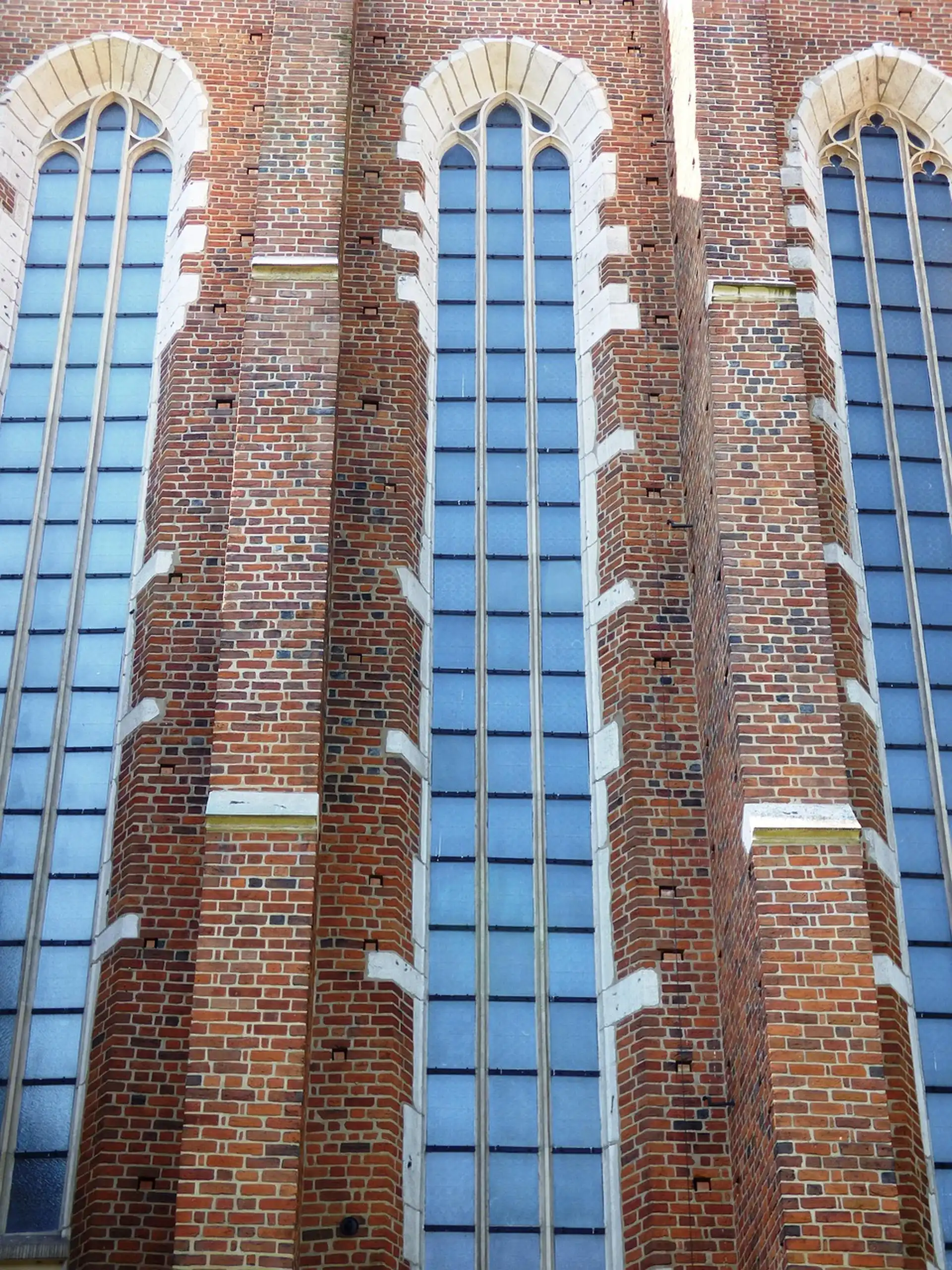
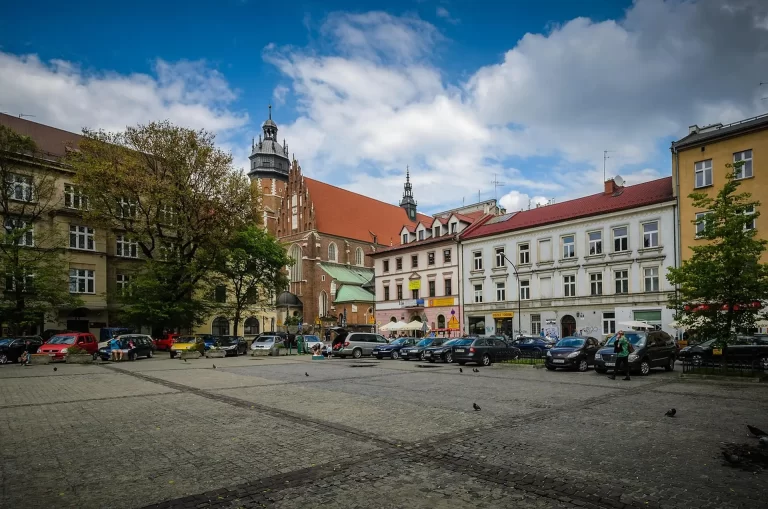
Once the museum-going crowd thins, Szeroka Street’s remaining restaurants and cafés start setting up for the evening, and the square takes on a noticeably calmer, more residential feel than it has at midday. The synagogue buildings themselves, lit from outside once the light drops, read differently after dark — less like museum exhibits, more like the working parts of a neighbourhood that simply happen to be centuries old.
Plac Nowy Waking Up
While Szeroka Street quiets down, Plac Nowy moves the opposite direction — the zapiekanka hatches around the Okrąglak start their busiest stretch of the day as dusk turns to evening, and the bars ringing the square begin filling in. The two squares essentially trade places in character within the same hour, which is part of why walking between them at dusk specifically, rather than at any other time, shows Kazimierz doing two different things at once.
The Light on the Old Buildings
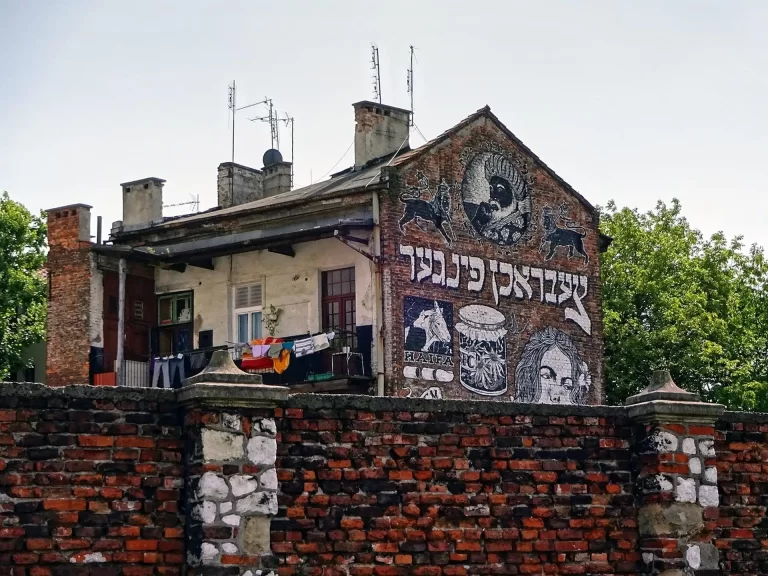
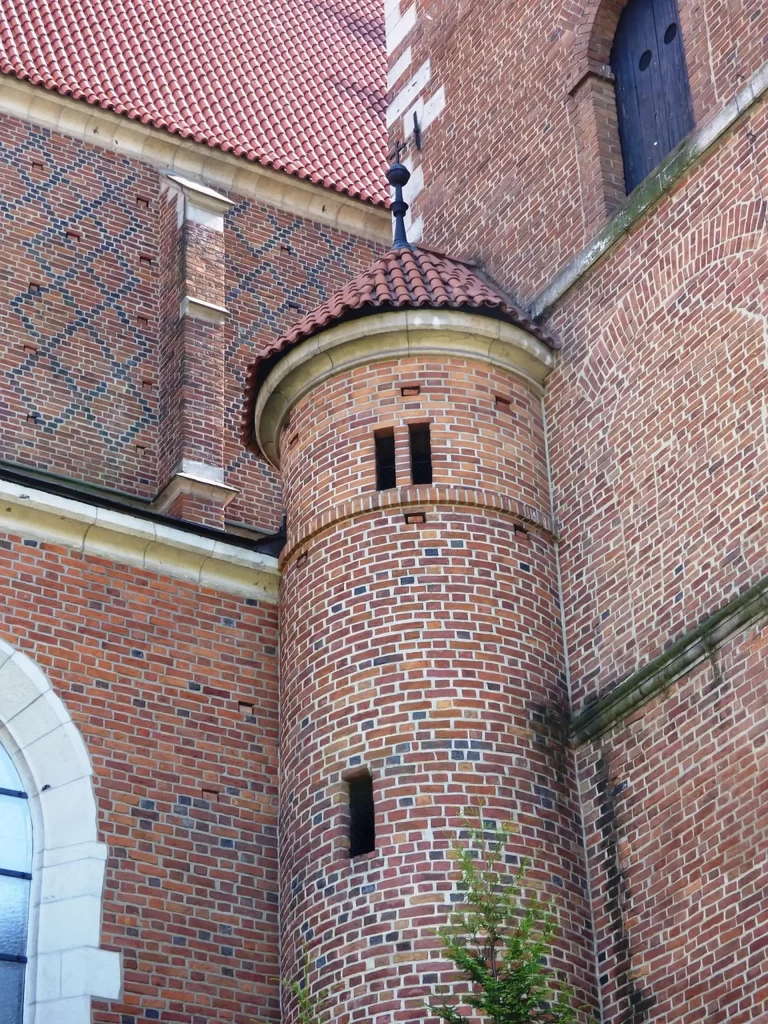
Kazimierz’s building stock is a genuine mix of eras and states of repair — some restored, some still visibly worn — and low evening light does more for that texture than the flat daylight most photographs are taken in. It’s a better hour for actually looking at the district’s architecture than midday, when the crowds and the harsher light both work against noticing detail. A phone camera captures most of this well enough; nothing about this hour requires specialist equipment, just being present for it.
Why Most Visitors Miss This Hour
Day-trip visitors from outside Krakow are usually catching a bus or train back, or moving on to a dinner reservation elsewhere, exactly when this window opens — Kazimierz at dusk is, structurally, an hour built for people staying in Krakow overnight, not for anyone on a tight single-day itinerary. That’s not a criticism of rushed visitors; it’s simply a scheduling reality that happens to exclude most of them from seeing the district at what many residents consider its best hour. Visitors staying multiple nights in Krakow rarely face this same constraint and can catch it on almost any evening without special effort.
Timing a Visit Around Dusk
For anyone with flexibility, the practical move is to front-load the synagogue visits and museum stops covered in the guide to Jewish Krakow and the Kazimierz Quarter earlier in the afternoon, leaving the dusk window free to simply walk rather than tick off another site. A Kazimierz walking tour comparison can help decide which guided option finishes early enough to still catch this hour independently afterward. For visitors who’d rather have a guide talk through the district as the light changes, a small-group Kazimierz walking tour scheduled for late afternoon times the walk to end right as dusk sets in. Building in even a loose thirty-minute buffer around the end of the last booked activity is usually enough to catch it without needing to change the rest of the day’s plan.
What to Do If You Only Have One Evening
With just one evening in Krakow and a choice to make, spending it walking Kazimierz at dusk rather than rushing through the Old Town after dark is usually the better trade — the Old Town at night is pleasant but fairly similar to any well-lit European city centre, while Kazimierz at dusk is a genuinely specific experience tied to this particular district’s mix of history and daily life.
What Locals Notice
Krakow locals who live in or near Kazimierz often time their own errands and evening plans around this same window without necessarily thinking of it as anything special — it’s simply when the neighbourhood naturally quiets from tourist traffic and picks up local traffic instead. Visitors who happen to be walking through at the same time are, in effect, seeing the district the way people who actually live there experience it most days.
Photography at Dusk
The low, warm light in the thirty minutes before proper darkness is genuinely better for photographing Kazimierz’s buildings than midday sun, which tends to flatten the district’s mix of restored and worn facades into less interesting contrast. Street lamps and the synagogue exteriors’ own lighting add a second useful window shortly after, once it’s fully dark, for anyone wanting a different set of shots than the standard daytime tourist photo.
Where to Stand and Watch It Happen
Szeroka Street itself is the easiest vantage point — sitting at one of the square’s café tables for even twenty minutes as the light drops shows the transition clearly, without needing to plan a specific walking route. For a more active version, walking the short stretch between Szeroka Street and Plac Nowy right as dusk sets in means passing through both squares’ opposite transitions within the same ten-minute walk, which is arguably the single most efficient way to feel the shift.
Restaurants That Suit This Hour
Kazimierz’s restaurants and cafés generally shift their own atmosphere at dusk too — outdoor seating that felt exposed at midday becomes genuinely pleasant as the temperature drops in warmer months, and several of the district’s bars specifically build their evening identity around this transitional hour rather than treating it as a lull before a later peak. Booking nothing and simply seeing which spot looks right once dusk actually arrives works better here than planning a specific restaurant in advance.
Dusk in Different Seasons
Summer dusk in Kazimierz stretches out slowly, giving a longer, gentler transition and warm enough temperatures to sit outside through the whole thing. Winter dusk arrives faster and colder, often before dinner plans would normally start, which actually makes it easier to catch by accident — anyone leaving a museum around 4pm in December walks straight into it without needing to plan around it at all. Spring and autumn split the difference, with dusk falling at a genuinely convenient early-evening hour for most visitors’ existing schedules.
What to Read Next
- Jewish Krakow and the Kazimierz Quarter: Heritage, Synagogues and Tours
- Best Kazimierz Walking Tours Compared: Heritage Over Sightseeing
Frequently Asked Questions
What time is dusk in Kazimierz?
It varies significantly by season, from around 4pm in December to past 8pm in June. The relevant window is less a fixed clock time than the thirty to sixty minutes after museum sites close and before the evening crowd fully arrives.
Is Kazimierz safe to walk at dusk?
Kazimierz is a well-populated, well-lit residential and commercial district, and walking it at dusk is standard practice for both locals and visitors, with no particular safety concerns beyond normal city awareness.
Why do most visitors miss Kazimierz at dusk?
Day-trip visitors are typically leaving the city or heading to a dinner reservation elsewhere exactly when this window opens, since it falls between the museum-closing hour and the evening dining hour.
Is Plac Nowy or Szeroka Street better at dusk?
They offer different experiences at the same hour — Szeroka Street quiets down as the synagogues close, while Plac Nowy becomes busier as its food stalls and bars start their evening trade. Walking both captures the contrast.
Should dusk in Kazimierz be planned around a guided tour?
Not necessarily. A guided tour can be timed to end as dusk begins, but many visitors prefer to keep this specific window unstructured, having already covered the guided sites earlier in the day.
Plan your visit: Official site · Google Maps