Do You Need to Speak Polish in Krakow? A Practical Language Guide
Do you need to speak Polish in Krakow is a question I get constantly, and the honest, practical answer is no, not really, especially in the areas visitors spend most of their time. That doesn’t mean English is universal everywhere, but the gap is narrower than most first-time visitors expect. This post sits alongside our full guide to getting to Krakow and the practical things to know and covers where language actually matters.
Where English Works Reliably
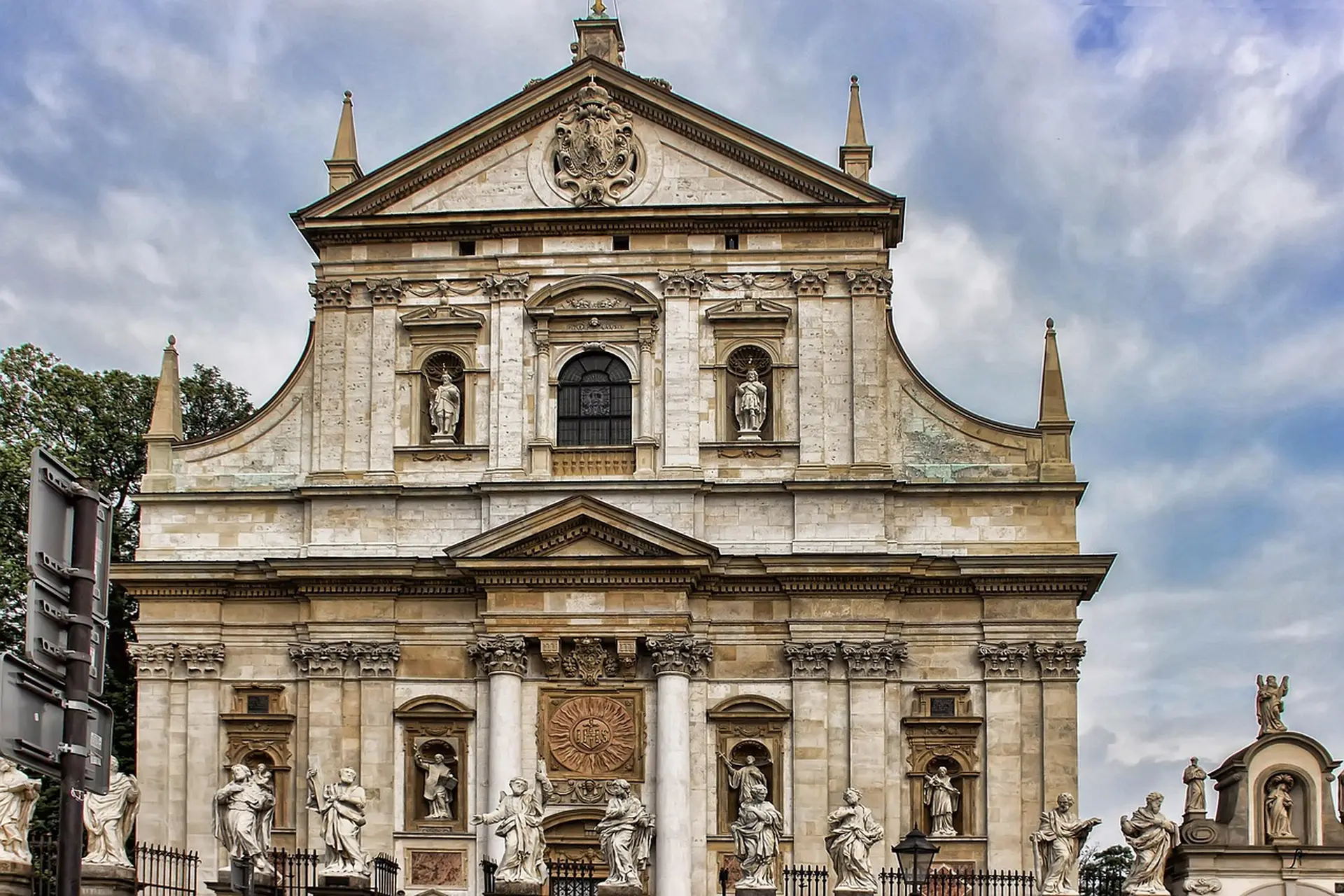
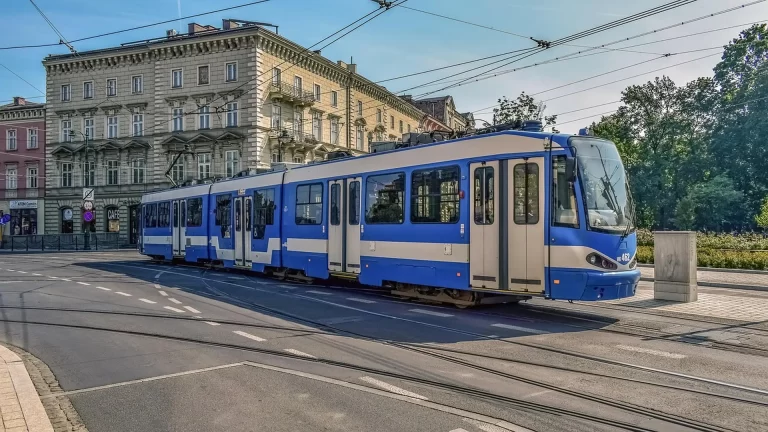
Hotels, restaurants in tourist areas, major attractions, and anyone working in tourism generally speak functional to fluent English, particularly younger staff. Menus in the Old Town and Kazimierz are routinely bilingual, and ticket machines for trams and major attractions usually offer an English-language option.
Where It Gets Trickier
Smaller neighbourhood shops, some older residents, and certain government or administrative settings are less reliably English-speaking. This rarely causes a real problem for a typical visitor, since these aren’t situations tourists usually need to navigate, but it’s worth knowing the gap exists outside the main visitor areas.
A Few Polish Phrases Worth Knowing
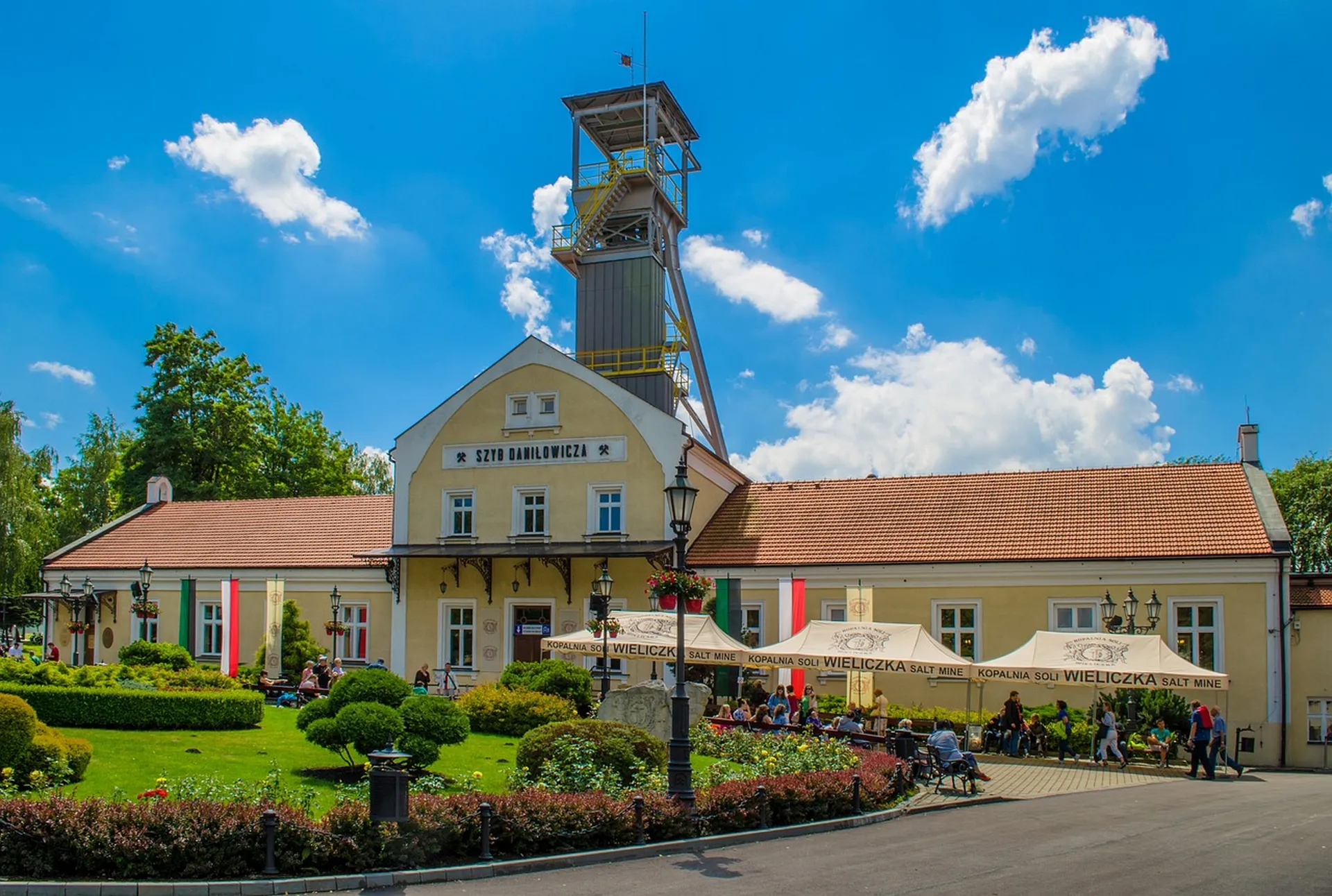
You don’t need fluency, but a handful of basic phrases go a long way as a courtesy: “dzień dobry” (good day/hello), “dziękuję” (thank you), “przepraszam” (excuse me/sorry), and “poproszę” (please, used when ordering or requesting something). Locals generally appreciate the effort even when your accent is rough, and it tends to make interactions warmer than defaulting straight to English.
What Locals Notice
What locals notice about visitors and language is less about fluency and more about approach — asking “do you speak English?” politely before launching into English gets a noticeably better response than assuming it by default. Krakow residents working in tourism are used to switching languages constantly, but the courtesy of asking first is still genuinely appreciated.
Reading Polish Words Out Loud
Polish spelling looks intimidating on the page but follows consistent rules once you know a few basics: “cz” sounds like the “ch” in “church,” “sz” sounds like “sh,” and “ż” and “rz” both sound roughly like the “s” in “pleasure.” You won’t need this for daily navigation, but it helps demystify street signs and menu items that otherwise look unreadable at a glance.
Practical Language Tips
- Learn “dzień dobry,” “dziękuję,” “przepraszam,” and “poproszę” — small effort, real goodwill
- Google Translate’s camera feature handles menus and signs in a pinch
- Ask “do you speak English?” rather than assuming it by default
- Ticket machines and major attraction signage almost always offer an English option
What to Read Next
- Getting to Krakow and Practical Things to Know: the full pillar guide
- Visiting Krakow with Older Children: Age-Appropriate History and Pacing
Do you need to speak Polish to visit Krakow?
No. English is widely spoken in hotels, restaurants, and major attractions, particularly by younger staff. A handful of basic Polish phrases are appreciated but not necessary.
What Polish phrases are useful for tourists in Krakow?
“Dzień dobry” (hello), “dziękuję” (thank you), “przepraszam” (excuse me/sorry), and “poproszę” (please, when ordering) cover most everyday interactions politely.
Are menus and signs in Krakow in English?
Menus in tourist areas are routinely bilingual, and ticket machines for trams and major attractions almost always offer an English-language option.
Plan your visit: Google Maps