Wieliczka Salt Mine and Auschwitz in One Day: Does It Actually Work?
Wieliczka Salt Mine and Auschwitz in one day gets asked about constantly by visitors trying to compress a short Krakow trip into as few days as possible. The honest answer is that it works logistically more easily than people assume, but it’s a genuinely demanding day emotionally and physically, and it’s worth understanding what that combination actually asks of you before booking it. This sits alongside the wider question covered in Marta’s full Wieliczka guide of how to fit the mine into a broader itinerary.
Who This Combination Actually Suits
This pairing tends to work best for visitors on tight layovers, cruise stopovers in nearby Baltic ports with a pre-booked land excursion, or travelers on a broader European itinerary who genuinely have only one full day in the Krakow area. It works less well for families with young children, visitors with mobility limitations that make Wieliczka’s stairs difficult, or anyone who already knows they process heavy emotional content slowly and would benefit from unstructured time afterward rather than another activity.
Booking Logistics to Get Right
If you’re not using a purpose-built combined-day tour, coordinating this yourself means booking two separate timed entries that leave enough of a buffer between them for the transfer, which typically takes 60-90 minutes by car or transfer van depending on traffic. Building in extra buffer beyond the minimum drive time is worth it — a delay at either site cascades into the other booking if the timing is tight, and Auschwitz in particular enforces its entry time slots strictly.
It’s also worth checking whether your accommodation is positioned conveniently for this kind of day — a hotel near the Old Town works fine for either pickup point, but staying further out can add meaningful time to an already long day. If you’re self-driving rather than using organized transport, factor in that Auschwitz’s parking fills up during peak season, and arriving with margin before your entry slot avoids a stressful last-minute scramble.
Why This Pairing Gets Suggested at All
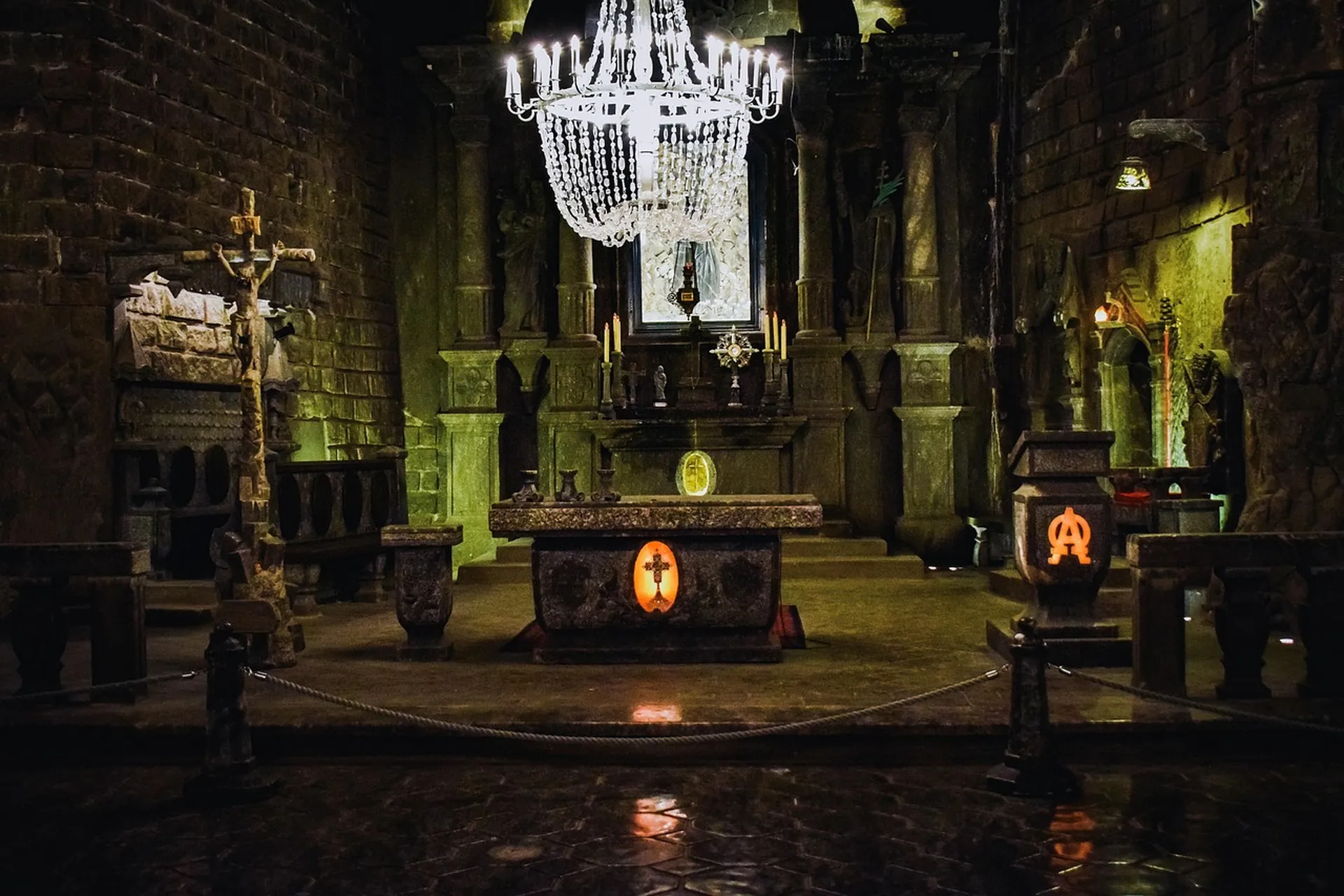
Wieliczka sits about 15km southeast of Krakow, while Auschwitz-Birkenau is roughly 70km west — opposite directions from the city center, which immediately rules out visiting both as a single continuous loop. What makes combining them at all feasible is that Wieliczka is close and quick (a half-day visit), which leaves a real block of time free either before or after for the much longer Auschwitz trip. Combined tour products do exist that bundle both sites into one long day, typically starting very early to fit the driving and both visits into daylight hours.
Some tour operators run purpose-built combined-day products specifically for this pairing, with pickup and drop-off handled as a single booking rather than you coordinating two separate transfers yourself. These exist precisely because enough visitors ask for this combination that it’s become a standard (if demanding) itinerary option rather than something you’d have to piece together entirely on your own.
The Physical and Emotional Math
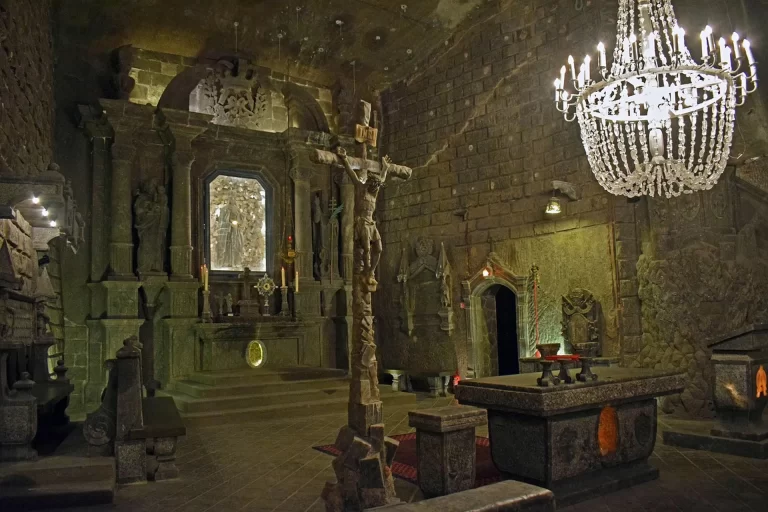
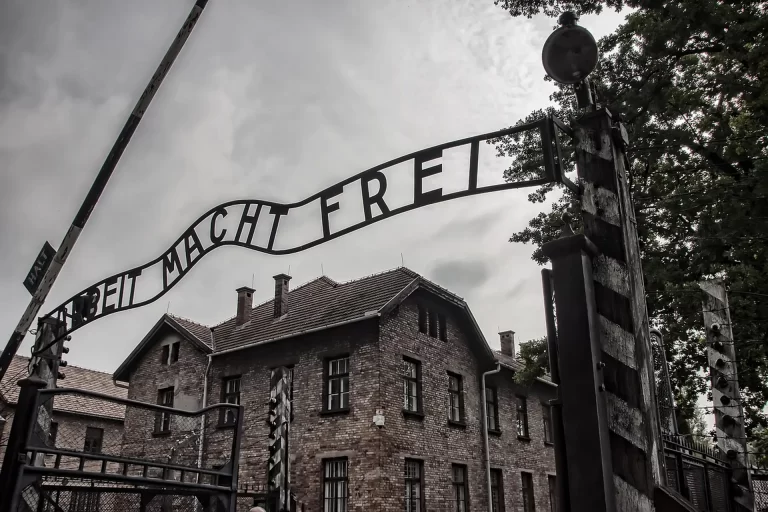
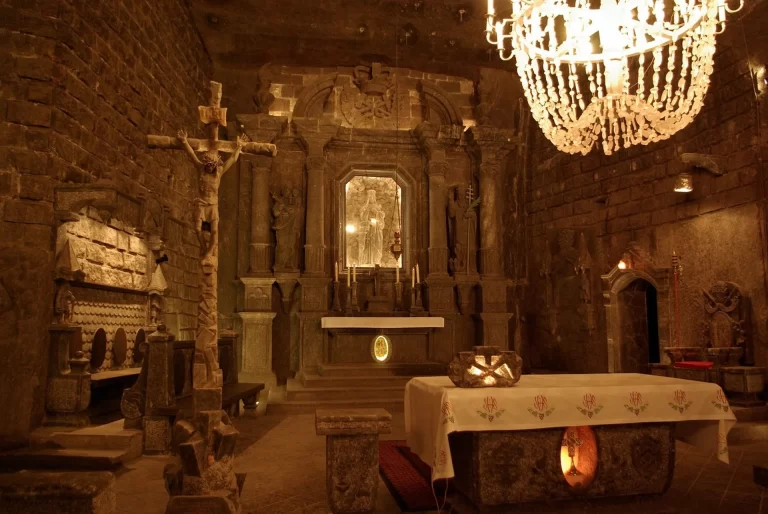
Wieliczka’s underground route involves roughly 800 steps down (no stairs back up — visitors exit by elevator) and 2-3 hours underground at a cool, constant temperature. It’s physically demanding in a straightforward way: stairs, walking, some fatigue. Auschwitz is a different kind of demanding entirely — emotionally heavy, typically 3.5-4 hours including both Auschwitz I and Birkenau, and most visitors describe needing some recovery time afterward rather than jumping straight into another activity. Stacking the two in one day means asking your body to handle the physical load of one and your mind to handle the emotional weight of the other, back to back, with a long transfer in between.
It’s worth being specific about what “recovery time” means here. Auschwitz doesn’t require physical exertion in the way Wieliczka’s stairs do, but the emotional processing many visitors go through afterward is real and shouldn’t be underestimated when planning a tight schedule. Guides who lead Auschwitz tours regularly note that visitor groups are often notably quiet on the bus back to Krakow — a natural response that a packed itinerary doesn’t leave much room for if Wieliczka or another activity is scheduled immediately after.
How the Order Matters
If you do combine them, doing Wieliczka first and Auschwitz second is generally the better order rather than the reverse. Ending the day at Auschwitz means you’re not rushing off to another site afterward, and you have the evening to simply process the visit rather than needing to summon energy for underground stairs. Doing Auschwitz first and Wieliczka second risks visiting the salt mine while still emotionally processing the earlier site, which shortchanges both experiences.
There’s also a practical logistics reason favoring this order: Wieliczka’s morning slots tend to have more availability than afternoon ones, since many independent visitors book the mine as a half-day morning activity on its own. Starting your combined day with an early Wieliczka slot, then moving to Auschwitz for the afternoon, tends to align better with both sites’ actual visitor flow than trying to reverse it.
What a Combined Tour Day Actually Looks Like
A typical combined-day tour departs Krakow very early, around 6-6:30am, to fit both sites plus roughly two hours of total driving into the day. Wieliczka usually comes first in these itineraries, followed by a transfer to Auschwitz for an afternoon visit, with return to Krakow in the early evening. Total day length runs 12-13 hours door to door — long, but not unusual for a single major day trip built around two separate sites.
Meals need to be planned around this schedule rather than assumed. Most combined-day tours build in a lunch stop, typically between the two sites during the transfer, since neither Wieliczka nor Auschwitz has extensive dining options on-site beyond basic cafés. Packing snacks and water for the day is worth doing regardless of what a specific tour includes, since a long day with two demanding stops leaves little patience for hunting down food later.
When to Split It Into Two Days Instead
If your Krakow trip has more than 3-4 days, splitting these into separate days is worth the extra day. Wieliczka pairs comfortably with a half-day of Old Town sightseeing, while Auschwitz deserves a day on its own without another major activity competing for your energy afterward. The one-day combination makes the most sense specifically for short trips — a layover, a 2-day visit, or a stop en route to somewhere else — where the alternative isn’t “two separate days” but “skip one entirely.”
Two-day visitors sometimes worry that splitting these sites “wastes” a day that could otherwise include more Krakow sightseeing, but the reverse case is worth considering too — a single day spent doing both properly, without rushing, often leaves a stronger memory of each site than a compressed combined day does. If your itinerary genuinely can’t spare the extra day, the combined option remains a reasonable choice; it’s simply a trade-off worth making consciously rather than defaulting to for convenience alone.
What Locals Notice
Krakow-based guides — locals who lead both Wieliczka and Auschwitz tours regularly — tend to be candid about which combined-day groups struggle most — usually the ones who treated the day as a checklist rather than budgeting real recovery time on the drive between sites. The guides who do this pairing well build in quiet time on the transfer specifically for that reason, rather than filling it with more commentary.
See the Wieliczka Salt Mine Tour and Fast-Track Ticket
What to Read Next
- Wieliczka Salt Mine from Krakow: Tours, Tickets and the Underground Route
- Wieliczka Salt Mine Tour from Krakow: How to Book the Right Ticket
- Wieliczka Guided Tour vs Independent Entry: What Changes
- Visiting Auschwitz-Birkenau from Krakow: The Complete Guide
Frequently Asked Questions
Can you visit Wieliczka Salt Mine and Auschwitz in one day?
Yes, logistically it’s possible — combined tours exist that do both in a single long day (12-13 hours), typically visiting Wieliczka first and Auschwitz second.
Is it a good idea to combine Wieliczka and Auschwitz in one day?
It’s demanding both physically and emotionally. It works well for short trips where the alternative is skipping one site entirely, but if you have more time, splitting them into separate days is more comfortable.
Which should you visit first, Wieliczka or Auschwitz?
Wieliczka first, then Auschwitz, is the better order — ending the day at Auschwitz avoids rushing to another activity while still processing an emotionally heavy visit.
How long is a combined Wieliczka and Auschwitz tour day?
Typically 12-13 hours door to door, including roughly two hours of total driving between Krakow, Wieliczka, and Auschwitz.
Plan your visit: Official site · Google Maps